Zero Waste Sunderland (the North Sea Coast and River Wear)
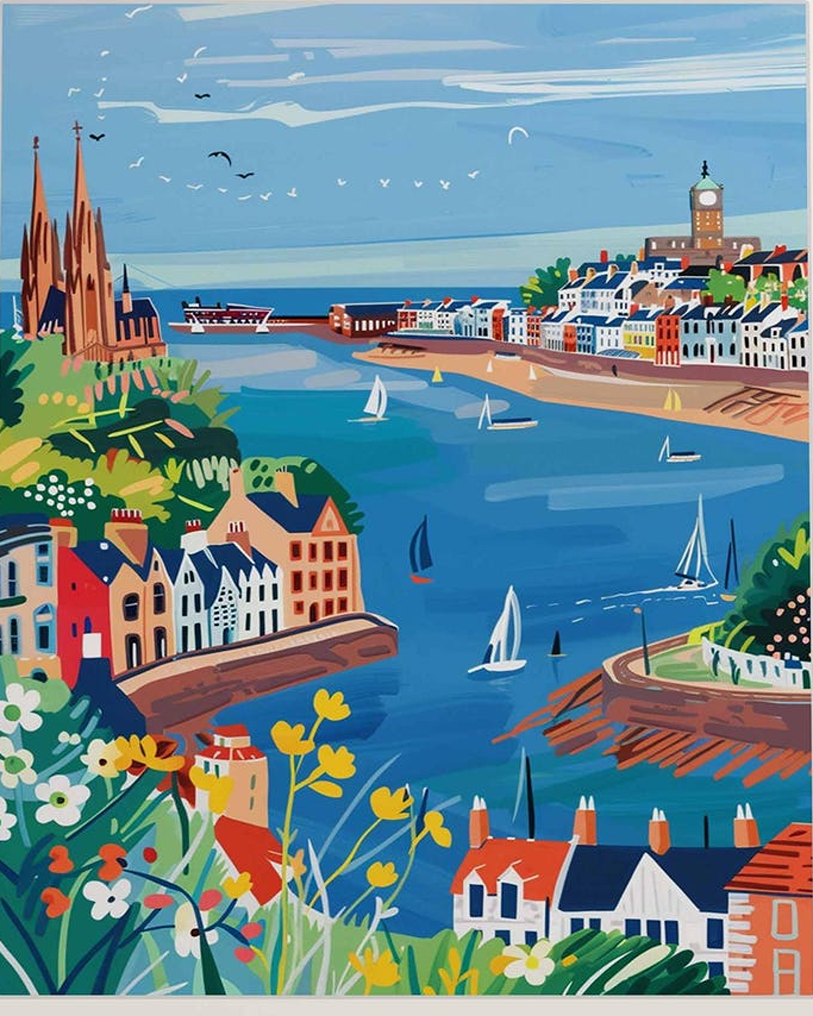
Sunderland’s natural environment stretches from the North Sea coast to the River Wear and the green spaces of the city and surrounding countryside. Beaches, dunes, cliffs, riverside paths, parks, woodlands and wetlands all provide habitat for wildlife. These landscapes connect Sunderland to a wider network of coastal and inland habitats across the North East.
The area supports seabirds, shorebirds, bats, otters, fish, pollinating insects, amphibians and many other species. Nature benefits people too: trees provide shade, green spaces offer places to walk and relax, and healthy wetlands can help manage water.
If out walking, follow the Countryside Code to keep all creatures safe. Keep dogs away from steep banks, mushrooms, cliffs and toxic plants/trees. If at the coast, read how to keep dogs safe by the seaside.
Why protecting nature in Sunderland matters
Healthy habitats support wildlife and provide important benefits for people. Coastal waters and beaches sustain marine life and provide feeding and resting places for birds. Rivers and wetlands support aquatic species, while woodlands, grasslands and hedgerows offer shelter and food.
The River Wear is a defining feature of Sunderland. Its banks and adjoining green spaces form a wildlife corridor through the city and connect with the wider river catchment. The coastline also links local habitats to a much larger marine environment.
What happens on land can affect both the river and the sea, so reducing pollution and protecting natural areas matters across the whole landscape.
Nature areas to explore in Sunderland
Sunderland and the surrounding area have many places where people can experience nature. Access, facilities and seasonal restrictions vary, so check the relevant land manager’s guidance before visiting.
- Roker and Seaburn offer coastal paths, beaches and views across the North Sea. The shoreline is a place to enjoy the coast and observe wildlife, but it can also be exposed to strong winds, tides and changing conditions.
- Hetton Lyons Country Park includes lakes, woodland, grassland and paths. Its varied habitats provide opportunities for walking and wildlife watching.
- Herrington Country Park has open grassland, planted areas, lakes and walking routes. It provides a large green space for recreation and can support wildlife in an urban setting.
- Hylton Dene includes woodland and riverside habitats connected to the Wear. Its paths provide a quieter way to experience nature within the city.