Let’s Meet England’s Lovely Coastal Birds!

As an island nation, England has many lovely coastal birds (also read our posts on seagulls and puffins).
Keep at least 50 metres away from coastal birds (flying away wastes energy that could be spent feeding (they need extra space at high tide). Keep dogs away: disturbing nests can lead to abandoned chicks.
Preserving Habitats for Coastal Birds
England’s coastal birds claim a mix of habitats:
- Mudflats: Feast grounds for sandpipers and whimbrels at low tide.
- Rocky shores: Perfect for turnstones to hunt amongst crevices.
- Estuaries: Sheltered feeding spots where many birds gather in flocks.
- Sandy beaches: The ideal racetrack for sanderlings.
Migration is key for many coastal species. Some arrive in spring to breed, while others pass through on journeys between the Arctic and Africa. As tides and seasons shift, so do bird numbers.
Coastal birds face tough times. Their homes are shrinking due to building, pollution, and rising sea levels. Plastic waste and oil spills also threaten their food and safety.
But there is hope. Local wildlife trusts work to protect and restore vital habitats. They take part in volunteer beach cleans, and help communities care for coastal birds, with legal protection and careful town planning.
Top spots for coastal birdwatching:
Take care to avoid high tides and quicksands.
- Snettisham, Norfolk: Breath-taking flocks of waders over the Wash
- Spurn Point, Yorkshire: A migration hotspot, for all species.
- Farne Islands, Northumberland: Cormorants, terns, and puffins.
- Dungeness, Kent: A unique shingle headland rich with birdlife.
- Morecambe Bay, Lancashire: Vast sands attract huge waders.
It’s important not to disturb birds. RSPB Puffin Binoculars are designed for children (only cost around £30) and are small and lightweight, so pretty good for most adults too.
Choughs: Meet Cornwall’s ‘National’ Bird!
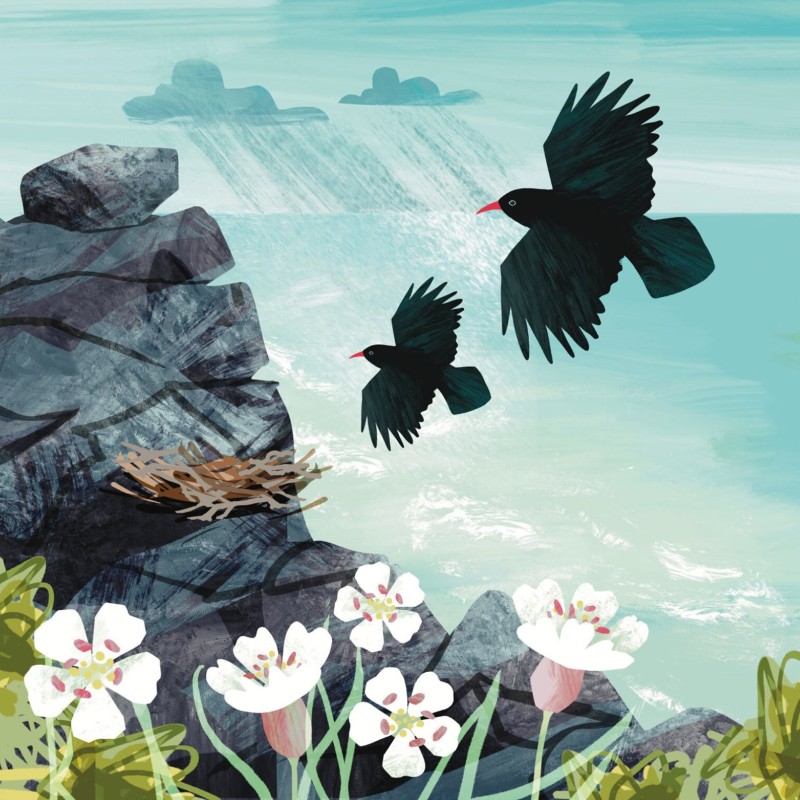
Choughs are unique crows with red beaks and legs. Previously endangered, these birds are now thriving thanks to conservation efforts, and are found in Cornwall, as well as Scotland, Wales and Ireland.
These birds use their long bills to eat beetle larvae and leatherjackets. They have a loud ‘chee-ow’ song, and are mostly found on cliff faces and rock ledges, but also nest in empty buildings.
Known for their dramatic dives and swoops, choughs are monogamous and pair up in bonds that last for life. They are also very faithful to nesting sites, often returning to the same cliffs each year.
Turnstones (strongmen of the coastal birds!)
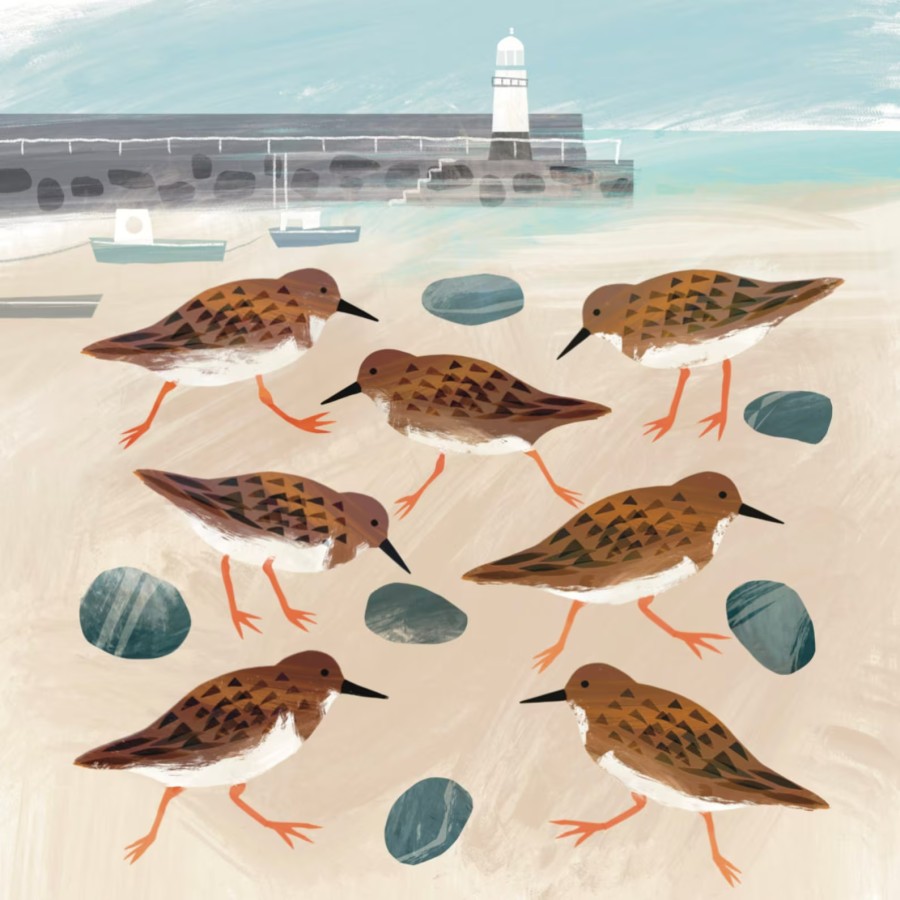
Turnstones are medium-sized sandpipers, often found around rocky shores and gravel beaches. Named after their habit of ‘flipping’ large stones to find food. They are so strong, they can even lift big stones as heavy as them.
They are not native to England, but migrate here at different times. So can be seen throughout the year, depending on whether they have flown from Europe (spring/summer) or Canada/Greenland (early summer or autumn).
Turnstones have beautiful chequered black/chestnut patterns on their backs, with white patches elsewhere. But in winter, they change colour to dark brown with black patterns, retaining white bellies and chins.
Common sandpipers have green-brown backs (rock sandpipers have longer legs than turnstones, and much lighter plumage).
These birds eat a wide variety of food, and have been even known to eat discarded chips, washed up bodies and artificial sweeteners.
So it’s really important to take beach litter with you, as this is a species at risk of eating harmful items left behind (like plastic waste or cigarette butts), believing them to be food for chicks.
Sanderling Coastal Birds (run like clockwork toys!)
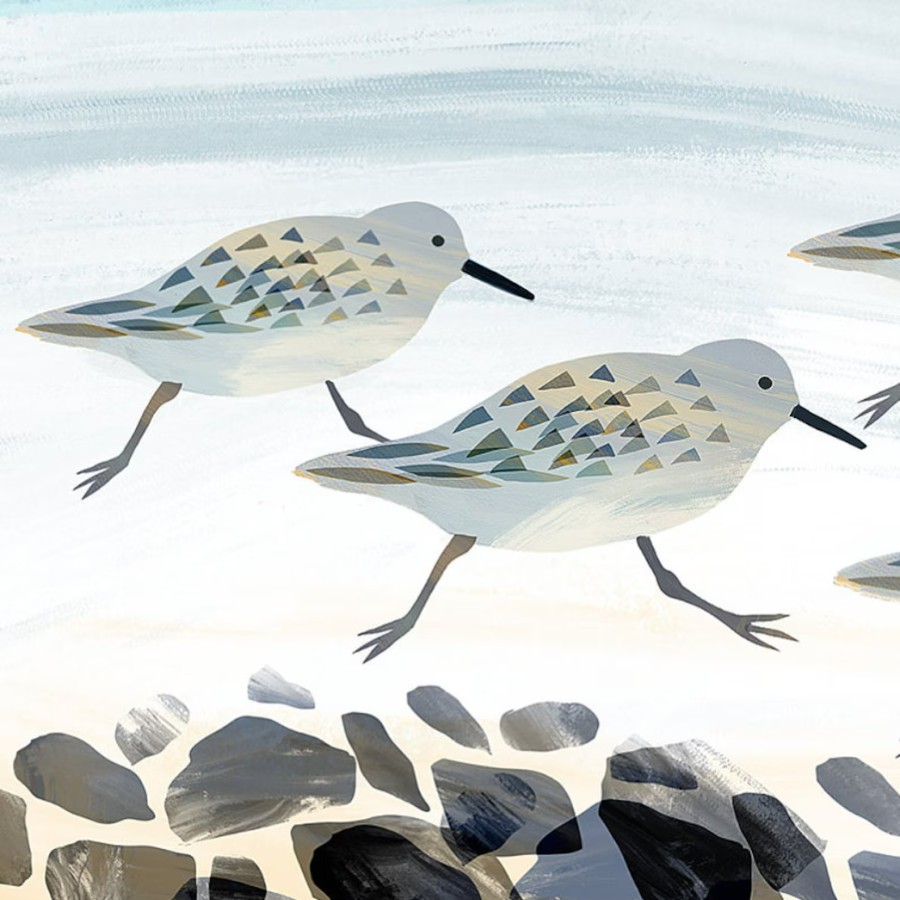
Sanderlings are medium-sized sandpipers that feed in flocks at the tide edge, mostly eating insects, crustaceans, fish, worms and jellyfish.
They are not native to England, arriving from Greenland and Siberia in winter (sometimes on journeys of over 20,000 miles) and also ‘pass’ by during spring/summer migrations.
They are less stocky than most birds and you’ll often see them scampering on their three toes (due to missing a hind toe, wildlife experts say they kind of ‘run like a clockwork toy’).
Currently an ‘amber’ listed species, they are common on the Solent coast, where you’ll find them probing in the mud on sandy beaches for food.
Cormorant Coastal Birds (excellent at fishing)
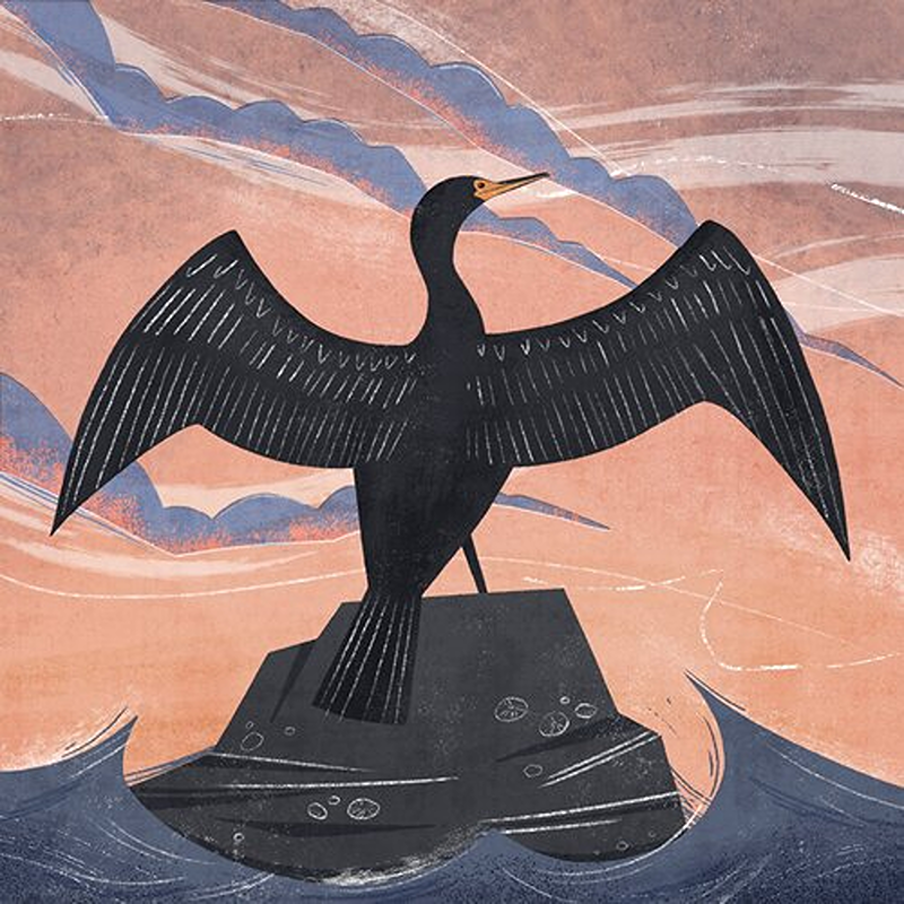
Cormorants are spotted year-round, their feathers are not waterproof so can often be seen stretching out their wings to dry off, after using their excellent fishing skills to dive into the sea.
They use their long hook-tipped bills to swim underwater to eat, and tend to nest on low coastal cliffs or more recently, have started to fly inland to roost in trees (near lakes) and flooded gravel pits.
Large and black with white patches on their thighs during summer breeding, the younger birds are dark brown.
They look similar to (more numerous) shags, but the latter birds are smaller and are not seen away from coastal areas. They also have small ‘tufted crests’ dark green plumage and more narrow bills (with yellow gapes).
Sandpiper Birds: Agile Shoreline Foragers
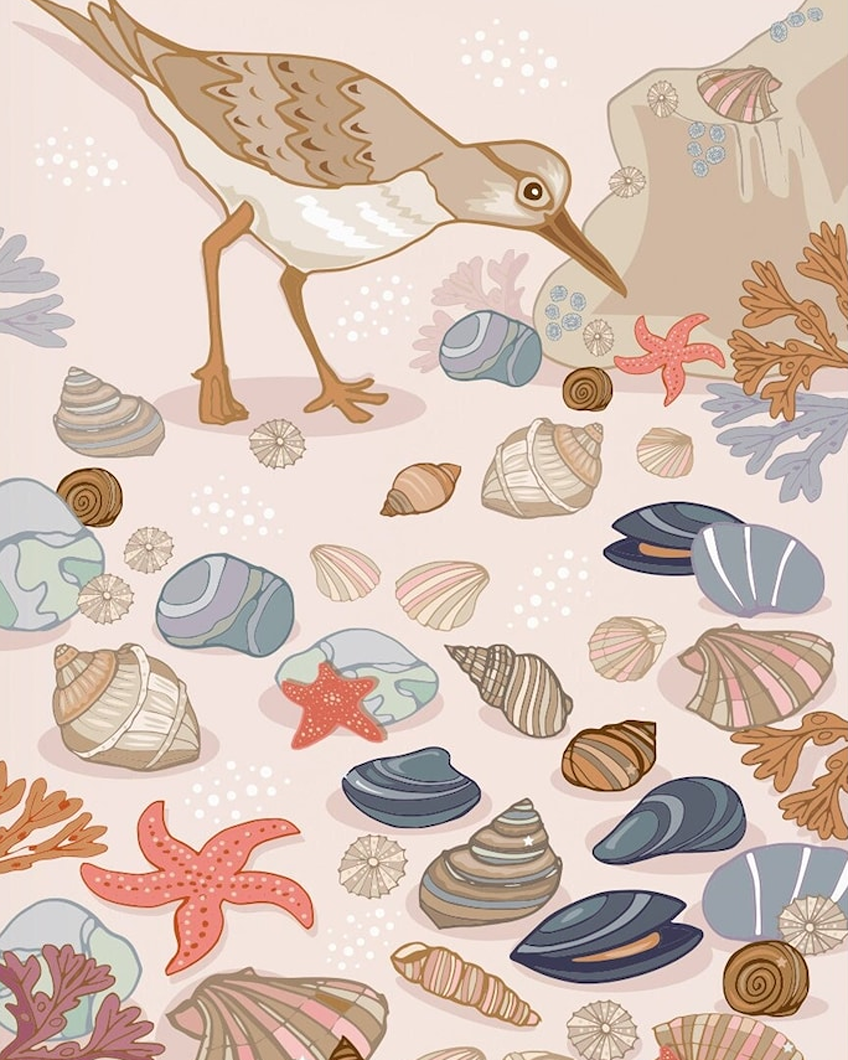
Sandpipers are more likely to be heard than seen, known for their distinctive three-note call. England’s common sandpiper has many relatives, including the USA’s spotted sandpiper (which sometimes visits) and the less common western and least sandpipers.
Sandpipers are beautiful coastal birds, known for their distinctive ‘bobbing’ movement where they move up and down, as they walk along, looking for food by the sea (they also live by lakes and estuaries, but can be found on the coast in southeast England).
This is called ‘teetering’, and sandpiper chicks begin to ‘bob’, almost as soon as they hatch from the eggs. The teetering becomes faster when birds are nervous, but stops if the bird is courting or alarmed.
Meet The Handsome Shag Coastal Bird
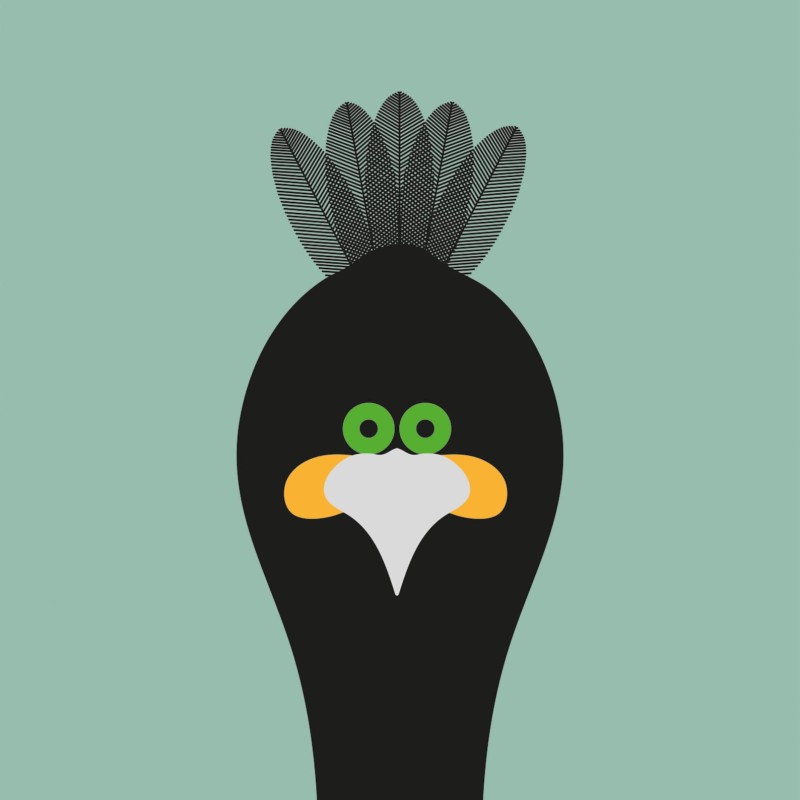
Handsome shag birds are beautiful seabirds (related to cormorants), with glorious green eyes, long black necks and yellow patches around their mouths. They are often called ‘mini pterodactyls’ due to looking a bit like dinosaurs, when they stretch out their wings!
Unlike most seabirds, shags don’t plunge into the sea to fish, but instead leap into the water, then dive down to find food. Like cormorants, their feathers are not waterproof (so they can dive deeper, but they have to dry their wings, after being in the water).
Shag birds like rocky coastlines and build their nests on cliffs using twigs, feathers and even seaweed, all held together by guano (droppings!)