Reuse to Watch or Support Bullying TV Shows

Years ago, everyone on TV shows was nice (remember Bullseye, with lovely Jim Bowen engaging with guests, who were never humiliated, even if they missed the dartboard, and lost the speedboat?)
Today, many TV shows echo social media, offering lazy programmes built on cruel jokes, exclusion and public humiliation. They (sadly) draw big crowds and advertising pounds, creating a society obsessed with bullying, ‘winning’, empty fame and prize money.
It may seem harmless to watch or support such media. But the trouble is that by watching (or even talking about and promoting) such shows, it’s giving ‘quiet approval’ to bullying in disguise.
What we watch and promote, carries real weight, to the kind of society we wish to create. If you care about kindness, the right thing to do is clear: don’t give your support to TV shows that encourage meanness.
Isla St Clair (not impressed by reality TV)

Many people loved The Generation Game TV series a few decades ago, presented by Larry and his beautiful co-star Isla St Clair. She was a Scottish folk singer (she still is! – listen to beautiful songs at her site for free).
However like many, she is not impressed with modern reality TV (from bullying TV shows to ones that millions inexplicably seem to find entertaining). She writes that people long for a light entertainment show that ‘doesn’t involve eating worms or awful revelations that should be kept indoors’.
A view shared by TV wildlife presenter Chris Packham. He recently wrote an open letter to Ant and Dec, asking them to not promote a show where native creatures are scared (or eaten) for ‘entertainment’.
Each year, Ofcom receives thousands of complaints about the ‘I’m a Celebrity’ show, which also disrupts local ecosystems (these are creature that in nature, would be food for other creatures).
The programs also sends the message that insects are of no value. In fact, insects vital to ecosystems (and likely a more important range of species than humans!)
Understanding Bullying in TV Shows
If you were ever bullied at school (or in the workplace), you will know the deep lasting damage that it can do. Sometimes for life.
But bullying on screen (just as in real life) wears many masks. It’s more subtle than stealing someone’s lunch money. Sometimes it’s a clever ‘dig’ at someone else’s expense, or contestants ganging up on someone, for cheap laughs. Often it’s mockery dressed up as ‘banter’.
It’s not just ‘harmless fun’ to promote such programs. The producers go out of their way to ensure people are humiliated, and supporting them means you are encouraging them to do more of the same.
It may not affect you, but the after-effects will harm others.
Bullying on Popular Reality TV Shows
Bullying on TV doesn’t always involve shouting or physical fights. Sometimes, it’s hidden as jokes, clever editing, or competitive strategy.
- Britain’s Got Talent: Judges often embarrass contestants. They laugh at talentless acts or make cutting remarks, all while the crowd jeers.
- Come Dine With Me: Sarcastic voiceovers and contestants mocking each other over meals might seem funny, but it usually ends with someone feeling isolated and ridiculed. Interestingly, the European versions of this show are good, with everyone being nice and pleasant to each other .
- Big Brother: Housemates face constant public judgement and pressure. Tasks and arguments are designed to trigger fights and embarrassment.
- The Traitors: The format pushes players to isolate, deceive, and shame each other. Hostile whispering and plotting, leads to cruel behaviour. It spills over into real life, when people forget that honesty is a require character trait for decent people in everyday life.
And the obvious too – all of these programmes are unoriginal, non-creative and incredibly boring!
Choosing Better (nice!) TV Shows

Although most TV these days seems to be either rubbish or bullying or both, the odd decent program is worth watching, like Michael Portillo’s Great Railway Journeys on BBC4.
He may not have been popular as a politician, but since giving up politics and launching into travel programmes, his popularity has soared.
Always polite, nice and enthusiastic, his programmes that follow an ancient book on railway journeys across England (and abroad) make for compulsive viewing:
A little over a year ago, I confessed I couldn’t stand Michael Portillo (Great Continental Railway Journeys) who dressed like an early 1990s gameshow contestant. It pains me to admit this, I got it wrong.
He is a weirdly compelling host. At one point, a woman kisses him on the cheek and he turns to camera and shouts ‘CHOO CHOO!’ at the top of his voice, like the horny wolf from the Tex Avery cartoons.
So fine, I got it wrong. And I hope he never stops making these shows. Stuart Heritage

Same with the delightful Susan Boyle. If you don’t already know and love her, you will after watching one of her travel shows. A former lawyer on Death Row in the USA (her late father was the Scottish equivalent of Chris Whitty), she gave it all up to make us laugh. And also wrote a wonderful book on kindness.
Be kind to others. But above all, be kind to you. You deserve it. You can be Wonder Woman if you want to. I know I am. Susan Calman
The Lasting Appeal of Chief Inspector Morse
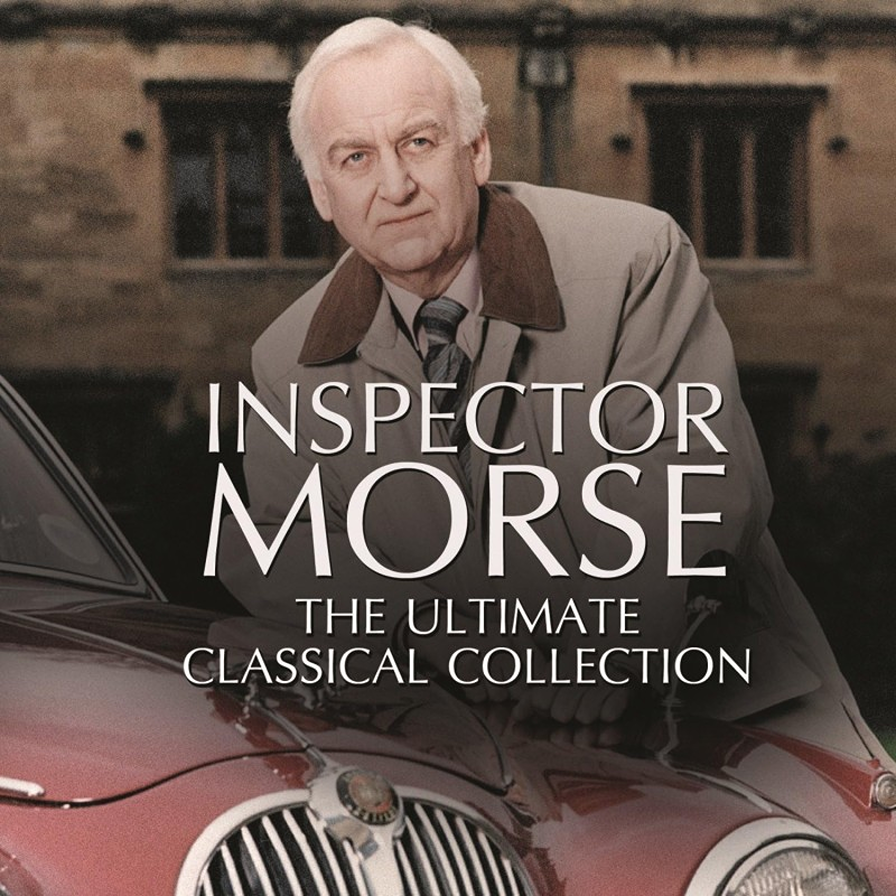
Inspector Endeavour Morse, created by novelist Colin Dexter (who like Alfred Hitchcock, always made a silent cameo appearance in each episode), was an Oxford-based fictional detective, known for his intelligence and quirks.
Morse stands out from most detectives because he often lets his emotions guide him. Born into a Quaker family (hence his hidden first name – Quakers often call children after aspirations – Hope, Faith, Charity etc), he became the most popular TV detective in the 1990s.
He loves opera, enjoys crossword puzzles, and rarely shares much about his past. These layers give him depth and make him hard to pin down, adding to his appeal. He never marries, but is a hopeless romantic.
The Inspector Morse TV series first aired on ITV in 1987, running for thirty-three episodes until 2000. John Thaw played Morse, capturing the detective’s mix of prickliness and humanity.
Handsome John Thaw looked older than he was due to his white hair (he was 44 when filming began, and only 60 when he died).
When the series ended, John refused the offer of the famed red Jaguar, saying ‘it was too slow and terrible to drive!’
Shows like these, prove that kindness sells (think of Sir David Attenborough’s shows). Real talent and personality – means bullying, nastiness, ghosting and gossip are never needed, to entertain.
Once upon a time, we solved crime with a brain and a notebook. These days it’s pie charts and a notebook. The romance is gone. Chief Inspector Morse