Responsible Tourism (and avoiding ‘over-tourism’)

Whether you’re vegan or not, many tourists prefer to eat plant foods abroad, to avoid dodgy foods. For example, some Norwegian cruise ships list ‘steak’ (to not let people they are eating whale). And you have other items like shark fin soup or meat from wet markets.
If you’re travelling abroad, get a copy of the little Vegan Passport (also in app form). Not only does this have all the needed phrases in most languages, but it contains pictures if you get stuck!
VGML is the international code for a vegan meal at the airport (nice too, as it’s outsourced to people who can cook!)
Or to be puritanical, order a FPML (fresh fruit platter).
Do you know the most vegan-friendly countries on earth? You’d be surprised. Top of the list is Germany (Berlin is the world’s most vegan-friendly city) due to a strong health food culture. Other vegan-friendly countries are Israel, the USA, Australia and yes England.
A lot of food say in Asia is naturally vegan. Popularity of vegan cuisine tends to be by age – ie. it’s mostly the younger generation that have a higher percentage of plant-based lifestyles over older people.
- The Vegan Stay generates donations to animal sanctuaries
- Vegvisits is the plant-based version of airbnb
- The Nomadic Vegan is one of several good blogs
This blogger has taken it upon herself to produce a chart on how to say ‘I’m vegan’ in 100 different languages. Just look up where you are going, write it down, and learn to pronounce the phrase! A few easy ones are:
Ich bin vegan (German)
Soy vegana/vegano (Spanish)
Sono vegana (Italian)
Je suis vegan (French)
Ik ben veganist (Dutch)
Vegan Linguists is a service where volunteers will translate your content for free, ideal if you are trying to sell plant-based goods to other countries.
Or you run an organisation and want your content to be read by people outside your country (or within your country, by people who speak a different mother tongue).

It’s not realistic to suggest everyone give up flying, even though climate change experts say that one of the top nine ways to stop climate change is ‘fly less’. Or don’t fly at all. But if you travel by air for an annual holiday or regular business trips, there are a few simple swaps you can make, to drastically reduce your carbon footprint.
Fly Less
This is the obvious one. If you can take the train, then do so. Nobody is suggesting you go by rail to New Zealand. But say you travel to Europe, it’s easy to get there by ferry and/or train (the main train station at Amsterdam can get you nearly anywhere in Europe in a few hours).
Domestic train travel is expensive. So use Split My Fare to drastically reduce your fares, by purchasing separate tickets (the site does all the work for you, sometimes reducing ticket prices substantially).
Fly Direct (if you can)
Again nobody is saying to fly direct to Australia! But if it’s a short flight, try to take direct flights. This is because most fuel is used for take-off and landing.
Fly Economy on Short Flights
All of us would prefer to fly Business or First Class on longer flights, simply because you have more legroom and get better sleep.
But if you fly short-haul, then choose Economy Class. This is because the less planes in the sky, the better. And sometimes a short-haul flight may only have a few Business Class Seats. In short, economy planes put ‘more bums on seats’, so there are less planes needed.
Take Public Transport to the Airport
If you can, take the bus or train to the airport, rather than give airports more profits, by paying a small fortune to park at the multi-storey car park. If you have to take your car, then use Just Park, an app that lets you park in driveways or garages (or unused office car parks) of local people.
This way they earn some passive income, you save some money, and the big car parks don’t charge you more than your holiday, just to park your car for a week or two.
Take Your Own ‘Everything’
Make your own sandwiches, take a reusable water bottle, and pack some hankies (to avoid the plastic-wrapped ‘wet towels’). The more people refuse over-packaged junk food, plastic drinks and tiny bags of pretzels, the less they will be offered.
On the same note, often airports have delays, and you’re waiting around a long time. So pack a good book to pass the time, rather than pay over-priced charges for magazines and other stuff in airport shops.
Order a Vegan Meal
Even if you’re not vegan, order a vegan meal (24 hours in advance – code VGML – or FPML for a virtuous fruit platter). These meals are not just kinder and have less carbon footprint. But they are farmed out to special chefs who can actually cook, so will taste better too!
Boycott Airlines that Fly Kidnapped Wildlife
A few airlines (mostly outside of Europe but at time of writing this includes SAS Scandinavian Airline) still take money to fly kidnapped wild animals to vivisection labs. Send a message, and boycott these airlines, until they stop.
On a positive note, Easy Jet refuses to promote tours that include animal ‘entertainment’. And Qatar Airways offer free flights, to fly captive animals back to their wild homes, say in protected sanctuaries in Asia or Africa.
Donate Air Miles (and Luggage Allowance)
Good Flights lets you donate unused air miles, which are used to help transport abused or homeless pets (often after natural disasters) to shelters or new loving homes.
If you’re a regular traveller to Thailand, you can use your luggage allowance to help Soi Dogs transport street dogs (that never find homes locally) to new loving homes, to save the charity the cost.
Leave Companion Animals at Home
Flying is very stressful for companion animals. Vets say they should not be tranquillised, as it can be dangerous. Obviously if you are emigrating (or it’s an emergency situation) that’s different. But for the most part, find someone you trust to leave pets at home, if you have to fly somewhere.
If you need to fly with animals, PetAirUK is run by vets, and has comprehensive and reassuring information, should you need it.
A Quick Overview of England’s Airports
Heathrow (which is actually made up of three villages) is by far England’s busiest airport, followed by Gatwick. There is present controversy over plans for a third terminal at Heathrow, which locals don’t want. The new Labour government is likely backing the plan that will cost cost billions of pounds.
Heathrow is the second most polluting airport in the world (after Dubai International) and the most polluting place in England.
If you live near Heathrow and are affected by noise, the website has information on how to apply for financial help to insulate (or even move home). You can also report damage to your roof from fallen ice or vortex (swirling air).
Although most Heathrow flights are long-haul, one popular destination is Dublin. The Man in Seat 61 suggests a leisurely train ride up to Holyhead, then a nice ‘ferry cruise’ from Holyhead to Dublin.
He says the ship is ‘rock steady’ which is progress from the past, when it was a notoriously seasick-inducing trip, with ‘waves flying past the window’.
But he says the trip is a treat, with the ferry hardly ever having missed a sailing. And you can upgrade to sail in style, with wine and canapés! Alternatively, you can take a (longer) ferry trip from Liverpool.
Heathrow Airport has a long history of incidents including the arrest of the man who shot Martin Luther King Jr (he was trying to leave the UK on a false Canadian passport). And of course the flight that was blown up over Lockerbie, was on a journey to New York from Heathrow.
Please, No Second Terminal at Luton
There is also concern over plans to build a second terminal at Luton Airport, which will again cause more pollution and noise, and also impact wild orchids and ancient hedgerows (the natural home of hedgehogs).
These would be covered in concrete, to build more aircraft hangars and car parks. The town of Luton has a tradition of hat-making. Considering the airport does not have good reviews, it may be best to focus again on making hats!
England’s First Green Electric Airline?
Eco entrepreneur Dale Vince (founder of Ecotricity) is soon to launch EcoJet, the world’s first ‘electric airline’ that will retrofit existing planes with hydrogen energy, for massive CO2 emission reductions
Flights are due to start from Edinburgh to Southampton, then to mainland Europe and eventually long-haul. The airline will serve vegan meals, crew will wear organic uniforms and no single-plastic items will be used.
If you immediately think of that airship in the 30s that exploded, apparently it’s more complicated than that. Experts say that hydrogen is safe if done well. The bigger problem will be opposition from the oil industry.
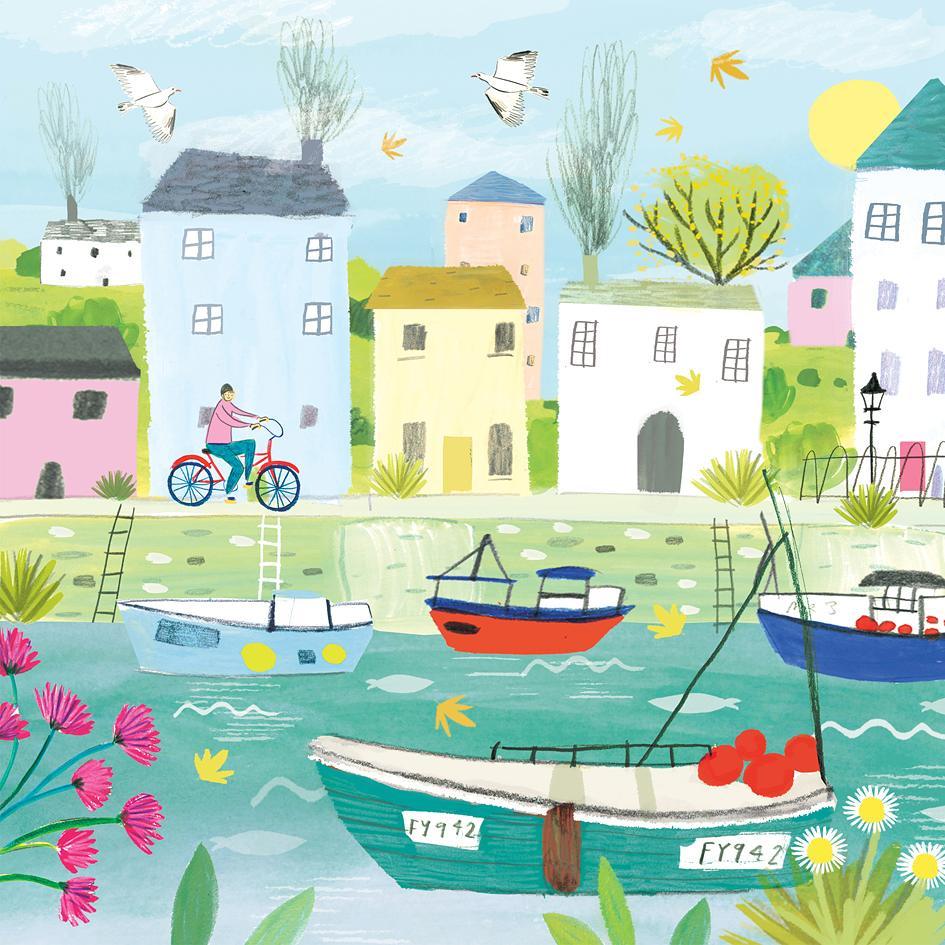
Modern coach services are way more affordable than train travel, as long as you don’t mind a longer journey. Sometimes coaches don’t reach your exact destination, so you may need to add an extra bus or train trip. Modern coaches are wheelchair-accessible and equipped with air-conditioning, comfortable seats, toilets and wi-fi.
Unlike most bus and train services, most coach companies don’t accept pets (except for assistance animals). Check before travel.
Affordable Coach Travel Services
- National Express offers affordable trips nationwide. These coaches are fully accessible with lots of legroom, on-board toilets, air-conditioning and free wi-fi. Drivers are not allowed to start engines, until they pass alcohol breath tests.
MegaBus offers hundreds of journeys each week to the major cities, again at affordable prices. This company has removed some seats to give extra legroom (reserve on booking) and also offers air-conditioning, free wi-fi and charging points.
Coach Trips for Disabled Children
Sunshine Coaches are specially adapted coaches for disabled children, to take them on seaside trips and other fun days out.
Non-profits and schools can apply for a sunshine coach, that is designed to last years.
Coach Holidays in England and Beyond
Shearings offers good-value coach holidays in coaches with reclining seats, air-conditioning, reclining seats and tinted windows (with curtains and overhead lights).
Prices are very affordable with breaks nationwide (Cornwall, Brighton, Bristol). We found a couple of 3-day bed-and-breakfast Northumberland and Lake District holidays for under £200.
Long-Distance & International Routes
Coaches aren’t restricted to short trips. They open doors to European adventures too. FlixBus offers coach trips from England to 3000 destinations, to cover most of Europe.
We booked a dummy trip from London to Paris that came up at less than £35 (plus a £1 service fee). For an extra £18 you can travel ‘neighbour-free’ if you don’t want to be stuck next to a motormouth!
BlaBlaCar is a car-sharing company in Europe, which also runs alongside a service where you can book buses throughout Europe, from London (Green Line, Hammersmith, Stratford or Victoria): You can book buses for around £20 to:
- Amsterdam
- Antwerp
- Bruges
- Brussels
- Calais
- La Haye
- Lille
- Paris
- Rotterdam
- Utrecht
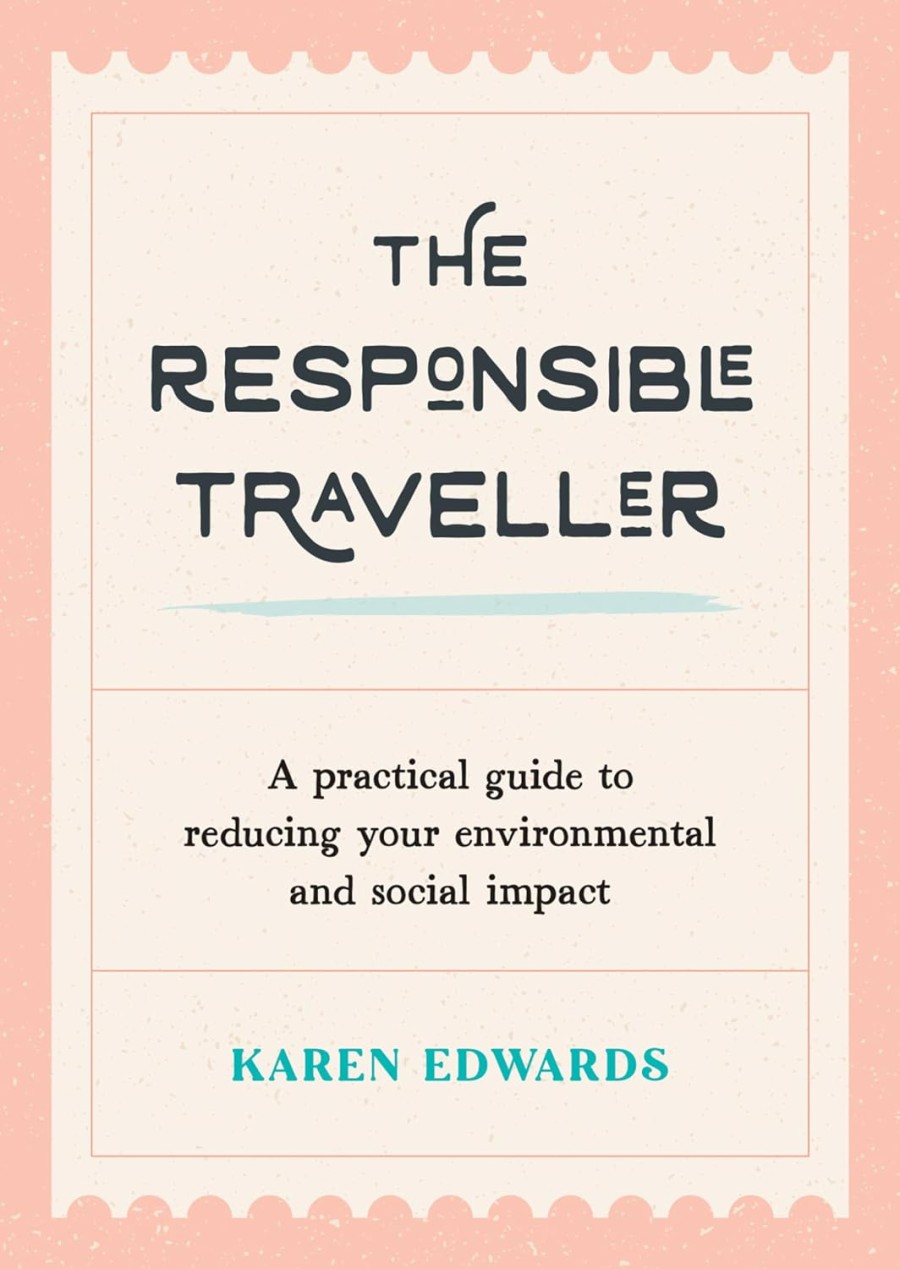
The Responsible Traveller is a book to help you navigate travel, while being kind to the planet, ecosystems, wildlife and people. And also respecting local cultures. Learn about the environmental and social effects of tourism and gain a deeper understanding of cultural sensitivity. Learn simple tips and lifestyle changes to make a difference to reduce your impact.
Never accept rides anywhere while abroad (or in England). Report animal abuse abroad to local tour operators, the police and submit reports to Born Free Red Flag. For coastal areas, read how to keep dogs safe by the seaside.
The Green Edit (Travel) is another super little guide, from knowing which plane to take to avoiding the mini-toiletries trap. If you wish to still travel abroad, this is the book for you. It doesn’t mean never taking another flight or spending holidays camping in your back garden.
Don’t Drop Litter
Always follow the Countryside Code. You wouldn’t want someone dropping litter in your house and garden, so don’t do it on someone else’s patch. Avoid use of single-use plastic.
Travel Off-Season
Encourage staggered off-season travel, so hotels and guest houses receive income year-round. Rather than in a short season, which creates too much traffic and noise.
Avoid Tourist Hotspots
Consider booking in less touristy areas with small independent guesthouses. These are quieter, and likely more relaxing to rest explore.
Also stay a bit longer to really get to know somewhere, rather than whizzing in and out of a night or two. Booking local with a bed-and-breakfast also avoids roads clogged with coach parties.
Use Public Transport
If possible, this is good to avoid clogging roads with traffic (many big hotels also charge a fortune for parking, so you’ll also save money). This also helps to encourage councils to invest in better bus routes.
Treat and Pay Hotel Staff Well
Top London hotels (that charge thousands for just one night) often pay minimum wage to staff, with shoddy accommodation. Clean for Good pays staff the higher voluntary London Real Living wage (and uses Delphis Eco cleaning products to protect health of its staff, as well as the planet).
Consider a Tourist Tax?
Venice has banned loud speakers, and is bringing a ‘tourist tax’ to fund litter clean-ups. Barcelona is planning the same (council workers have to empty dustbins 14 times daily). And in Tuscany, action is being taken on cigarette litter that has led to wildfires.
Ban Short-Term Letting?
The mayor of Florence has banned short-term lets, to bring down property rental prices for residents. The same is happening in St Ives (Cornwall), where second-homes lay empty for most of the year, while locals are priced out of the housing market.
Simple Swaps for Responsible Tourism
- Choose train travel over plane travel if possible.
- Or at least be greener at the airport!
- Reuse towels, switch off lights and air-conditioning when you leave.
- Donate to local animal shelters, to help with spay/neuter programs, to prevent overpopulation.
- Respect wildlife and natural spaces – leave only footprints. Never touch or feed wild animals, and avoid buying dodgy souvenirs.
- Learn of local cultures and customs (language, greetings, respectful dress). Ask before taking photos, especially in private spaces or religious buildings.
How Countries Abroad Handle ‘too much tourism’

Although tourism is good for local income and jobs, it’s out of hand in many places (the Lake District, Bath city and Stratford-upon-Avon – due to the Shakespeare connection).
The Cotswolds village of Bourton-on-the-Water has residents concerned over ‘TikTok visitors’ who descend to take selfies with beautiful backdrops. But leave litter behind, having no appreciation of local nature and heritage.
The same is happening abroad. Many popular tourist cities (Venice, Rome, Paris) are all taking action, fed up of tourists descending on their homes to buy junk. Then taking tours operated by outside companies, so not even supporting local jobs.
In Barcelona, locals have taken to the streets to ‘tell tourists to go home’. This beautiful coastal city can have 35,000 people descend from cruise ships all at once onto one main street. To buy tacky souvenirs, then off they go off to their next destination.