Save The World’s Rainforests, Jungles & Deserts
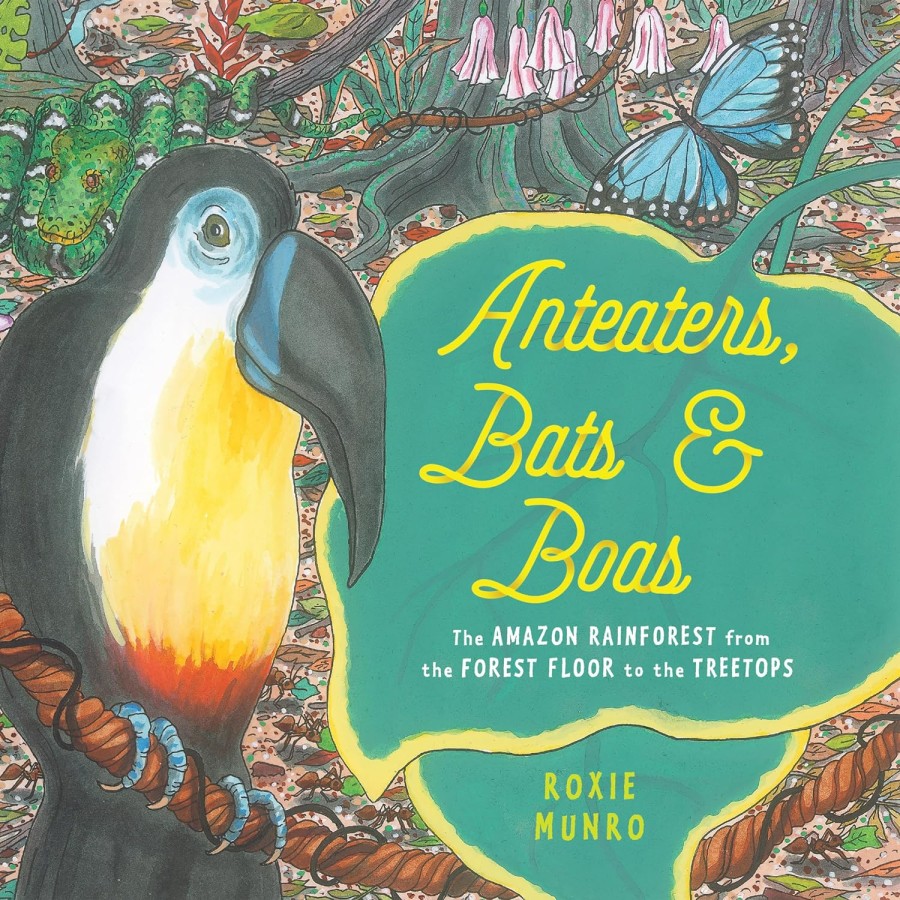
We all know that the Amazon rainforest is important, but there are also other rainforests in Indonesia, the Arctic (a temperate rainforest) and also England and Ireland have rainforests too. More on them below.
The Amazon rainforest is mostly in Brazil, but also spreads across other countries: Bolivia, Peru, Ecuador, Colombia, Guyana, Suriname and Venezuela).
This forest is the ‘lungs of the planet’ (due to giving out so much oxygen from trees), and is home to a third of the world’s species, and tens of thousands of species of plants and trees.
It’s also home to many native tribes, who have never met humans. So going into their territory could harm them (they could die from a common cold, due to no immunity).
Anteaters, Bats and Boas takes young readers on a journey through this noisy and colourful ecosystem. Meet macaws, snakes, monkeys, sloths and anteaters, and learn about the four layers of the Amazon rainforest, from the forest floor the canopy.
Fighting Climate Change
Rainforests store a massive amount of carbon in their trees and soil. Cutting them down releases this carbon into the air. This pushes up greenhouse gases and makes global warming worse. Keeping rainforests standing is one of the best ways to hold back climate change.
Home to Endangered Species
Rainforests house more than half of the world’s plant and animal species. Some, like jaguars in South America or orangutans in Borneo, cannot survive elsewhere. Destroying these forests puts thousands of rare animals and plants at risk. Losing them forever means throwing away irreplaceable sources of food, medicine, and knowledge.
Protecting Unique Birds and Flowers
Rainforests are alive with birds like macaws, toucans, and parrots, some found nowhere else. The variety of flowers is endless, each playing a part in the forest’s web of life. Destroying these habitats means losing colours and sounds that can never come back.
Shelter for Native Tribes
Countless people have lived in rainforests for thousands of years. Native tribes depend on the forest for food, medicine, and culture. When forests fall, so do entire ways of life. In Brazil and Peru, slash and burn farming and cattle ranching push people out of their homelands.
A World of Reptiles and Amphibians
Frogs, snakes, lizards, and other reptiles fill rainforest streams and canopy. Many of those species haven’t even been named yet. Their survival depends on damp, stable environments that only forests provide. Deforestation drives them to extinction before we even get to know them.
Medicine from Rainforest Plants
Over a quarter of medicines come from rainforest plants, including treatments for cancer, malaria, and infections. Scientists still discover new cures in these forests. Cutting down rainforests shuts the door on future discoveries that could save countless lives.
Water and Weather Protection
Rainforests help keep rivers flowing and weather cycles stable over huge areas. Areas far away, even British farmland, get steady rain because rainforests release moisture. Losing them leads to longer droughts, deadly flooding, and unstable growing seasons.
Wildlife Corridors for Survival
Rainforests act as safe highways for elephants, jaguars, and big flocks of birds. When these corridors break, animals get trapped in shrinking patches and die out even faster. Linking up these wild spaces keeps species alive and helps keep disease in check.
Saving Rainforests at Home
England and Ireland both hide rare temperate rainforests along their weather-beaten coasts. These forests store carbon, soak up rain, and shelter rare mosses, lichens, and birds. Keeping them safe helps fight both local floods and global climate change.
Stopping Destructive Farming
Much of the destruction in Brazil, Peru, and other countries is driven by demand for rainforest beef and soy. Supporting rainforests means choosing food and products that don’t drive forests to the ground. When we protect rainforests, we support farmers who look after, not clear, these valuable lands.

It’s estimated that the Amazon rainforest produces around a fifth of the world’s oxygen. Yet a fifth has already been lost to logging (for timber), rubber (for car tyres) and food (trees cut down for both cattle grazing and soy production – most used for animal feed).
Obviously anything made from wood comes from trees, and a lot of wood is from abroad. So protect habitats for all species, try to choose recycled or reclaimed where possible (or tree-free). Read our posts on eco-friendly:

If you eat it, buy sustainable soy (Tofoo and Oomph are good brands that don’t affect rainforests.
Who is Buying Beef from Brazil?

Around 80% of Amazon forest has been destroyed to create pasture land for cattle used to sell as beef (the main marks are China and the US – in 2021, major fast food chains bought most of it for western consumers). The UK and Ireland also buys Brazilian beef (usually as corned beef).
If you eat beef, choose organic free-range from local farmers.
Deforestation Concerns in Peru’s Rainforests
Peru is the third largest country in South America, home to the ancient Inca culture (ancient Inca culture (Machu Picchu is an ancient citadel in the Andes mountains). And also home to most of the world’s alpacas (many people live on floating islands made from grass).
Why are Peru’s mountains coloured like rainbows? It’s simple minerology that creates a marble effect with weather, environment and sedimentary deposits.
Like in England, potatoes rule Peru! Everything’s about the humble spud, it’s the most popular dish by far. With over 4000 varieties growing in the highlands, even in yellow and pink versions, and there is a National Potato Day!
Of great concern is a recent law that has forgiven all illegal logging, which some think will give a green light to both the logging and cocaine industries.
Recently two park rangers have been killed, echoing that of fellow environmentalist Paulo Paulino Guajajara, who was shot in the head in Brazil, for defending his rainforest home from loggers.
Just before he died (he had been threatened several times), Paulo wrote:
We are protecting our land and the life on it: the animals, the birds. These people think they can come into her our home, and help themselves to our forest. No, we won’t allow it. We don’t break into their houses and rob them, do we?
Rediscover The Lost Rainforests of Britain
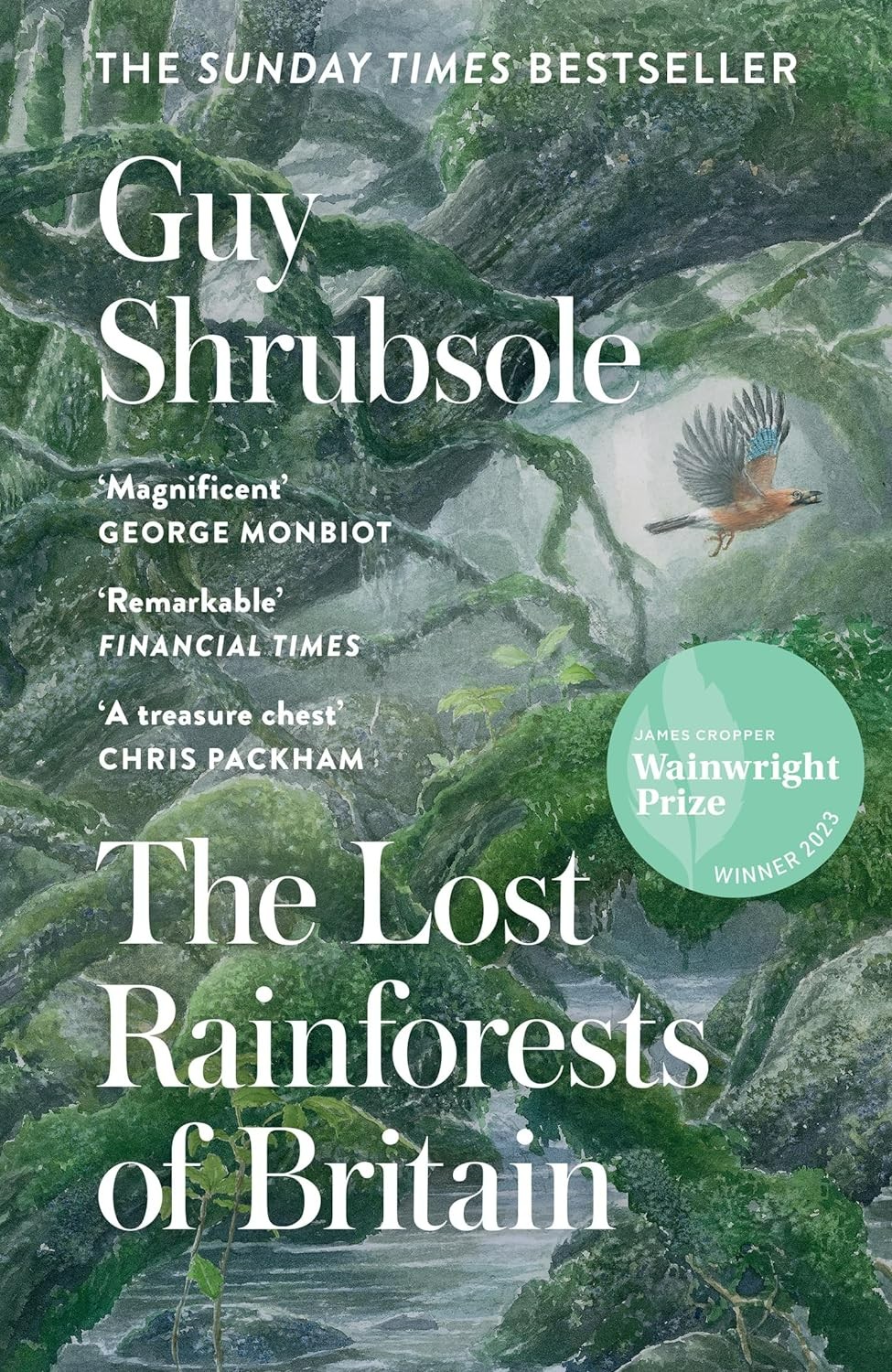
The Lost Rainforests of Britain is an award-winning book about the temperate rainforest that may once have covered a fifth of our land. Environmental writer Guy Shrubsole travels through the Western Highlands and the Lake District, down to the rainforests of Wales, Devon and Cornwall to map these spectacular lost worlds for the first time.
England does has many temperate rainforests (wet and mild which create canopies for woodland birds), which are as endangered as the Amazon rainforest. They are found in Devon, Cornwall and Cumbria.
Jay birds love acorns, so bury them in temperate rainforests. But they often forget where they put them, so they grow into new oak trees!
An Inspiring Personal Journey of Rewilding
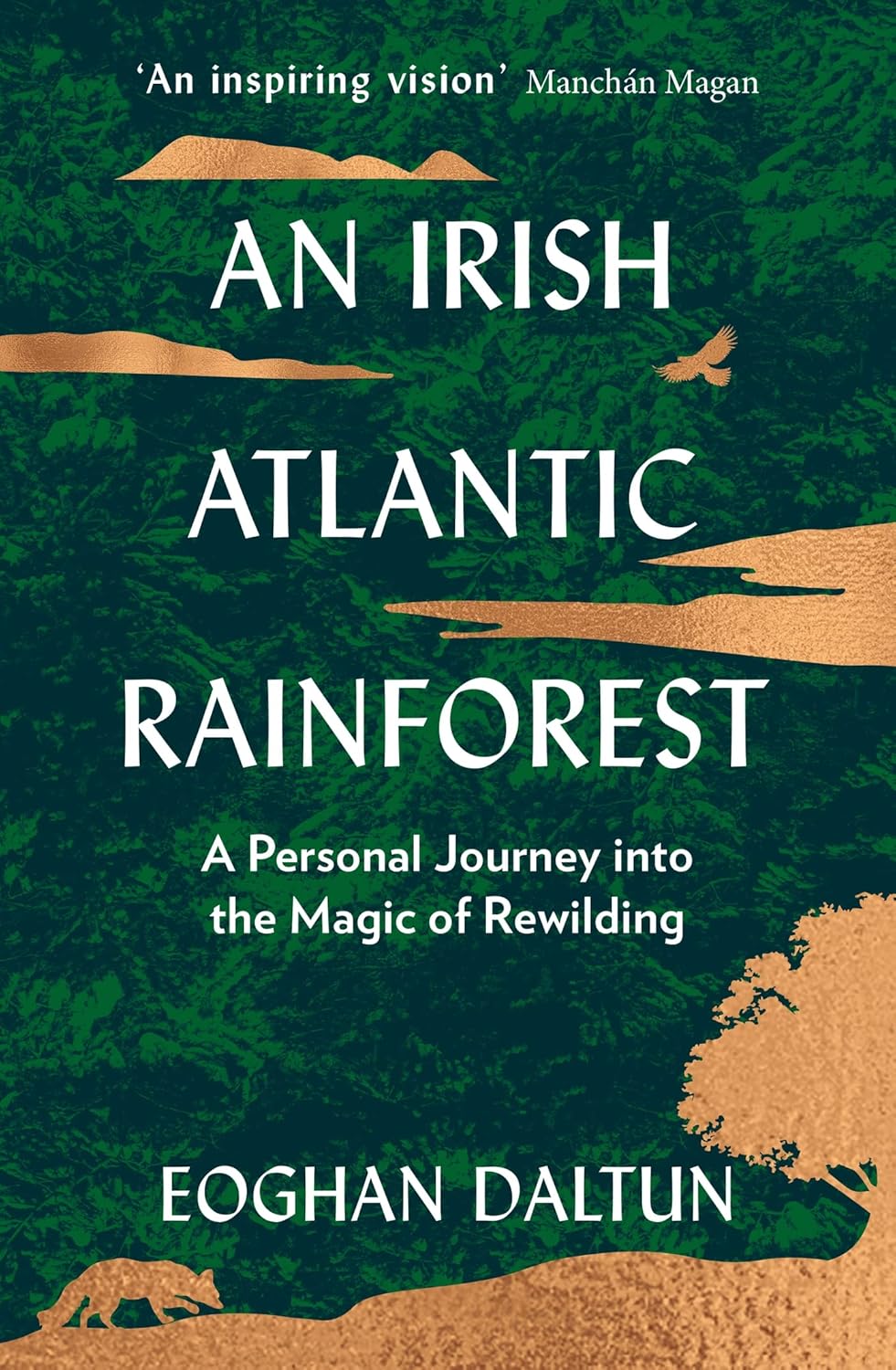
An Irish Atlantic Rainforest is another award-winning book, by a man who rewilded a 73-acre farm he bought, on the Beara peninsula.
This is a story more of doing nothing than taking action – allowing natural ecosystems to return and thrive without interference, an in doing so, heal an ailing planet.
Reasons to Save The World’s Tropical Jungles

Tropical jungles are some of the most vibrant, diverse places on Earth, packed with life and natural wonders. They play a huge role in keeping the planet healthy, providing homes for countless creatures and giving us resources we often take for granted.
Their beauty and importance reach far beyond their borders. Here’s why saving the world’s tropical jungles helps everyone.
Home to Endangered Species
Tropical jungles shelter rare and endangered animals that can’t be found anywhere else. Some of the world’s most famous creatures, such as orangutans, jaguars, and gorillas, rely on these forests for survival. Every year, many new species are discovered in these dense green habitats.
Clearing jungles puts whole populations at risk by taking away their food, shelter, and safe spaces. Protecting their home offers the best chance for these animals to thrive.
Natural Defence Against Climate Change
Tropical jungles act like the Earth’s lungs by absorbing large amounts of carbon dioxide. Tall trees and thick layers of leaves soak up greenhouse gases and store carbon for years. When forests are cut down or burned, carbon is released back into the air, speeding up climate change.
Looking after these forests helps balance our climate and slow rising temperatures.
A Source of Medicinal Plants
Many of today’s medicines come from jungle plants. Hundreds of wild plants, roots, and fungi are used to treat everything from fever to cancer. Scientists keep finding more ways these plants can help people.
If jungles disappear, so do possible cures and key ingredients for treatments we haven’t even found yet. Keeping jungles alive means more chances to fight disease and save lives.
Here’s a quick table that highlights some well-known medicines sourced from tropical jungles:
- Quinine is from the cinchona tree, and treats malaria.
- Vincristine is from the rosy periwinkle and treats cancer.
- Morphine is from the opium poppy, to treat pain
- Digitalis is from foxgloves, to treat heart conditions
Birds of Every Colour and Song
Birdwatchers travel the globe to see the fantastic birds that live in tropical jungles. Parrots, toucans, hummingbirds, and hundreds more fill the trees with colour and sound. Birds help control insects and spread seeds, helping keep the forest healthy.
When forests shrink, bird numbers drop and the balance of nature in these areas weakens fast.
Lifelines for Marine Creatures
Tropical jungles link directly to rivers, coasts, and seas. Their trees and plants keep riverbanks strong, stop soil from washing away, and protect coral reefs and fish habitats downstream. Without jungle cover, muddy rivers can poison life in the ocean. Saving these forests helps keep both freshwater and saltwater life safe.
Zones for Snakes, Frogs, and Reptiles
Jungles are packed with reptiles and amphibians. Bright-coloured frogs, chameleons, and rare snakes find the shelter and food they need here. Many of these cold-blooded creatures have nowhere else to go if the canopy falls. Clearing their habitat causes numbers to drop fast and puts unique species at risk of being lost forever.
More Biodiversity Than Anywhere Else
Tropical jungles are bursting with diversity. In just one square kilometre, you can find more plant and animal life than in most countries combined. This rich web of life helps the whole planet, as every species plays a part in nature’s balance. Once a species goes extinct, it can upset food chains and even change how whole forests work.
Trees That Give Us Air, Water, and Shade
The trees of the jungle do more than provide wood. Their leaves filter the air, their roots keep rivers clear, and they offer cool shade for animals and people. Local communities depend on these forests for clean water, fresh air, fruits, and building material. Strong, healthy forests create jobs and support farming by keeping soils rich.
A Last Refuge for People and Culture
Millions of people live in and around tropical jungles. Indigenous groups depend on the forest for food, homes, and traditions. Jungles hold stories, languages, and knowledge passed down for thousands of years. Destroying a forest often means losing cultures and wisdom that may never return.
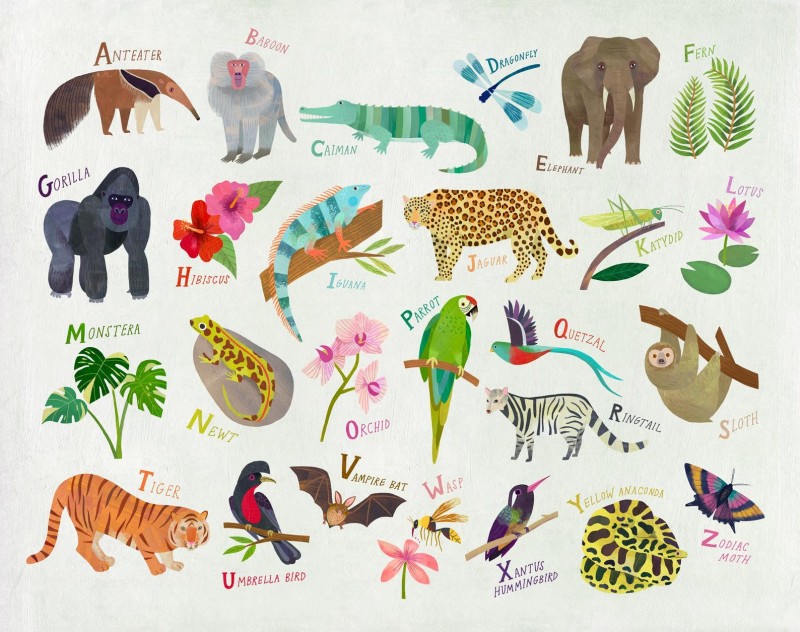
Jungles are a bit like rainforests, but instead of having a canopy floor, these let light in to make plants grow, and different types of creatures live in them. In fact, there are so many plants in a jungle, that it would sometimes be difficult to walk in it!
That’s why a lot of jungle animals live in trees (monkeys and even big cats climb trees). Mostly found in central and South America (just like most rainforests), they are nearly all near the Equator so you won’t find any in England!
Jungles Hold an Amazing Variety of Life
Some common creatures that live in jungles are:
- Jaguars (big cats)
- Tigers
- Howler monkeys
- Cobras
Just as with rainforests, the best way to preserve these huge carbon sinks, is to live a simple sustainable life (avoid palm oil, plastic and choose reusable over disposable).
Obviously anything made from wood comes from trees, and a lot of wood is from abroad. So protect habitats for all species, try to choose recycled or reclaimed where possible (or tree-free).
Tropical jungles are some of the planet’s richest natural treasures. You’ll find these lush forests in regions like the Amazon Basin, Central Africa, Southeast Asia, and the Pacific Islands. They are home to more plants and animals than almost anywhere else on Earth.
A Safe Place for Rare and Endangered Species
Tropical jungles act like a giant safety net for wildlife that struggles to survive anywhere else. Many animals and plants that live here are already rare or in danger because people are cutting down their homes or hunting them.
Some examples include:
- Jaguars (Panthera onca): Powerful cats that slip quietly through the jungle, found mostly in the Amazon and rarely seen elsewhere.
- Orangutans (Pongo spp.): Gentle, tree-loving apes, now found only in parts of Southeast Asia, especially Borneo and Sumatra.
- Colourful birds: Species like the resplendent quetzal and various toucans turn the jungle into a living rainbow.
- Unique plants: Giant Rafflesia flowers, “walking” palms, and rare orchids only grow in deep jungle shade.
Reasons to Save The World’s Arid Deserts

Arid deserts might seem harsh, empty, or even lifeless to some. In reality, they play a key role in our planet’s health, helping sustain rare habitats, native wildlife, and even the balance of our air.
From the stunning Joshua Tree landscapes to places like Dungeness in Kent, these spaces are full of surprises and natural wonders worth protecting. Here’s why deserts matter and what makes them so special.
Home to Unique Ecosystems
Deserts hold some of the most distinctive ecosystems on Earth. The Joshua Tree National Park, for example, is known for its striking trees and hardy plant life. Places like Dungeness in Kent show that these environments aren’t always just sand; they include stony stretches, salt flats, and even rare wetlands.
Each carries its own mix of soil, climate, and life that you won’t find elsewhere.
Safe Haven for Native Wildlife
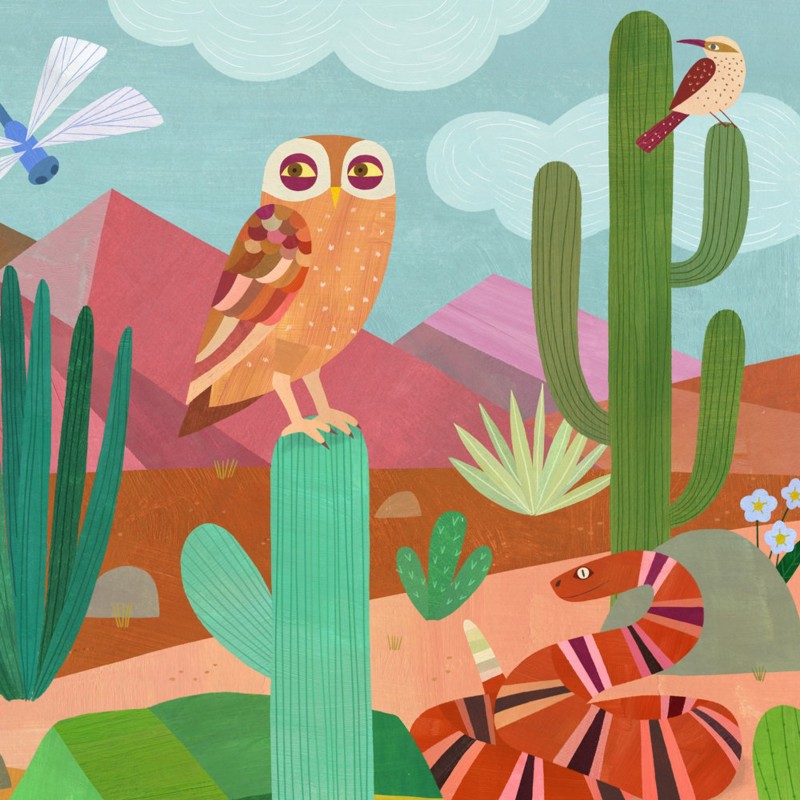
Many animals live only in desert habitats. These include rare lizards, snakes, and insects that have adjusted to hot, dry days and chilly nights. Birds such as the greater roadrunner or desert lark thrive in these rough conditions. Without deserts, these species would vanish forever.
Remarkable Range of Reptiles
Reptiles do especially well in deserts. Species like the Mojave rattlesnake or bearded dragon rely on open, sun-baked ground. Some live below ground to escape the heat, while others change colour to blend into sand or stones. Protecting deserts keeps these animals safe and keeps variety in Earth’s wildlife.
Important Bird Habitats
Birdwatchers will know that deserts can be some of the best spots to see rare or unusual birds. The Dungeness reserve attracts birds not seen in much of England, while deserts in America support birds like hawks, owls, and thrashers. Some birds nest only in desert scrub or sand dunes and travel far for this.
Rich in Biodiversity
It’s easy to think of deserts as empty. In fact, they contain a huge range of plant, animal, and insect species. Even the soil teems with life, from hardy roots below ground to tiny microbes. Each living thing adds to the bigger web of life and helps keep the system balanced.
Act as Natural Carbon Sinks
Desert plants like cacti and shrubs store carbon from the air, helping fight climate change. Some large, dry areas act almost like sponges, soaking up carbon dioxide from the atmosphere. This hidden function makes deserts just as important as forests when it comes to limiting the rise in global temperatures.
Inspiration for Science and Medicine
Plants found in deserts often show unusual medicines or adaptions. Centuries-old knowledge, especially from indigenous people, has led to life-saving treatments. Scientific study of desert living things continues to turn up surprising uses, from drought-resistant crops to new painkillers.
How to Help The World’s Deserts
You can play a part in saving these places. Support wildlife groups focused on desert conservation. Spread the word about rare desert species. Avoid using off-road vehicles in fragile habitats. Get involved in local clean-up days or protect plants like Joshua trees and rare flowers. Even small actions spread hope for deserts and the wild things within them.
England’s Own Desert – in Kent!
You would not think it, but England also has a desert. It’s in Dungeness in Kent, on the southeast coast. It’s not officially declared as such, but is one (the Met Office won’t classify it, as it receives more rainfall than a desert does).
This triangular space of land was formed by different sediments and includes Romney Marsh, 7 lighthouses, a light railway, 30 houses (converted from old railway coaches) and concerningly, two nuclear power stations.
From the Old Norse word ‘nes’ for headline, it also houses one of England’s biggest expanses of shingle, with the RSPB trying to keep the area free from over-tourism, to protect resident birds. The area is also home to many rare bees, beetles, spiders and moths, and over 600 plant species.
A unique species found here is the Sussex emerald moth, who emerges at night, and is bright green, hence its name.
Practical Ways to Support Desert Conservation
We all can help slow desert decline and support stronger, healthier desert ecosystems. Here are some actions that individuals and communities can take to make a difference:
- Choose Sustainable Products: Support companies that respect desert environments, avoid products linked to desert damage, and back fair trade crafts from desert communities.
- Spread Awareness: Share knowledge about deserts and their struggles with friends, family, and online networks. Awareness often leads to better choices and stronger support for protective policies.
- Back Conservation Efforts: Donate to or volunteer with groups working on desert restoration, wildlife protection, or sustainable land management.
- Practice Water and Energy Conservation: Using less water and energy reduces overall environmental stress, including the pressures contributing to desert expansion.
- Advocate for Responsible Land Use: Encourage local leaders and planners to consider desert protection when approving development or mining projects.
- Support Indigenous and Local Communities: Engage with and learn from people living in desert regions. Their knowledge helps guide effective conservation and restores balance between use and care.
The Joshua Tree is Now Endangered
One of the most familiar desert trees is California’s Joshua Tree, which can take up to 75 years to flower! They are actually a species of yucca that lives in a protected park that supports up to 60 native mammals.
Due to concerns with climate change, it’s the first tree to be listed as an endangered species, just like for animals.