How to Get Fit (without joining a gym)

If you can’t afford or don’t like gyms, you can easily get fit without one. As long as you are able-bodied, regular exercise is pretty simple (you can even get fit with chair exercises). Also read our posts on:
To lose weight, you have to either reduce 500 calories a day (not easy). Or expend 500 extra calories a day through exercise (far easier). Exercise is a blend of warm-ups and cool-downs along with:
- Cardiovascular exercise for your heart, which also burns calories. Do this 2 to 5 times a week. Good examples are walking, swimming and cycling.
- Strength-training (use your body weight using Lucy’s exercises below, or weights, to build muscle. This protects your bones and burns fat, by speeding up metabolism. Then you can tone up and lose weight, even when sleeping. Do this three times weekly.
Back in the day, people walked everywhere and did manual housework, laundry and labour. But today with everything automated and everyone driving (and sitting in front of the TV eating giant bags of crisps), it’s more difficult to stay fit!
Councils and governments can help by creating walkable communities with public parks. This way, people walk to the shops, to the park, to work and to school. They also shop at local farmers’ markets, that are within walking distance.
If towns were like this, the obesity crisis would be solved almost immediately. Instead, today England has fast food restaurants and coffee shops selling giant-sized muffins. And to visit the out-of-town supermarkets, people have to drive.
And instead of walking to the local indie bookshop to pick up a favourite read (and then walking to the park to read it on a bench or under a tree), MPs encourage new Amazon warehouses to ‘create jobs’.
Go for a Daily Walk
Walking is free, gentle on your joints, and you can do it almost anywhere. Aim for at least 30 minutes a day at a brisk but steady pace. Walking outdoors also lets you soak up some sunshine, which is good for your mood and vitamin D.
Use the walk to enjoy some quiet time with your thoughts. Make it part of your routine, whether it’s before breakfast or after work. If you don’t walk dogs, consider volunteer dog walking.
Take the Stairs Whenever You Can
Skip the lift and take the stairs in your home, at work, or out and about. Climbing stairs builds key muscles in your legs and glutes and raises your heart rate.
A few trips up and down throughout the day can add up. Try two steps at a time or go faster for a bigger challenge.
Dance Around the House
Dancing is a fun way to get your heart rate up and burn calories. Put on your favourite music and move around your home. Whether you prefer gentle sways or full-on jumping, dancing makes fitness feel less like hard work.
Even ten or fifteen minutes of movement gives you a boost and makes it easier to stick with a daily habit.
Cycle or Run Outdoors
If you have a bike or good shoes, head outside. Cycling and running both build stamina and work your heart and lungs. You set your own pace and route. Go solo or join a local group if you enjoy company. Start slow and build distance and speed as you feel ready.
Read our posts on safe outdoor running and the benefits of bicycling.
Stretch and Strengthen With Yoga or Pilates
Both yoga and Pilates focus on body strength, balance, and flexibility. You don’t need fancy mats or kit, just comfortable clothes and a quiet space. Most towns have local classes, with all equipment provided, and qualified teachers.
Simple Fitness Workouts with Lucy
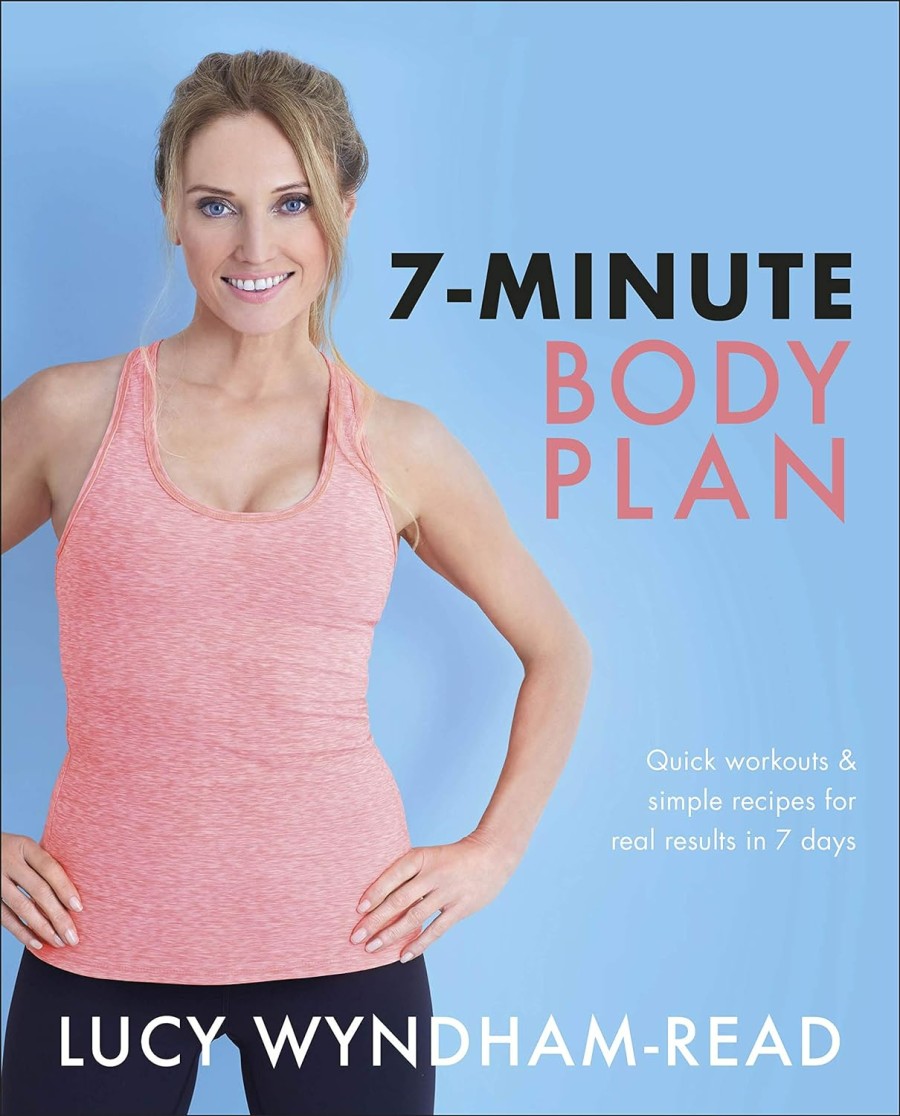
Lucy Wyndham-Read is a qualified personal trainer, with 30 years experience. A former army cadet, she took up exercise to help cope with grief, after her fiancé was killed in a tragic shooting accident.
Her YouTube exercise videos have millions of fans. Each one is 10 to 20 minutes, and uses body weight. Her 7-day challenge to lose belly fat has over 46 million views! View before/after photos of her fans on Lucy’s website.
Now in her mid 50s, Lucy looks and feels fantastic. And is a testament to how a healthy lifestyle can help people to cope with heartache, and help others too. Her book 7-Minute Body Plan is filled with effective workouts, along with simple plant-based recipes.
Just pick a workout for your particular goal (from t-shirt-ready arms to leg exercises). They are all quick and easy to do, and you can do them for the rest of your life. These exercises will:
- Burn excess body fat
- Strengthen your bones
- Increase energy levels
- Improve circulation
- Improve co-ordination
- Improve your posture
- Reduce anxiety & insomnia
- Strengthen your immune system
- Give you glowing skin
In all of Lucy’s videos, she promotes the philosophy that exercise is about feeling good, not looking like someone else. And that we should start by being thankful that we are able to move our bodies, and to focus simply on moving, not perfection.
Building healthy active lifestyles, is more important than ‘a set of exercises’. Even getting off the bus a stop earlier, is a good form of exercise, as it means you’re moving your body.
Strength Training Can Help You Stay Fit

Stronger: How to Build Strength has been described as a ‘book that should be prescribed on the NHS for anyone over 40’. This is a 12-week program by a man who says that most health issues for people under 90 are due to lack of exercise, rather than biological aging.
Written by an osteopath (and former firefighter who has a degree in exercise science), it shows 10 simple exercise that can help to build stronger muscles and bones, supercharge your immune system, and energise your nervous system.
Why are Gyms So Expensive?
Due to costs going up. Even council-owned gyms are pricey. Plus there’s the hassle of driving there, waiting for the shower and listening to booming music or rolling news, which can leave you feeling stressed.
The NHS GP Referral Scheme is one good choice. Funded by government, your GP can refer you if you have a health condition that would benefit (this is free or discounted gym membership, usually for 12 weeks). You receive safe qualified training, then can either carry on, or continue your fitness goals from home.
The NHS funds it, as it’s thought that around 39,000 premature deaths are caused by low levels of physical activity.
Organic Cotton Workout Clothes

Vegan Original offers organic cotton workout clothes, spreading the animal compassionate message with zero-waste ethical basics like tees and sweatshirts. This company uses organic cotton, green energy and plastic-free packaging.
Ideas for Safe Effective Exercise for Seniors
From age 35, we start to lose muscle. And muscle also helps to keep weight off, by raising metabolism. So it’s important to take regular exercise, to stay fit and healthy as we age, which also helps to keep mobile and prevent broken bones.
In Florida, many people in their 80s and 90s take regular exercise (power-walking and lifting low weights), which is far better than the culture here of people sitting around a TV in nursing homes, doing nothing.
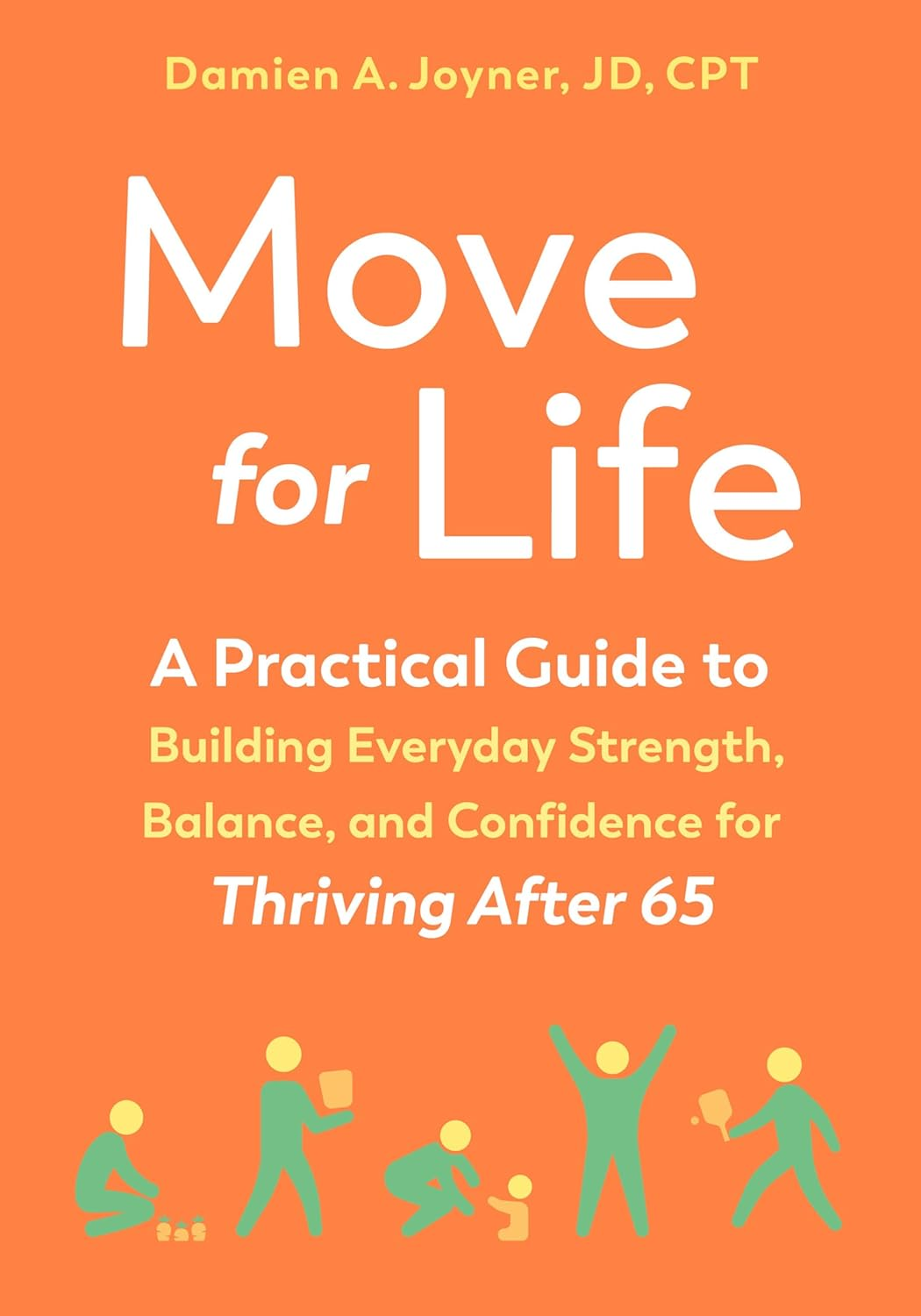
Move It Or Lose It is an exercise manual for older adults, from a qualified trainer. The book includes simple photos and warm-ups and cool-downs for safety.
There are exercises to strengthen the legs, chest, arms, hips, thighs, arms (plus exercises for finger dexterity and grip strength). Along with exercises to help you reach up, improve posture, stretch your legs and even pelvic floor exercises.
The book is sold with optional resistance bands (and latex-free versions). Start with the red band (once you can do 3 sets of 10 reps with 1 minute rest), order the next colour up, until you reach black (which you then use for life).
Keep resistance bands away from children and pets, and store rolled up, away from sunlight. They have a bit of powder to stop them sticking together, this will soon disperse.
If you prefer, just buy the band and join local classes or Move it Or Lose It Online Club. There’s a free 30-day trial, then it’s just £5 a month. You don’t have to be ‘old’ to join, this works for anyone!
This organisation can send qualified trainers to visit care homes, to deliver exercises for residents, or can train your staff (exercises can be chair-based for frail residents).
What Are Safe Effective Exercises for Seniors?
Walking is one of the safest ways to stay active. It’s easy on the joints, requires no special equipment and can support heart health, lower blood pressure and help control weight. If balance is a concern, flat surfaces or walking with a friend can help. Good shoes with plenty of grip offer steady footing.
Chair exercises are gentle yet effective for building muscle and improving flexibility. Sitting or holding onto a sturdy chair makes movement safe while working arms, legs and core muscles.
Simple moves like leg lifts, seated marches or arm circles work well. These routines also keep the heart rate up and bring confidence to those worried about falling.
Swimming and water aerobics are gentle on the joints and can suit nearly every fitness level. They can keep you fit, without putting too much strain on muscles or bones. The water supports the body, which helps prevent injury and makes movement less tiring. Local pools often offer special sessions for seniors.
Dancing can raise the heart rate, sharpen memory and lift the spirits, while not being too taxing for slower dances. Look for local classes. Buy some vegan dance shoes!
No-dig gardening uses muscles in the arms, legs and back, while bringing the benefit of fresh air and mental health in nature. Raised beds makes gardening easier for those with joint pain.
Read our post on pet-friendly gardens.
10 Simple Exercises for a Stronger Body
Stronger: How to Build Strength has been described as a ‘book that should be prescribed on the NHS for anyone over 40’. This is a 12-week program by a man who says that most health issues for people under 90 are due to lack of exercise, rather than biological aging.
Written by an osteopath (and former firefighter who has a degree in exercise science), it shows 10 simple exercise that can help to build stronger muscles and bones, supercharge your immune system, and energise your nervous system.
Focus on large muscle groups such as legs, arms, back and stomach. Aim for slow, controlled moves, and rest after each set. Stronger muscles can protect joints and make daily tasks easier.
Nutrition/Exercise Tips from Vegan Bodybuilders!
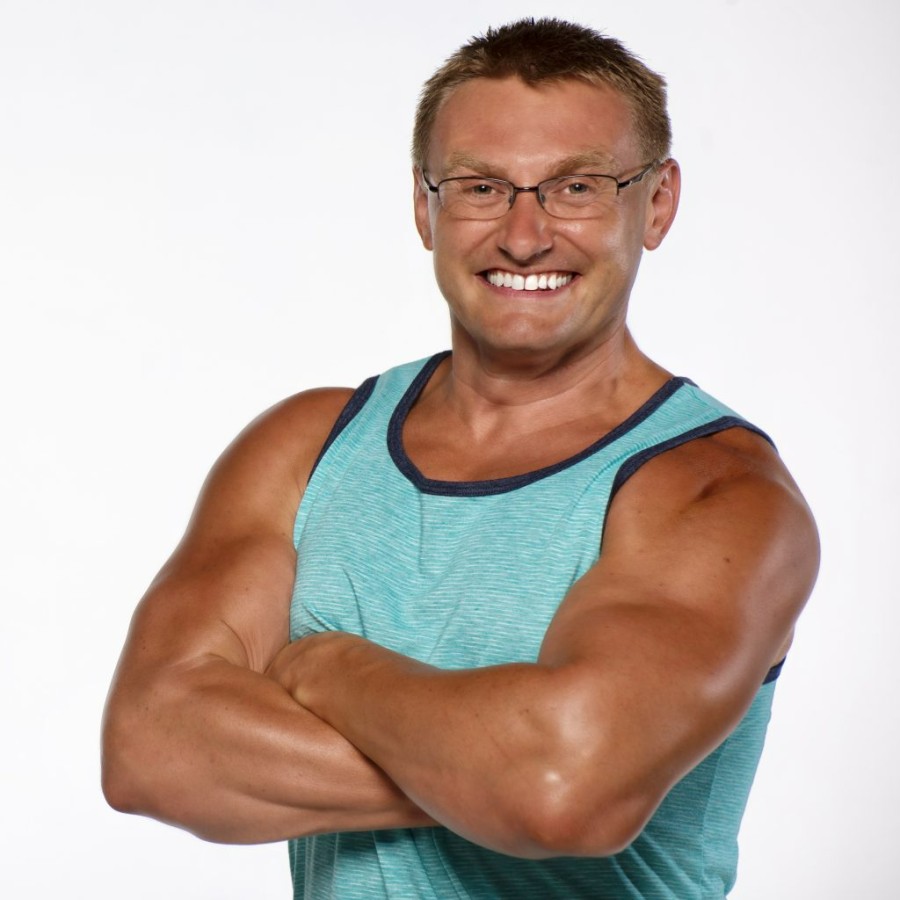
You don’t have to be a vegan bodybuilder, to be inspired! But whether you’re a present bodybuilder or simply want to gain a little fitness inspiration, here are some peeps to inspire!
Robert Cheeke is an animal welfare campaigner who has become ‘the face of vegan bodybuilding’. Growing up in Oregon (USA), he went vegan age 15, when he weighed less than 9 stone. Read what Robert eats on a typical day.
If you want it to be, your heart can be your biggest and most powerful muscle in your body. Robert Cheeke
Most bodybuilders actually aren’t that healthy, as it’s not good to eat around 10 egg whites a day, and many go overboard when preparing for competitions. But these vegan bodybuilders look after their health, and show that you can still eat just plants, and be strong!
Read of a vegan doctor who transformed his physique through plant foods!
Vegan bodybuilders are rewriting the rules of sport and wellness. By building muscle and strength with plant power, they prove that animal products aren’t required for peak performance. Their stories and routines inspire many to rethink their own diets and training. Let’s look at how these athletes fuel their bodies and break myths about vegan nutrition.
Before cooking, read our post on food safety for people and pets.
Vegan Bodybuilder Nutrients
- Macronutrients act as building blocks to grow muscle, and you can easily get these, without eating animals. Protein is very easy to find, from lentils and chickpeas to tofu and tempeh to seitan and quinoa.
- Carbs are used to fuel workouts. Vegan bodybuilders eat wholegrains (like brown rice and oats), fruits and vegetables. All these release energy slowly, keeping you powered through the day.
- Healthy fats help with recovery. There are ethical issues with avocados (choose fair trade organic if bought), but nuts and seeds offer similar benefits.
- Vegan protein powders are easy to find online. Pea is a popular choice, as are rice and hemp proteins. Just mix them into smoothies and shakes. And be sure to take an all-round supplement to cover your bases (like vitamin B12).
Well-Known Vegan Bodybuilders
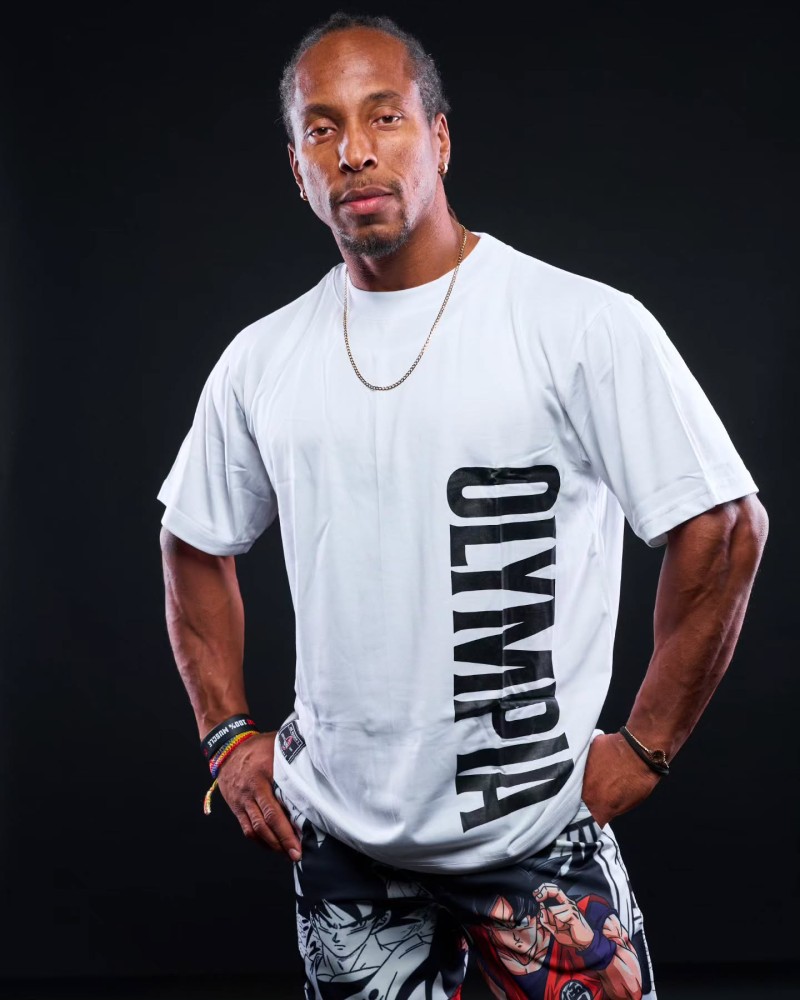
Torre Washington is one of the world’s best-known vegan bodybuilders. A vegan due to his Ital Rastafarian heritage, he began to sculpt his body using a bench and dumbbell, and after studying engineering, is now one of the fittest men in the world!

Patrik Baboumian is often the man rolled out to the media, when people say you can’t be a vegan strongman! An Iranian born to Armenian parents and raised in Germany, he is a retired bodybuilder who now spends his time promoting the plant-based lifestyle.
He set the log lift record by lifting 190 kilos (almost 30 stone in old money) and also won Germany’s Strongest Man competition. Some argue he may even qualify as the world’s strongest man. Yet what does he eat? Vegan sausages and falafel and lots of smoothies!
Don’t listen to those self proclaimed nutrition gurus and the supplement industry trying to tell you that you need meat, eggs and dairy to get enough protein.
There are plenty of plant-based protein sources and your body is going to thank you for stopping feeding it with dead food. Go vegan and feel the power! Patrik
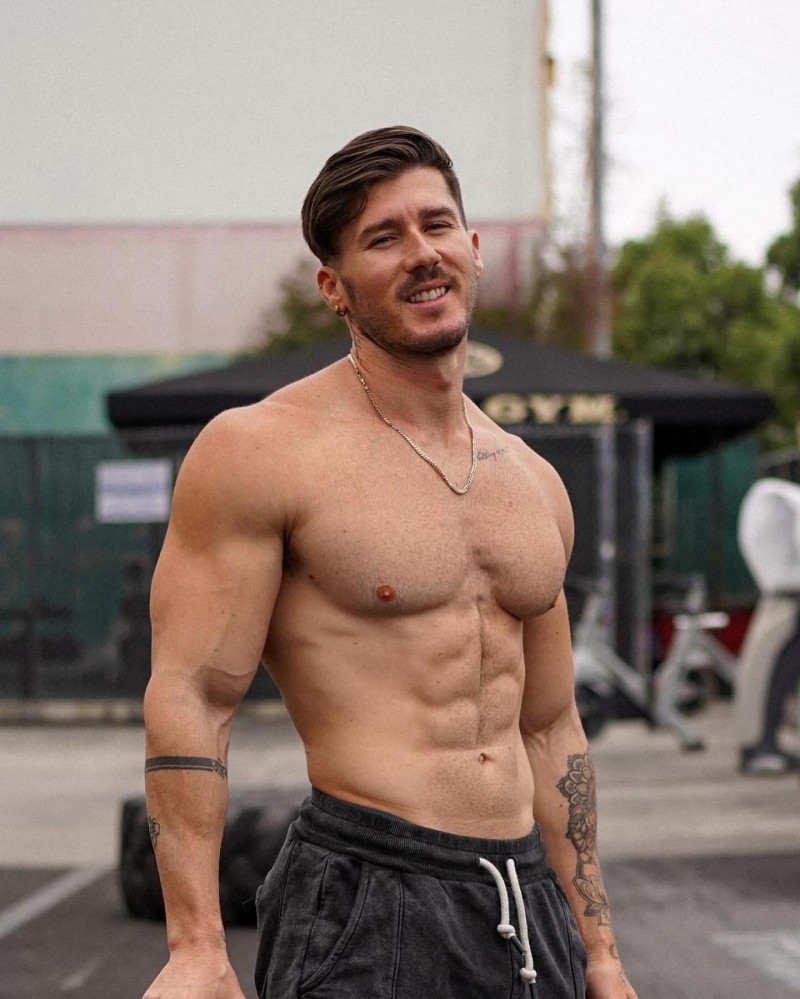
Nimai Delgado is an American bodybuilder who has always been vegetarian and is now a vegan advocate, who loves eating plant-based proteins, lots of veggies and protein smoothies.
He says that his diet is more varied than other bodybuilders who are fed up of always eating fish, egg whites and asparagus.
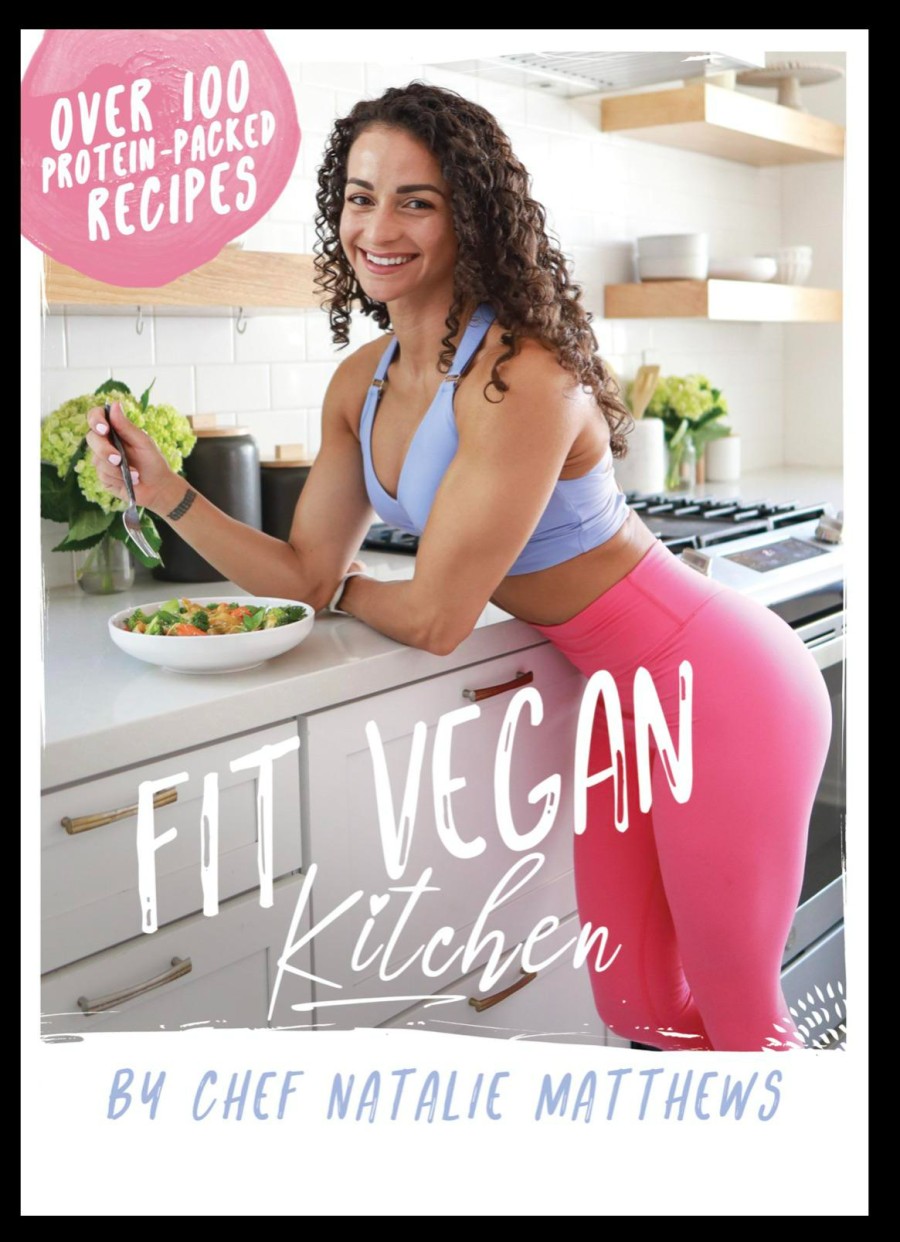
Puerto Rican Natalie Matthews is powered by tofu! She has lots of simple recipes and e-books on her site. A sickly child, she gave up dairy to cure her sinuses, and look at her now!