England’s Seaweed (what it is, and why it matters)
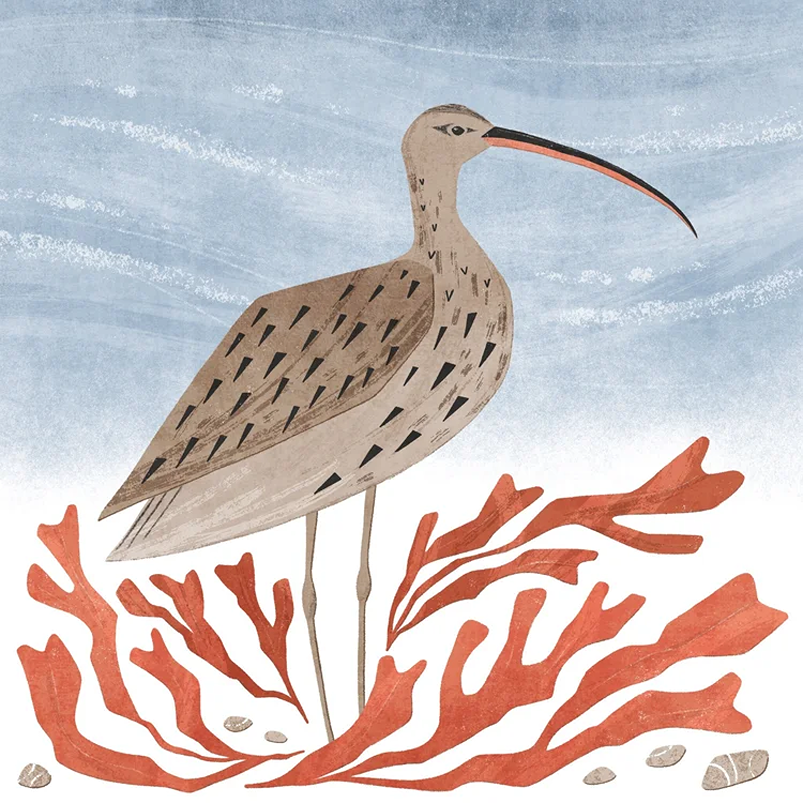
England has over 600 species of seaweed, though you won’t see many, as most live under the sea. Although seaweed can be hand-harvested in small quantities for various uses, its real purpose is to provide shelter and nursery habitats for marine creatures.
Seaweed absorbs nitrogen and phosphorus from run-off, to help prevent ocean pollution. Unless you know what you are doing, don’t harvest seaweed yourself (experts just ‘give it a haircut’ without disturbing the roots). As one person wrote ‘It’s seaweed to you, but the universe to a shrimp!)
Keep dogs away from seaweed, as they often like to play with the fronds or even eat it. But as well as being salty, wet seaweed expands in the stomach as it dries. lso don’t walk on seaweed yourself (to protect it, and to prevent slipping over).
Isles of Scilly Wildlife Trust has a good guide to the main species of English seaweed. The most common are:
- Bladderwrack (this has a ‘bubble wrap’ appearance and provides habitat for many ocean creatures).
- Sugar kelp is named due to the white powder residue left behind (its other name is Poor Man’s Weather Glass, as people use to hang dried fronds outside to predict whether rain was on the way, depending if they stayed dry or not).
- Sea lettuce does indeed look like lettuce leaves, and is used to make Welsh laver bread.
- Carrageen is a reddish seaweed, often used in vegan gelatine alternatives, to set puddings.
Using Sustainable Seaweed for Food

Japanese people are dumbfounded why people in England don’t make use of sustainable seaweed in their cooking, when it’s right on our doorstep. You don’t have to actually eat seaweed, it’s more used as condiments like flavoured sea salt.
Seaweed is especially for good for vegans, and it contains iodine and ‘makes things taste of the sea’, if you like the taste of fish.
Due to iodine, check with your doctor before consuming seaweed if you have any thyroid issues, including if you take medication. Keep salty foods away from pets, and don’t feed leftovers to garden birds or wildfowl. Read more on food safety for people and pets.
- Seagrown Seaweed Seasoning is made from Yorkshire-sourced sustainable seaweed, sold in easy-to-recycle packaging. Stir into warming soups and stews, toss with roast potatoes or mix into homemade dips and sauces.
- The Cornish Seaweed Company offers flaked seaweeds for cooking, from dulse to kelp to sea spaghetti. Instructions for each type are included on the product pages. This company avoids harvesting the same areas for several years, to protect marine creature habitats.
Using Sustainable Seaweed for Beauty
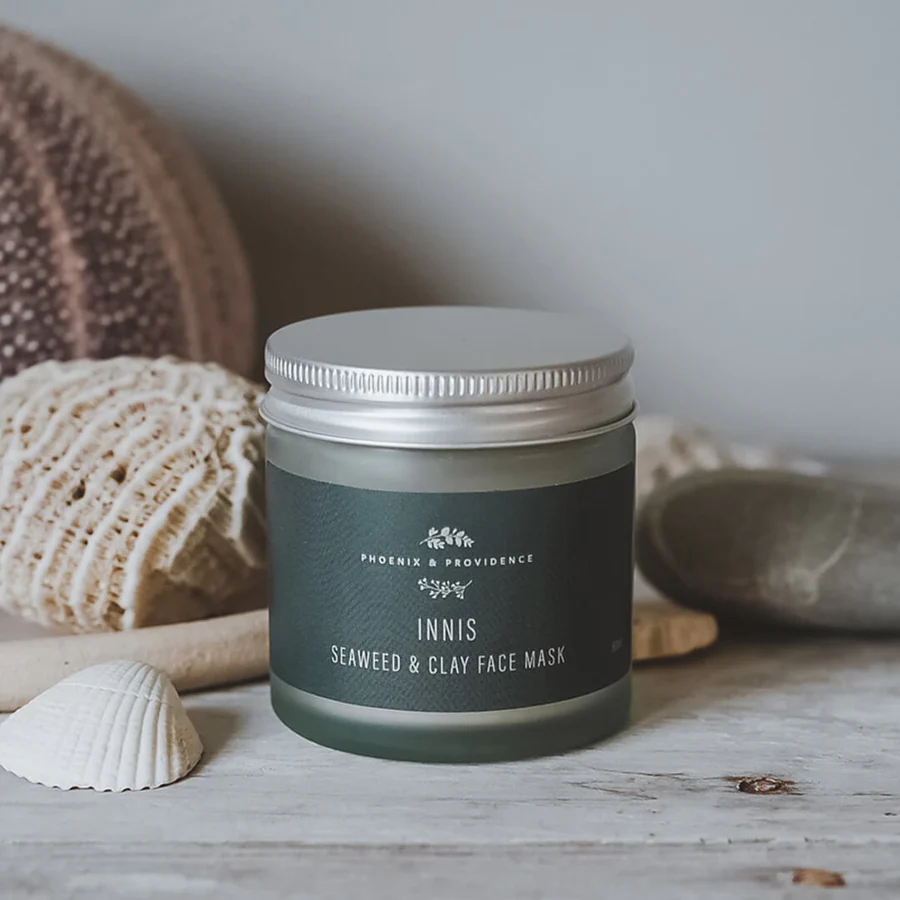
Phoenix & Providence Seaweed Clay Face Mask is made on the beautiful Isles of Scilly. The seaweed is sustainably hand-harvested then taken to the founder’s studio, to create a lovely beauty gift for yourself or others, sold in a glass jar.
Just activate the powder mix of seaweed and green clay, with hemp, lavender and rosemary oils. Avoid aromatherapy oils for pregnancy/nursing.
Using Sustainable Seaweed for Gardening

Harvested seaweed leftovers can be turned into natural fertiliser that improves water retention and adds nutrients to soil, which helps to prevent disease in plants.
The Shropshire Seaweed Company makes a good organic seaweed fertiliser. Just fill the cap (10ml), then add to a full 5 litre (1 gallon) watering can.
Read our post on pet-friendly gardens. If growing indoor plants, avoid facing foliage to outdoor gardens, to help stop birds flying into windows.
Using Sustainable Seaweed for Supplements

If you have been advised to take thyroid medicine, ask your GP about Nothing Fishy Irish Sea Moss (use code ENGNF15 for 15% off first purchase). Formulated with peppermint and black pepper, the rich iodine content supports the thyroid, digestion and clear skin. May not be suitable for people on blood thinners or with shellfish allergies or diabetes.
Seaweed Offers Alternative Income for Fishermen?

SeaGrown Seaweed Beer uses hand-harvested seaweed from Yorkshire’s coast with notes of caramel, toasted bread, herbs and lemon, combined with local kelp. Harvesting seaweed offshore helps reduce agricultural runoff and algae bloom, which harms marine wildlife.
One idea is to use the sustainable seaweed harvesting industry, to provide alternative income for fishermen. Just like transfarmation can provide alternative income for land farmers (say growing oats to make oat drink), help is needed for fishermen in a world, where increasingly people are living on plants.
Our coasts are now also suffering from over-fishing (cod is now an endangered fish, and a recent law to protect puffins means sandeel fishing is banned in England).
This company is planting kelp forests on coast, to establish and nurture vital marine ecosystems,, using cutting-edge technology developed in Yorkshire. Seaweed farming is already helping fishermen to move into different areas in Ireland and Alaska.