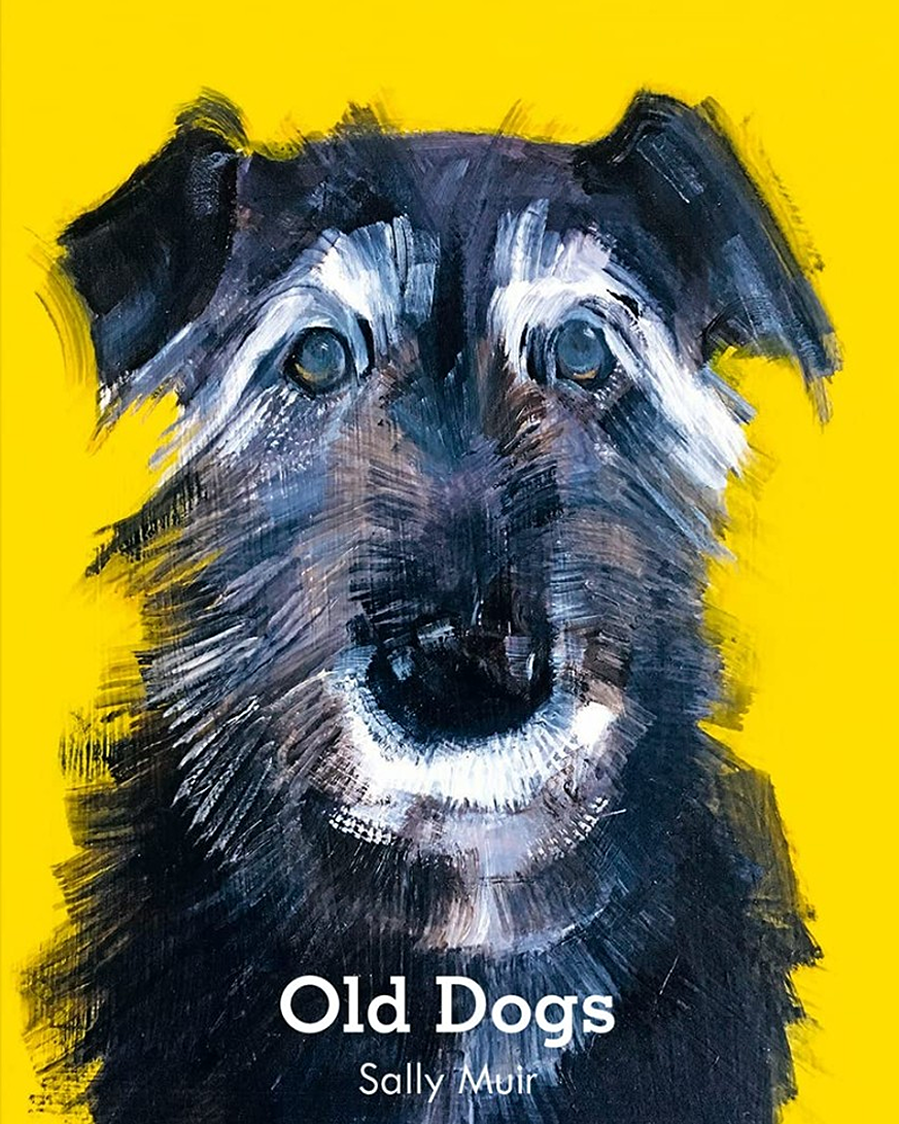
Books on How Animal Communicate (or hide!)

The Voices of Nature is a fascinating book, look at the meanings of animal sound:
- Songs
- Barks
- Roars
- Hoots
- Squeals
- Growls
What is the meaning of birdsong, a baboon’s bark, an owl’s hoot or a dolphin’s clicks? In this book, you’ll find out!
Readers will journey from the steamy heat of the Amazon jungle to the icy terrain of the Arctic, to reveal the amazing variety of animal communication.
Learn who different species use sound to:
- Express emotion
- Choose a mate
- Trick others!
- Mark their territory
- Call for help
What may seem like random chirps and squawks actually allows animals (just like us) to carry on conversations with others.
The author explains how animals make and hear sounds, and what information is encoded in such signals of sound. He also explains how sound travels underwater (think of whale song travelling miles across the ocean).
An immersive sonic journey, led by a tour guide with extensive knowledge of the subject. Leon Vlieger (biologist)
There’s no-one better to tell us how diverse animals talk with one another. His enthusiasm is contagious. Marc Bekoff (animal psychology expert)
Nicolas Mathevon is a professor of neuroscience and animal behaviour at University of Saint-Étienne, France.
The New Science of Animal Communication

Why Animals Talk is a beautiful journey into the world of animal communication, from the majestic howls of wolves to the enchanting chatter of wild parrots, melodic clicks of dolphins to spirited grunts of chimpanzees!
These diverse and often bizarre expressions are more than mere noise. They hold secrets that we are only just beginning to understand.
For example:
- Wolves (just like humans) possess unique accents that distinguish their howls.
- Gibbons have different alarm calls (for leopards or snakes). And also sing romantic duets with their partners!
- Dolphins not only give themselves names, but respond excitedly to recordings of the whistles of long-lost companions.
In each chapter (and by animal), the author draws on extensive research and observations of animals in the wild, to explain why animals communication.
This also offers revealing insight into human language, and how it differs from the entire animal kingdom.
Dr Arik Kershenbaum is a world expert in animal vocal communication, and has roamed the wilds of Europe, North America, the Middle East and Southeast Asia, in order to understand it.
He is a college lecturer and fellow at Girton College (University of Cambridge) and has published over 30 academic publications.
A Book on How Animals Hide Themselves
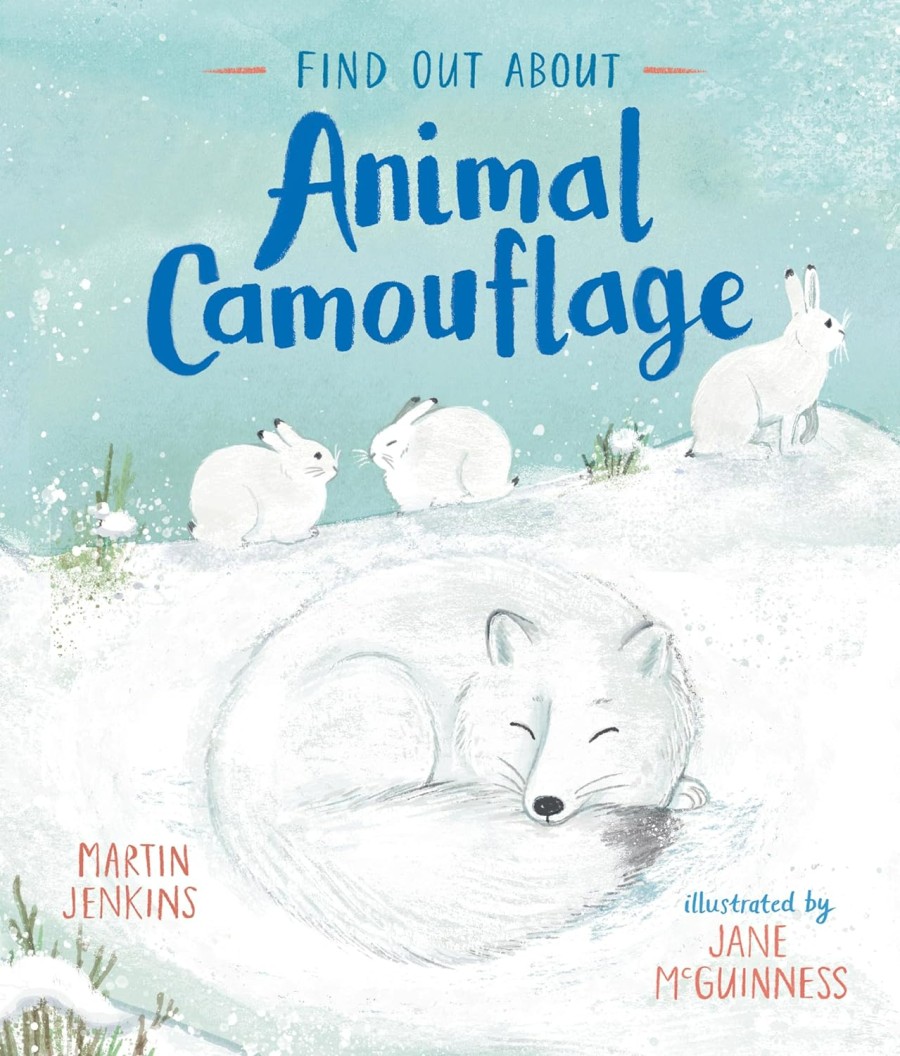
Find Out About Animal Camouflage is a lovely book for children, looking at how creatures hide in the desert and snow, or some don’t hide at all.
From insects that look like leaves to underwater creatures that blend into their background, readers will learn about:
- Leaf mimic moths (which resemble a dead leaf when still)
- African Gaboon vipers (which look like a heap of dead leaves)
- Peppered moth caterpillars (who adjust their colour to hide)
- The flower mantis (who looks like a pretty pink flower)
- Peacock flounders change colour to match underwater surroundings
- The ghost pipefish (looks like a long thin piece of coral)
- Ptarmigans blend in to hide in the snow
- Arctic hares & foxes (grow white fur in winter to hide)
Fun Facts about Animal Camouflage
Animals hide themselves for a variety of reasons, and in a variety of ways. The main reason is to avoid being eaten, or to hide themselves, when about to eat some unsuspecting other creature. Depending on species, animals may well change colour or shape, or even pretend to be something else entirely:
- Chameleons can change colour, to blend in
- Arctic foxes can hide amid the snow.
- Stoats are brown and black, but turn white in winter.
- Crabs cover their shells with seaweed and natural sponge (to avoid being found by turtles)
- Leopards have spots, to blend in with the surroundings.
- Same with zebras, and their strikes
- Stick insects blend in with foliage, to look like twigs. Some even move in the wind, to pretend they are branches.
- An octopus can not just change colour to match surroundings, but even change the texture of its skin, to match surroundings rocks and corals.