Oldies Club (and tips on caring for senior dogs)
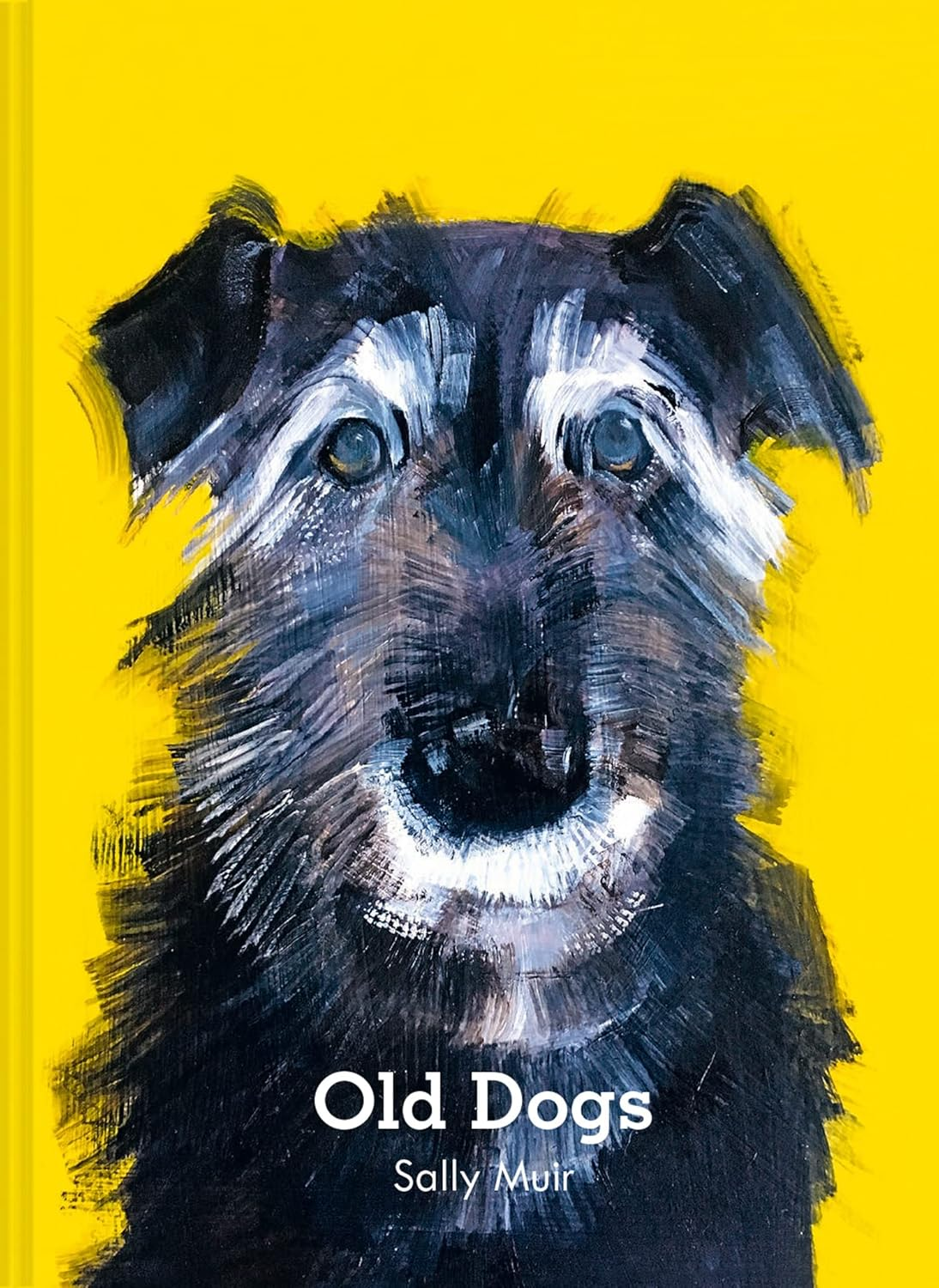
Oldies is a wonderful organisation that focuses on finding loving homes for the ‘overlooked oldie’ dogs that are often house-trained and want nothing more than a cuddle, a sofa to snuggle on and the odd sniff around the garden or short walks around the block or to a local park.
Volunteers are often needed to drive oldies to their new homes (the more volunteers, the less likely they have to take longer journeys to new homes). If you have a dog but are unable to look after him or her, you can contact their rehoming team and they will try to help.
Read the pets tag for useful information on caring for dogs. Also read pu on toxic foods and garden safety. And quality pet food (older dogs may need weeks or months to slowly transition). If they are happy on what they are on, it may be best to leave things, to avoid upset tummies.
Tips on caring for older dogs
Older dogs (like most dogs) thrive on predictable routines. They like regular mealtimes, walks and bedtimes, especially if their hearing or sight is fading. So keep big changes to a minimum, and make sure any household moves or shifts happen in a relaxed manner.
Avoid startling. As senses fade, older dogs are easily startled. Greet them gently if resting, avoid moving furniture too often and if needed use gentle night lights (close curtains/blinds to help stop birds flying into windows).
Watch their weight. This can prevent joint pain to heart trouble. Give portion-controlled tasty food and use treats wisely.
Keep them moving. While older dogs may slow down, regular movement is still important. Short gentle walks can keep stiff joints from getting worse. At the beach, read up on keeping dogs safe by the seaside.
Regular vet checks. Keep any issues in check at the start, to spot trouble before it becomes serious. Read up on finding free and affordable vet care.
Care for joints. Keep dogs comfortable with soft beds, warm blankets and non-slip mats or carpets. Check with your vet about suitable supplements.
Watch for new behaviour. Sudden changes in mood, appetite, or activity often signal a health problem. Pay attention if your dog seems confused, drinks much more water, or starts having accidents indoors.
Dental care. Bad teeth can hurt, make eating tricky and cause other health issue. Ask your vet for regular dental checks and advice.
Grooming and nails. Regular gentle brushes keeps coats soft and reduces shedding. And lets you spot bumps or sore patches early. Get nails trimmed at the vet on a regular basis. Check ears, eyes and skin for any signs of trouble (especially after walks in long grass).
Read how to give dogs baths safely (use lukewarm water and unscented natural shampoo, keep water out of ears, nose, mouth and eyes).
Many older dogs are greyhounds
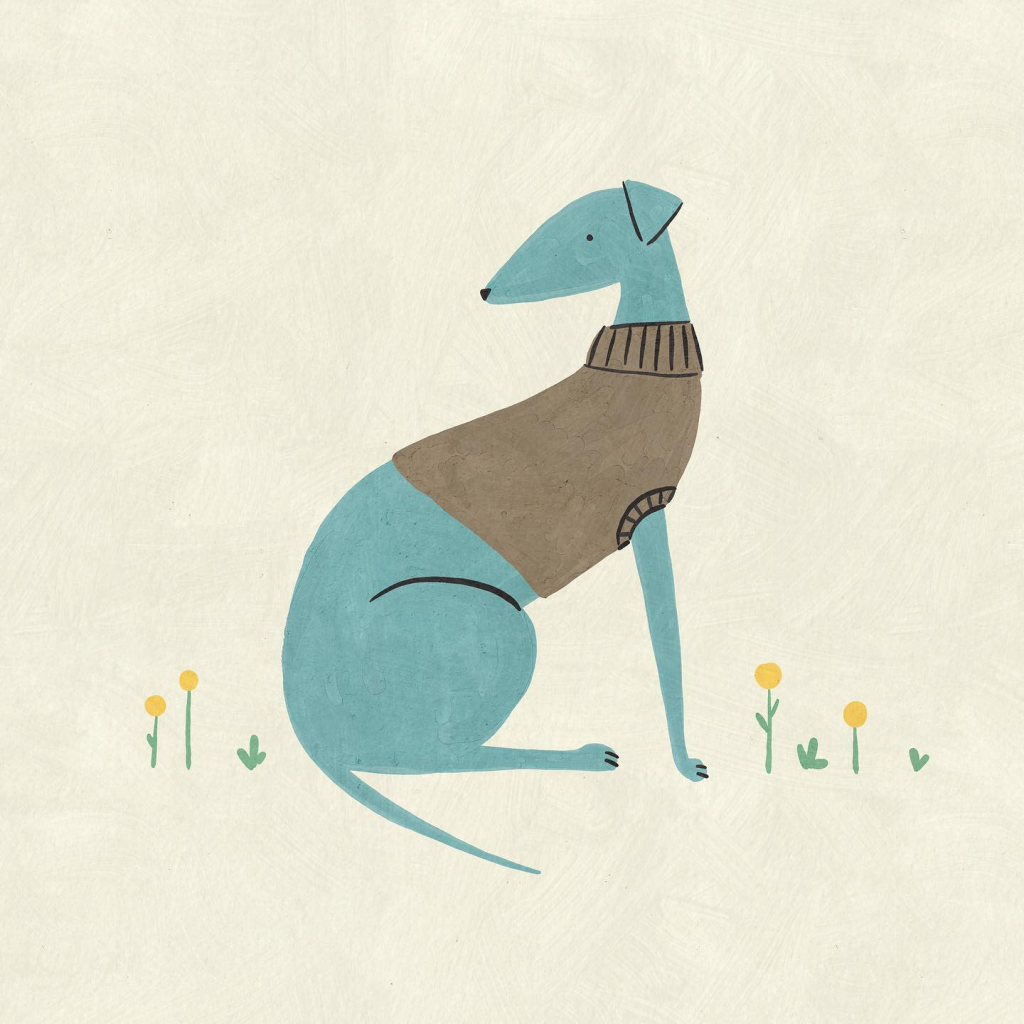
Many older dogs are from the greyhound industry (thankfully less popular as people learn the truth about how they live, when not racing).
In fact, greyhounds are delightfully lazy, and as long as they have a safe place to run (or even walk on lead) will lounge around most of the time (a bit like a cat). However as most have never seen roads (and will instinctively chase rabbits), it’s important to give them humane training, for their safety.
Many old people live with old dogs
Many older dogs need homes, simply because we’re an ageing community, so many guardians are older and either die or are no longer able to look after them. The Cinnamon Trust has a list of pet-friendly nursing homes, and also provides nationwide volunteer dog walkers (who can also look after other animals with fostering, changing cat litter and being a pet taxi to the vet etc).
It also can arrange adoption and fostering services. Or help in other ways from admin to fundraising. Or join Snuggles Project to knit/crochet comfy blankets for shelters, while animals wait for homes.
You can leave money to look after pets. If you have no-one to look after them if you die, Dog’s Trust Care Card is kept on your person (write in your Will that you have it and where). Then the charity will find loving homes and keep pets together, should you die.