Books on Wisdom to Learn from Other Creatures

The Hidden Wisdom of Animals is a beautiful book for young readers to celebrate over 40 creatures worldwide, and in lyrical reflections, focus on one amazing quality or skill from each that we can learn.
Young readers age 9 and up will enjoy this book, which celebrates over 40 creatures from around the world, with lyrical 100 to 500 word reflections, that each focus on one amazing skill or quality that the animal embodies – and that we can learn from.
Author Alison Davies lives in Colorado (USA) where she writes books on National Parks, and environmental issues in the world’s wild and remote places.
More Lessons We Can Learn From Wildlife
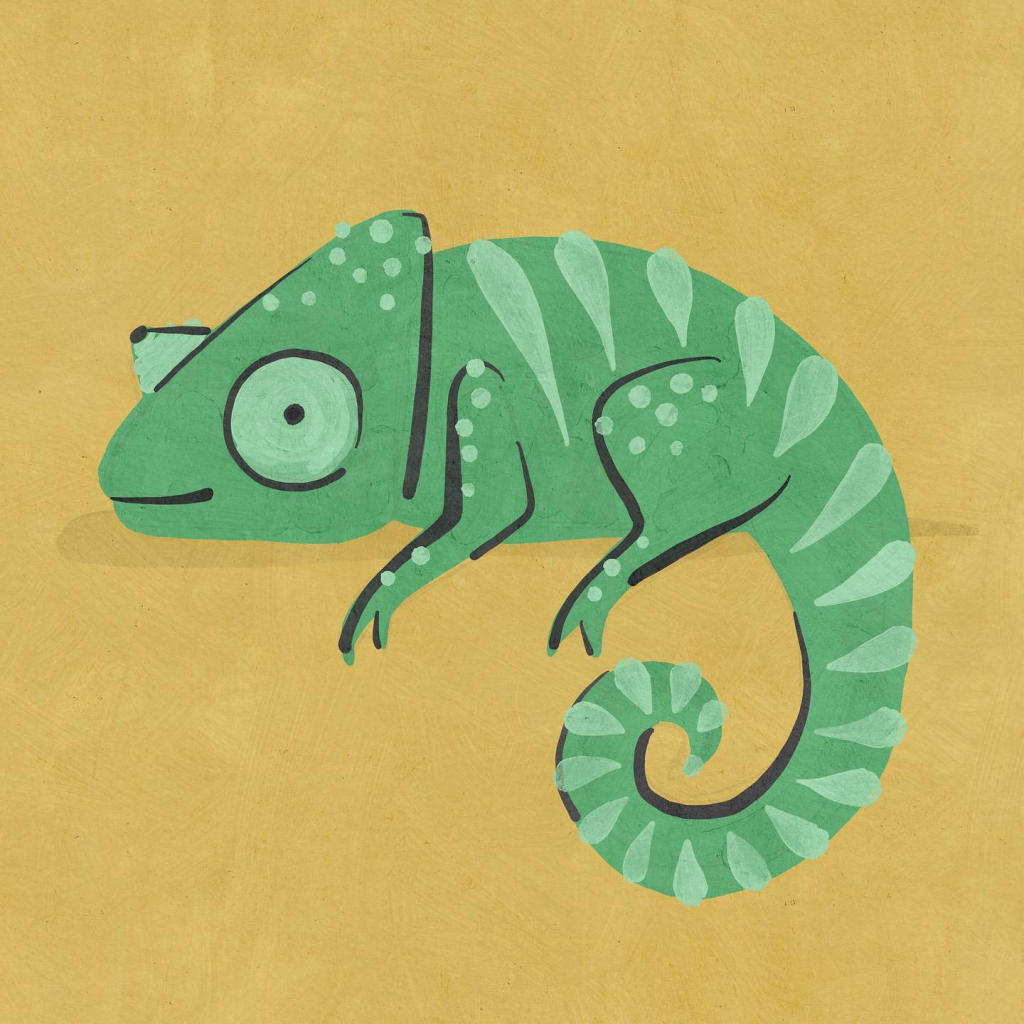
- Chameleons (flexibility). These creatures change colour to blend into their surroundings, not just for camouflage but also for communication and temperature regulation.
- Salmon (tenacity). They swim upstream against daunting currents to spawn, embarking on an incredible journey. They face predators (bears!) and waterfalls to fast-flowing streams. Yet driven by instinct, they reach their destination.
- Elephants (family). They support their close-knit herds through thick and thin. Calves are cared for by the entire herd, and seniors are respected for their wisdom. They mourn their dead, and revisit resting places of deceased herd members.
- Crows (creativity). They make tools and use sticks to reach food. There is a video of a crow, who wants to crack a nut. So he drops it into a busy road, waits for a car to run over it, then flies down to collect his dinner!
- Arctic Tern (stamina). Each year, this tiny bird travels from the Arctic to Antarctica, a journey of around 70,000km. This bird reminds us that with determination, even the longest journeys can be completed.
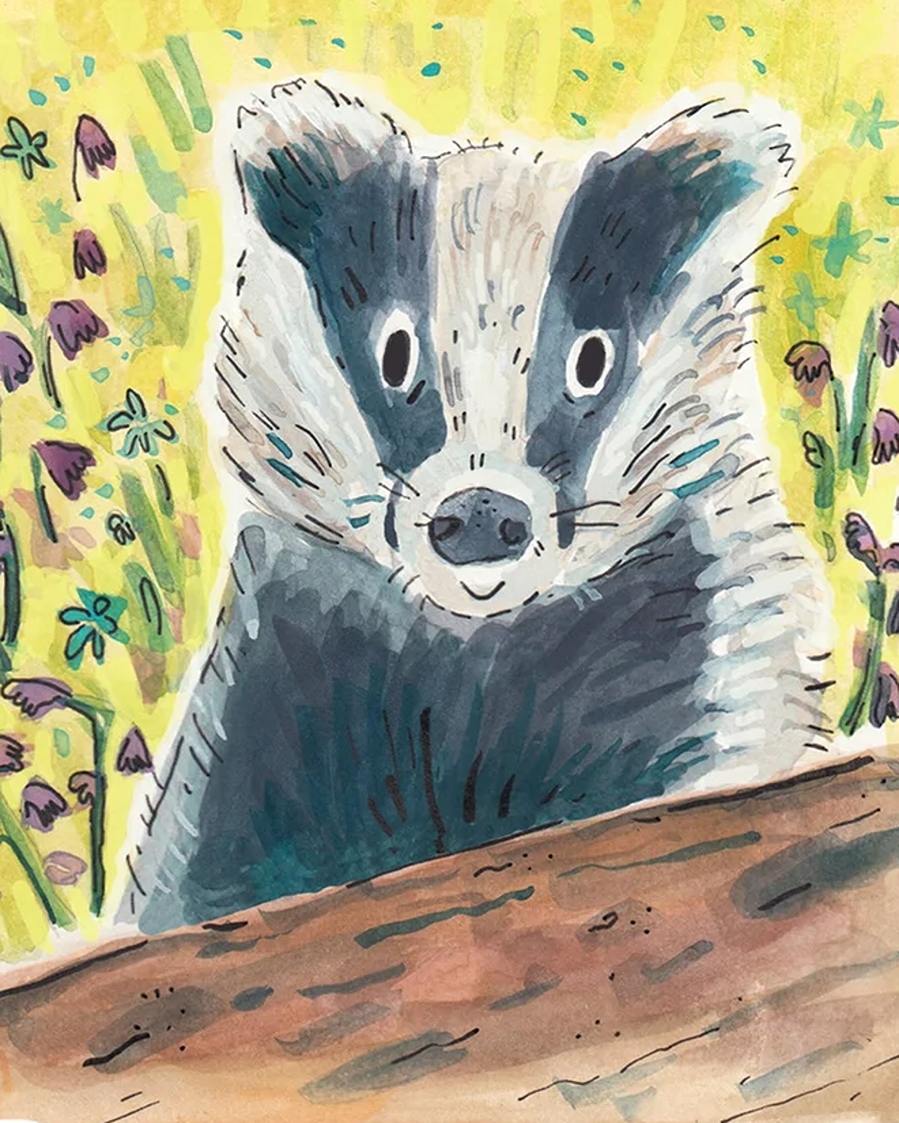
- Honey badgers (tenacity). Whether it’s breaking into beehives or facing snakes, the honey badger shows that being bold and persistent, is often the best way to confront obstacles. We can learn to face challenges, with the same attitude.
Exploring the Knowledge of the Animal Kingdom

The Internet of Animals is an illuminating account of the untapped knowledge of the animal kingdom, from animal migration to how elephants can detect tsunamis. What do animals know that we don’t?
In this book, scientist Martin Wikelski argues that animals have a unique ‘sixth sense’. If we give animals a voice, our perception of the world could change forever.
As they tag animals around the world with tiny tracking devices and link their movements to the International Space Station, this taps into the ‘internet of animals’, an astonishing network of information made up of thousands of creatures communicating with each other and their environments.
This project ICARUS is poised to change the world. We learn how barnyard animals become restless when earthquakes are imminent, African animals sense when poachers are on the move and frigatebards in South America depart before hurricanes arrive.
We also now know that animal migrations are not triggered by genes encoded in DNA but by elaborate cultures. By learning from them, we can better prepare for earthquakes, floods and hurricanes – and also learn to live alongside animals in harmony.
Martin is director of the Max Planck Institute of Animal Behaviour and honorary professor of ornithology at University of Konstanz.
Essential Life Lessons and Wisdom from Birds

The Wisdom of Birds takes 60 amazing birds illustrated by Victorian artist and ornithologist John Audubon, then shares unique strengths of each one to help us build with care, and spread our wings.
Includes the proud belted kingfisher, the delicate red-throated loon and the elegant snowy egret and laidback double-crested cormorant.
Read our posts on how to create safe havens for birds (feeding, nest-boxes, protecting from cats) and preventing bird strike. Don’t play birdsong near birds, it can confuse and attract predators.

Birds are social creatures, thriving in groups that range from small partnerships to massive congregations. The way they organise themselves offers insights into social cohesion.
Flocks. Birds flock mostly for safety. By staying together, they are at less risk of predator attacks, and watchful eyes of many detect danger early. When foraging, a group also can cover a wider area.
Nesting Communities. Again, communal living protects birds from predators, and conserves resources. For instance, seabirds nesting on cliffs share prime location for feeding and protection.

Communication. Birds rely on vocal sounds and body language to convey warnings, attract mates and declare territories. Posturing and plumage displays also maintain social order.
Friendship. Some birds benefit from relationships with other species. The classic example is oxpeckers, that feed on parasites of large mammals like buffalo or rhinos, which benefit from natural ‘pest control’.
Life Through the Eyes of Eight Animals
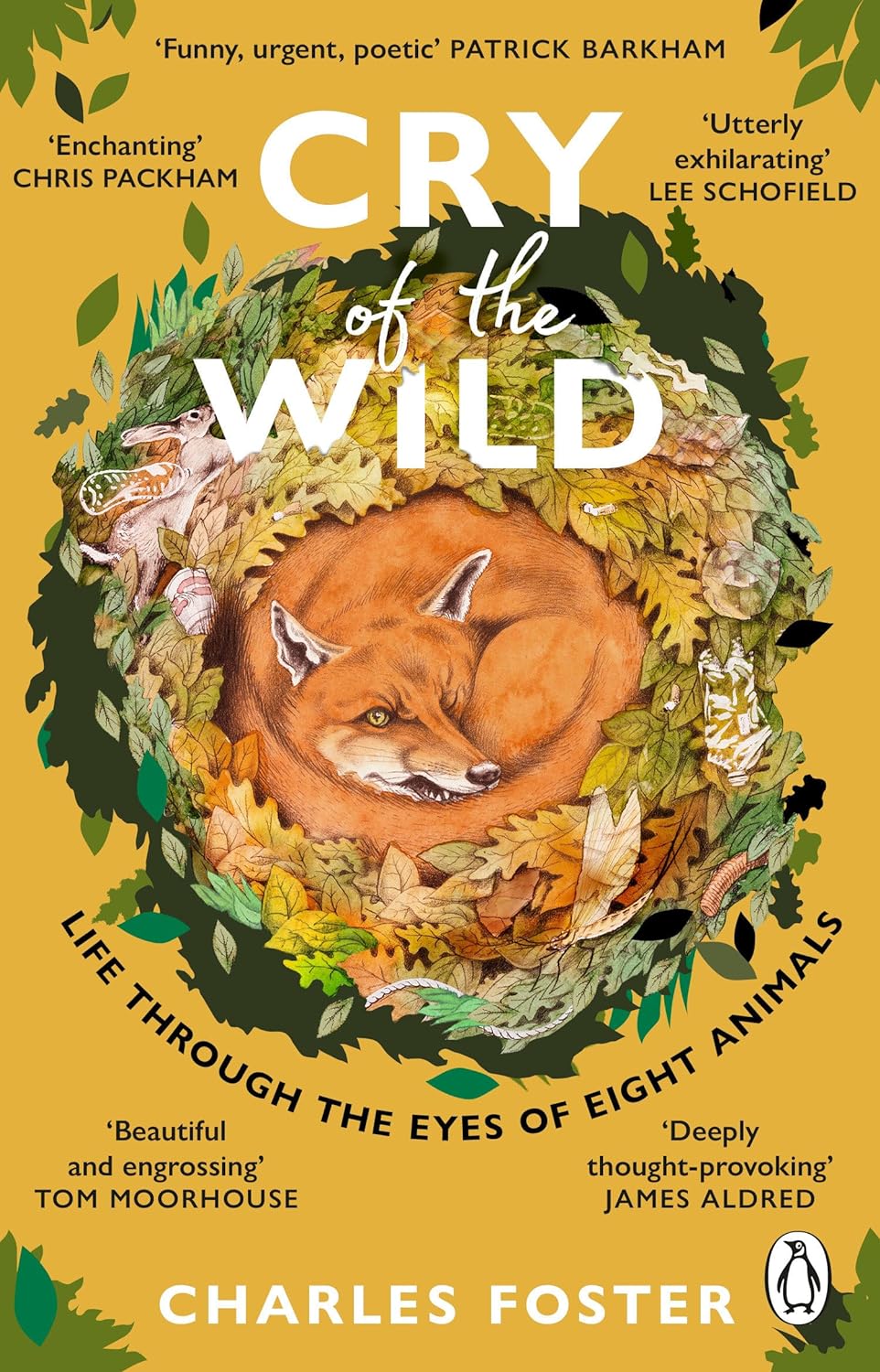
Cry of the Wild is a unique book on eight animals who have had to learn to adapt to the way humans build modern life.
A fox (grown strong on pepperoni pizza from East End dustbins) dances along a railway track towards Essex.
An orca (mourning the loss of her mother on the Isle of Sky) knows she must now lead the pod as matriarch.
At moonrise in a West Country river, an otter floats slowly downstream. Also read of geese ‘flying in from the north with snow falling from their wings’ and life imagined through the eyes of a young rabbit and a white owl.
This book gives us the chance to inhabit the lives of a cast of wild creatures as they navigate a changed world. By turns tragic and joyful, every story yields fascinating insights into the way our fellow earthlings make their way through life:
- Fox
- Orca
- Human
- Mayfly
- Rabbit
- Gannet
- Otter
- Eel
Charles Foster is a Wainwright-shortlisted nature writer. He is a fellow of Exeter College and University of Oxford and has particular passions for Greece, waves, mountains and swifts.
Meet 20 of Nature’s Tiny Champions!

Nature’s Tiny Champions is a unique friendly book, introducing us to 20 of teeny creatures worldwide, that do so much to help our planet. Some of the biggest impacts on our planet is made by some of earth’s smallest species.
We often hear about the importance of amazing large animals (elephants and whales!) But what are the little creatures, whose role is just as vital? This book sheds light on some of the animal kingdom’s most unlikely heroes.
You’ll meet:
- Nocturnal dung beetles
- Cape dwarf chameleons
- Golden poison frogs
- Bumblebee bats
- Reef starfish
- Bee hummingbirds
Learn how the tiny insects, invertebrates, amphibians, reptiles, mammals and birds all play key roles in natural phenomena like migration, food chains and pollination.
Each miniature miracle-worker is portrayed with a life-size diagram, along with detailed views of its attributes. And lots of bite-size facts!
Ben Lerwill is an award-winning children’s author and freelance writer. He has previously been shortlisted for a Wainwright Prize for Children’s Literature.
The book is illustrated by Nic Jones, who draws nature inspiration for her work in the ‘beautifully cloudy’ northwest of England.