Safe Havens for Garden Birds: Swaps for Feathered Sanctuaries
In England, we are blessed with many birds, from those that live year-round in our gardens, to visitors from other countries for part of the year.
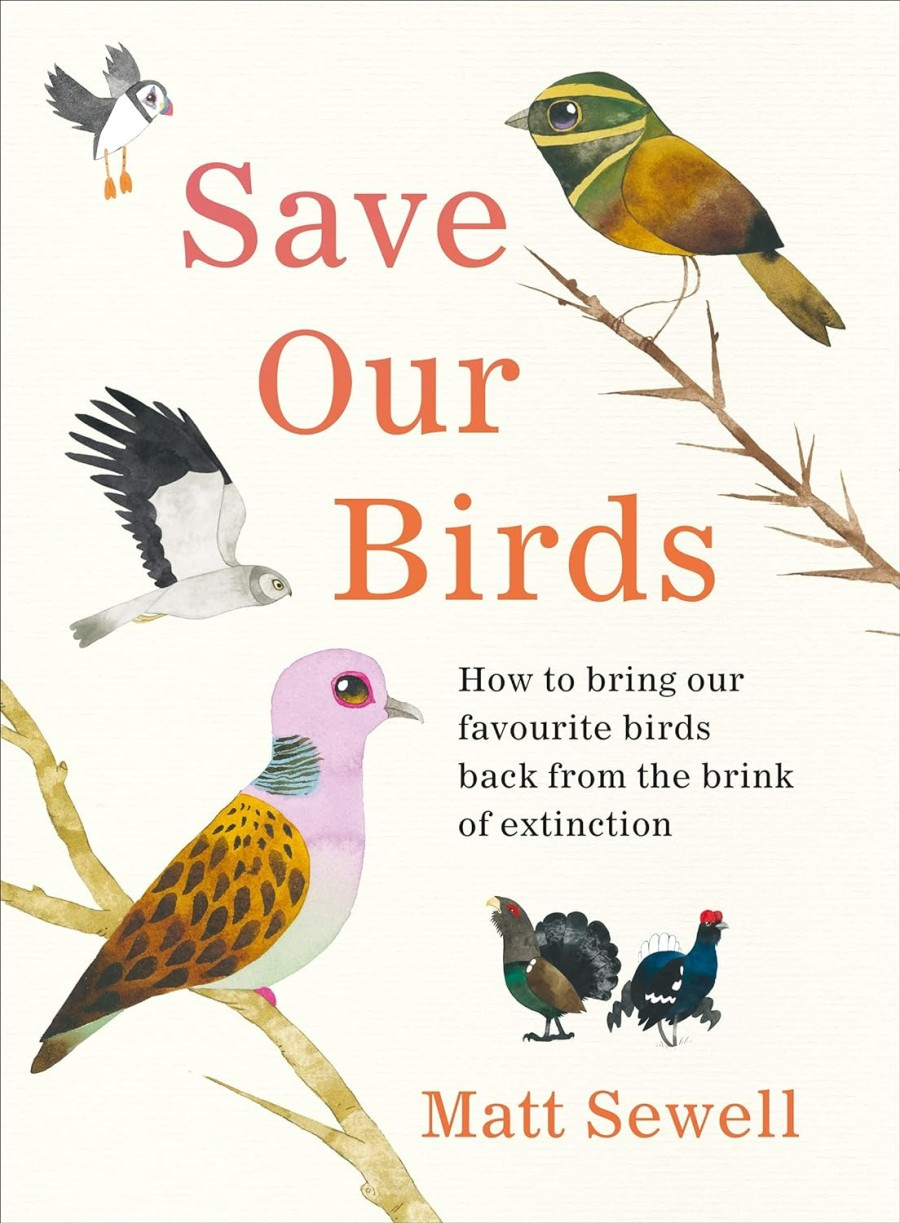
Save Our Birds is a wonderful book by artist and ornithologist Matt Sewell, making it as fun and interesting, as it is important to save our garden birds.
Provide natural wild spaces for wild birds
Birds that visit our gardens are still wild, so it’s best to first of all restore their natural habitats like hedgerows (flying into dense cover is safer than manicured topiary hedges) and meadows. Wild berries don’t go on holiday or die, so birds don’t come to rely on us.
But as we’ve lost most of these spaces in England, millions of wild birds now visit our gardens to feed, drink and nest. So creating places that are safe for them is good, but still don’t make them rely on you.
Leave one corner of your garden less tidy. Long grass, wildflowers and log piles offer insects and seeds, plus safe hiding places. Wild patches help reduce the risk from cats and other animals, and garden birds use these areas for rest and shelter all year.
If ‘planting for garden birds‘, read about pet-friendly gardens (many plants are unsafe near animal friends). See below for tips to protect garden birds from cats (natural predators).
Garden birds (and wildfowl) don’t need bread. Stale crusts, crackers or pizza could choke, and mouldy bread could harm. Also avoid feeding anything with salt, or buttered bread (fat can smear on feathers, affecting waterproofing and insulation).
How to stop birds flying into windows
Read how to stop birds flying into windows).
- Turn off lights when not in use. This is a huge factor in prevent strike, especially in glass buildings (which reflect foliage and cause confusion) are lit up at night. In Canada, a ‘lights out’ campaign has resulted in millions less birds being killed. If you use lights at night, then use blinds and curtains, and desk lamps.
- Don’t face indoor plants to outdoor gardens. Again, reflection confuses birds, who think they are flying into gardens (territorial birds like robins are tempted to fly into their own reflections).
Be careful where you place bird feeders
- Birds Canada recommends placing feeders within 1 m/3 ft of a window, so birds cannot build up enough momentum to fly into windows.
- Environment Canada notes that the evidence for ‘farther than 10m/30ft’ is not as firm as people often claim. Cornell also says the old feeder-distance rule should not replace making the glass bird-friendly.
- Avoid landscaping walkways that could funnel birds towards glass.
- Place feeders at least 5/6 feet above ground (away from cats) and sheltered from strong wind/sun, with a 360-degree view to spot predators.
- Also place them at least 6 feet above ground (away from cats) and sheltered from strong wind and sun, with a 360-degree view to spot predators.
- Take advantage of inventions like Feather Friendly visual markers, which helps birds to see windows and greenhouses.
More info on bird feeders
- Know what not to feed birds (and how to site feeders/houses/bird baths safely – clear look-outs for predators and keep cats indoors at dusk/dawn when birds are feeding – avoid ‘climbable’ poles)).
- Never feed nuts to baby birds, nor peanuts with aflatoxin (use proper brand-name feeders for nuts and seeds, not those mesh bags that tear tiny feet).
- Replace uneaten food before it spoils and always remove mouldy leftovers right away. Mouldy seed is dangerous for all birds.
- Clean feeders once a week: Use bird-safe cleaning kits with hot water (or just hot water if you don’t have anything else), and rinse well, drying in the sun. Use a plastic-free scrub brush every few days, especially in warm weather.
- Keep milk bottles away from tit birds, as they will take the tops off to get the cream, but dairy is not good for them.
Offer safe water sources for birds
- A shallow bird bath or bowl set on the ground or a raised spot, helps them cool off and stay clean. Refill with fresh water daily and use a plastic-free scrub brush keep it free from dirt and algae (avoid chemicals).
- Place a few large flat stones in the bowl, so smaller creatures like bees and butterflies who take a drink, have a safe landing pad.
- Keep bird baths clean with boiled water, rinse and fill again (or use a shallow non-glazed dish with flat stones so bees and butterflies can drink safely).
- Read more on water safety in gardens and wildlife-friendly ponds (avoid netting).
Keep cats and other predators away
Cats are natural predators of birds, so don’t attract birds to your garden, if you live with feline friends. Keep cats indoors at dawn and dusk, when bird are likely feeding, and avoid wooden bird tables, that cats can claw up.
Avoid chemicals and leave leaf litter
Ask your council for the recommended methods of safe disposal of chemicals and pesticides. This will help to increase numbers of insects (food for garden birds).
Also use non-toxic slug and snail deterrents (again a main food source for many birds, like thrushes). Leave your garden a little ‘messy’, to provide leaf litter, piles of twigs and habitats for earthworms (another food for birds).
You can usually recycle empty bottles and containers, and take half-used bottles to household hazardous waste (in a secure container to avoid contaminating your car). Never pour unused chemicals down drains/sinks as this will contaminate water supplies and harm wildlife.
Safe nesting areas for garden birds
As natural habitats shrink, nest boxes are important for birds to raise their young. But it’s important to choose the right nest box by species, and site it to avoid wind, rain and hot sun (and stay safe from predators).
- Most nest boxes are best placed a few metres above ground, facing north or north-east to catch the early sun. Site on vertical surfaces (shed walls, fences, pots or trees), so birds have clear (secluded) flight paths. And site slightly downwards, so rain can drain away.
- Never use coloured or metal nest boxes (these can attract predators and overheat – sharp corners of ‘little house’ designs can harm). Good nest boxes are made from plain untreated wood.
- Birds can find their own nesting materials. Never leave out tumble drier lint or human hair/pet fur, it can choke or tangle (or contain scents from shampoo or medicine remnants, all could harm).
- At end of breeding season (check by species), remove old nesting materials (it’s only legal to remove dead and unhatched chicks from October to January). Place old nests in gardens, so spiders can escape.
- Clean the nest box with boiling water, then leave to dry naturally (avoid chemicals that could harm the next brood). Simon King has a simple video, on cleaning out a nest box.
Wildlife presenter Hamza Yassin recently said that his dream would be if children could name five trees, instead of five Kardashians! This is the same kind of thing. Do you know the names of five species of birds that visit your garden or park? If not, why not?
Imagine a garden entirely without birds. Imagine a whole street empty of them; a town with no spring nests or morning birdsong; no swifts or swallows overhead on hot days. Actually, don’t. It’s far too horrible.
Our once insect-rich summers are now a thing of the past, due to pesticides and intensive farming practices. All of our outdoor spaces are owned, managed and pumped full of chemicals to yield as much from the earth as possible. Matt Sewell
The book of birds (a dazzling celebration)
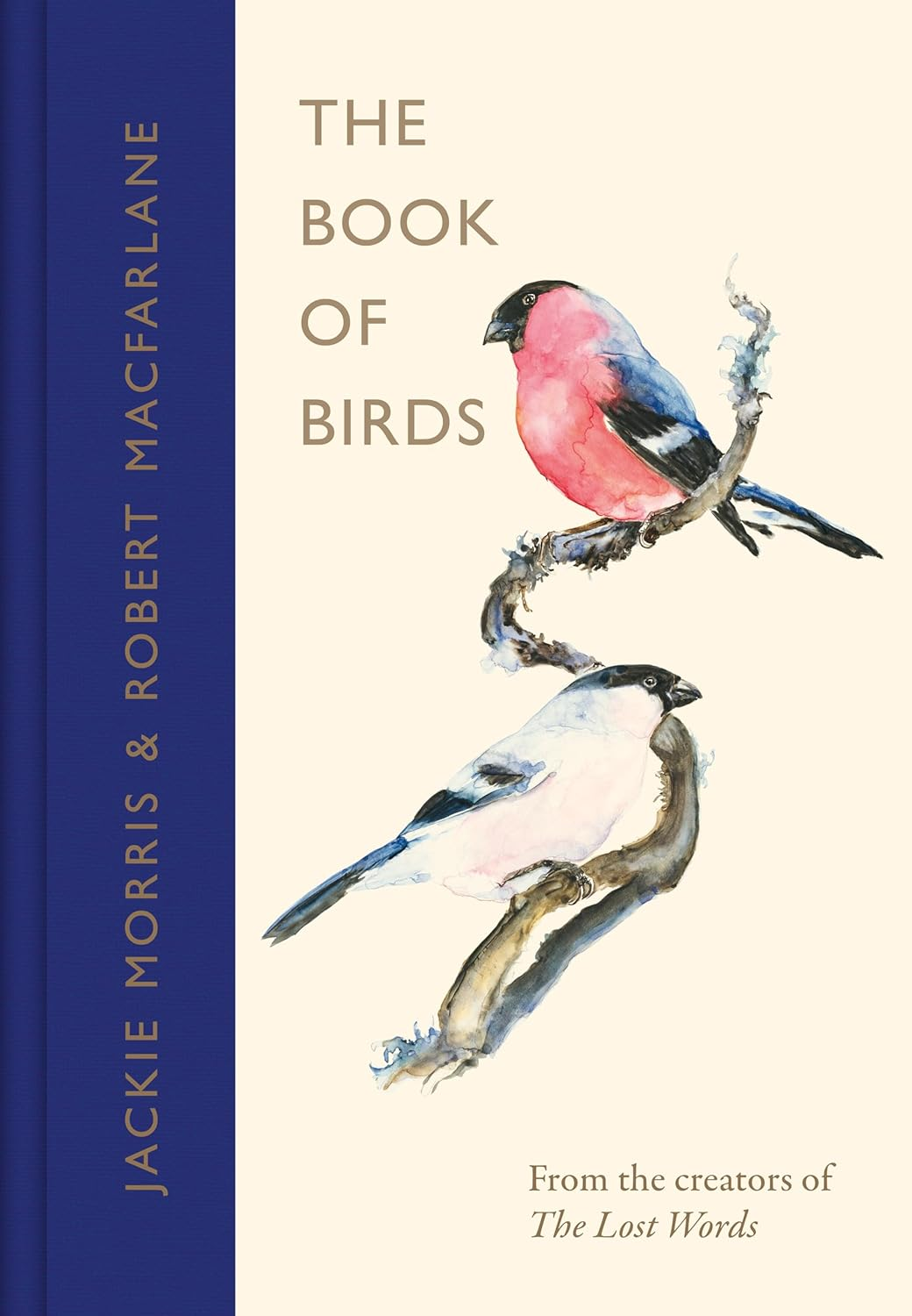
The Book of Birds is a collaboration between artist Jackie Morris and writer Robert Macfarlane, who wrote the giant book The Lost Words. on treasuring words from the natural world. With quieter dawns and spring, this is designed to bring back our birds, we still have time.
Find a compendium of 49 bird species (all in danger) – from avocat to yellowhammer. From Dipper to Dunnock and Kestrel to Kingfisher. The book shows readers how to identify each bird, in any habitat.
You’ll learn about each bird’s habits and habitat, patterns of flight and song, how they hunt, nest and raise their young. And how we can help them thrive. Each page is mesmerising with art in watercolour and gold, to inspire. Explore the ‘seven wonders’ of birds: Nest, Egg, Beak, Song, Feather, Flight and Migration.