Voices of the canopy: protecting rainforest communities
Tropical rainforests store a massive amount of carbon in the trees, which helps to stop releasing carbon in the air, and therefore are one of the best ways to prevent climate change.
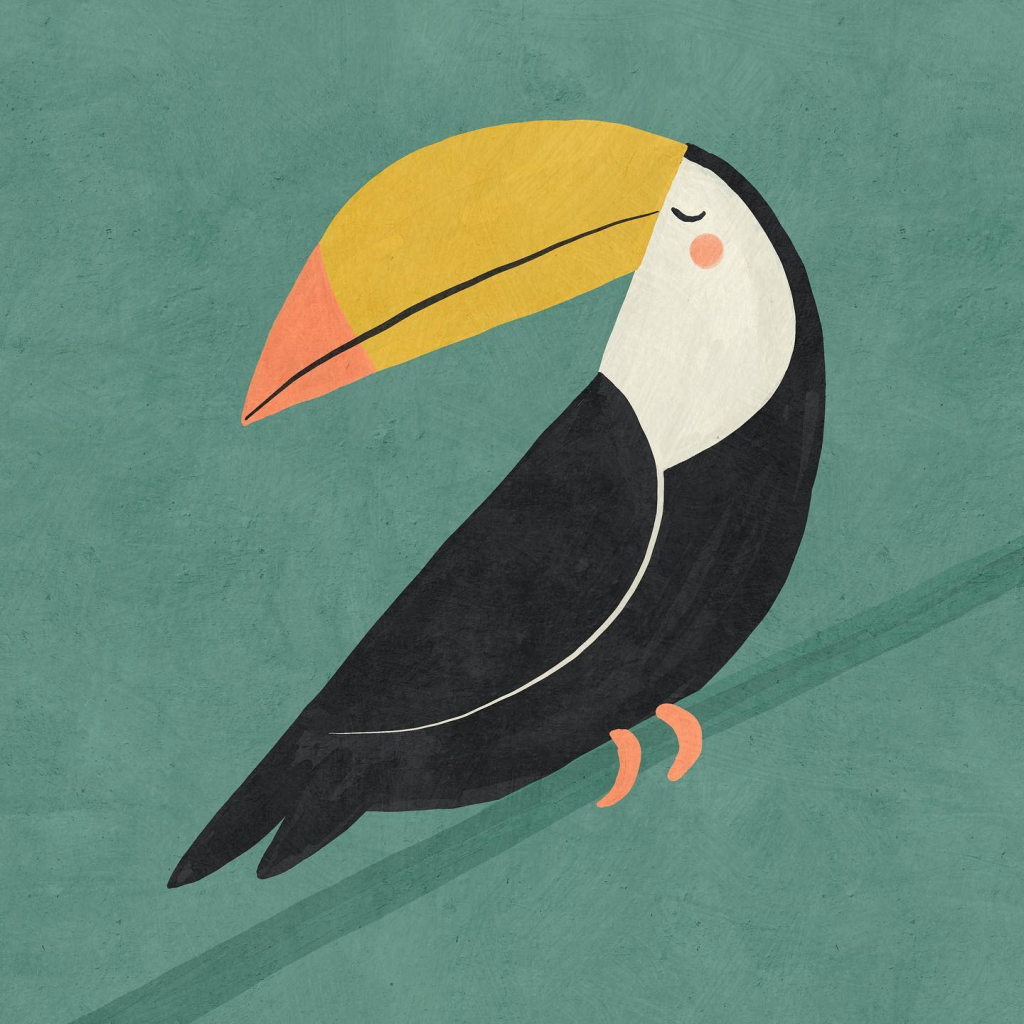
They are also home to half of the world’s plant and animal species (jaguars in South America and orangutans in Borneo). And colourful wild birds like macaws, toucans and parrots.
Over a quarter of medicines come from rainforest plants, including treatments for cancer, malaria, and infections. Scientists still discover new cures in these forests. Cutting down rainforests shuts the door on future discoveries that could save countless lives.
It’s estimated that the Amazon rainforest produces around a fifth of the world’s oxygen. Yet a fifth has already been lost to logging (for timber), rubber (for car tyres) and food (trees cut down for both cattle grazing and soy production – most used for animal feed).
Obviously anything made from wood comes from trees, and a lot of wood is from abroad. So protect habitats for all species, try to choose recycled or reclaimed where possible (or tree-free).
Who is Buying Beef from Brazil?
Around 80% of Amazon forest has been destroyed to create pasture land for cattle used to sell as beef (the main marks are China and the US – in 2021, major fast food chains bought most of it for western consumers). The UK and Ireland also buys Brazilian beef (usually as corned beef).
If you eat beef, choose organic free-range from local farmers. If you eat soy, choose sustainable brands like Tofoo and Oomph that don’t source from rainforests.
In Peru, a recent law has forgiven all illegal logging, which some think will give a green light to both the logging and cocaine industries. Recently two park rangers have been killed.
This echoes what happened to environmentalist Paulo Paulino Guajajara, who was shot in the head in Brazil, for defending his rainforest home from loggers. Just before he died (he had been threatened several times), Paulo wrote:
We are protecting our land and the life on it: the animals, the birds. These people think they can come into her our home, and help themselves to our forest. No, we won’t allow it. We don’t break into their houses and rob them, do we?
The Lost (temperate) Rainforests of Britain
The Lost Rainforests of Britain is an award-winning book about the temperate rainforest that may once have covered a fifth of our land. Environmental writer Guy Shrubsole travels through the Western Highlands and the Lake District, down to the rainforests of Wales, Devon and Cornwall to map these spectacular lost worlds for the first time.
England does has many temperate rainforests (wet and mild which create canopies for woodland birds), which are as endangered as the Amazon rainforest. They are found in Devon, Cornwall and Cumbria.
Jay birds love acorns, so bury them in temperate rainforests. But they often forget where they put them, so they grow into new oak trees!
Did you know that oak trees are toxic to horses and livestock? Also keep conkers away from dogs.
A temperate rainforest is a cool, very wet woodland where mosses, lichens, and ferns thrive. Europe has only small scraps of this habitat left, which makes England’s remaining pockets feel even more special.
These woods don’t shout for attention. They whisper. You notice them when the air turns damp, the light goes green, and every branch looks furred with moss. Streams often run through steep-sided valleys, and the ground stays springy underfoot.
Wildlife is part of the appeal, but so are the tiny things. Lichens, liverworts, fungi, and mosses can be the headline acts here. They need clean air, steady moisture, and time. When those conditions hold, the whole woodland feels older than it is, like a library of living texture.
Where are England’s rainforests?
You can still find rainforest-like woodland in parts of Cumbria and the Lake District, especially in sheltered gills and valleys where water seeps and air stays cool. Wetter western fringes also hold fragments, depending on local weather and land use. Nearby strongholds across the UK sit in Wales and Scotland, but England still has places worth seeking out and protecting.
On a walk, look for a few tell-tale signs: dripping rock faces, mossy oaks, thick ferns, shaded stream banks, and tree trunks patterned with lichens. If it feels like the woodland is wearing a damp, green jumper, you’re in the right kind of place.
An Irish Atlantic Rainforest (an inspiring rewilding story)
An Irish Atlantic Rainforest is an award-winning book, by a man who rewilded a 73-acre farm he bought, on the Beara peninsula.
This is a story more of doing nothing than taking action – allowing natural ecosystems to return and thrive without interference, an in doing so, heal an ailing planet.
From Canopy to Cactus: We Must Protect Jungles and Deserts
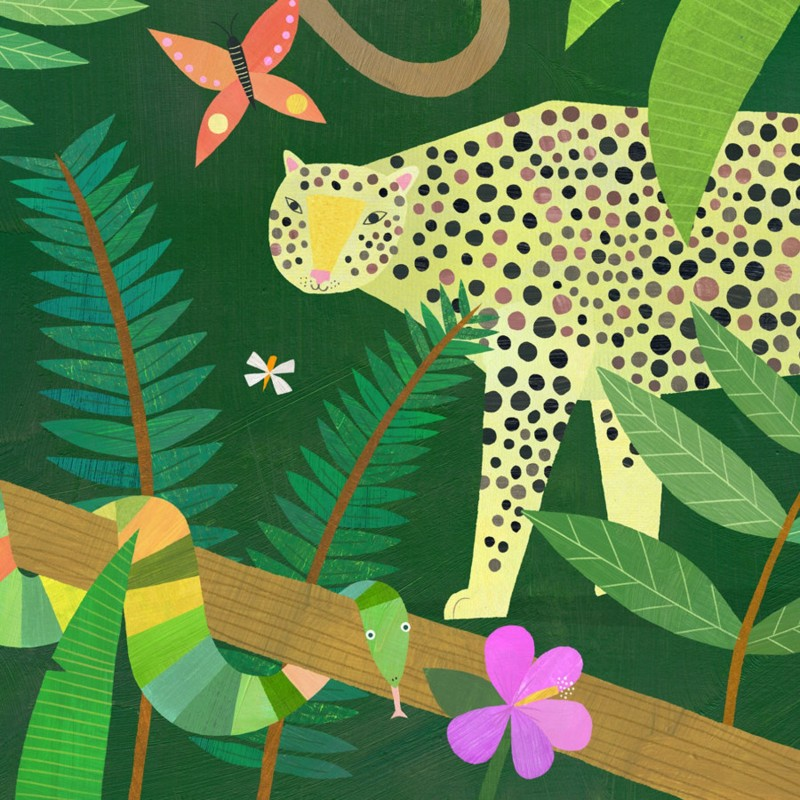
Alongside rainforests, it’s just as important to save tropical jungles and arid deserts, which although not local to England, are home to some of the most wonderful and endangered species on earth, and also affect global temperatures and climate change issues.
Jungles are packed with mammals, birds, reptiles and amphibians. Bright-coloured frogs, chameleons, and rare snakes find the shelter and food they need here. Many of these cold-blooded creatures have nowhere else to go if the canopy falls.
Jungles Let the Light In!
Jungles are a bit like rainforests, but instead of having a canopy floor, these let light in to make plants grow, and different types of creatures live in them. In fact, there are so many plants in a jungle, that it would sometimes be difficult to walk in it!
That’s why a lot of jungle animals live in trees (monkeys and even big cats climb trees). Mostly found in central and South America (just like most rainforests), they are nearly all near the Equator so you won’t find any in England!
Some common creatures that live in jungles are:
- Jaguars (big cats)
- Tigers
- Howler monkeys
- Cobras
Clearing jungles puts whole populations at risk by taking away their food, shelter, and safe spaces. Protecting their home offers the best chance for these animals to thrive.
Like rainforests, tropical jungles act like the earth’s lungs, by absorbing huge amounts of carbon dioxide, due to tall trees and thick layers of leaves, that soak up greenhouse gases, and store carbon for years.
Many of today’s medicines come from jungle plants. Hundreds of wild plants, roots, and fungi are used to treat everything from fever to cancer. If jungles disappear, so do possible cures and key ingredients for treatments we haven’t even found yet. Common medicines from jungles include:
- Quinine is from the cinchona tree, to treat malaria.
- Vincristine is from the rosy periwinkle, to treat cancer.
- Morphine is from the opium poppy, to treat pain
- Digitalis is from foxgloves, to treat heart conditions
Rainforest trees pull carbon dioxide (CO2) from the air as they grow. They lock that carbon into trunks, roots, leaves, and the soil. Over time, that storage adds up to an enormous carbon bank.
When forests are cleared or burned, the maths flips fast. Carbon that took decades to store can go back into the atmosphere in days. After that, fewer trees remain to soak up future emissions, so the problem builds.
A rainforest can hold an astonishing number of species in a small area. Birds, frogs, orchids, beetles, fungi, and trees share space in layers, from shaded ground to high canopy. Many species live in one region only, so if that habitat goes, the species may go with it.
Protect The World’s Arid Deserts (simple tips)
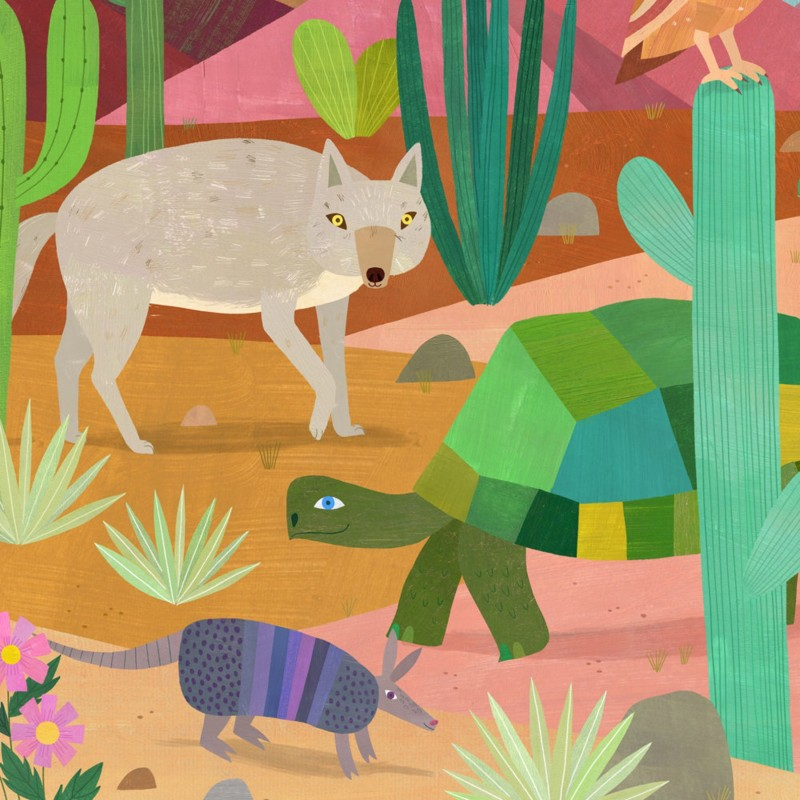
Arid deserts might seem harsh, empty, or even lifeless to some. In reality, they play a key role in our planet’s health, helping sustain rare habitats, native wildlife, and even the balance of our air.
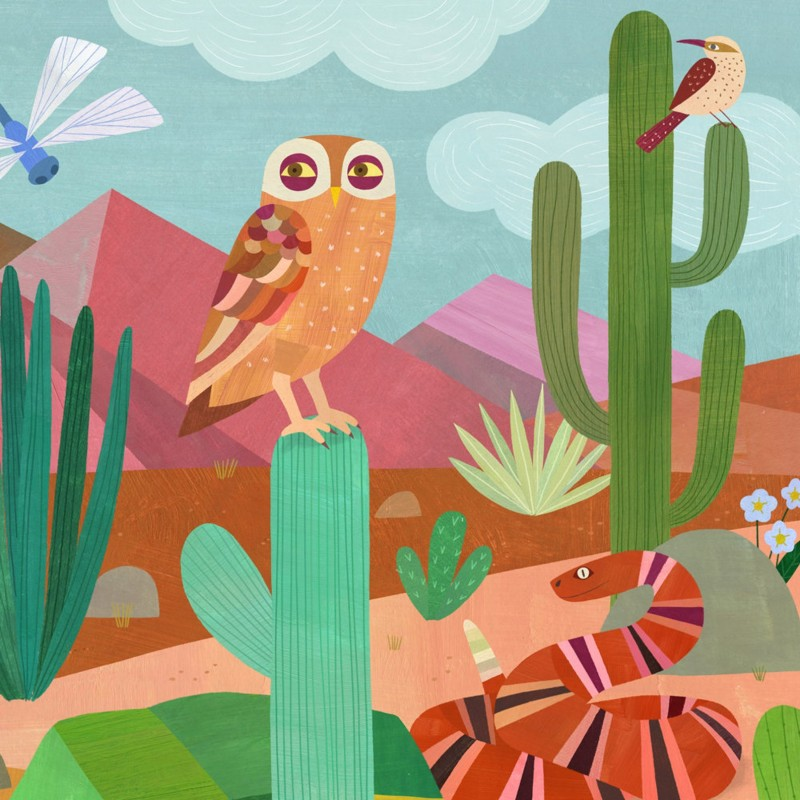
Many creatures live only in desert habitats: rare lizards, snakes, and insects that have adjusted to hot, dry days and chilly nights. Birds such as the greater roadrunner or desert lark thrive in these rough conditions.
Reptiles do especially well in deserts. Species like the Mojave rattlesnake or bearded dragon rely on open, sun-baked ground. Some live below ground to escape the heat, while others change colour to blend into sand or stones.
One of the most familiar desert trees is California’s Joshua Tree, which can take up to 75 years to flower! They are actually a species of yucca that lives in a protected park that supports up to 60 native mammals. Due to climate change, it’s the first tree to be listed as an endangered species, just like for animals.
Because desert habitats can be isolated, many species exist in one place only. That makes them easy to lose. Small changes, like repeated off-road driving, can crush shelter sites and break fragile ground. Mining, new roads, and uncontrolled tourism can also cut habitats into fragments, which makes it harder for animals to feed and breed.
Rainforests and deserts look nothing alike, yet they share a simple truth: they support human life, and they break down when we take too much too fast. One burns and floods when disturbed. The other crumbles and blows away.
England’s Own Desert – in Kent!
You would not think it, but England also has a desert. It’s in Dungeness in Kent, on the southeast coast. It’s not officially declared as such, but is one (the Met Office won’t classify it, as it receives more rainfall than a desert does).
This triangular space of land was formed by different sediments and includes Romney Marsh, 7 lighthouses, a light railway, 30 houses (converted from old railway coaches) and concerningly, two nuclear power stations.
From the Old Norse word ‘nes’ for headline, it also houses one of England’s biggest expanses of shingle, with the RSPB trying to keep the area free from over-tourism, to protect resident birds. The area is also home to many rare bees, beetles, spiders and moths, and over 600 plant species.
A unique species found here is the Sussex emerald moth, who emerges at night, and is bright green, hence its name.
Avoid using off-road vehicles in fragile habitats.