Endangered Wild Giraffes (and how to save them)
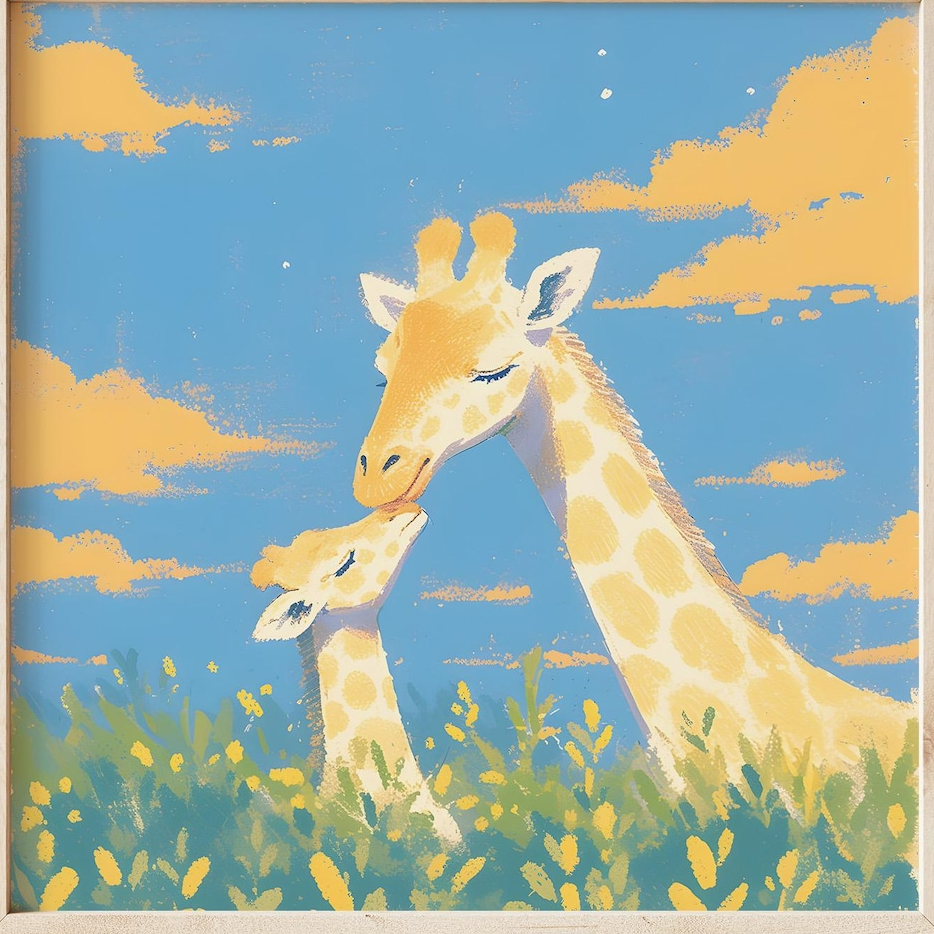
Giraffes are the tallest animals on earth, and live in Africa naturally. they can run over 55km an hour, so need plenty of space to run, and live on over 100 different leaves and twigs (plus grass and fruit) in open woodland, wooded grassland, shrublands and savannahs. They live up to 25 years, in herds of three to ten giraffes.
Born Free and Freedom for Animals are at the forefront of campaigning to conserve giraffes in their natural habitats. As in zoos, they are not in natural herds, it’s not their natural climate and they don’t have enough space to run as nature intended.
Giraffe numbers are now declining, but the answer is not to breed them in zoos, it’s to restore natural habitats (lost to mining, quarrying and fossil fuels) plus legal/illegal hunting, snares and paradoxically premature deaths in zoos (where they also lick metal bars and twist their necks, due to boredom).
Born Free funds a team that patrol and remove snares from wild giraffe habitats, to keep them safe (they help to prevent poaching and educate communities, to stop the bushmeat trade). Other teams help to prevent and manage wildfires.
If you are concerned about any animal you see in a zoo or circus (in England or abroad), complete Born Free’s captive animal report form for them to investigate.
Support Conservation Groups in Africa
Giraffe Conservation Foundation and Save the Giraffes are working to save wild giraffes in their natural habitats. We don’t need to import them here to live in cages, to be gauped at by children (who spend about 20 seconds looking at each animal – this is entertainment, not education).
Giraffes are racing towards silent extinction, numbers have plunged over 40% in 30 years. There are now less than 100,000 giraffes left in the wild.
Avoid Zoos That Keep Giraffes
Giraffes don’t belong in zoos. Their size and social needs make it hard to give them a healthy life in small, indoor enclosures. The Copenhagen Zoo raised concerns after culling a young giraffe was culled, dissected and fed to lions, in order to make room for a new male lion cub, despite the offer a new home.
Female giraffes form long-term relationships with other females, creating nursery groups for their offspring. Yet several UK zoos (including London) only hold one or two giraffes, and some only hold a single female.
Wild giraffes spend a third of their day walking, while the average European zoo offers a home around 0.05% of the average home range, leading to overgrown hooves and stereotypical pacing . The climate also forces them to have outdoor access restricted, when temperatures fall too low). Kate on Conservation
Support Ecotourism to Help Communities
Choose safaris and wildlife trips that hire local guides and protect wild habitats. Responsible travel sends money straight to communities. Always check that tour companies have good records on animal welfare.
Never stay at hotels that let you touch or feed wild giraffes.
Ban Giraffe Trophy Hunting
Some giraffes are still hunted for their skin, meat, and bones. Getting involved in petitions or writing to MPs and other leaders can encourage them to pass and defend laws banning giraffe imports and exports. Strong laws mean safer wild spaces for future generations of giraffes.
In 2025, customs officers in the USA founder over 100 giraffe body parts brought from African hunting trips. British hunters are importing giraffe body parts, as the trophy hunting bill is being stalled in the House of Lords. Trophy hunting imports are also legal in the USA.
Habitat loss breaks up herds and cuts off food
Most giraffes need room to move, browse, and find water in the dry season. However, farmland expansion and settlement growth can turn that room into a patchwork. Add fencing, roads, and mining sites, and a single herd’s range can become a set of cut-off islands.
That fragmentation does more than reduce food. It isolates groups, so fewer animals breed across a wider area. Over time, that can lower genetic diversity and make local problems hit harder. A drought, a disease spike, or a run of poor calves can tip a small group quickly.
Routes to dry-season water matter as well. In many savannas, giraffes rely on predictable paths. When those paths cross new farms or fenced boundaries, giraffes may detour into riskier ground, including roads, villages, and poaching hotspots.
Poaching and illegal trade
Poaching isn’t always about trophies. In some places, giraffes are killed for bushmeat. Elsewhere, skins, bones, or tail hair can be sold or used locally. Sometimes it’s opportunistic. A giraffe near a road, alone and predictable, is easier to target.
Poverty and weak enforcement often sit behind these choices. That doesn’t excuse the harm, but it does explain why blame rarely fixes the problem. When communities face rising costs and few options, illegal hunting can look like a short-term solution.
Enforcement gaps make it worse. If patrols are rare, or court follow-through is slow, the risk stays low for offenders. As a result, giraffes become a “safe” target compared with species that draw heavier attention.
Why saving giraffes matters for people and the planet
Saving endangered wild giraffes isn’t only about keeping a familiar animal on the skyline. It’s also about keeping landscapes working, and keeping local benefits real and fair.
Giraffes live at the meeting point of wildlife, woodlands, and people. When they do well, it usually signals something else is going right too: space is protected, pressure is managed, and conflict is lower.
Giraffes help shape savanna woodlands
Giraffes are browsers. They feed high in trees, often on acacias and other hardy species. That feeding can shape how some woodland patches grow, because repeated browsing changes which branches thrive and which don’t.
They also move seeds in small ways, through dung and simple transport on fur. It’s not magic, yet it’s part of how savannas renew themselves. In healthier habitats, more species tend to hold on, because cover, shade, and food stay more stable across seasons.
Protecting giraffes can support local livelihoods
Where wildlife tourism is well-run, giraffes help keep income coming. Guides, drivers, cooks, lodge staff, craftspeople, and rangers all sit in that chain. Community conservancies can also bring direct payments, grazing agreements, or shared fees, depending on the model.
When local people see steady value, they’re more likely to report poaching, protect corridors, and tolerate the daily costs of living near wildlife.
Protect and reconnect habitats with wildlife corridors
Protected areas matter, yet they can’t be the whole answer. Many giraffes range beyond park lines, especially as water and browse shift. That’s why wildlife corridors are so useful. They keep key routes open between feeding areas, breeding areas, and dry-season refuges.
Corridors can be formal, like designated conservation land. They can also be practical, like negotiated passage through community land, with clear rules and shared benefits. In some places, conservation groups and landowners also remove or redesign fences, so animals can pass without opening the door to livestock losses.
As climate patterns change, connected land becomes even more important. When rains come late, or dry spells stretch, giraffes need options. Corridors turn “trapped” herds into moving herds again.
Reduce poaching with smart patrols, and fair incentives
More patrols can help, but only if they’re targeted and trusted. Ranger training, community scouts, and intelligence-led work often outperform random sweeps. Better kit helps too, yet the real difference comes from local knowledge and consistent presence.
Fair incentives matter alongside enforcement. In some areas, conservation programmes support alternative livelihoods, pay community scouts, or share tourism revenue. Compensation schemes can also reduce anger when wildlife causes costs, although they need careful design to avoid fraud and delay.
Legal follow-through is the last piece. When arrests don’t lead anywhere, deterrence collapses. Strong cases and timely court action can change that.
Use science to guide decisions, from surveys to safe translocations
You can’t protect what you can’t track. Regular counts, whether by aerial surveys, camera traps, or photo-ID, show where numbers rise or fall. Tracking movements can also reveal hidden corridors, seasonal routes, and conflict points near farms.
Translocation can help in specific cases, for example restoring giraffes to safer habitat. Still, it only works when the destination is secure, when monitoring is funded, and when local people support the plan.