Simple Swaps to Drastically Reduce Your Energy Bills

We all use light bulbs. But the old-style (incandescent) versions are not just bad for the planet, they can’t be recycled and convert just 5% of electricity to light, so are not economically good either.
New LED (light emitting diodes) light bulbs do cost more (around £20). But one bulb can last up to 20 years, and save around £40 a year on energy costs for standard households.
They also eliminate problems like flickering (if you have a bulb that takes a while to come on, this will also be solved if you switch).
Go for a good reputable brand like Phillips Hue for safety and effectiveness.
Flickering bulbs can also be due to loose wires, overloaded circuits, faulty electrics or incompatible dimmers. Consult a qualified electrician.
Turn lights off when not in use, use task lights and blinds, and avoid facing indoor foliage to outside gardens, all these tips help to stop birds flying into windows.
Which Energy Efficient Light Bulbs to Choose?
LED light bulbs have typical lifespans of 25,000 to 50,000 hours, so choose carefully before purchase. Experts say that warm white bulbs are best for eye comfort (so good for bedrooms and lounges). Cooler white bulbs are better for offices, kitchens and bathrooms.
LED bulbs are not measured in watts, so you have to get to know your lumens instead! A quick guide:
- 400 lumens: Soft, gentle light for bedrooms
- 800 lumens: Standard brightness for lounges
- 1,100+ lumens: Bright light for kitchens or workspaces
If you use dimmer switches, LED light bulbs need specific models, to avoid flickering or buzzing. So always check that the bulbs you choose are ‘compatible with dimmers’.
Tips for Natural Light in Rooms
You don’t always need lots of light bulbs, you can often get ‘natural light’ into an area, with a few simple tips and switches:
- Remove unwanted furniture, to flood natural light into rooms.
- Dust lampshades and other fittings, to help increase the light.
- Paint your walls in a light neutral colour.
- Position lamps at eye level, to spread soft light.
- Use wall lights or uplighters to bounce light off ceilings and walls.
How to Recycle (old and new) Light Bulbs
Older light bulbs contain mercury and lead, which could pollute soil or water if broken or dumped on landfills. Alas they can’t be recycled, so wrap securely in thick paper, and bin.
LED light bulbs however can be recycled, enter your postcode at Recycle Now to find out where. Many hardware stores and supermarkets now have bulb recycling bins.
Encouraging People to Switch to LED bulbs
In Hawaii, a recent ban has come into place, where old-style light bulbs are no longer for sale. Customers get rebates, to buy LED bulbs.
Recently, a green energy company sent out a press release, saying that one item at ‘just 87p’ could slash your energy bills. This was syndicated to all the major newspapers online, which if you visit them, won’t let you know until you sign up for the paywall. Sign of the times.
When you find the original article, the ’87p item’ is the price of one LED light bulb, in a pack. Why don’t they just say that?
In the USA, things are pretty terrifying. One of President Trump’s actual policies on the official website is signing an order to ‘safeguard the American people’s freedom to choose light bulbs’. This is because he is using outdated advice, believing that LED bulbs work out more expensive (they don’t) and even blames them for making him look orange!
He is pretty well mistaken about what lightbulbs are, and how they work. A lot of his talking points may have been accurate 10 or 15 years ago, but a lot has changed in the world of lighting. Eric Hittinger (associate professor at Rochester Institute of Technology)

radflek (use discount code EN10 for 10% discount) is an affordable and effective way to boost the heat output of your radiator. Rather than ‘turn down the thermostat’ (that can cause hypothermia in vulnerable people and pets), it’s far better to just get more heat out of the radiators, rather than have them just lose heat through the walls, to outside.
The frequently asked questions page answers all the techy things!
Oil-powered radiators are safer than convector heaters that blow hot air into the room (and can cause heatstroke in people and pets). UK radiators plants trees for each order and is Ethy-verified. Its site has extensive info on how to choose and use radiators.
What is Radflek?
Recommended by Energy Savings Trust, it’s a radiator booster that reflects 95% of wasted heat energy, from the back of the radiator into the room (rather than going through walls to the fresh air outside and warming up the street!)
Using one can reduce heat loss by 45%, and pay for itself within a year. It’s basically laminated aluminium foil with a long-lasting coating (used in the building industry) that prevents oxidation and preserves high reflectivity. So less energy is needed to heat your room to desired temperatures.
Never over-heat rooms to avoid heatstroke. The Lullaby Trust has info on safe sleeping temperatures to help prevent SIDS. This includes info on removing hats/socks/clothing in warmer temperatures (including cars) and you can buy a low-cost room thermometer.
Is Radflek Easy to Fit?
It only needs basic DIY skills. If you don’t have these (or are older/disabled), there are many organisations like Age UK that offer affordable help for small jobs around the house.
It just hangs from wall brackets, to do its thing. It only takes minutes to fit, and disappears from view, once fitted. An occasional dusting, is all that’s needed for maintenance.
It’s important to leave a small air gap either side of the Radflek sheet. Full instructions are on the site, including for wall-mounted, floor-mounted and curved radiators.
Buying in Bulk for Large Buildings
Radflek sells to the housing industry and councils, where local plumbers and heating engineers can install Radflek as part of their service, helping to bring down customer bills (this also saves councils money, if they are paying out benefits for those on low incomes, or running say nursing homes).
Same with hospitals and other public buildings (schools and council offices could save a fortune by installing them en-masse). The company also sells internationally (see site for details).
CosyPanda (eco-friendly hot water bottles)

Cosy Panda offers natural rubber hot water bottles sold with eco-friendly covers, all sustainably made, in a range of different colours and Sizes. All carry the Ethy guarantee of being a green company.
An ideal solution in an age of huge energy price increases, these covers feature unique bamboo and cotton combinations of stuffing/lining, for good heat retention.
The covers are handmade in Swindon, and sold in easy-to-recycle packaging. Some are made with recycled plastic bottles (not a good material for clothing due to releasing microplastics in the machine, but good for items like hot water bottles).
If you do wash the cover, read the instructions on how to safely remove it, and launder using a microfibre filter.
Safety Tips for Hot Water Bottles
It’s important to choose a quality hot water bottle for safety, to ensure it does not crack or burst, this could cause serious burns. Look for the UK BS 1970:2012 on the bottle neck, to ensure it meets British safety standards.
- Fill hot water bottles with two-thirds hot (let boiling water cool for 20 minutes) water.
- Don’t use hot tap water, as impurities can degrade the rubber.
- Squeeze out air, then screw the stopper on tight.
- Use a cover or towel to prevent direct skin contact (do not sit or lie on hot water bottles).
- Remove from your bed once it’s warm, before you fall asleep.
- Regular inspect for signs of wear, and store in a cool dry place with the stopper removed.
Hot water bottles are also good to dilate blood vessels and increase blood flow, using to ease muscle strain and arthritis, and menstrual cramps.
The range includes:
- Organic cotton and bamboo covers, for long-lasting heat
- Luxury bamboo hot water bottle covers
- Teddy covers (made from recycled polyester and bottles)
- Recycled faux fur hot water bottle covers
- Long hot water bottle covers (good for aching shoulders, back, tummy and feet)
- Mini hot water bottle covers (good for targeting aches and pains)
Replace Hot Water Bottles After 2 Years
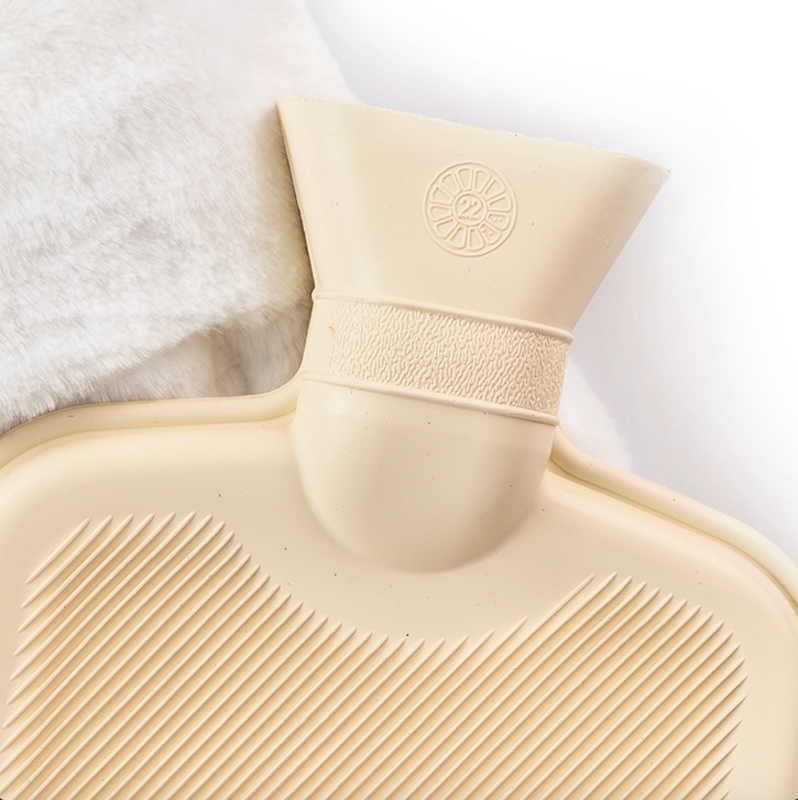
All hot water bottles should be replaced every 2 years or so, as natural rubber does eventually crack with regular use. You can ‘check the age’ of your hot water bottle, by looking at the numbers on the flower-shaped symbol.
You can recycle hot water bottles at rubber recycling plants. CosyPanda say you can also use old ones as mouse mats or garden kneeling pads!
How Cosy Panda Helps Red Pandas!
For each bottle sold, this brand donates to Red Panda Network, which helps to replant the lush Himalayan forests that red pandas call home, now their biggest threat due to deforestation.
Red pandas look very different to Chinese pandas, who also eat bamboo but are adapted to live in the snow (their ‘white faces’ are so bright they can even help mother’s to guide lost cubs in the dark!)
They also have hair on the soles of their paws to walk through snow, and flexible ankles, that let them descend head-first down trees!
Does This Brand Sell Wholesale?
Yes. Get in touch for options, including custom branding.

One of the main 9 things we can do to help reduce climate change is to move away from fossil fuels. In fairness, this has to be mostly from industry. Rather than bash us over the head with instructions to ‘go green’.
The real answer is to reduce oil-based economies by creating walkable communities full of farmers’ markets with organic food – all of this creates far less fossil fuels, than just one person changing suppliers.
How Much Of Your Bill is for Energy?
Although energy companies and MPs say that bills are high due to oil prices, the price you pay is not just for energy (that’s around a third of the bill). The rest is to cover operating costs, VAT and other charges. England has some of the highest energy prices in the world, by comparison.
Companies encourage us to pay by direct debit, based on estimates. But if they are wrong, you end up with the company making interest on money that could be in your account. It’s believed that over £3 billion is held in credit by energy suppliers in the UK.
Ofgem states that you have the legal right to claim this back, at any time. The website shows you how to do it, and you should receive your money back within weeks. If not, you can make an official complaint to them, to sort it out.
For bereavements, as well as the account and meter readings, you will also need a copy of the death certificate, alongside details of family members of executors.
What Happens If You Rent Your Home?
If you rent, your landlord or property manager might handle energy supply, so check with them first before switching yourself. Some rental agreements include energy supplier choices.
Where to Find Help for Energy Bills
- Ensure you are claiming entitled benefits (most unclaimed benefits are for vulnerable people – just one phone call could see many older people get Pension Credit, which is worth £11,000 extra a year, including qualifying for Winter Fuel Allowance).
- AGE UK Warm Homes program can help to install radiator boosters, draught excluders and energy-efficient lightbulbs, and can also help with benefits. One caller with dementia (who had been turning off her eating to save money) ended up £9000 a year better off.
- British Gas Bounce Back List lists over 200 places to find help with bills and grants, and includes a list of warm space café.
Simple Tips to Use Less Energy
By far, the best way to ‘go green’ is to save on the energy you use. Here are Energy Saving Trust’s top tips to save energy (which could save you up to £350 a year on bills if you do them all):
Turning down the thermostat could cause hypothermia in vulnerable people (oil-powered radiators give off cheaper and gentler heat than noisy convector heaters that pump out hot air, and could cause heatstroke in vulnerable people and pets).
- Draught-proof your windows and doors.
- Turn off unused lights (also stops light pollution and bird strike).
- Avoid tumble dryers. Dry your clothes naturally.
- Switch appliances (not your fridge/freezer!) off standby.
- Top up your hot water cylinder insulation.
- Don’t overfill your kettle, fit tap aerators
- Run a more sustainable washing machine
- Run your dishwasher on full loads.
- Swap your bath for a shower. And spend less time in it!
Switch to Energy Efficient Light Bulbs
Energy-efficient light bulbs cost more to start with, but last years and save a fortune in the long-run. They also don’t ‘flicker’. And if you have old bulbs that only come on gradually when you switch the light on, these will solve that problem!
Ensure Your Home is Insulated
The Green Party and Lib Dems both want a nationwide program to insulate every home in the UK (that is not already insulated). This would not only keep people and pets warm, but massively reduce energy bills for both heating and cooling.
Take the Free Carbon Calculator
Take the free carbon calculator. Created by the co-founder of Mitchell & Dickinson (which specialises in reducing energy bills for listed buildings using a modern alternative to double glazing). By taking the advice from results, you’ll not only reduce your footprint, by save a fortune on energy bills.
A third of emissions are from heating draughty buildings. Britain has 27 million homes, so if we knocked them all down (and old buildings are part of her heritage) and built new ones, it would take 270 years. Retrofitting insulation can save owners of older homes over £1000 a year. Mukti Mitchell
His company would like to insulate Buckingham Palace, National Trust buildings and churches, that all spend a fortune on energy bills.
Which ‘Green Energy’ to Choose?
Ecotricity is presently the only greener supplier that does not animal waste from abattoirs or factory farms (which obviously make money from selling it). Businesses with solar panels can sell excess energy back to them, for passive income. Founder Dale Vince owns EcoTalk, a phone company powered by this energy, that uses profits to fund rewilding projects.
Is it Worth Installing Solar Panels?
The sun is a large nuclear reactor that can release photons (pockets of energy) to create energy when photons hit solar panels (made from silicone dioxide – refined sand). Inverters change direct current (like from an AA battery) to alternating current (like from the grid).
Solar energy does have wildlife issues (abroad, some creatures have been incinerated), though some solar farms are creating wildlife corridors and alternative fencing methods to try to keep wildlife away, and using repurposed mine land. Others leave surrounding areas to ‘rewild’ and avoiding mowing lawns during breeding seasons.
England obviously gets less sun. Oxford University’s Physics Department has recently created solar power, without silicon panels. Their light-absorbing material is for coating onto mobile phones, rucksacks and even vehicles.
Solar panels are now installed on 1 in 20 buildings in England, with quick payback times for schools, hospitals, prisons and large offices, that can sell excess energy back to the grid.
Modern systems have attached batteries, so can be installed on flat or sloping roofs to face any direction, and ‘store energy’ while you’re out, to use at night (watching TV, cooking, baths etc).
Any installation under 50 kilowatts should be conducted by an installer registered with MSC (Microgeneration Certification Scheme) the standards body for small-scale sustainable energy systems. This ensures installations are safe.
Wind Power: Help Birds and Bats Stay Safe
It’s true that sometimes wind turbines harm birds and bats, but things are getting better. There are now bladeless turbines (that vibrate in the wind and are said to be more bird-and-bat-friendly). And in the Netherlands, it’s been found that painting one blade black, can help to reduce bird strike.
Beyond that, wind farms study bat patterns to schedule when turbines spin, often turning them off during peak bat activity. This is part of ongoing research and adjustments that balance clean energy with wildlife care. So, wind power isn’t just about blowing away fossil fuels. It’s about doing so thoughtfully, with wildlife in mind.
Wave and Geothermal power
Wave energy is from ocean currents and tides, and again care must be taken to avoid impact on marine life. Geothermal energy taps heat from below the Earth’s surface to generate steady power (nearly all of Iceland’s energy is from this source).
How to Maintain Boilers (and buy new ones)

New homes already have energy-efficient boilers. But many older draughty homes have old boilers that are past their best. Of course the main issue is that new boilers are very expensive, so some people just keep old boilers regularly serviced, until they give up the ghost.
A boiler keeps your home warm and provides hot water, so is one of the most important appliances. When it runs well, it keeps you comfortable. But when it’s old and not working right, it can not only cause higher bills, but even safety issues.
Also read our posts on affordable home insulation and reducing energy bills.
Get an annual boiler check. iHeat offers local Gas Safe registered engineers, who can do this for around £99.
Only Hire Gas Safe Registered Engineers
When it comes to boiler servicing or repairs, only a Gas Safe registered engineer should handle the job. They have the right training, skills, and legal permission to work safely with gas appliances. Using anyone else not only risks your safety but can also break the law and might invalidate your insurance.
Before booking an engineer, check their Gas Safe Register ID card. It shows their registration number, expiry date, and the type of gas work they’re qualified for.
Simple Maintenance Tasks You Can Do
While complex repairs are best left to professionals, there are easy tasks you can do around your boiler to keep it running well:
- Bleed radiators: Removing trapped air improves heating and can stop cold spots. Use a radiator key to open the valve slightly until water appears, then close it. The instructions include an idiot-proof video! if radiator bottoms are cold, ask your boiler service engineer to remove the sludge.
- Check for Leaks: Look around the boiler and pipes for any water or dampness.
- Keep the Area Clear: Ensure the space around your boiler is free of clutter and dust. Good airflow helps it work efficiently and prevents overheating.
- Monitor Pressure: Boiler pressure should usually be between 1 and 2 bar. If it falls too low, top it up using the filling loop following the manufacturer’s instructions.
Installing a Carbon Monoxide Alarm
Carbon monoxide (CO) is a colourless, odourless gas that can leak from faulty boilers and is very dangerous. Installing a carbon monoxide alarm near your boiler is a must-have safety step. These alarms sound early warnings to protect your family from poisoning.
Watch out for symptoms like headaches, dizziness, nausea, breathlessness, and confusion. If anyone in your home has unexplained symptoms, or if the alarm sounds, switch off the boiler, open windows, and leave the property immediately. Call the emergency services from outside and never ignore signs that something is wrong.
Signs of carbon monoxide leaks are floppy yellow/orange flames on hobs/ovens, sooty stains around appliances, pilot lights that go out and condensation inside windows.
Gas leaks smell like rotten eggs. Get everyone out and call Gas Safe Emergency Helpline (never smoke or use ignition switches). Locate your emergency control valve, to know how to switch it off.
What If You Need a New Boiler?
Visit iHeat, to take the quick questionnaire on how to choose a new boiler (you’ll need to know the boiler you have and flue location – the site shows how and where to look). This company also offers fixed-price air-conditioning.
A new boiler costs around £3000 (saving around £300 a year on bills). So start saving! The Energy Obligation Scheme. can tell if you’re eligible for free or discounted boilers.
The government’s boiler upgrade scheme can cover part of the cost of replacing fossil fuel heating systems with heat pump or biomass boilers.
You might qualify for grants if you:
- Receive certain benefits like pension credit or income support
- Live in a low-income household
- Have an older boiler that uses a lot of energy
It’s a good idea to check trusted sources like your local council’s website or official government pages for up-to-date information on who qualifies and how to apply. These programmes often change, so getting accurate, official details is important.
Responsibilities for Landlords and Tenants
When it comes to boilers, both landlords and tenants have clear responsibilities to keep the system safe and working properly. Understanding who must do what helps avoid confusion and keeps everyone protected.
What Landlords Must Do
Landlords carry most of the legal responsibility for the safety and maintenance of boilers in rented homes. The law says they must:
- Carry out annual gas safety checks. Every year, a Gas Safe registered engineer must inspect the boiler and all gas appliances to make sure they are safe. Landlords must provide tenants with a copy of the safety certificate within 28 days of the check.
- Keep boilers in good working order. Repairs and maintenance must be carried out promptly whenever there is a problem. For comfort, and to prevent gas leaks or carbon monoxide.
- Install and maintain carbon monoxide alarms. Landlords must put alarms where gas appliances are, including near the boiler. These alarms must be checked regularly and replaced as needed.
- Provide adequate heating and hot water. The boiler should be capable of supplying enough heat and hot water according to the tenancy agreement.
- Respect tenant access for maintenance. Landlords need to arrange repairs or servicing at reasonable times and must give proper notice before visiting.
What Tenants Can Expect and Should Do
Tenants also have a role in keeping the boiler safe and working:
- Use the boiler correctly. Follow the manufacturer’s guidelines and do not tamper with the system or try to fix it yourself.
- Report issues quickly. If the boiler shows signs of trouble like strange noises, leaks, or loss of heat, tenants should inform the landlord or managing agent immediately.
- Allow access for checks and repairs. Tenants must let the landlord or their contractors access the property at reasonable times to carry out safety checks and maintenance.
- Monitor carbon monoxide alarms. While landlords provide these, tenants should regularly test them and let the landlord know if the alarm is faulty or missing.
- Keep the area around the boiler clear. This helps prevent hazards and allows engineers to work safely during visits.
Affordable and Energy Efficient Washing Machines

With rising energy bills, investing in an energy-efficient washing machine when time comes to replace, is a very good idea. But it’s important to know what energy ratings mean, and which features save you money, and how to take care of a washing machine, to extend its life.
Use with biodegradable laundry powders (unscented for pregnancy/nursing and baby/pet bedding). Launder synthetic fibres in microfiber filters.
Decoding Energy Rating Labels
Every washing machine in the UK must display an energy rating label. A is the most energy-efficient, and will also be cheaper to run and likely use less water per cycle.
Eco cycles clean at lower temperatures (but can take longer) and look for ones with Quiet Mark labels, plus quick wash and half-load settings. Some have a delay timer, to run washes at off-peak electricity rates.
Affordable Washing Machine Options
If you can’t afford to buy a new washing machine, Reuse Network is a nationwide organisation that takes unwanted washing machines, then sells them to people on low incomes, after safety checks. It has a free downloadable Fit for Reuse area of the website, where technicians can learn how to repair washing machines and other appliances, with guidance from trained experts and participating brands.
Maintenance of Your Washing Machine
- Clean the detergent drawer and rubber seals monthly to prevent mould.
- Wipe around the door after each wash to keep smells away.
- Run an empty hot cycle with baking soda and cleaning vinegar every few months to clean the drum.
- Check and clear the filter for lint and debris. Never leave lint in gardens, it can go mouldy and choke birds and wildlife.
At end of life, local councils will collect large appliances with notice). It’s UK law that companies selling you new electrical appliances, must take old ones back for recycling.
Hand-Washing Tips for Energy Savings
Of course you don’t need a washing machine at all. If you are going to hand-wash clothes, use cold or lukewarm water (hot water should be used for babies, pet bedding and for people with weak immune systems – using unscented laundry brands).
Soak stains first and agitate gently to avoid wear and tear. Use natural oxygen bleach, for bad stains. Then after washing, rinse well and wring out, then dry clothes naturally.
Scrubba: A Portable Modern Wash Board
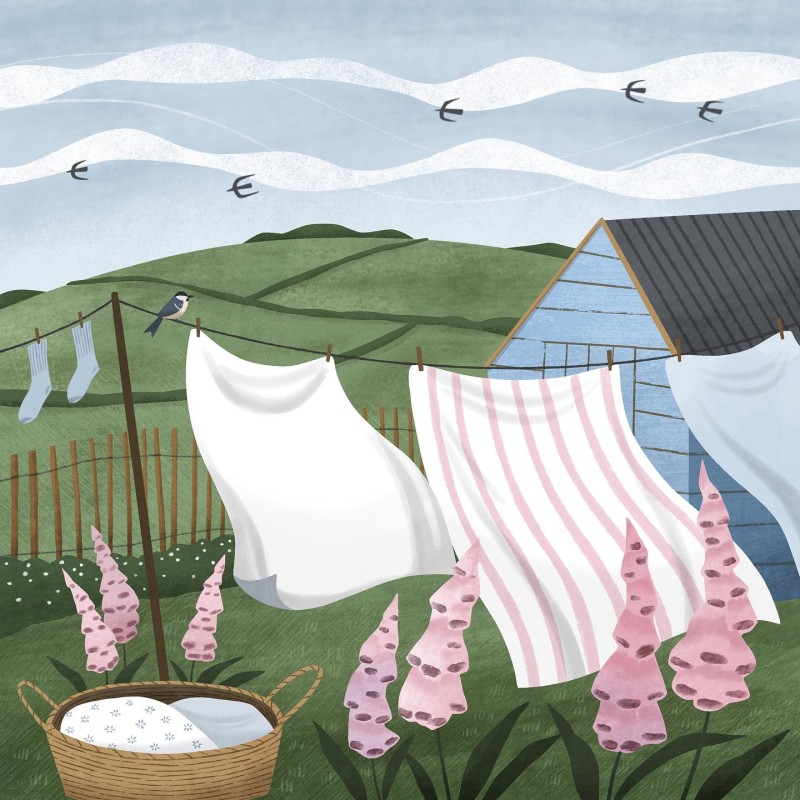
Scrubba is a little invention that is ideal for people who can’t afford a washing machine. It costs around £45 and is basically a modern alternative to a washboard, giving all the results of a washing machine, but just agitating the bag for a few minutes, with no electricity needed.
If washing by hand near rivers, streams or lakes (when camping), tip dirty water at least 30 metres (100 feet) from the water source, to prevent pollution.
Just add water, clothes and laundry liquid, close the bag and deflate it. Rub the clothes against the inner washboard for 30 seconds to 3 minutes, rinse and hang to dry. Scrubba can clean around 2 days worth of clothes in one go, and is used by 500,000 people worldwide. Its sister brand Allurette is rounder and flatter for delicate (so you don’t destroy your lingerie!)
To dry your clothes after washing, just wring them out and lay on a towel, then roll up the towel and twist firm, then hang both the clothing and towel to dry.
Use Your Local Launderette
Most towns still have the odd launderette, which obviously saves you having to buy a washing machine. Kitty’s Launderette (Liverpool) was named after an Irish immigrant who pioneered the washhouse movement, back in the day when most people had no laundry facilities.
This affordable community launderette offers a community space for tea and chat, plus an eco-dry-cleaning service. It also offers free washing services for those who need it, and a repairs/alterations service for clothing.
Run as a non-profit co-operative by local residents, it also offers services for hotels and restaurants, and will even wash gowns and kits for hair salons and local football teams (the city has two quite good ones!)
An Essex Model’s Iconic Launderette Ad
The Iconic Launderette TV ad for Levi Jeans is now over 30 years old (the jeans brand still uses leather patches and chemical blue dyes and has a low rating at Good on You). Instead switch to better brands of sustainable blue jeans.
Still, the ad was good. If you’re too young to remember it, it featured easy-on-the-eye Nick Kamen, who visited a laundromat in the 50s, and sits in his boxer shorts, after removing his jeans, to launder. All set to the theme of Marvin Gaye’s ‘I Heard It Through the Grapevine’.
The success of the ad led to a pop singing career. He was so handsome, that one magazine editor recalled him walking in wearing plain clothes and sunglasses. His girlfriend simply said ‘You have got to be kidding’.
By all accounts a humble kind man who studied painting. He died age just 59, after living with incurable bone marrow cancer for 3 years.
An Off-Grid Manual Washing Machine
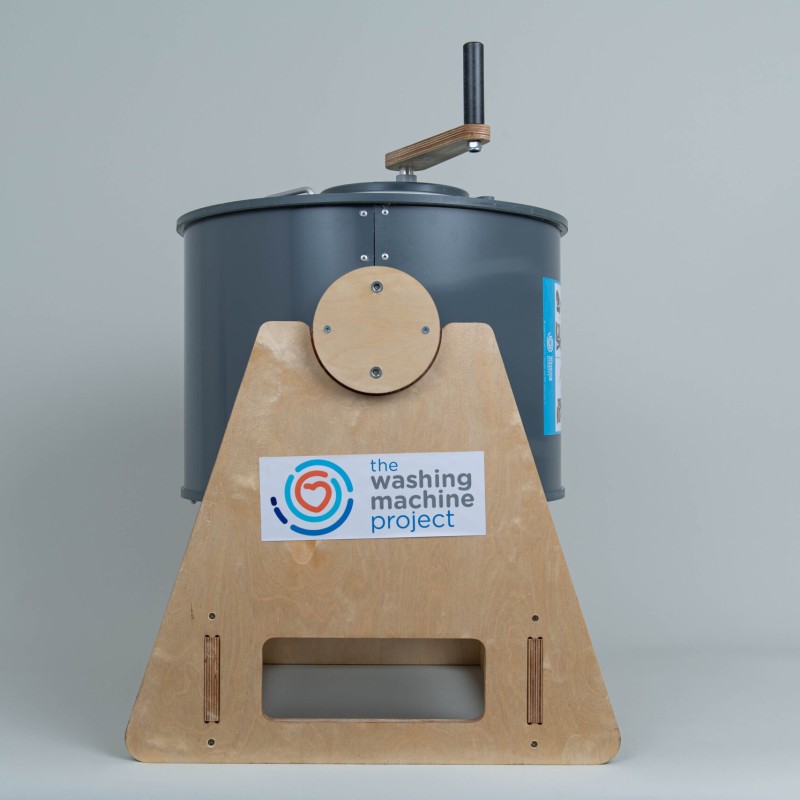
The Washing Machine Project is a simple, affordable and positive solution to many problems in developing countries. An empowering invention already used by 50,000 families, the founder spent time in Africa helping to design better stoves. And after watching a friend spend hours daily washing clothes, she returned to England, determined to do something to help.
This flat-packable washing machine is manually-operated and saves up to 50% of water (important in drought-prone countries). And also saves 75% of the time needed to wash clothes by hand. This also saves backache, and lets women work or children spend more time in school.
One machine can meet the needs of one large family, and the simple design means it needs little work to be repaired locally. It is also easily recycled, at end of life. With just a few minutes of manual turning, the machine washes clothes for 30 minutes, and has a built-in scrubber in the lid, to tackle stains on collars and cuffs.
It also has a wide lid opening, to wash blankets, towels and duvets. Some locals are even using the machine to run their own mobile laundry business, using the durable wheels that easily go over rough terrain.
Reviews from Users
- In India, one woman would spend hours washing clothes each day, carrying heavy water-logged clothing back and forth to the local pond.
- In Uganda, a single mother of three had to wash clothes (in between working) at a nearby underground stream, close to the sewage system.
- In Mexico, women who had back, hip, knee, should, hand and waist pain from washing clothes now make use o the washing machine, which has made them all feel a lot better!
Start a fundraiser, to bring more off-grid washing machines to communities worldwide!

Imagine waking up to the sound of birds, not alarms. No flickering screens. No static from the radio or hum from the mains. Just crisp air, wide skies, and the knowledge that you’re shaping your own day, not the other way round. Living off-grid in England is no longer a quirky side project, it’s an option more people are choosing.
Drawn by the promise of sustainability, independence, and a deeper sense of wellbeing, off-grid life is gaining ground. Nature cabins have become beacons for anyone itching to unplug and find out what living off-grid feels like, even for a short spell.
What Does Living Off-Grid Really Mean?
You often hear people talk about ‘going off-grid’ but what does it actually involve? It basically means cutting ties with the national utilities networks, no longer relying on the electric grid or mains gas.
Water comes from the sky (say from water butts and rainwater harvesting). Instead of a tap linked to a city reservoir. Energy comes from green buildings that need far less energy (usually produced in the form of a solar panel). And Internet is replaced by reading books, or going outdoors!
It doesn’t have to be all-or-nothing. If you don’t fancy living in the woods, you can simply be inspired and take small steps:
- Electricity in the hands of the sun. Solar panels or even small hydro set-ups keep the lights on.
- Collecting and purifying your own water, harvested from rainfall, wells, or streams.
- Heating using wood stoves or biomass, rather than gas.
- Simple, low-impact living, sometimes with composting toilets.

Live Off Grid is a good site from experts, who cover all the bases. It offers nice halfway-houses that let you kind of live off-grid in garden buildings. Giving the mod cons and far lower bills, without building your own mud hut in the woods!

This 20ft shipping container is portable and eco-friendly, with open plan living space, a side entrance with sliding doors, triple-glazed windows and doors, plus full electrical installation and plumbing (including a loo – not ‘shi**ing in the woods!’

Essential Elements of an Off-Grid Lifestyle
To make off-grid life possible in England, you need answers to a few basic questions. Where does your water come from? How will you power your essentials? What about heating in the winter?
- Sourcing Water: Most off-grid homes in England collect water from rainfall or groundwater. This means having water storage tanks, filters, and sometimes UV purification.
- Generating Power: Solar panels do much of the heavy lifting in Britain, thanks to improvements in efficiency. Even on cloudy days, modern panels pull in enough energy for lights, phone charging, and fridges.
- Heating Solutions: Winters are tough. Most off-grid setups use wood-burning stoves, log burners, or heat pumps. Efficient stoves can warm a cabin all night with a single log load, if you insulate well.
- Waste management: Composting toilets turn waste into safe, useful compost. Greywater (from sinks or showers) gets filtered and used for plants.
Growing Your Own Food
Many off-grid homes include a greenhouse or a small veg patch. This closes the loop on food and waste, helping create a resilient, low-cost lifestyle.
Read our posts on pet-friendly gardens and wildlife-friendly gardens, and how to stop birds flying into windows (don’t face indoor plants from homes or greenhouses to outdoor gardens).
How to Start Your Off-Grid Journey

Choosing the Right Location and Community
Finding the right spot is key. You want legal, accessible land with clean water. Britain’s countryside varies a lot in rules, so always check local council requirements and planning regulations. Look for communities of like-minded people, whether co-operative farms or eco-villages.
Step-by-Step: Transitioning to Off-Grid Living
- Make a plan. Picture the life you want. Do you want total independence or a gradual move?
- Set a budget. Tally up costs for land, kit, and running repairs.
- Learn the right skills. Things like carpentry, plumbing, gardening, and even basic electrics.
- Start small. A garden solar project or composting toilet can be your first hands-on step.
- Join a network. Find groups, courses, or meet-ups for support and troubleshooting.
- Go slow. People who succeed at off-grid living rarely rush. Let your journey grow at its own pace.
Unplugged: Off-Grid Short Breaks in Nature
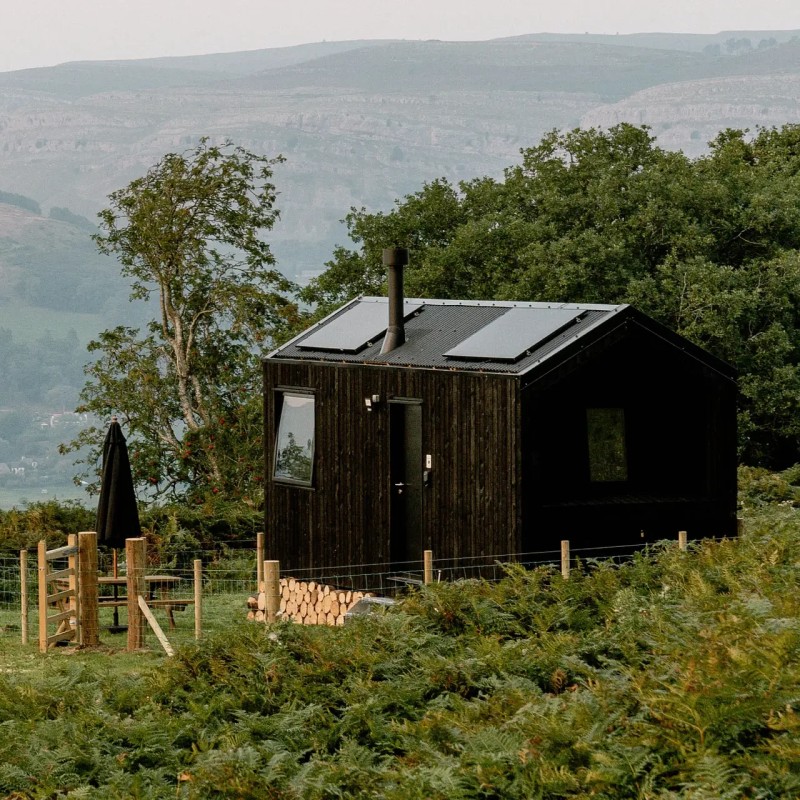
Unplugged is a unique company, which offers off-grid cabins in nature, where you can switch off completely for three days. With over 20 nationwide locations (all near a city and public transport). Then just a short taxi ride from a parking space to your cabin of choice. Some cabins offer hampers (you have to pre-order veggie options).
Some cabins are dog-friendly, do check as others are not, to protect both dogs and wildlife (due to unfenced areas).
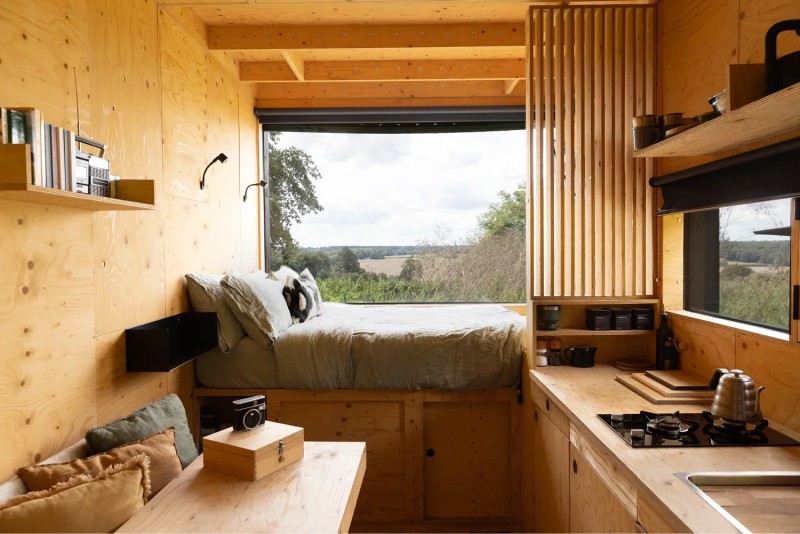
All cabins are sustainably-built in remote areas, with solar-powered showers, kitchens and comfy beds. But there are no phones or wifi, so you won’t be checking your phone within 15 minutes of waking up! It’s time to refresh your mind (not your browser!)
Guests are asked to voluntarily lock away phones and laptops on arrive (there is an old Nokia phone for emergencies). Then just take in views from panoramic windows, or read one of the books or play a board game. There is also a radio, to wind down for early nights, as you immerse yourself in nature.
Unplugged was founded by two young men, who thought that getting away from it all and being in nature should be simple, without any ‘woo-woo’. You don’t need to chant mantras or take crystals, or belong to some religious sect. You can just find somewhere nice to stay without technology, and wind down simply.
Founded by Two Burned Out Businessmen!
Working at a tech start-up, they in the past were working up to 11 hours a day online, then partying hard to wind down after. When they realised this lifestyle was not working, they slowed down, and now help others to as well.
So one went off a fortnight in the Himalayan mountains for some peace, quiet and reflection. He was so refreshed on his return, that he immediately quit his job, to avoid going back to the same lifestyle. Realising what just a few weeks could do for others, the business idea was born.
His co-founder was ‘far less Zen’ and had no intention to go off to meditate with monks. But seeing how his friend’s time away had benefited him, he was willing to get on board to help himself and others have more ‘life time’ and less ‘screen time’.
Little Luxuries
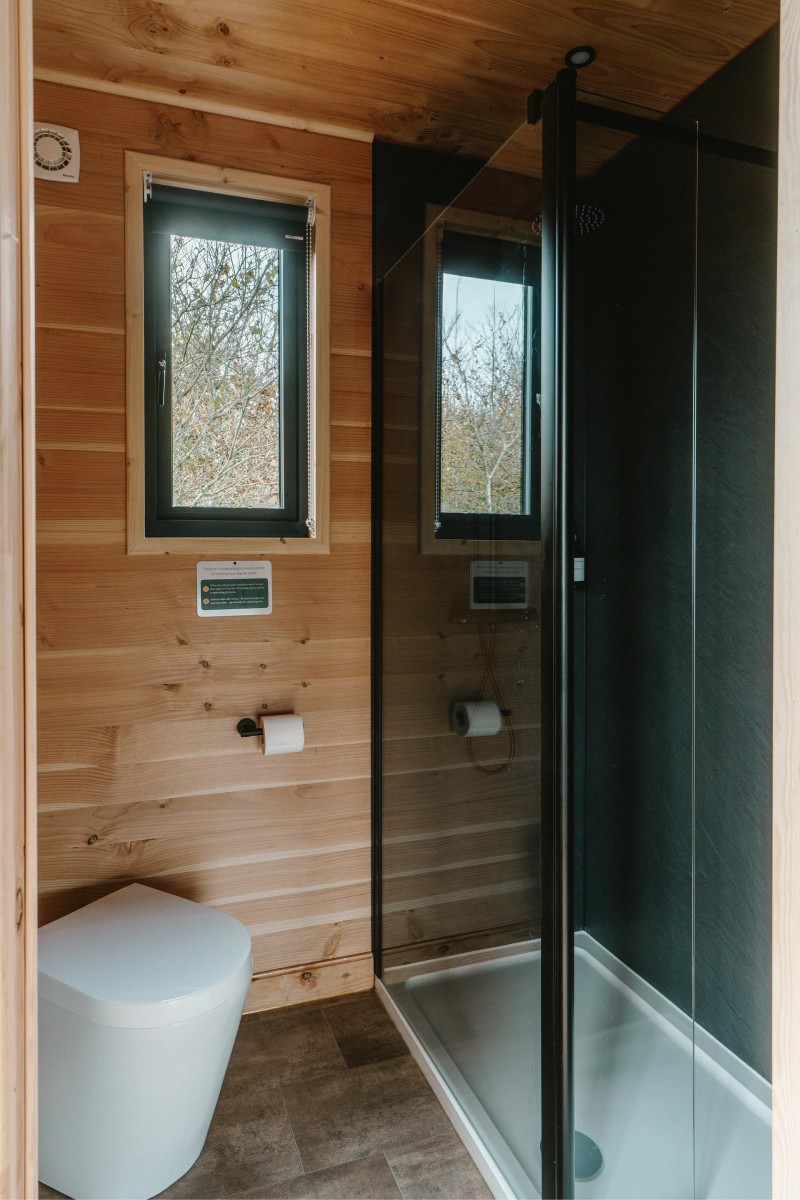
These are not scruffy tents! They are luxury little cabins with proper hot water showers, luxury linen bedding and all the home comforts, but without TV, laptops or phones. And you get solar-powered cabins with picture windows, so you can watch nature spectacles outside. Far more interesting!
Most are just 1 to 2 hours from a city, and have their own parking spaces. The kitchen has all mod cons (along with your basics like good tea, coffee and olive oil), although there is no oven (so it’s pasta tonight!) You’ll find a nice bathroom with modern composting toilet and even a selection of wellies for use outside the door!
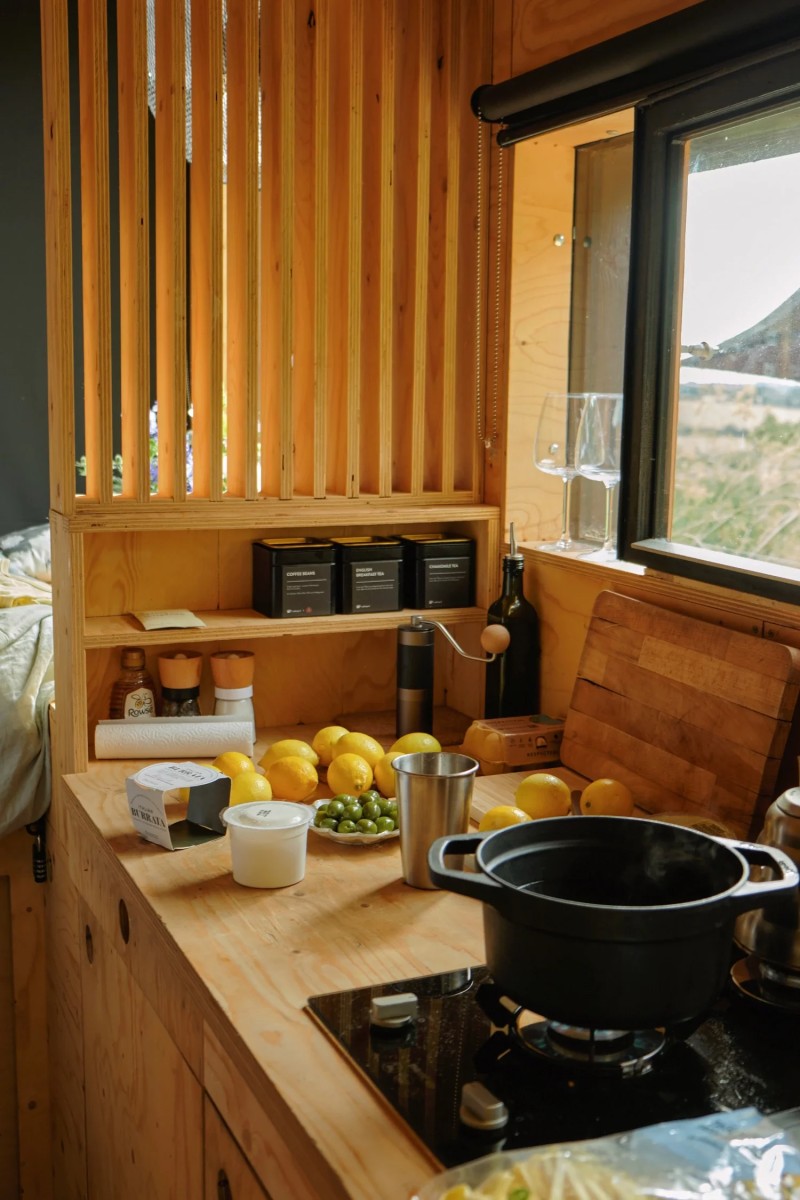
The breaks are quite pricey (around £400 for 3 or 4 nights). But if you think that most hotels charge £100 for bed-and-breakfast, these are luxurious in their offerings. And the idea is that you can really wind down and have a life inventory.
So when you go back to ‘normal life’, you likely will be so used to the simple life, that you’ll spend less anyway. Parts of the lifestyle you ‘take up’ here will soon become part of daily life (nature walks over ‘getting smashed’ in the pub). And quiet simplicity, over shopping malls! And making home-cooked simple meals!

Energy Savings Trust tells us that one of the main ways to save on energy bills, is simply to switch to an energy-saving kettle. Most people in England enjoy a cup of tea. And that means millions and millions of cups made each day (apparently there is a national surge on the grid, when the ads come on, between the soap operas!)
But most older kettles (and many new ones) waste both water and energy. We’ve all done it. Fill the kettle up with too much water, then it takes ages to boil. You pour the water out and then the rest of the water is boiled again, the next time you make another cuppa.
One investment in a good energy-saving kettle, could save you a small fortune on energy bills. A good kettle should last longer, and has a gauge so you don’t over-fill. And most are quick-boil, so use less energy.
Use with organic tea or coffee. Avoid caffeine for pregnancy/nursing or affected medical conditions (check herb tea labels). Just bin tea leaves and coffee grounds, as caffeine may harm compost bin creatures (use a sink protector mat to stop grounds clogging drains).
Russell Hobbs Fast-Boil Kettles

Buying a kettle is ideally not a choice to make for the cheap supermarket brands, as most burn out quickly, and won’t save energy. Around £70 million a year is wasted in the UK, just from boiling too much water.
Invest in a Russell Hobbs’ fast-boil energy-saving kettle (this saves up to 66% energy to boil water for a big mug, in just 44 seconds) and has a spout to avoid drips, and illuminated markings to avoid pouring in too much water.
Key Benefits Over Regular Kettles
A typical energy-saving kettle uses around 20% less electricity compared to an older model. If you boil a litre a day, you can save up to £15-£20 a year, depending on rates and usage. It’s not just about the cash—those small numbers add up for the environment, too.
Let’s put the numbers into perspective. A regular kettle uses around 0.11 kWh for one boil. Multiply that by a few boils each day and it stacks up. By switching to an energy-saving model and only boiling what you need, you might save over 300 kWh per year. At the average UK electricity price, that could mean over £20 staying in your pocket, not going to the energy supplier.
Here’s a quick comparison:
The boil time for 1 cup of water with a standard kettle takes 2 to 3 minutes (0.11kWh) which costs around £40 per year for the average person.
With an energy-saving kettle, the average boil time is 50 to 90 seconds (0.09kWH0 which costs £20 to £30 a year. So the cost buying an energy-saving kettle should pay back within a year or so.
Recycling Your Old Kettle
It’s tempting to toss an old kettle straight into the bin, but electricals don’t belong in landfill. Recycling makes a difference, letting valuable parts get a new life and keeping hazardous waste out of the soil and water.
- Retailer Take-back: It’s now UK law for shops that sell you a kettle, have to take back the old one for recycling.
- Local Recycling Centres: Every part of the UK has drop-off spots for small electricals. Check your council’s website or use the Recycle Now postcode finder to locate your nearest option.
- Household Collection Days: Some councils collect small appliances on specific days. If you’re planning a clear-out, see if your area offers doorstep pickup.
How to Descale Your Kettle, Naturally

Limescale is the number one enemy of kettles. Over time, minerals build up inside and make your kettle less efficient. It takes longer to boil, uses more energy, and can even affect the taste of your water. Luckily, descaling is easy and only takes a few minutes.
Simple descaling steps:
- You could pop in a descaler ball.
- Add a mix of half cleaning vinegar and half water.
- Bring the solution to the boil.
- Let it sit for 15 to 30 minutes.
- Pour out the solution and rinse the kettle thoroughly.
- Boil fresh water once or twice to clear any lingering taste.
Try to descale once a month or whenever you notice white flakes or slower boiling times. It keeps efficiency high and tasting right on point.
Cleaning the Outside of Kettles
- Use a soft, damp cloth – avoid harsh scrubbers that might scratch.
- Mild dish soap mixed with warm water works fine for smudges and grease.
- Dry the kettle immediately to prevent water spots.
- Don’t submerge the kettle in water or put it in the dishwasher.
Regular Upkeep Tips
- Fill your kettle with fresh cold water, especially if your tap water is hard.
- Only boil the amount of water you need, to avoid overworking the heating element.
- Empty leftover water (use it for plants) to prevent stagnant smells.
- Keep the lid closed during boiling to trap heat and support quicker boils.
- Check the power cord and plug regularly for damage and keep them dry.
- Avoid letting the kettle boil dry – this can damage the element and waste energy.