Aluminium Can (and foil) Recycling Programs
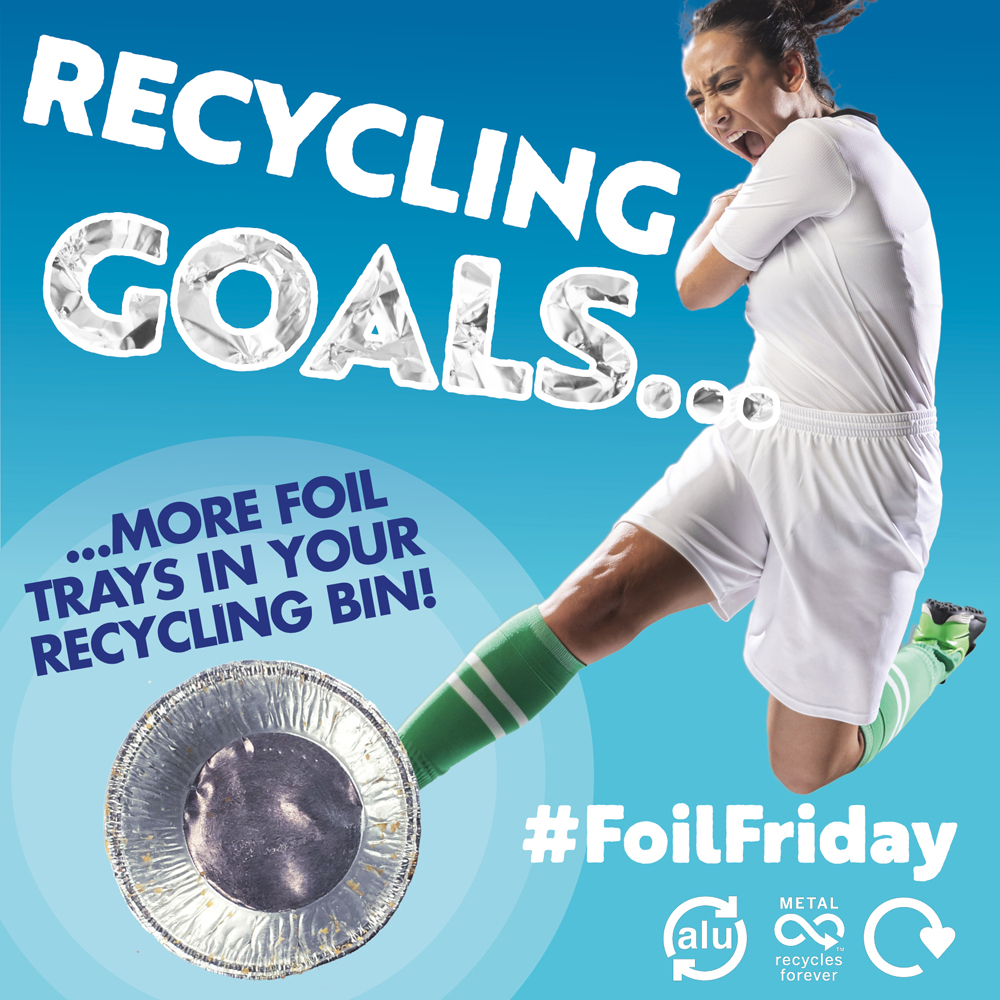
Aluminium can recycling is one of the most effective ways to protect our planet. Every can we recycle saves energy, reduces waste and keeps our wildlife safe from harm. With more people caring about their environmental footprint and programmes like Alupro and Deposit Return Schemes gaining ground, there’s never been a better time to launch a local recycling effort.
How to Recycle Aluminium Cans
If you recycle cans at home (or in an office, restaurant, hotel, shop or pub), always rinse cans first (this makes recycling easier, and ensures wildlife are not tempted at recycling centres or landfills, if they come across them).
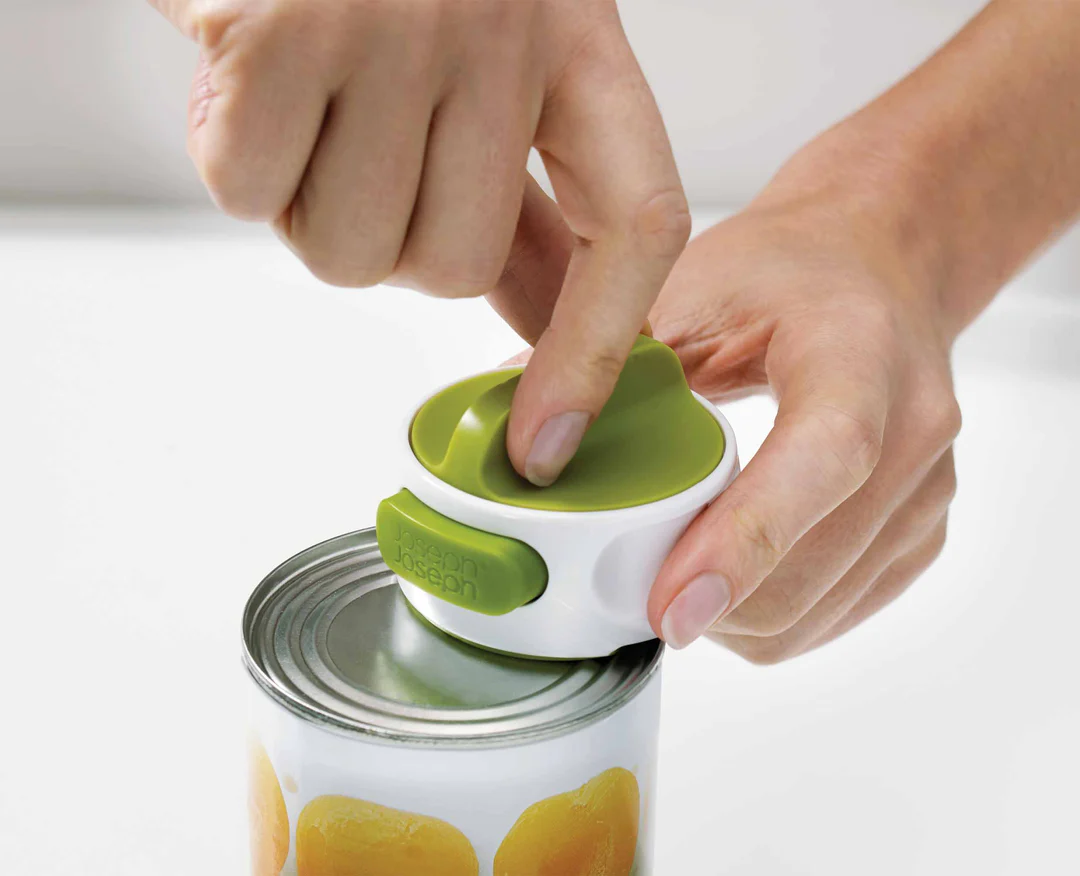
Do however invest in quality can opener that cleanly removes the lid (then pop this inside the can) and pinch the can or tab shut). Or pop ring-pulls back over holes of cans. This stops wildlife getting injured or trapped inside jagged half-open cans.
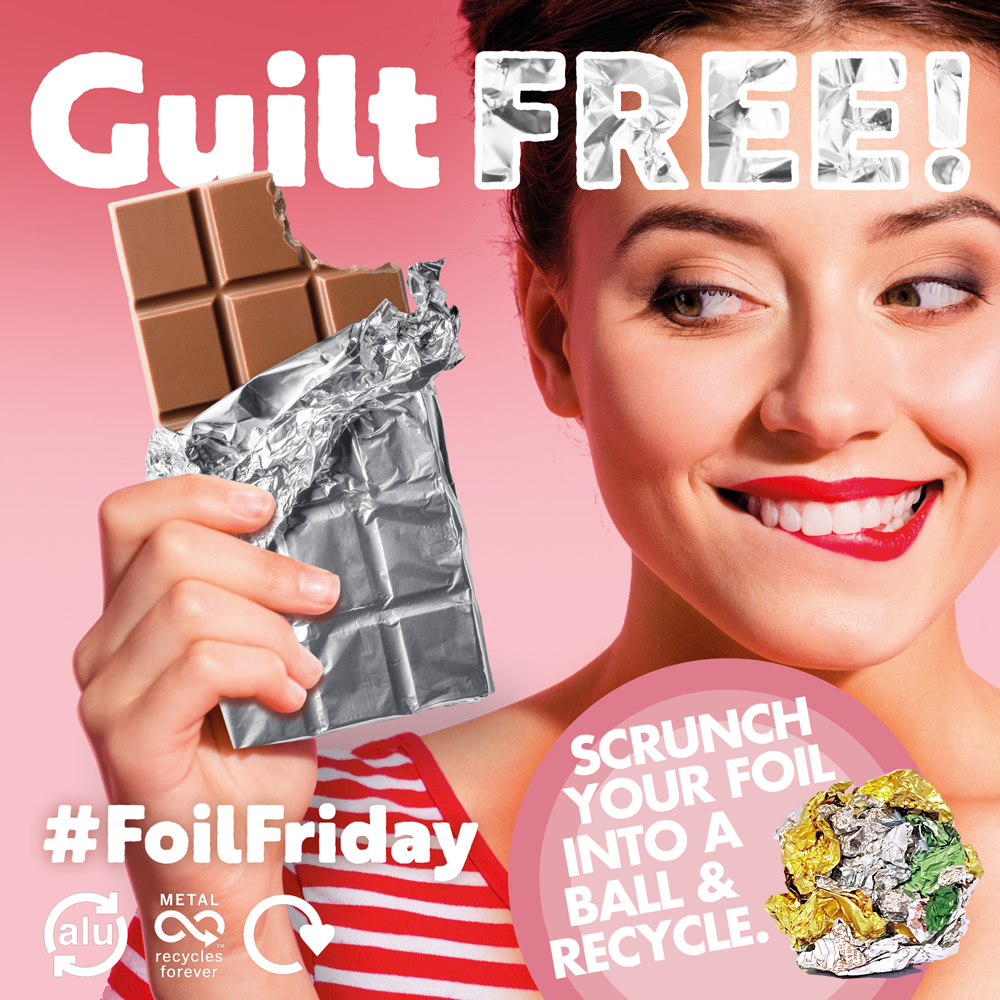
You can also recycle clean foil and foil trays, jar lids and empty aerosols (remove plastic caps). Half-empty aerosols (along with metal containers for white spirit, paint or engine oil) should be taken to the hazardous waste department at your local recycling depot – ask your council for advice.
A study by Keep Britain Tidy found that 80% of littered bottles and nearly 5% of littered cans, contain remains of tiny small mammals (shrews, bank voles and wood mice).
Littered cans also attract snails, and can harm inquisitive wildlife (like hedgehogs) along with cutting pet paws and children’s feet.
Boycott Beers and Ciders in Plastic Can Holders
Many brands (including Stella Artois) now have switched to cardboard, so others can too. Some supermarkets have banned the sale of these lethal can holders, which are invisible in water, and often get trapped around wildfowl necks or beaks.
If you see any littered on the street, rip up the holes, and safely bin them.
Why Set Up Aluminium Recycling Programs?
Aluminium is endlessly recyclable, yet millions of cans still end up in landfill every year. Setting up a recycling scheme isn’t just about ticking a sustainability box, it delivers real and lasting benefits:
- Energy savings: Recycling just one aluminium can saves enough energy to power a TV for three hours. Recycling aluminium saves around 95% of the energy needed to produce new cans from raw materials.
- Lower emissions: Each recycled can helps cut greenhouse gas emissions and air pollution. Producing new aluminium from scratch generates much higher CO₂ emissions.
- Protects wildlife: Cans that are dumped or littered often harm animals, as sharp edges and toxic residues can injure birds and small mammals.
- Supports the circular economy: Aluminium can be recycled over and over without losing quality. Recycling cans, keeps them in use – and out of nature.
- Community benefits: Local schemes often raise money for good causes, strengthen community ties and raise awareness about responsible waste.
How to Make Money for Your Community
Order a free starter pack from ALUPRO which will also tell you how to make money for your community, by selling collected cans to scrap metal merchants. You’ll need proof of ID to receive a cheque or bank transfer (they can’t pay cash by law). Most require 5kg or more to accept delivery (this is around 325 cans).
How Councils Can Help Can Recycling
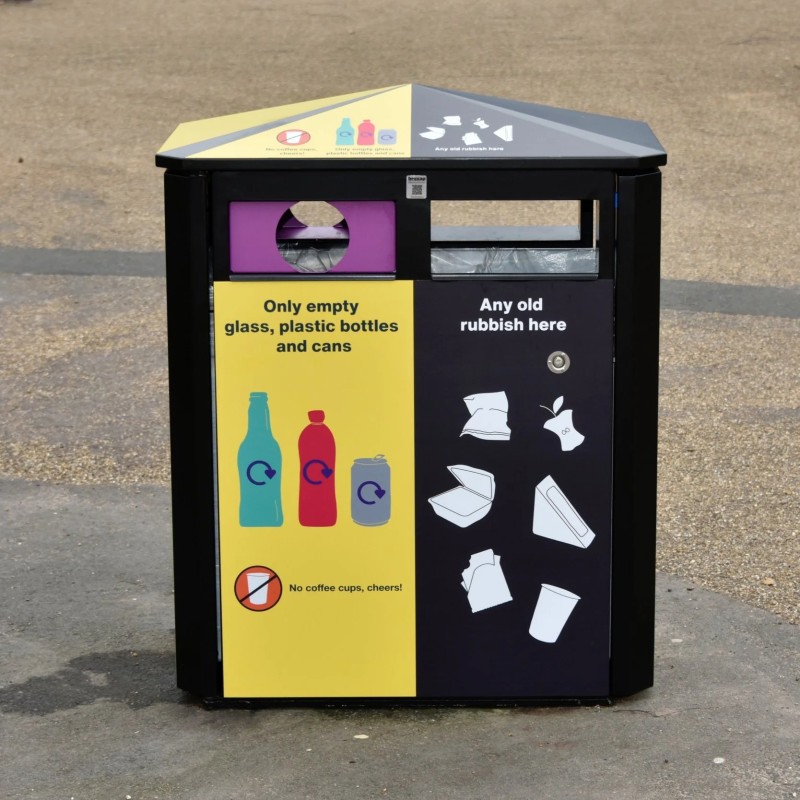
Councils and businesses can help, by investing in quality can recycling bins. This is colour-coded and can be used alongside other recycling bins for glass, cardboard and plastic bottles. The cost is more than offset, by not having to send staff out to pick up litter.
Studies have found that people are most likely to use recycling bins when they are brightly-coloured with circular holes, and positioned alongside other recycling and waste bins.
Ensure your recycling bins are covered (for windy weather, only put them out just before collection, to stop them blowing down the street, if the lids fly off).
Report litter to Fix My Street, and reports (with photos) are sent to local councils. Once the complaints are made public (especially by several people), often the council acts. No matter who dropped it, councils have legal duty to remove litter on public land.
For private land, they can serve Litter Abatement Orders (and if landowners don’t comply, they can issue fines or clean the litter, and send them the bill).