Smash the Waste Cycle: How to Prevent Glass Litter
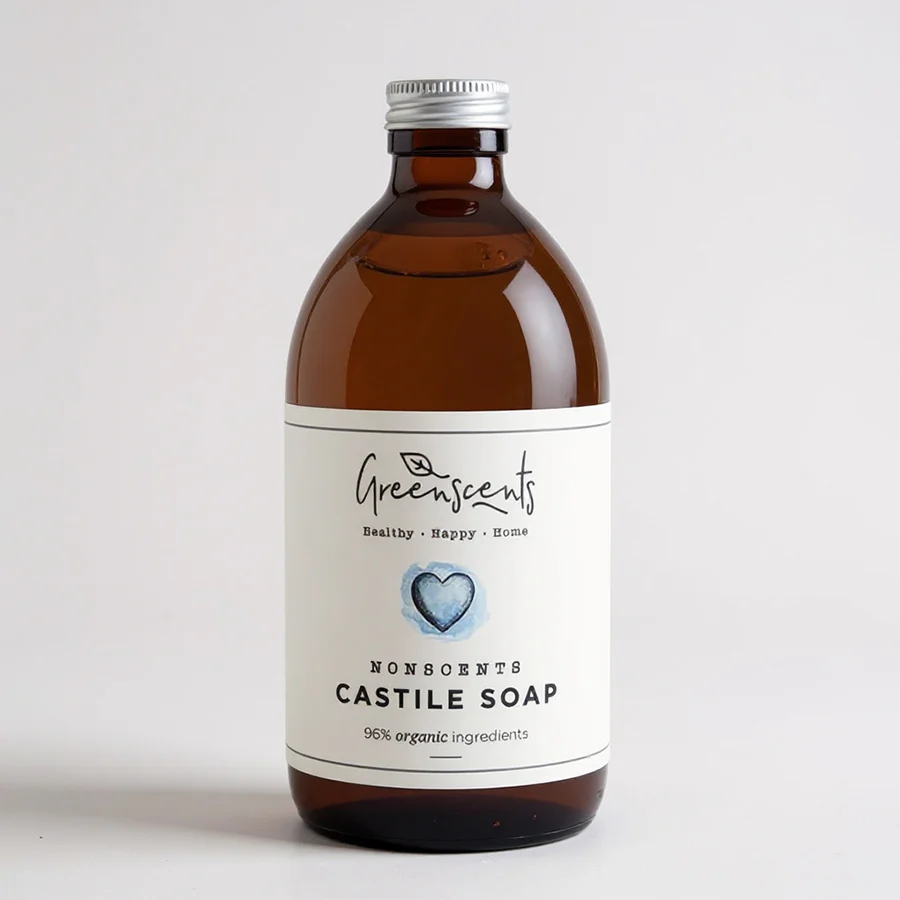
Greenscents cleaners and laundry liquids are sold in glass bottles, to return for washing and refilling. Then sent back to you!
Glass in inert and often promoted as better than plastic. But making new glass requires an enormous amount of energy to produce. So it’s important to recycle as much of it as possible. Also to prevent litter (broken glass of course is dangerous for bare feet, paws and wildlife).
A study by Keep Britain Tidy found that 80% of littered bottles and nearly 5% of littered cans, contain remains of tiny small mammals (shrews, bank voles and wood mice).
In England, we don’t recycle nearly as much glass as our European neighbours. Sweden, Belgium, Switzerland, Denmark and Slovenia all have over 95% recycling rates, with Germany and Austria close behind.
If using recycled glass vases, know some indoor plants (like lilies and sago palm) are toxic to pets (even a tail brushing past can harm). Read our post on safer houseplants. If using recycled glass candlesticks, read our post on safe candle use.
The ‘glass’ deposit return scheme controversy
Many countries have deposit return schemes, where people get cash back for returning glass bottles to reverse vending machines and starting can recycling schemes.
But unlike Wales and Scotland, the English government won’t let glass be included, which is delaying the upcoming law. This is obviously due to lobbying from industry, as Finland has been recycling glass in deposit return schemes since the 1960s. In fact, the average Finn ‘earns’ around £40 a year from taking back empties – to pay for their four-coffees-a-day habit!
Wishcycling is the name given, for when people get confused by all the different rules and want to do go good. So ‘throw it in the recycle bank anway and wish for the best’. Hoping someone will sort it the other end.
But today most recycling is done by machines. So throwing in something you shouldn’t, can stop the whole batch being recycled. This creates ‘commingled glass’, so instead of old bottles being turned into new bottles, the glass is downgraded into building aggregate.
This is why European nations on the continent have much higher recycling rates. Because people don’t ‘guess’, they have incentive to take bottles back to stores, pubs or reverse vending machines, as they get money. Some really enthuastic people go around (hopefully with good gloves) picking up littered glass and other containers, to make a living from collecting trash.
Let’s compare that in England. Everywhere you look there are littered glass bottles. Based on the amount of money the typical Finn gets for returning a glass bottle, if someone in England found 100 bottles a day (a combination of glass and plastic, which wouldn’t be hard to do in some areas), he or she would earn around £40 a day – that’s almost £300 a week! Yet the government at Westminster won’t let people do the same here.
What glass can be recycled?

Glass is not just ‘glass’. There is glass you can recycle, and glass you can’t. Plus you have to recycle some kinds of glass differently. Let’s go to ‘glass recycling university!’
One idea is to choose choose plant drink in returnable glass bottles.
- Glass bottles (wine, beer, spirits, sauce) and glass food jars (jam, baby food) are easily recycled at kerbside or bottle banks, just rinse first to stop enticing wildlife. You can leave labels and metal tops on (magnets remove them) but remove and recycle plastic tops. Corks are too dense to compost and choking hazards if left arond. So recycle at off licenses, or send off in bulk to Recorked).
- Empty scent bottles. Those with product inside should be used up (never spray perfumes near babies or pets, and air rooms after using). Or taken to household hazardous waste (same with nail varnish bottles, there is always product left inside).
- Medicine bottles. Recycle unused medicines/supplements at pharmacies.
What glass can’t be recycled?
Drinking glasses, Pyrex jugs/ovenware and reusable glass straws all need higher melting points. You could donate good ones to locally-run charity shops or most household recycling centres have a ‘bric-a-brac’ area to leave them). Wrap broken shards in several layers of newspaper or thick cardboard, and bin.
Mirrors – the same advice applies (most have metal backing so again cannot be recycled).
Window panes and architectural glass is thicker and laminated, so would ruin furnaces. Again your household recycling site accepts them, follow advice as above, but for broken panes, tape securely and label ‘CAUTION: BROKEN GLASS’ before binning. Builders can replace panes with bird-friendly glass, to stop birds flying into windows.
Lightbulbs depend on which ones being discarded. Due to fine wires inside, halogen or incandescent (old-style) bulbs can’t be recycled. At end of use, wrap them again in thick paper/cardboard to prevent shattering, and place in household rubbish.
Energy-efficient light bulbs can be taken to any store that sells them for recycling. Never bin them, as they contain mercury that contaminates the environment.
If an LED bulb smashes, evacuate the room and leave windows open for at least 15 minutes, and turn off central heating (or air conditioning) to stop vapour from spreading. Do not use a vacuum cleaner, as this scatters mercury dust into the air. Instead, wear gloves and use stiff cardboard to scoop up shards and powder, then use sticky tape to pick up fragments, and wipe area with a damp paper towel.
What if glass bottle banks are full?
Most councils are encouraging kerbside glass recycling, so bottle banks are not emptied as much as they should be. If you find the bottle bank is full, don’t leave bottles nearby as these could harm wildlife. You can call the number oon the bottle bank or report unemptied ones to Fix My Street (reports are sent to councils).
How to prevent litter on public and private land
No matter who dropped it, on public land councils are responsible for picking up litter. You can report to Fix My Street. For private land, councils can serve litter abatement orders (and issues fines or invoices if not compliant).
Cleanup UK wants highways agencies to change their policy. Presently, many mow grass verges BEFORE picking up glass and other litter. It’s obvious that the shards of glass need to be removed, before mowing grass and sending shards of glass everwhere. Report glass or any litter at roadsides to National Highways.
How a Kansas brewer is reducing glass litter
In the USA, one brewer solved the headache of beer bottle litter by founding Ripple Glass, a state-of-the-art processing plant where people drop off glass bottles, or have them collected. It’s made into fibreglass to insulate people’s homes.
The rest is turned into new beer bottles, which saves him money! These purple bins are now in 100 communities , with bins also taking glass candles (with leftover wax) and window panes. Ripple now recycles over 800 tons of glass each week. And has saved over 1 billion glass bottles from going to landfill since 2009.