Better Choices for Landline Telephone Users
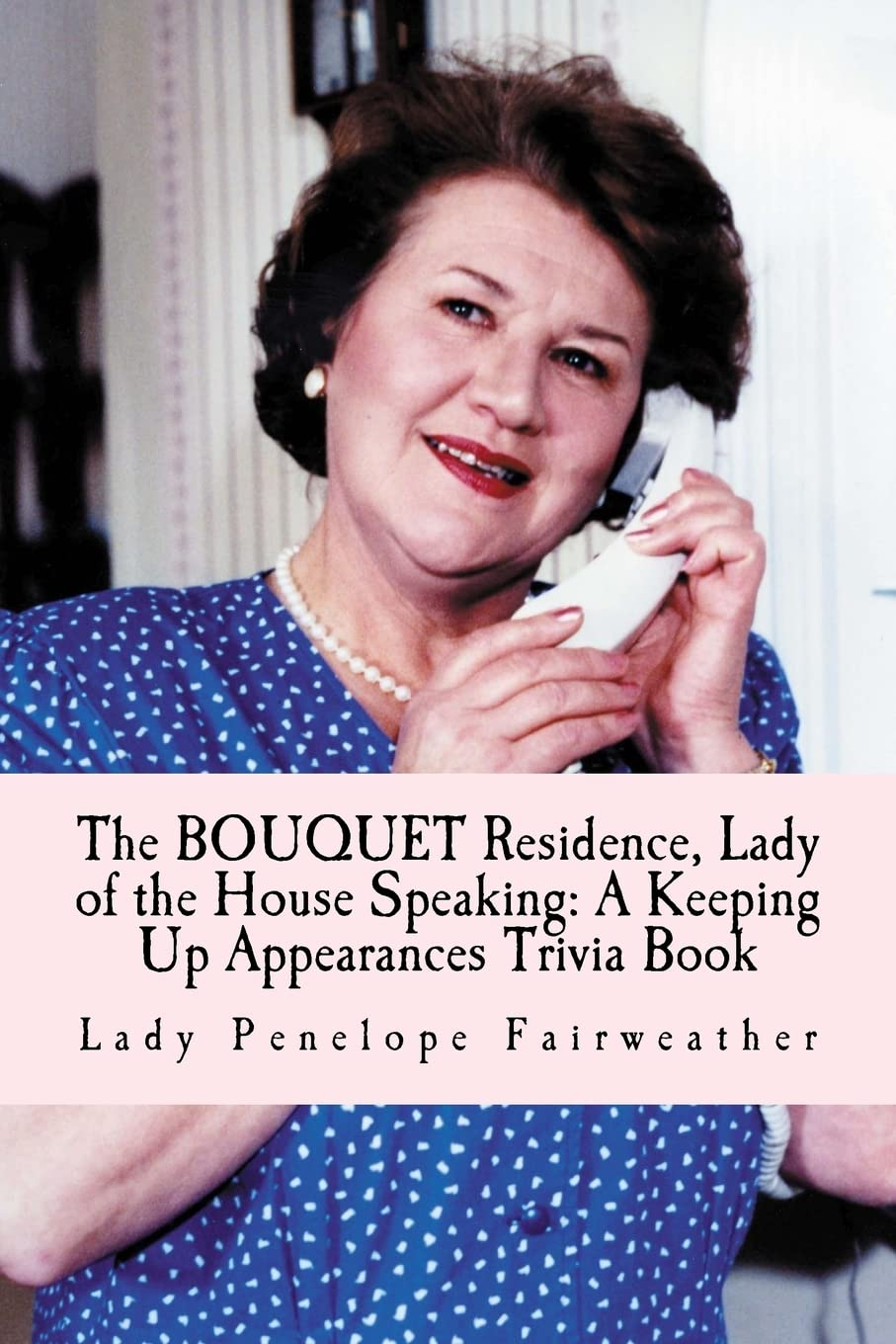
Not everyone uses a mobile phone. And there are some better choices if you use a landline, some or all of the time. BT only reduced its prices, after being told to by OFCOM.
The other option is to bundle your mobile package, which opens up broadband deals like NOW TV (around £30 a month, which includes use of a landline via Openreach phone lines).
Landline services are being upgraded in 2025 to VOIP (voice over internet protocol), which runs on broadband. People who use landline phones (and security alarms) should check with suppliers, to check re upgrades.
The VOIP Shop offers a digital landline service that works in storms (with flat fee calls to mobile phones). Digital phone lines have built-in encryption, so no-one can listen in. This is presently the only BT alternative (good to avoid a monopoly).
Free calls for Older and Disabled People
BT Home Essentials offers affordable deals with people on low incomes, including pensioners and disabled residents. You’ll need your national insurance number, to apply. You’ll receive affordable home deals (with optional broadband).
People with hearing or speech difficulties can also take advantage of BT’s Relay Service, which lets a hearing person relay info on your behalf.
BT 195 Directory Enquiries is a free service for people who can’t read (or hold a phone book) due to impairment or disability. Registered customers also don’t pay for 1471 or 1571 (call return) fee.
The History of England’s Red Telephone Boxes
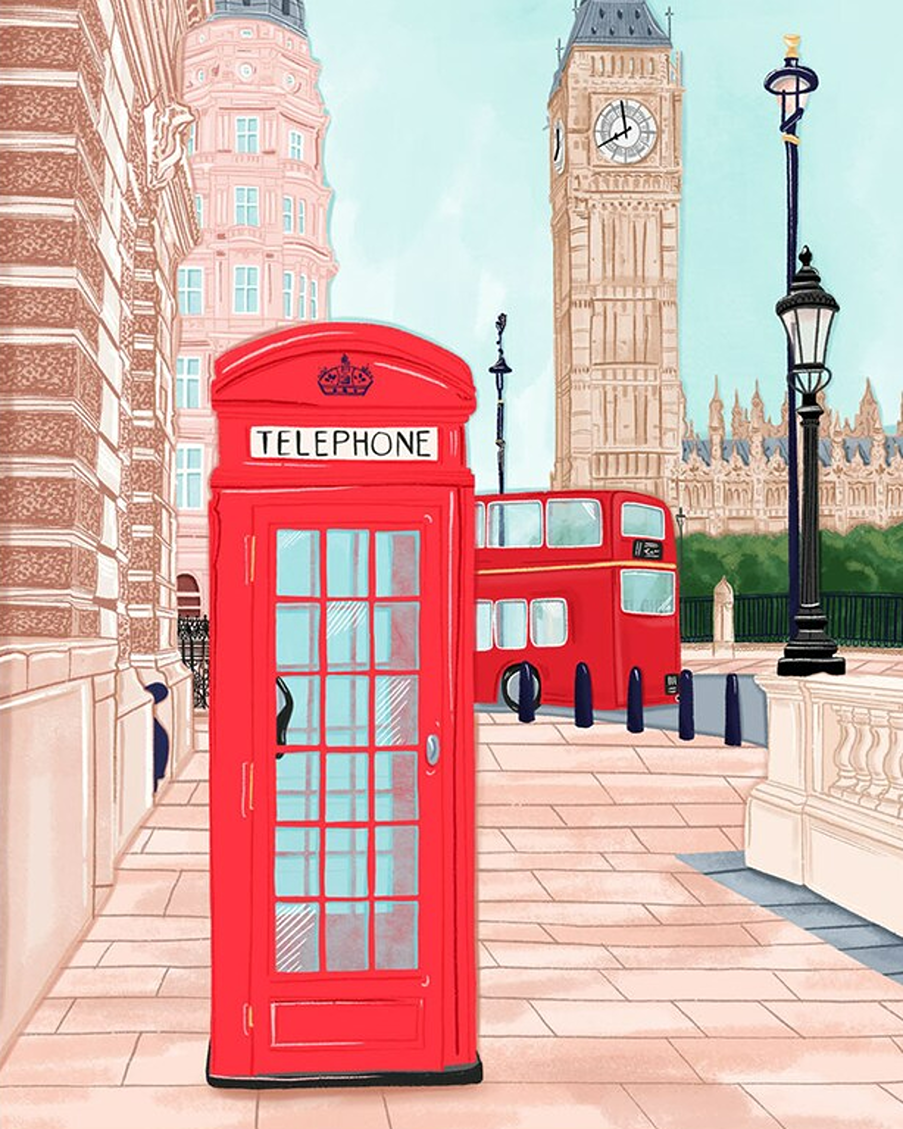
The original telephone box was designed Sir Giles Gilbert Scott (who also designed Liverpool cathedral and helped to rebuild the Houses of Parliament, after bombs fell on it during World War II).
Inspired by Soane Memorial at St Pancras Old Church) he wanted them to be silver, but the General Post Office (who back then ran the phone network) chose the colour red instead.
When many people had no personal phones, they would give the number of their nearest red telephone box as a reachable contact. Then run across the road to answer it, when it rang!
I remember the cold damp concrete floor. When you dialled the number, there was a second or two, when you could hear the pips on the other end. Before the ‘beep beep beep’ of the pips started, and you pushed your coin in. Nostalgic user!
How to Adopt a Disused Red Telephone Box

England does have a few red telephone boxes (mostly in rural areas with poor mobile signals, and near suicide hot-spots like railway lines or near cliffs). But most have now disappeared from our streets. So communities can adopt an old telephone boxes (for just £1) using BT’s Adopt a Kiosk scheme.
Over 6000 telephone kiosks have already been adopted, and there are only around 4000 more to adopt. So you’ll have to be quick, before they run out of boxes to let you adopt!
Just let them know the reason to use it, and if successful, they’ll take care of everything else. For mini coffee shops and pubs, BT can supply electricity. But turn off lights when not in use to avoid light pollution (which can harm birds and native wildlife).
There are various uses, but the main and best choice is to use it as a place to store a community defibrillator (a life-saving medical device to deliver electric shocks to someone in cardiac arrest). This restores normal heart rhythm, until the paramedics arrive. Training for locals can be provided by St John’s Ambulance.
Other ideas for adopted telephone boxes are:
- A community noticeboard (run by volunteers or a parish council)
- A mini art gallery (to display work of local artists)
- A book exchange (ideal if you have no public library)
- A food bank (read up on food safety for people and pets)
- A plant exchange (read up on plants to avoid near pets)
Did you know the villagers of the fictional village of Ambridge in Radio 4’s The Archers have adopted a red telephone box?