England’s Highest Mountains (all in the Lake District)

The Lake District is home to all of England’s tallest mountains, drawing local walkers and tourist hikers, year-round. These peaks are known for their rugged beauty and sense of wildness.
All should be approached with care, due to changeable weather (rain, wind, fog and slippery areas). Only climb mountains if you’re fit, and carrying proper gear. Don’t take dogs near high peaks or cliffs.

Standing at 978 metres, Scafell Pike is England’s tallest mountain. It dominates the western part of the Lake District and offers panoramic views that stretch far beyond the region on clear days. The summit is rocky and exposed, rewarding climbers with a true sense of achievement. Not for beginners!
At 931 metres, Skiddaw towers over the northern Lake District near the town of Keswick. Unlike Scafell Pike’s rugged peak, Skiddaw has a broad, grassy ridge and softer slopes. Its rounded profile offers a different kind of beauty.
Hikers often enjoy its straightforward climbs and the chance to experience expansive views over Derwentwater and beyond. Skiddaw feels a little quieter, making it perfect for those seeking space and peace.
Helvellyn reaches 950 metres and sits near the eastern edge of the central fells. It is famous for its narrow ridges and dramatic edges like Striding Edge, a sharp arête that tests walkers’ sure-footedness and nerve.
This mountain is a favourite for advanced hikers wanting a memorable climb with steep drops and stunning views of Ullswater and the surrounding valleys.
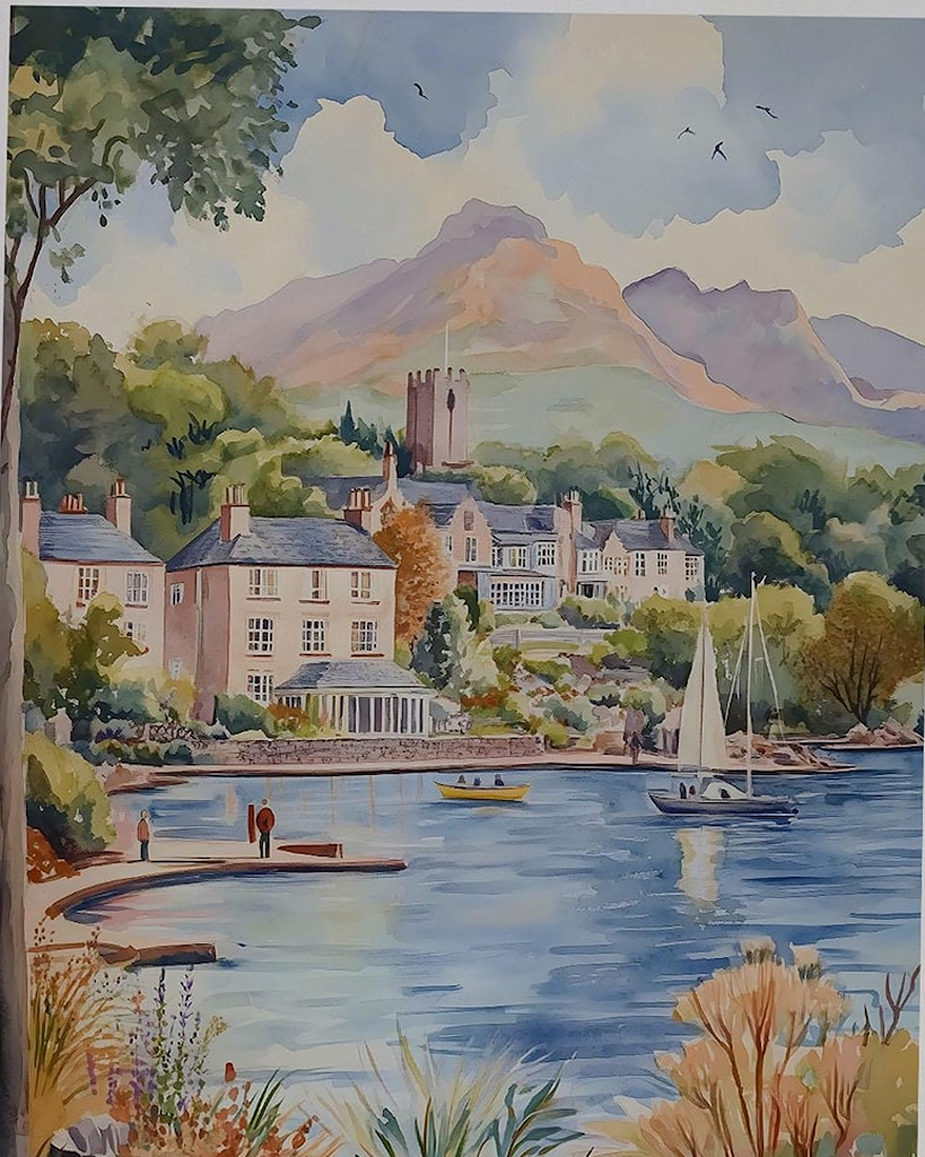
The Old Man of Coniston stands about 803 metres tall, making it one of the taller peaks in the southern part of the Lake District. This mountain has a rich mining heritage. Copper mines here were active for centuries, and you can still spot old mining remains along some paths.
The path starts from a car park, or from the village by foot (but this is steeper). The views at the top reward your efforts with sweeping scenes across Coniston Water and towards the central fells. This peak appeals to those who enjoy both mountain scenery and a touch of industrial history beneath their feet.
Haystacks may not be the tallest at just over 597 metres, but it holds a legendary place among Lake District walkers. It was a favourite of Alfred Wainwright, the famous fell walker and guidebook author. He found something special in its rugged charm, quiet atmosphere.
The landscape around Haystacks includes rough rock, heather moorland, and characterised ridges that make it stand out from other hills of similar height. It often forms part of longer walks in the area, linking with nearby fells like Buttermere.
Catbells is well known as a gentle introduction to the Lake District fells and a favourite for families and walkers new to the hills. Standing at just 451 metres, it offers a manageable climb with plenty of rewards.
Its paths are clear and pleasant, although there are gaps between pillars at times, so always take care.
Nearby, the Langdale Pikes form a sharp and striking group of peaks. They rise somewhat higher but remain accessible for those with moderate walking experience. These pikes, including peaks like Harrison Stickle and Pike of Stickle, have exciting ridges and dramatic shapes that are hard to miss.