How to Create Butterfly-Friendly Habitats

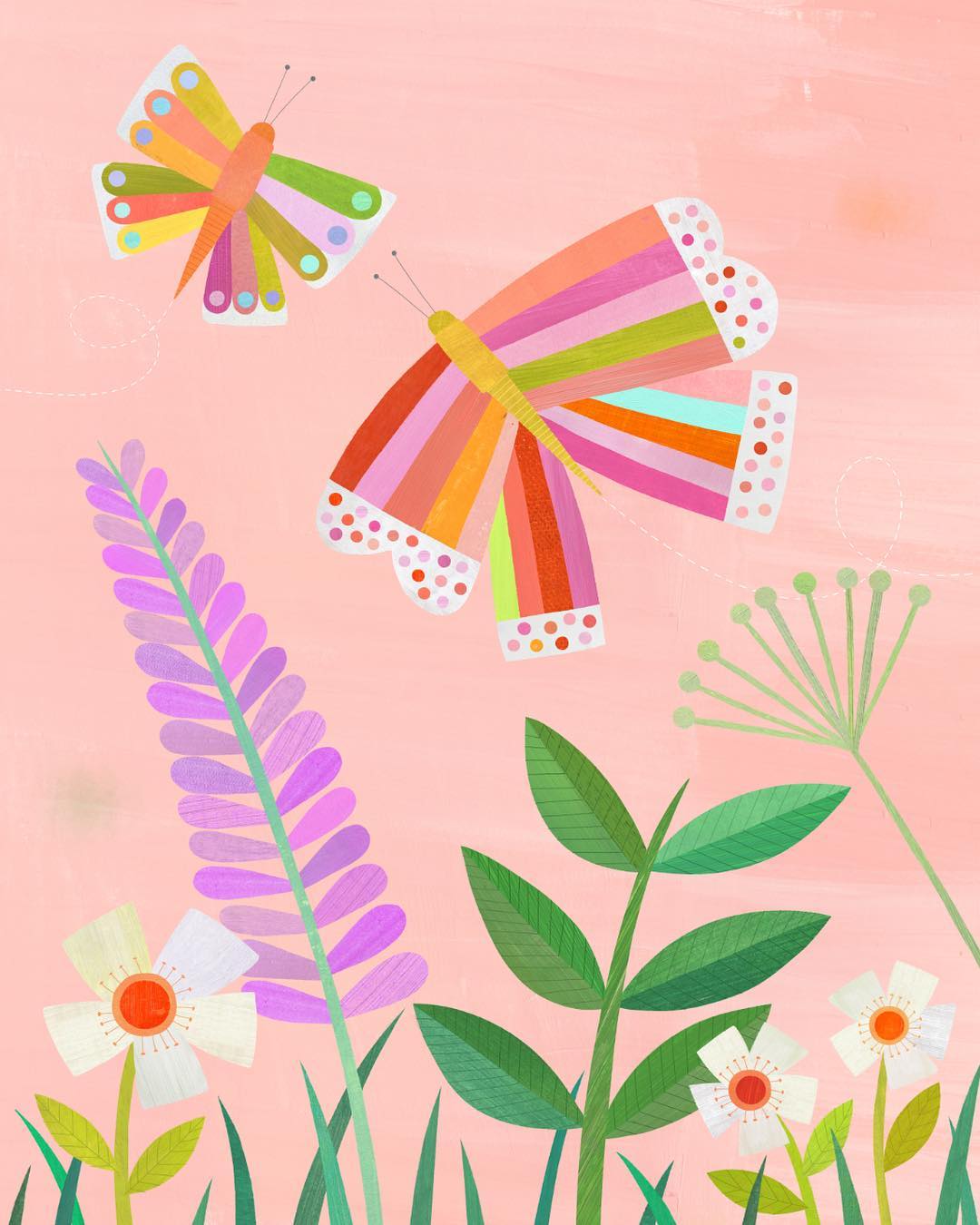
Butterflies were once described by a writer as ‘self-propelled flowers’. These cold-blooded creatures have to ‘warm up their wings’ to fly, which is often why you see them basking on stones in the sun.
They can taste with their feet, and see colours that we can’t. They have no lips or teeth, so use their long tongues to ‘suck nectar like straws’, and are have wings just one colour (‘scattered colours’ are due to light refraction. As they age, the colours fade and become ragged (a bit like us!)
Monarch butterflies undertake one of the world’s longest migrations, travelling thousands of miles. But most butterflies don’t travel far, and are happy fluttering around in your garden! Most also only live for a few few months at most.
Butterflies have many predators including:
- Birds (especially cuckoos)
- Frogs & Toads
- Dragonflies
- Lizards & mice
- Spiders
- Ants & wasps (caterpillars)
The Amazing Transformation of Butterflies
Butterflies have one of the most amazing lifecycles on earth. They begin as eggs on leaves, then hatch into caterpillars that feed on plants and flowers.
Eventually a caterpillar turns into a chrysalis, then emerges into a beautiful butterfly (just before that, the ‘pupae’ looks like a dead leaf, to make it less vulnerable to predators).
How to Create Butterfly-Friendly Habitats
Leave mown areas for a few days, to allow all creatures to escape. Leave at least a third of vegetation uncut, in warm sunny spots. Then after a few days, rake off dried material.
If making a mini-meadow, use garden shears to trim the edge, never strimmers (these are lethal to wildlife).
Restoring our wildflower meadows (97% have been lost) is one of the most helpful ways to help butterflies. Modern pesticides, farming and building have taken a toll on butterfly habitats.
If visiting wildflower meadows, keep to the paths on field edges, to protect flowers and native wildlife. Never drop litter (especially cigarette butts, which can cause wildfires).
Some meadow plants (like buttercups which have a chemical that is toxic to grazing animals) are unsafe near pets, horses, donkeys and livestock.
Ragwort is a common wildflower (that supports habitat of the cinnabar moth caterpillar). But it can be lethal to horses, donkeys and livestock, if ingested. There are strict rules on removing it (read more at World Horse Welfare).

Dandelions thrive in disturbed soil and provide essential pollination for butterflies and bees in earlier months. If you prefer them in meadows than in your garden, let your grass grow grow 3 or 4 inches tall, as this will shade them out (dandelions love sun). Or manually remove with a weeding tool.
Planting Butterfly-Friendly Gardens

If planting flowers for butterflies and moths, learn how to create a safe garden for pets (many flowers and other items are unsafe near animal friends).
Chemicals used by farmers to grow sugar beet are thought to be a main reason in the decline of butterfly populations.
- Garden organically. You can recycle empty bottles (take half-full bottles to the tip, for safe disposal).
- Have some large stones in a sunny area, for butterflies to rest.
- Butterflies drink water, so a small shallow dish with water is good, but put stones in it, so they can land and drink safely. Ensure ponds have sloping sides, and avoid netting.
- Butterflies (like bees) need nectar, so plant bright flowers (ideally with blooming tubular shapes). Butterflies are near-sighted, so plant in groups, so they are easy to find.
- Some butterflies like over-ripe fruit, so leave some in the garden for a juicy treat.
- Dense shrubs and trees are good, to protect butterflies from harsh weather and predators.
- Avoid buying peat compost, bog habitats are home to rare butterfly species.
- Never support the release of commercially-raised butterflies. Not kind, and most are non-native, so could spread disease.
Where to Buy Butterfly-Friendly Seeds
Be careful, as many ‘butterfly-friendly seeds’ are not from native flowers, so could do more harm than good. Same with plantable greetings cards.
Tamar Organics sells an organic seed mix to attract butterflies and bees. You can sow direct, rake the soil and see them flower in May to September. This native British wildflower seed pack is sustainably-harvested, and will also attract bees.
Butterfly-Friendly Plants (some are toxic near pets)
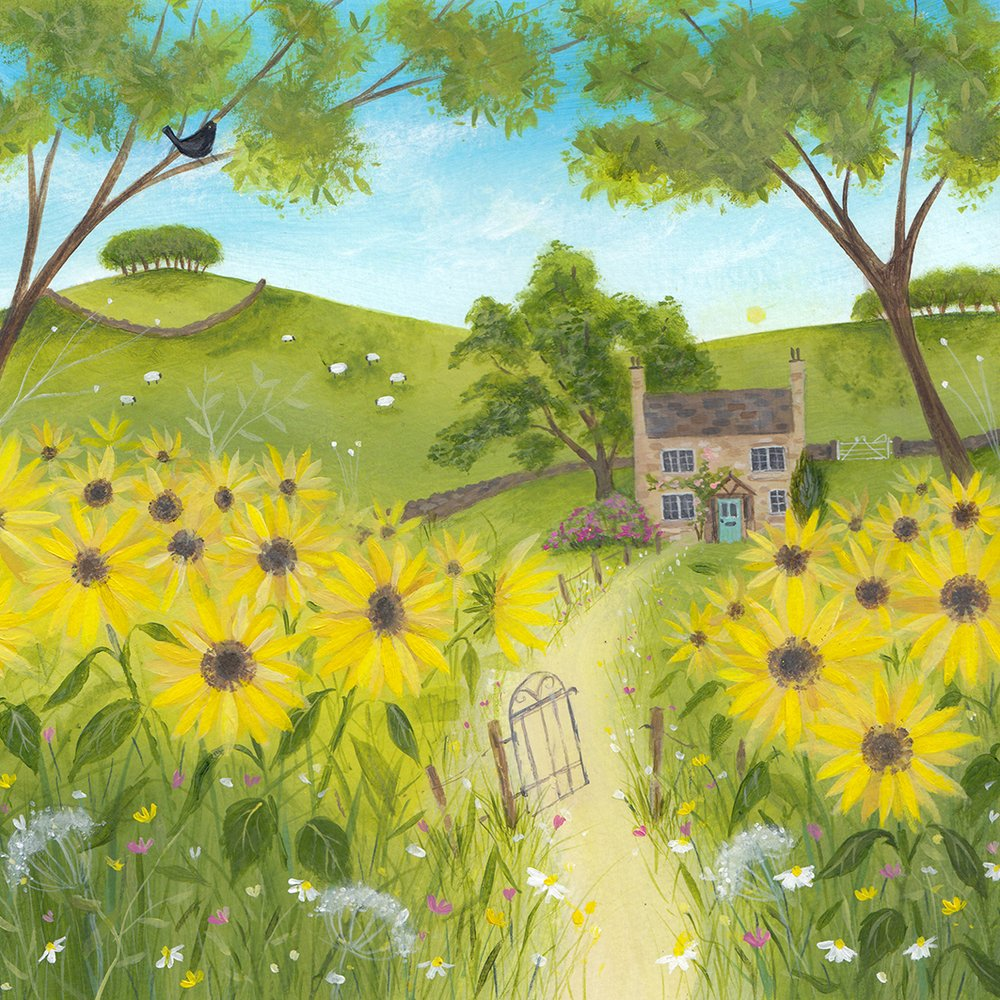
- Sunflowers are also loved by butterfly friends.
- Buddleia (butterfly bush): Tall cones of purple or white blooms in summer. A strong scent draws peacock, red admiral, and tortoiseshell butterflies from afar.
- Lavender: Fragrant purple spikes from early to late summer. Loved by small tortoiseshells and many day-flying moths, with the bonus of bees.
- Verbena bonariensis: Airy purple heads on tall stems from summer into autumn. A clear favourite for painted ladies and red admirals.
- Stinging nettles: Essential host plant for peacock, comma, and small tortoiseshell caterpillars. Keep a patch in a corner or a large pot if space is tight.
- Bird’s-foot trefoil: Low, golden flowers through summer. Host plant for common blue butterflies, and pretty in borders or meadow-style lawns.
Choose plants with different blooming times, so nectar is available from spring to late autumn. Use bold clumps and repeat them so butterflies can find them easily.
How to Help Injured Butterflies & Moths
It’s good to leave windows ajar in spring, to let butterflies and moths escape, if they accidentally fly into your home.
- Be careful, as even touching a butterfly’s wings can transfer oil from our hands, which could weigh the creature’s wings down.
- If a butterfly looks unwell, use a piece of paper to gently move the creature to a box with air holes, leaving a few leaves inside.
- Soak a plastic-free sponge in a solution of 1 part sugar to 4 parts water, and place nearby. Or place some ripe banana or mango nearby, as alternative food.
- Keep the box in a quiet place, away from direct sunlight.
- Check the box now and then, to see how the butterfly is doing.
- If the butterfly recovers, release in a calm place with flowers, for food and shelter.
- If the butterfly does not recover, don’t worry. Sometimes butterflies don’t heal, you have done your best. Gently place in a flower bed, as a final resting place.
Also Obviously Help Caterpillars!
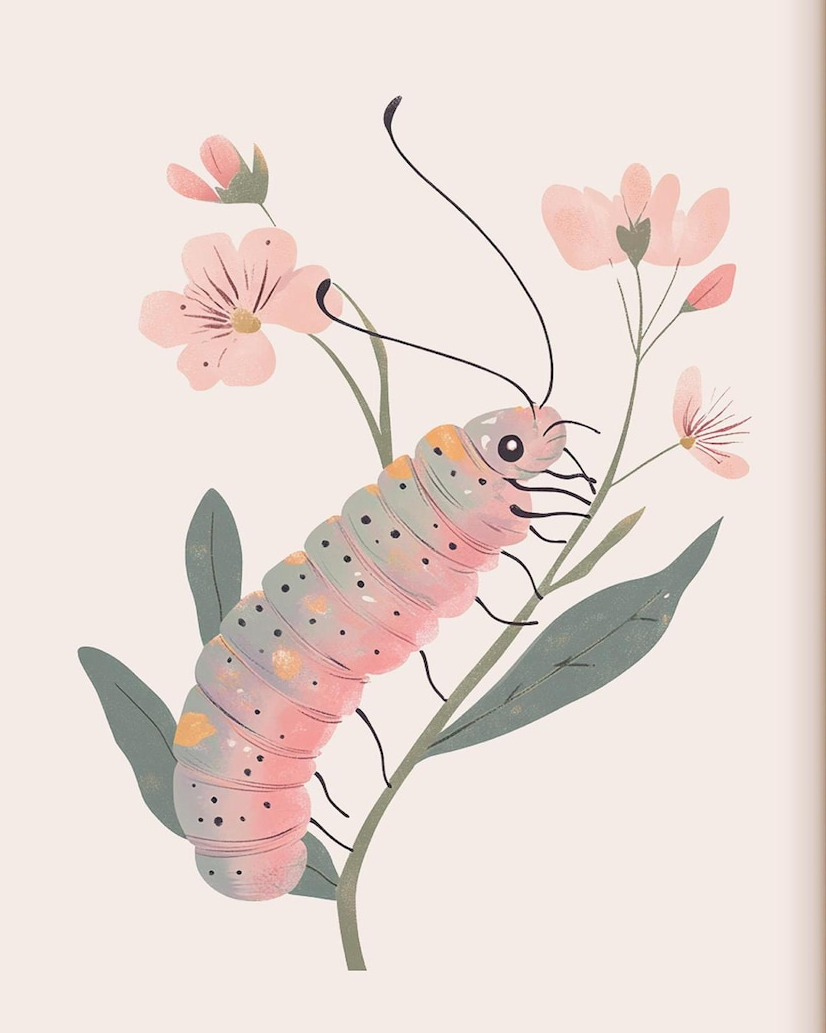
They may not always be as pretty as butterflies. But of course in order to protect butterflies, we have to protect the caterpillars which they start off as. Caterpillars are also an important food sources for many creatures including birds, ants and wasps.
Caterpillars have six legs, and move in a kind of ‘wave’, eating up to 1000 times their weight. Born on plants, they start eating, as soon as they are born. They eat many plants, including stinging nettles.
They have six legs, and kind of move in a ‘wave’, eating many plants including fallen leaves, old stems and stinging nettles. Caterpillars are born on plants. And start eating, as soon as they are born.
Some caterpillars can cause a sting rash, so watch from afar.
Eventually a caterpillar turns into a chrysalis, then emerges into a beautiful butterfly (just before that, the ‘pupae’ looks like a dead leaf, to make it less vulnerable to predators).
Without change, there would be no butterflies. Maya Angelou
The caterpillar does all the work. But the butterfly gets all the publicity. George Carlin