Stop Light Pollution: Protect Birds and Wildlife

All our birds and native wildlife (and even sea turtles that follow the moon to lay eggs) need to avoid light pollution. Bright broken street lights, 24-hour lit supermarkets, multi-storey car parks all play havoc with our wildlife.
Dark skies are beautiful, and you’ll find these in less populated areas (like Northumberland). But where lighting is needed, here are some good tips and resources.
Turn off unused lights to help stop birds flying into windows. Report white or on-all-night lights to Fix My Street (these reports are sent to councils).

Anglepoise is a brand of desk lamps that are quite pricey, but designed to last forever – indeed, each one is sold with a lifetime guarantee. An ideal investment for your office.
Why Light Pollution Should be Avoided
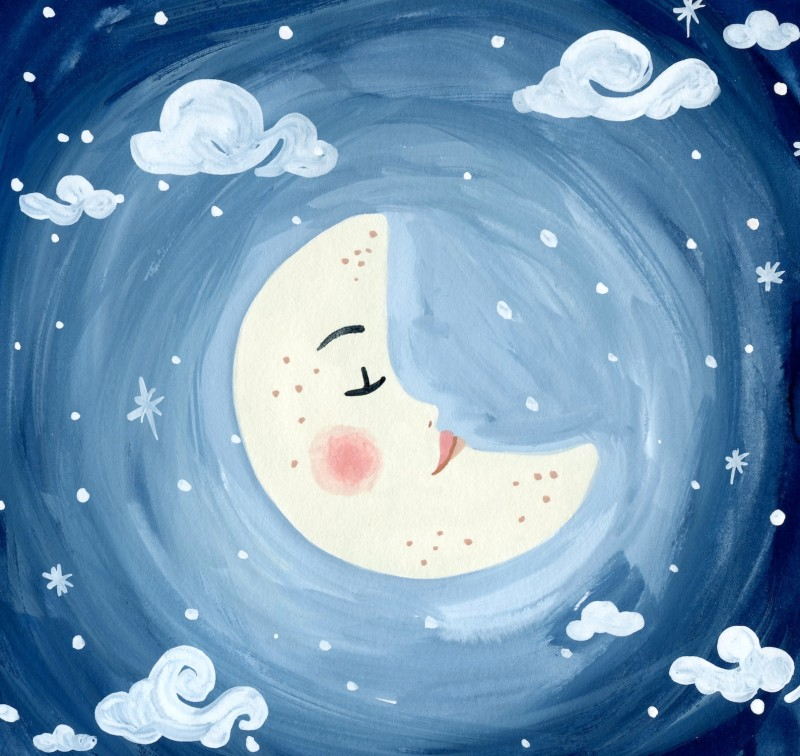
Unlike us humans that navigate by light switches, birds, mammals and marine creatures tend to use the moon. A floodlit hotel or car park can lure all creatures somewhere else, and they become stranded or harmed.
Streetlights that remain on can trick birds into thinking it’s morning. They start singing then breed to early for chicks to survive.
White street lights also attract insects that gather around lamps, and this means less food for birds and bats.
Choose Wildlife‑Friendly Lights and Fixtures
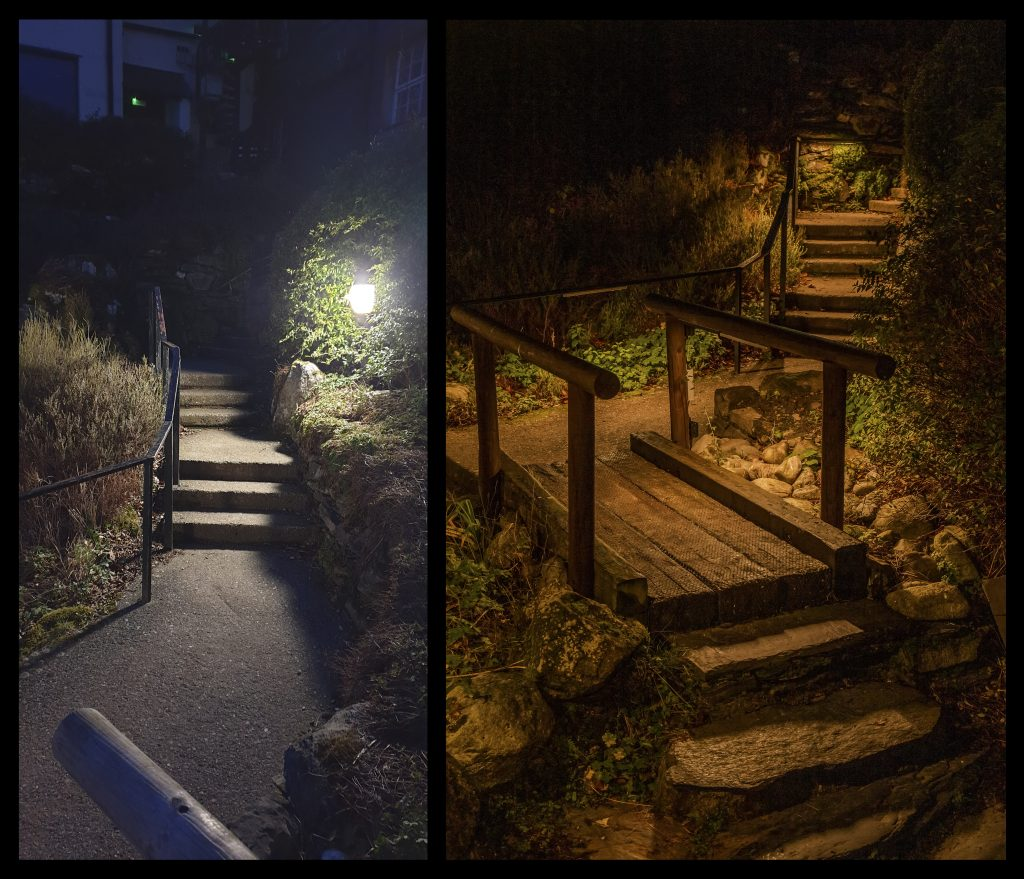
Businesses and councils can buy wildlife-friendly lighting, which only light the areas needed, in special (orange) hues that are safer for birds, insects and wildlife.
Pick orange‑hued or amber LED bulbs instead of bright white or blue. These colours are more natural and not noticed as much by wildlife. Also choose lamps that point downwards, so the light only shines where you need it, not spilling up to the sky or across a garden.
Also fit motion sensors, so lights only come on when needed, then drop back into darkness, when no-one is around (many solar lights do this). It also saves energy and money. And creates less heat, to reduce urban heat island effect.
Reduce fairy lights and lanterns (if you do cover your house in Christmas lights in December, then at least have a cut-off sensor, so wildlife gets some sleep).
DarkSky UK is the official organisation campaigning to remain free from light pollution. The site has lots of information on the benefits of night skies, plus you can find the nearest dark skies to you.
The site also has lots of materials for educators, and template letters to send to your MP.