Eco-Friendly Bin Liners (biodegradable or compostable?)
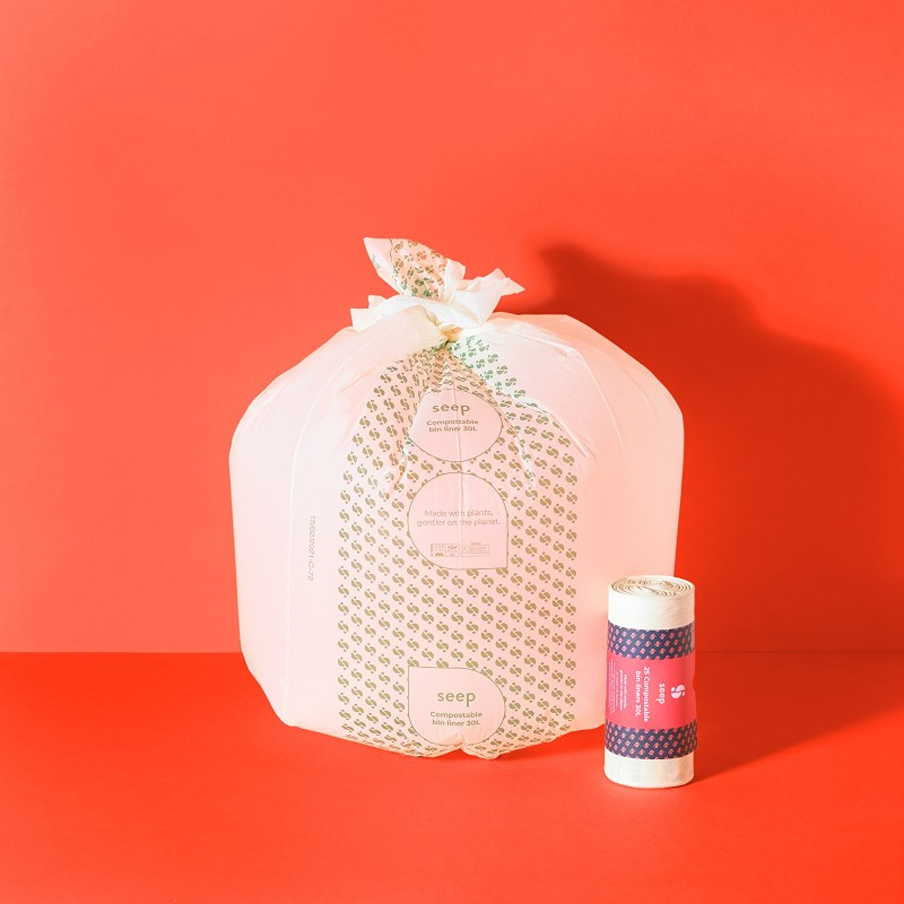
Seep biodegradable bin liners are wonderful! These are made from truly eco-friendly materials (you’re too busy to likely deal with the science, but safe to say there’s no greenwash here!) Approved for local authority collection.
Use biodegradable bin bags within 12 months (and store away from light). Or else they will biodegradable away!
Change your liners more often if adding liquids. And don’t use for hot liquids, grease/oil, dust or wool/animal products.

Reinforced to prevent leaking, each pack contains 25 rolls. Choose from four sizes:
- 10 litres (for small bins)
- 30 and 50 litres (for normal size bins)
- 70 litre (for large bins)
Did you know that black bin liners can’t even be recycled (even if unused), as machines don’t recognise the colour?

The 90 litre garden waste bags are plastic-free, and ideal to collect grass cuttings, weeds and wood chippings, for up to 4 weeks.
Read our post on pet-friendly gardens to avoid toxic plants and compost.
Why Choose Compostable Bin Bags?
Biodegradable bin bags break down by bacteria but this can take months or years. Compostable bin bags obviously are not composted at home due to what’s inside (cloth nappies, dog poo, non-recyclable items).
So the answer is to buy compostable bin bags, and vote for greener councils who invest in industrial composting systems that use certain heat and humidity, to safely break bags and rubbish down into water and carbon dioxide, usually within 12 weeks.
Unused black bin bags can’t be recycled, as machines don’t recognise the colour. To get them out of your town once and for all, communities can pool to buy a Terracycle Plastic Bag Recycling Box (from £100 to £160, the largest taking 1300 plastic bin bags).
This is placed in a local shop or community centre, then sent off when full using the prepaid label, to be made into industrial piping etc.
Bumboo’s 50 Litre Eco Bin Liners
Bumboo Bin Liners are made in the UK from plant-based polymers and reinforced with graphene, they combine strength with responsible end‑of‑life. They keep smells in, keep liquids contained, and break down cleanly at industrial composting sites.
The core material is a mix of sugar‑based PLA and ethically sourced cornstarch, strengthened with a layer of graphene, the carbon material linked to a Nobel Prize in Physics. It gives toughness without adding bulk and helps to lock in odours and moisture.
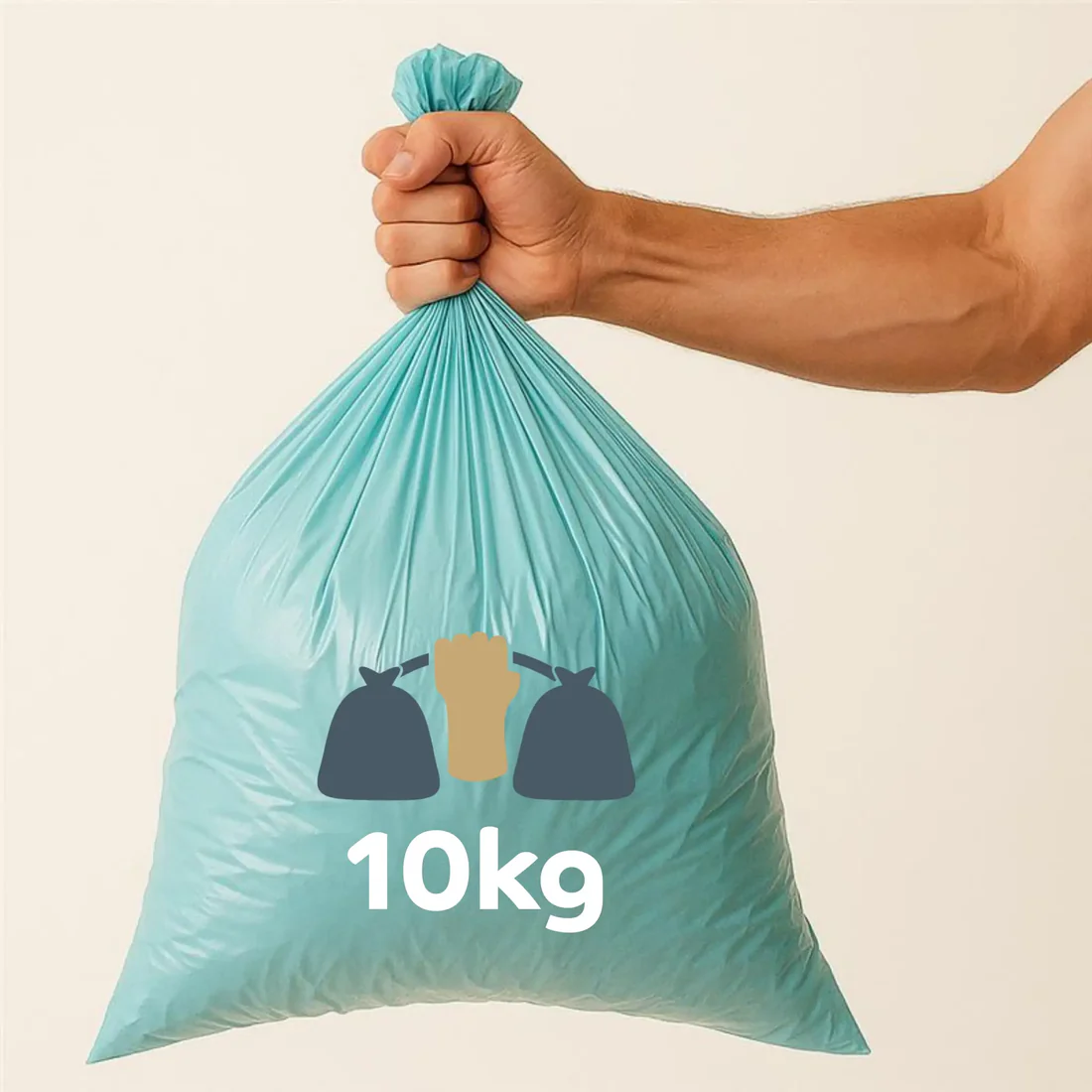
Each 50 litre bag supports up to 10 kg of household waste without splitting. These liners meet EN 13432 standards for compostable materials and are suitable for industrial composting.
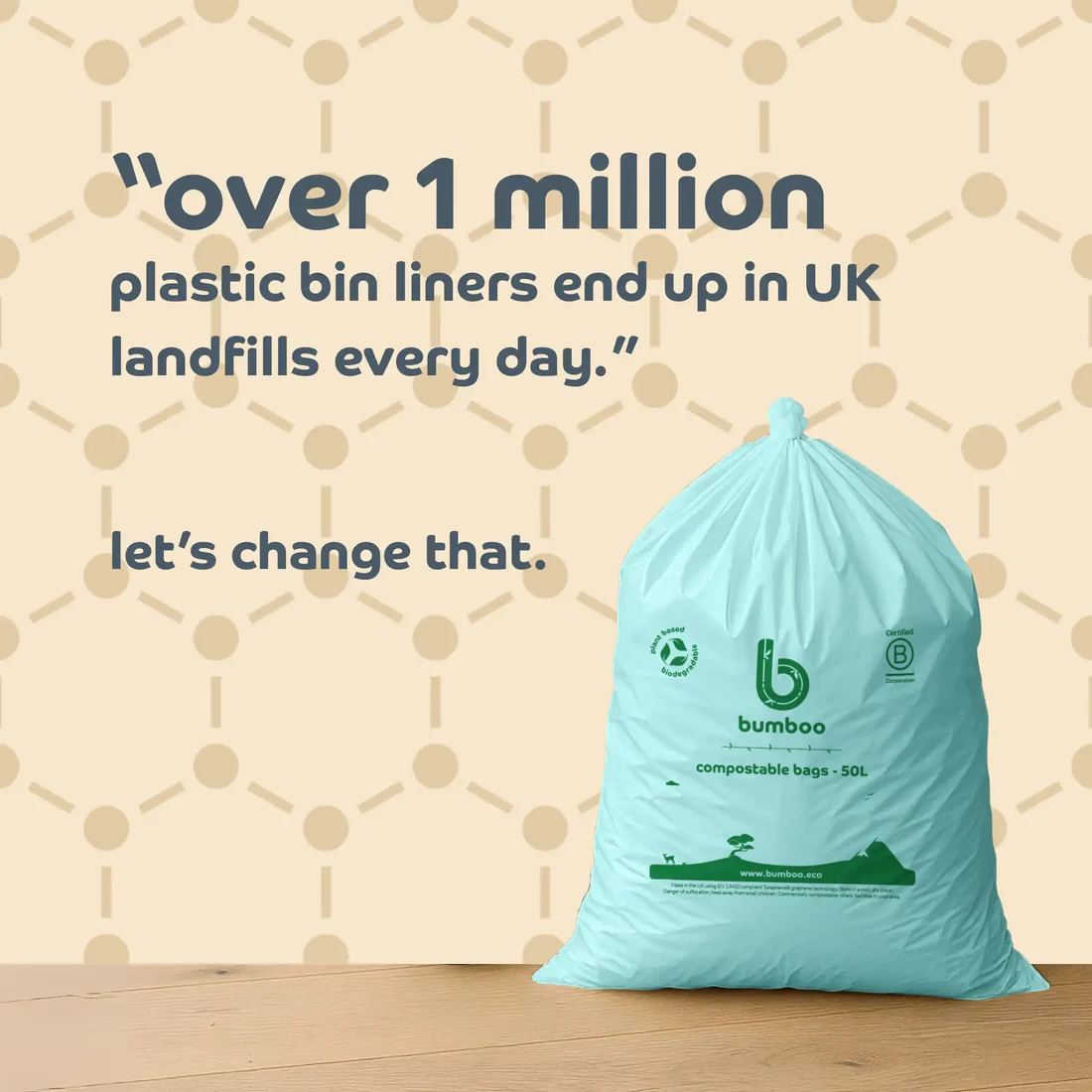
Bumboo liners help stop leaks, hold their shape, and keep smells under control. That means fewer mid‑week bin changes and less scrubbing out the bin itself.
Reusable Bin Liners (for dry waste)
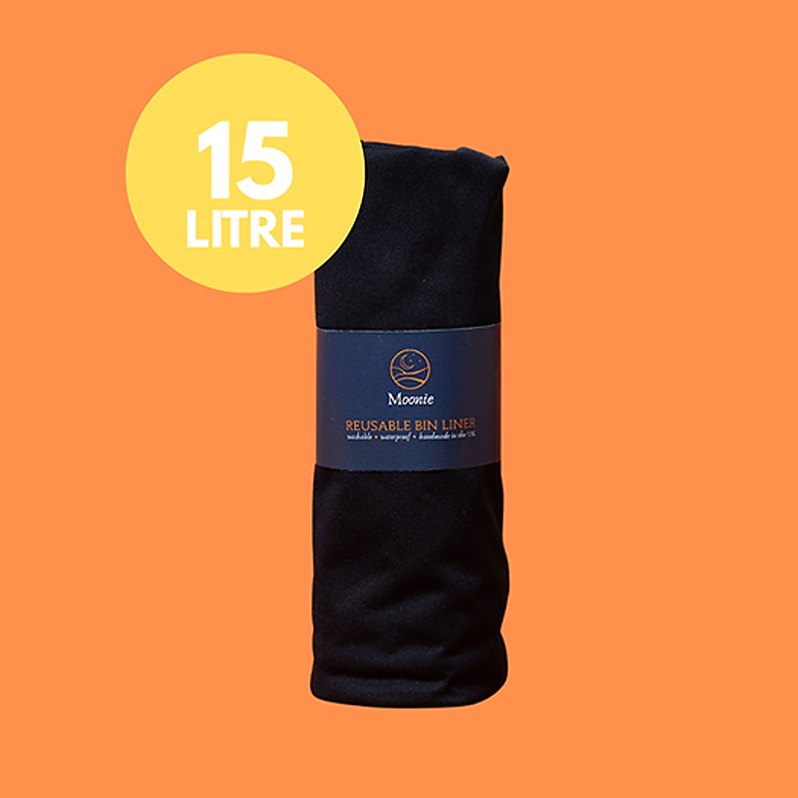
Moonie Reusable Bin Liners are a good option for ‘dry waste’ (you can’t wash them, as this would release microplastics). But they have seamless bottoms and are easy to empty into refuse trucks, and use again.
The smaller versions area ideal to store swim shoes, cloth nappies or gym gear, or even keep as a portable trash bag for the car.
Do You Have to Use Bin Bags?
Technically no. Most councils use mechanical lifters to empty bins into trucks, so refuse workers won’t be touching your rubbish. Bin liners simply prevent ‘ickiness’. If you choose reusable over disposable, you could end up with a ‘dry bin’ and not need liners.
What About Gull-Proof Sacks?
Gull-Proof Sacks are made from thick woven plastic, the idea that they are emptied into refuse trucks, then returned to you, for use again. The Velcro closing is designed to stop wildlife ripping bags apart.
They are good inventions, if kept indoors until collection day, and only used for dry waste. Some councils have trialled theme but cancelled the trials. As empty bags kind of act like parachutes, filling with air and blowing down the street.
And as with ‘reusable bin liners’, they are at risk of vermin, if used for wet waste (and you need a microfiber filter to wash them, to stop synthetic microplastics escaping the machine, and going out to sea).
- Only use for ‘dry rubbish’ (no food waste or dirty nappies!)
- Keep them indoors (brought in immediately after collection)
Of course the real answer is to give seagulls back their natural homes (at the seaside, where they eat fish) and don’t drop lots of litter or over-fill bins). All creatures are opportunistic eaters. And if there was not lots of leftover food waste in the first place, these unwelcome visitors at your bin, would not be there!
EKO (quality kitchen recycling bins)
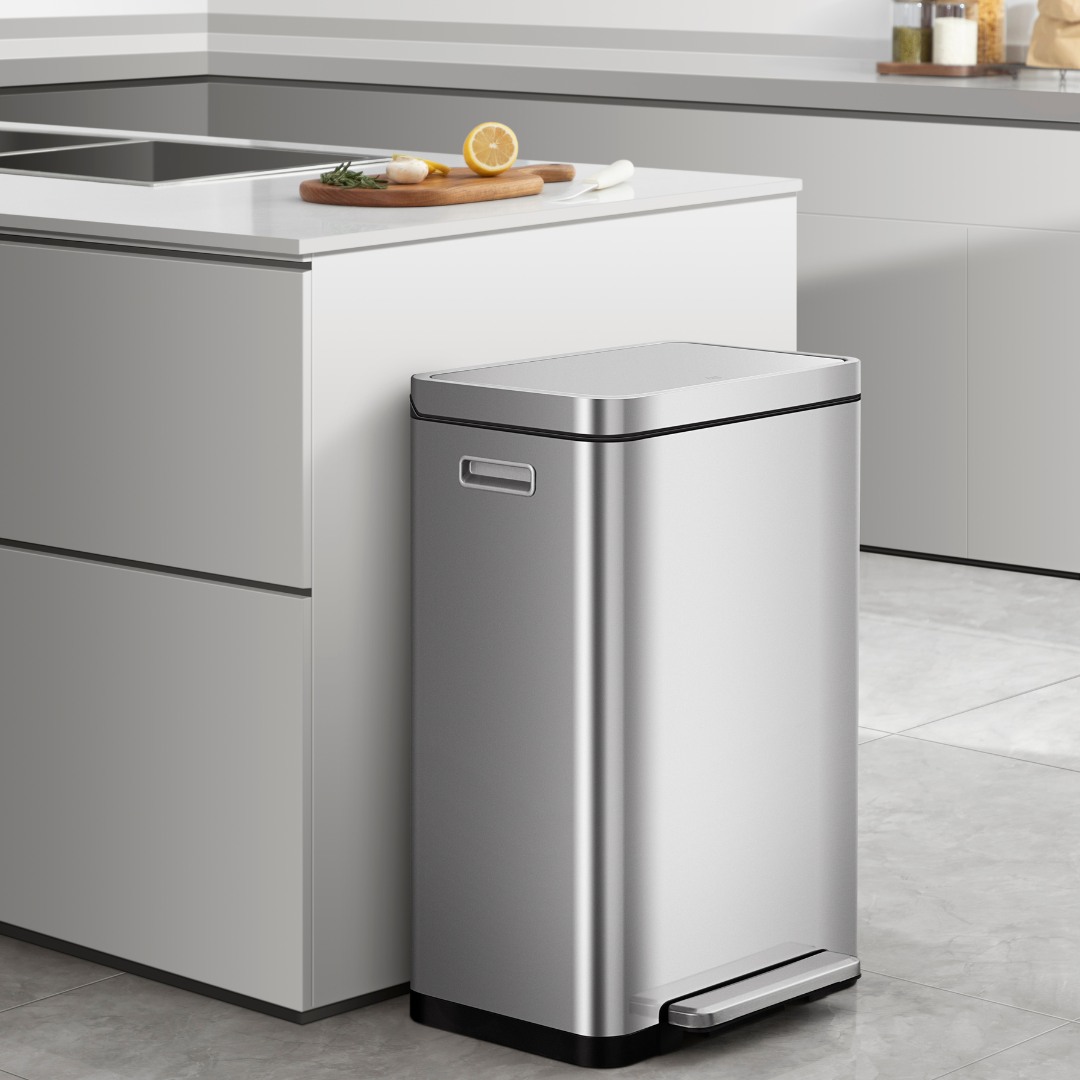
EKO Recycling Bins are good one-off purchases (the basic one is less than £50) that fit into small spaces with soft-closed lids and inside rings, to keep bin bags securely in place. These are ideal to keep goods, until recycling day.
Current EKO Offers:
- SAVING5 (£5 off for orders of £20 to £80)
- SAVING10 (£10 off for orders of £80 to £150)
- SAVING10 (£15 off for orders of £150+)
For food waste bins, just bin allium scraps (onion, garlic, shallots, leeks, chives) and citrus/rhubarb scraps, as acids may harm compost creatures. Same for coffee grounds and tea leaves (use a sink drainer) to avoid clogged drains.
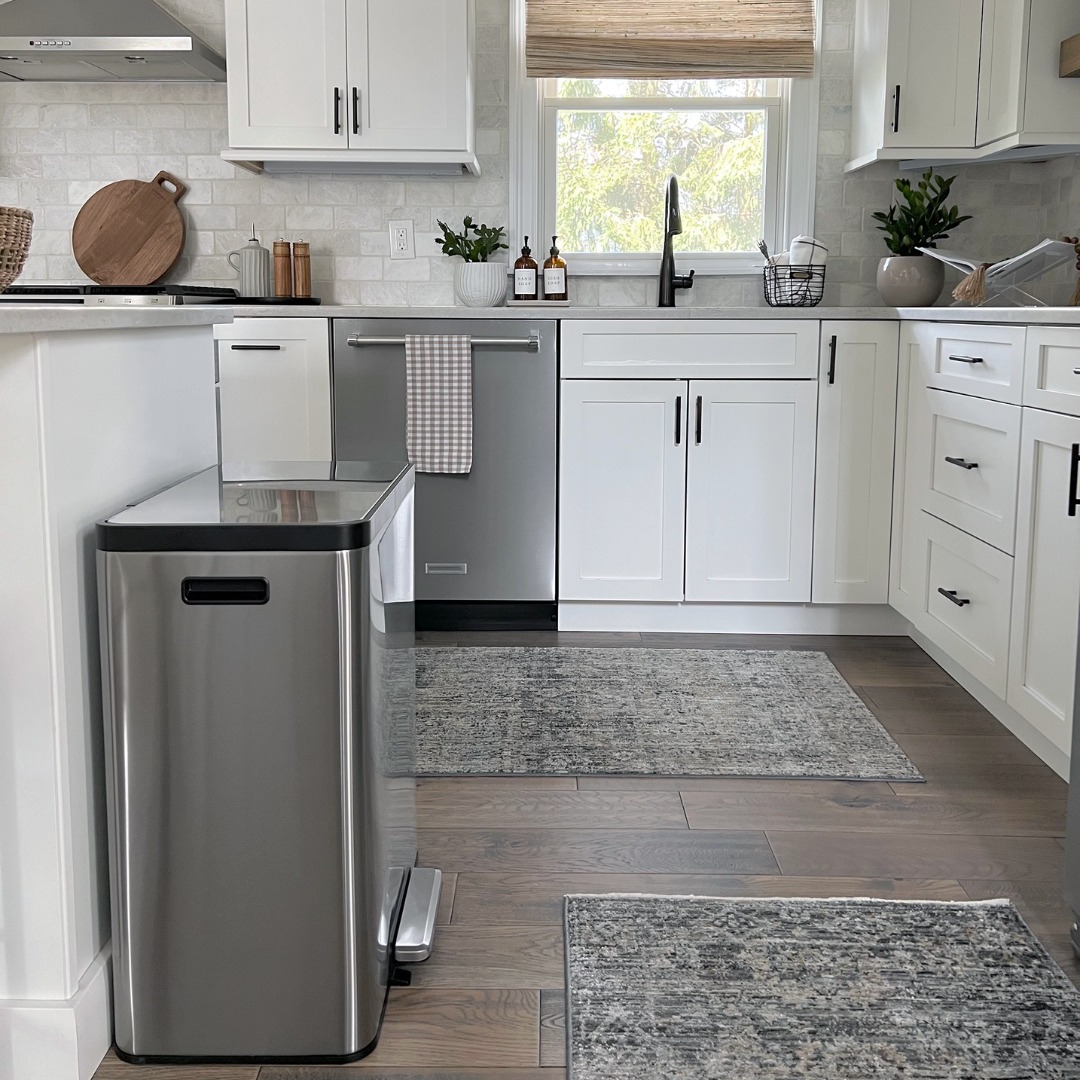
Most models have two or three compartments, so you can separate general waste, recycling, and food scraps on the spot. With clear icons and colour-coded liners.
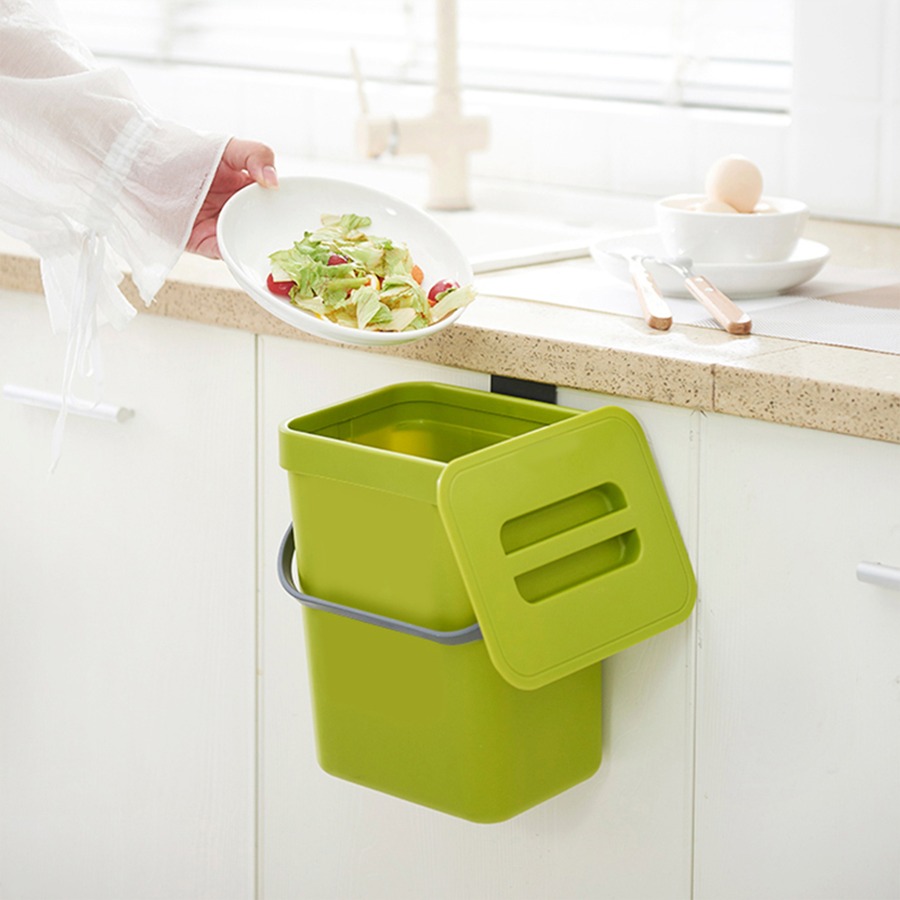
No one wants kitchen odours wafting through the house. EKO bins fight smells with tight-fitting lids and built-in odour filters. Many models use replaceable charcoal filters that trap and neutralise unwanted scents.