The Genius Bat (understanding our most mysterious mammal)
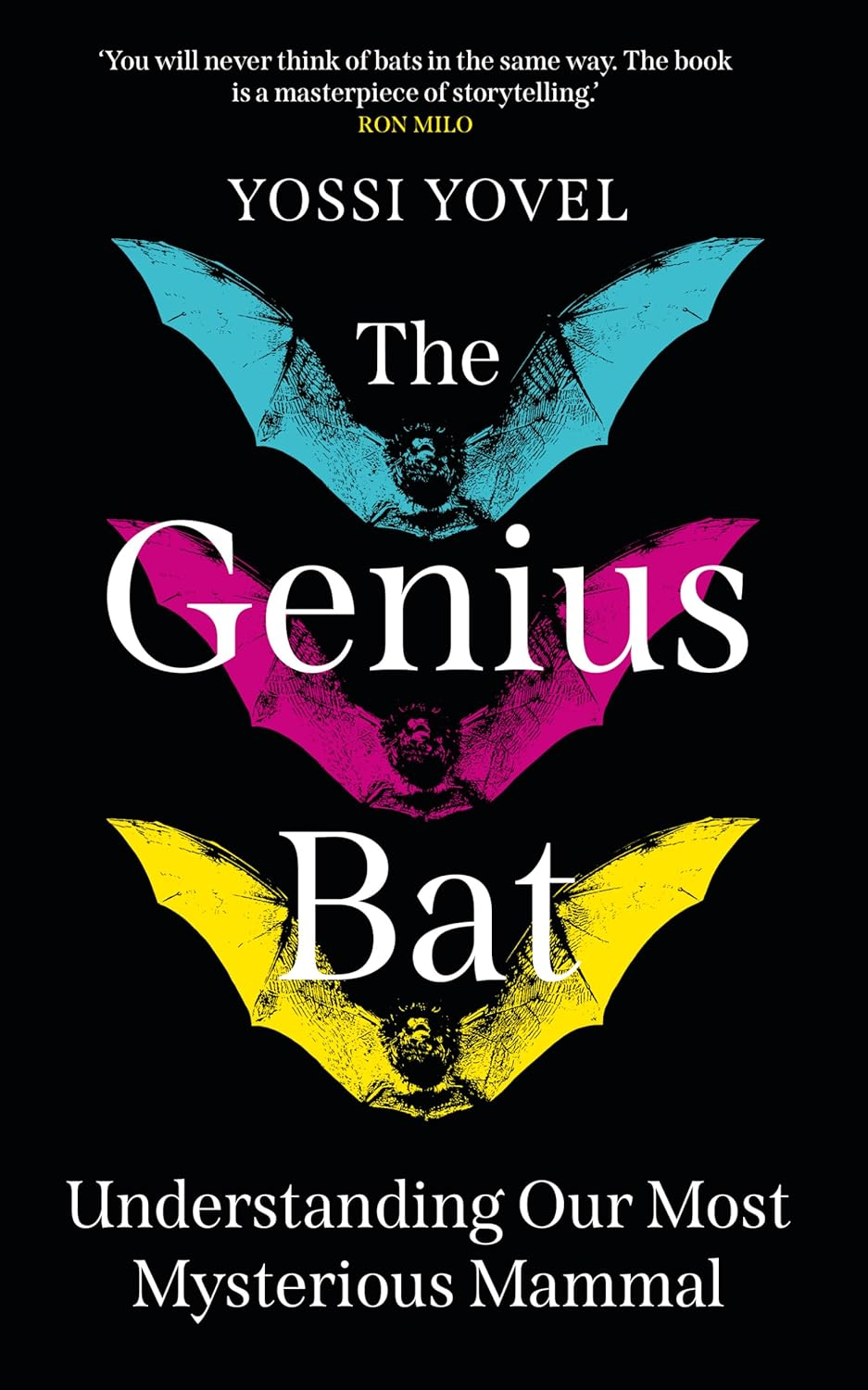
The Genius Bat is a book to change your mind about beautiful bats, if you think they drink your blood and flap about in your hair! National Geographic says that this book ‘brings the poster-species of Halloween out of the shadows, so we can better appreciate the flying mammal’.
Usually, you will hear a bat before you see it (bats don’t see well and hang upside down for a quick getaway).
England’s only flying mammal (also endangered due to lack of habitats) flies by echo-location using a high-pitched chatter, diving and rolling for insects (eating huge amounts each night).
And if you do see a bat, it’s usually simply a ‘blur against the evening sky’.
In this book, you’ll learn about all species of bats – from tiny bumblebee bats that could rest on your index finger, to giant golden-crowned flying fox bats (1.5 metre wings!). Bats can not just fly, but can do so at speeds of up to 100mph (beating cheetahs!)
The author is passionate about bats, and in this book brings to life these amazing creatures (and introduces you to the sometimes eccentric people who study them – batty about bats!)
By page eight, I was a confirmed batman. This book is no dry-as-dust science text. Prof Yossi is the Indiana Jones of chiropterology. It’s bonkersly interesting. John Lewis-Stempel
We can blame our negative attitude towards bats on a certain Victorian novelist. Here fortunately is the book to counter Dracula, and present us with a perfect PR campaign for bats. Spectator
Author Yossi Yovel (what a great name!) is an ecologist and neurobiologist. A professor at Tel Aviv university, he is currently a visiting scholar at a university in Montreal (Quebec).
How to Help Our Beautiful Bats
- Bats (along with hedgehogs and dormice) are one of England’s three hibernating mammals. So as well as never disturbing them (it’s illegal to do so unless a bat rescuer), never wake them up!
- Bats need (night-scented) flowers for pollination. If you live with animal friends, learn about pet-friendly gardens, to avoid toxic plants.
- For help on siting bat boxes and reducing road collisions (for planners), contact Bat Conservation Trust.
- This organisation can also help old churches (most of which have resident roosting bats!)