The Many Benefits of Community Supported Agriculture

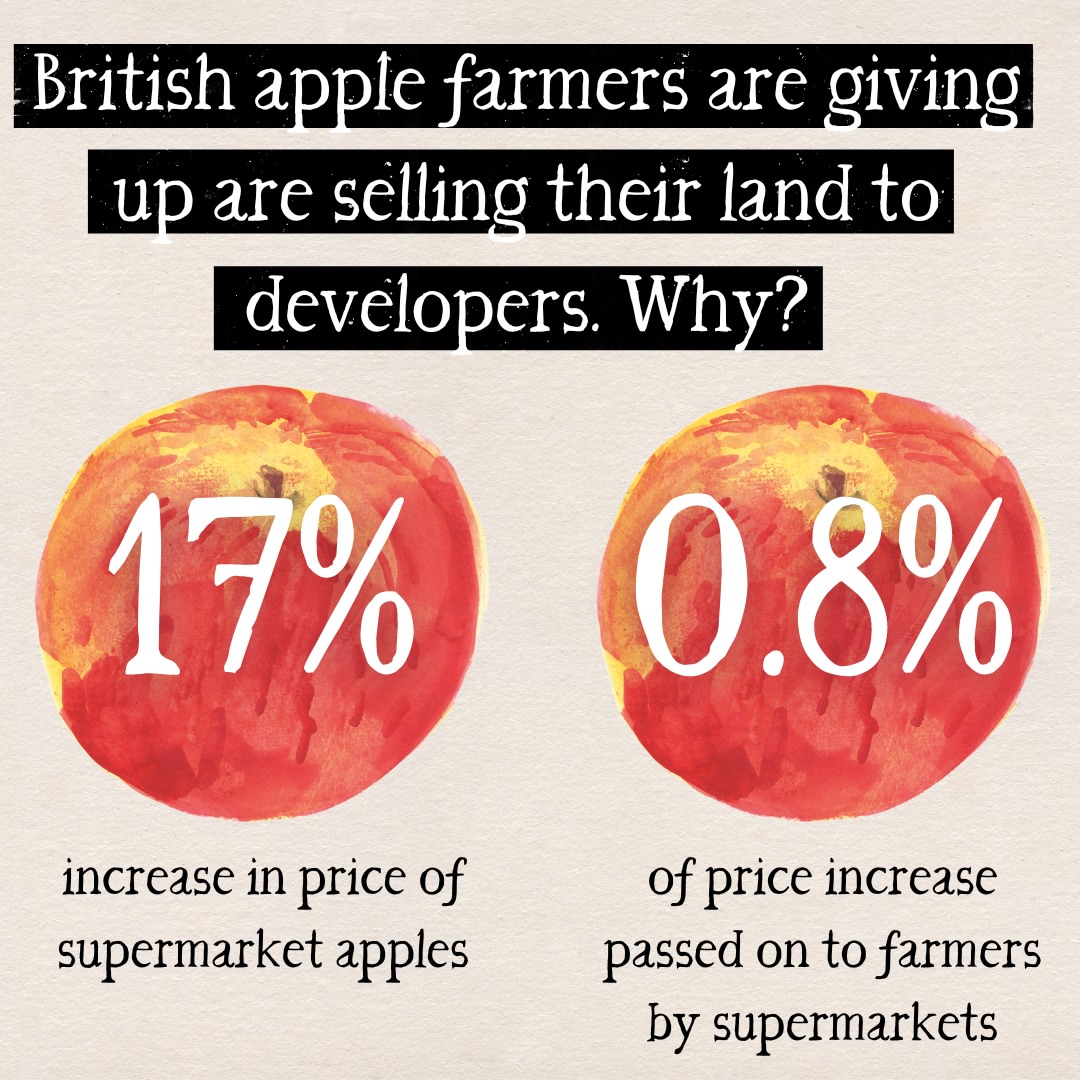
Community Supported Agriculture, is when you pay farmers in advance for the harvest, and then get your ‘money back’, in the form of food! This means small farmers can cut out the middlemen, and sell direct rather than selling at tiny prices to supermarkets (some even earn just 1p for some crops).
If we want good food at affordable prices, the obvious start is to cut out the middlemen, and buy direct from CSAs and farmers’ markets (even farm shops can be expensive, as they are taking profit).
If a supermarket sells a 1kg bag of carrots at 70p, the farmer is not making much profit, and if locked into supermarket contracts, is unable to sell elsewhere. And supporting local farmers is good for local economies, as they are more likely to support other local businesses.
Read more on no-dig gardening and humane slug/snail deterrents. If you live with animal friends, read up on pet-friendly gardens (some recommended flowers and fruit trees are not safe). Also avoid netting to protect food (just leave some for wildlife!)
Where To Find CSA Farms
Just enter your postcode to find local CSA farms! You then choose a category (there are over 135 vegetable CSAs listed). If you eat animal foods, ensure any listings are for certified free-range organic foods, for best welfare.
How to Order from CSA Farms
Each one works differently. But as a rule, you just pay for the harvest in advance, then receive your ‘money back’ in the form of a harvested crop, or sometimes a regular organic box.
Veg boxes can be left in a safe place if you are out (say a shed or garage or porch). Keep them away from pets (onion, garlic etc are not safe near animal friends). Read more on food safety for people and pets.
Unless you’re an expert composter, avoid composting acidic scraps (onion, garlic, leeks, shallots, chives, tomatoes, citrus, rhubarb) as this could harm compost bin creatures. Just bin them, to break down naturally.
The Community Farm (Bristol & Bath)
The Community Farm is a good example of a non-profit CSA Farm. It offers a wide range of veg boxes (potatoes, onions, carrots, beetroot, sweetcorn, kale, parsnips, cauliflower, runner beans and kohlrabi). The warehouse handles allergens (gluten, mustard, celery/celeriac).
Profits have been reinvented back to create 30 quality jobs. You can also add £3 to your order that goes to their Community Fund, to provide organic food to local people on low incomes.
This farm’s organic methods protect hedgerows (which has led to an increase in numbers of endangered bees and butterflies). Other wildlife enjoying their land include deer, badgers, stoats, and birds (skylarks, kestrels, buzzards, yellowhammers, tawny owls, woodpeckers and endangered lapwings).
Can CSA Be Used for Other Foods?
Yes! The Handmade Bakery (Yorkshire) is a good example of how a thriving enterprise was launched, by offering ‘bread bonds’ to local people, who received ‘share dividends’ in the form of freshly-baked loaves.
A loaf that sells in supermarkets for over £1 may only make a wheat farmer 9p profit.
Peaceful Politics in Action!
The government and big food chains are not going to change the food system, so it’s up to us to make small empowered changes. Switching some of your shopping to a CSA farm helps to keep good organic food local and affordable, and supports farmers directly, who don’t have to sell out.