How Churches Can Help Bats and Wild Owls!
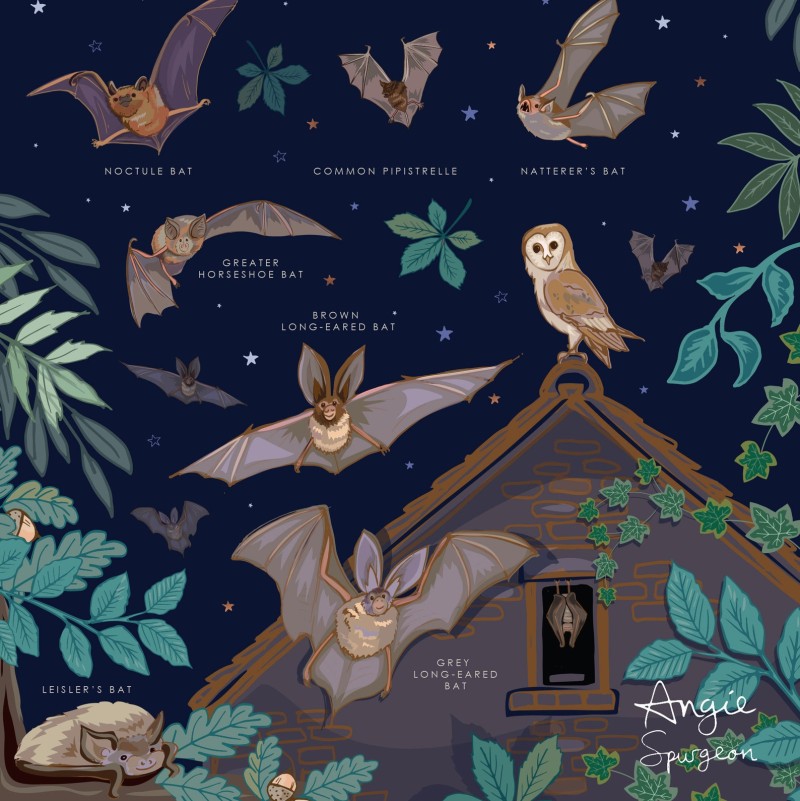
If you look after an old church, there’s a good chance that you have bats (and possibly wild owls) living there. Due to lack of natural habitats, churches (and old barns) are ideal habitats to nest and sleep.
Old eaves and ancient buildings are just the places that these creatures choose, so let’s find some help, you know how to help them!
You can’t disturb bats, owls or owlets, unless a licensed wildlife worker.
Helping Bats in Churches and Barns
- Bats in Churches is a website set up to help congregations help roosting bats, know how to safely clean the areas, and approach building projects. The site is also useful for architects and town planners.
- Bats need (night-scented) flowers for pollination. If you live with animal friends, learn about pet-friendly gardens, to avoid toxic plants.
- For help on siting bat boxes and reducing road collisions (for planners), contact Bat Conservation Trust.
Helping Owls in Churches and Barns
- Barn Owl Trust has advice on how to choose, build, buy and site owl boxes, whether you do this indoors (like a barn) or on a tree. It says the nest box is only as good as the land surrounding it, for natural food.
- Barn owls are protected by law from disturbance during nesting (from when the egg is laid until the last dependent stops returning to the nest). Penalties include fines up to £5000 or 6 months imprisonment.
- It’s a worthwhile £300 for planners to take their training course (includes the Barn Owl Conservation Handbook. Chris Packham says every council should have a copy, so one staff member can become a ‘barn owl agent’.
- Also never use rat poison, as owls eat rats.
If I am to love owls, then I must learn to live with rats. Alys Fowler