Choughs: Meet Cornwall’s ‘National’ Birds!
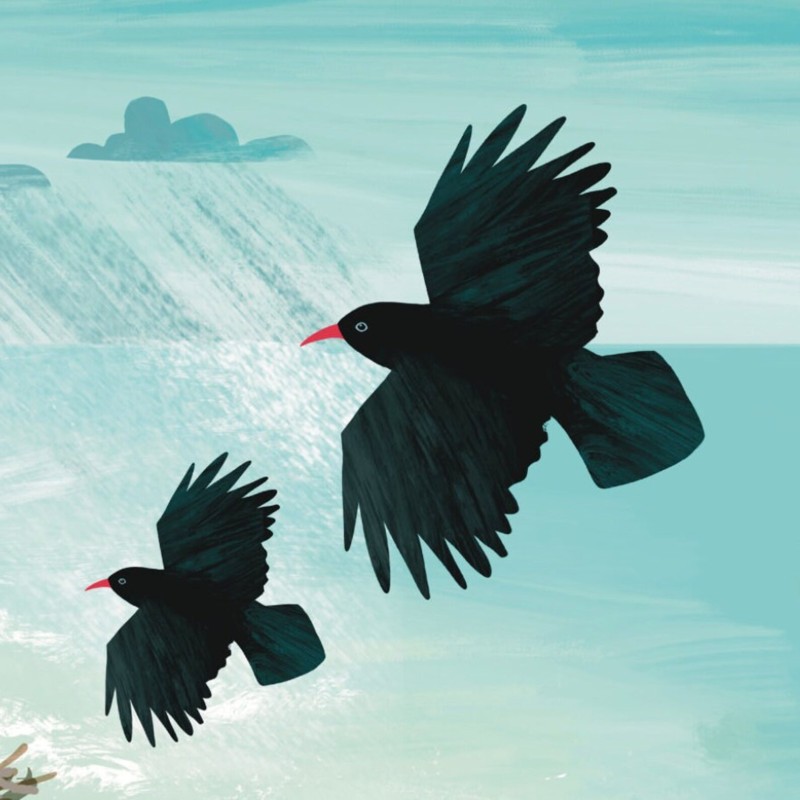
Choughs are unique crows with red beaks and legs. Previously endangered, these birds are now thriving thanks to conservation efforts, and are found in Cornwall, as well as Scotland, Wales and Ireland.
These birds use their long bills to eat beetle larvae and leatherjackets. They have a loud ‘chee-ow’ song, and are mostly found on cliff faces and rock ledges, but also nest in empty buildings.
Known for their dramatic dives and swoops, choughs are monogamous and pair up in bonds that last for life. They are also very faithful to nesting sites, often returning to the same cliffs each year.
Keep at least 50 metres away from coastal birds, as flying away wastes energy that could be used for feeding (they need more space at high tide). Keep dogs away, as disturbing nests could cause birds to abandon chicks. Read more on keeping dogs safe at the seaside.
Preserving Habitats for Coastal Birds

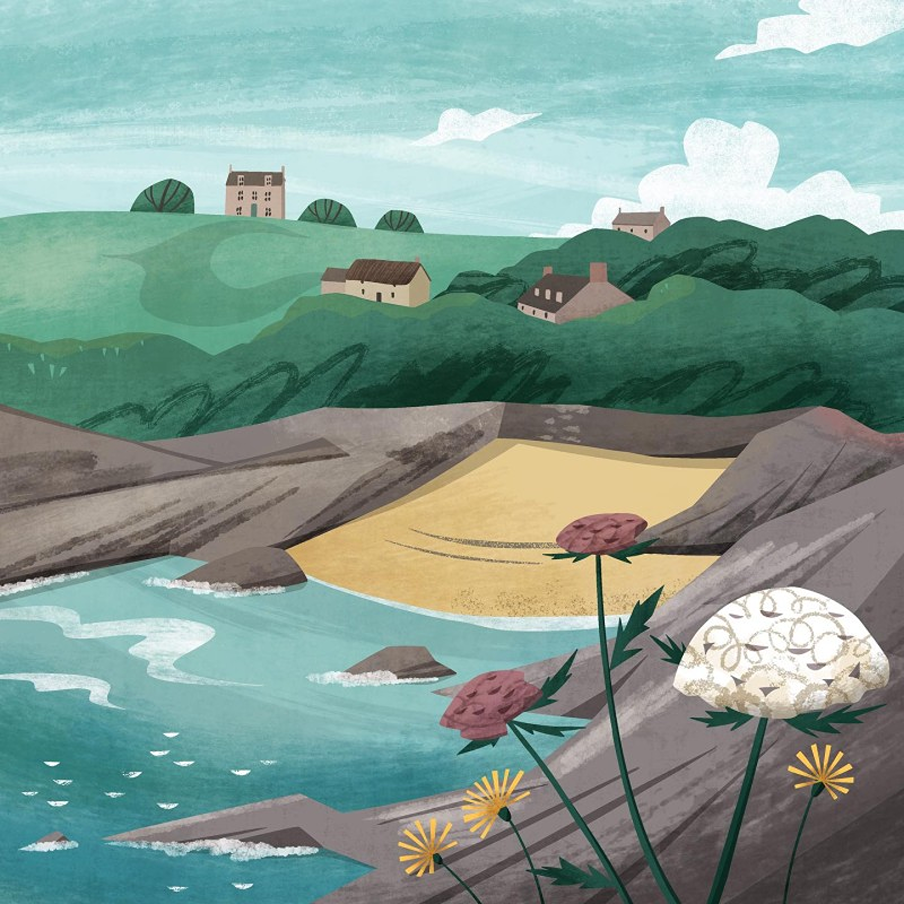
England’s coastal birds claim a mix of habitats:
- Mudflats: Feast grounds for sandpipers and whimbrels at low tide.
- Rocky shores: Perfect for turnstones to hunt amongst crevices.
- Estuaries: Sheltered feeding spots where many birds gather in flocks.
- Sandy beaches: The ideal racetrack for sanderlings.
Migration is key for many coastal species. Some arrive in spring to breed, while others pass through on journeys between the Arctic and Africa. As tides and seasons shift, so do bird numbers.
Coastal birds face tough times. Their homes are shrinking due to building, pollution, and rising sea levels. Plastic waste and oil spills also threaten their food and safety.
But there is hope. Local wildlife trusts work to protect and restore vital habitats. They take part in volunteer beach cleans, and help communities care for coastal birds, with legal protection and careful town planning.
Top spots for coastal birdwatching:
Take care to avoid high tides and quicksands.
- Snettisham, Norfolk: Breath-taking flocks of waders over the Wash
- Spurn Point, Yorkshire: A migration hotspot, for all species.
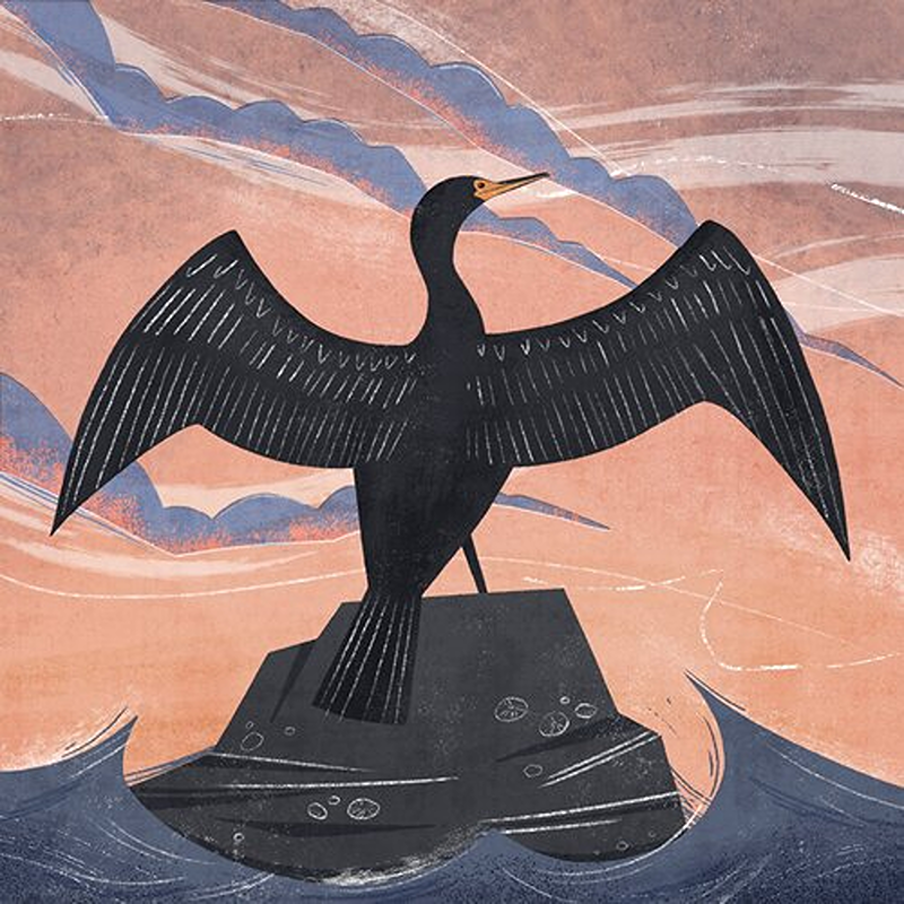
- Farne Islands, Northumberland: Cormorants, terns, and puffins.
- Dungeness, Kent: A unique shingle headland rich with birdlife.
- Morecambe Bay, Lancashire: Vast sands attract huge waders.
It’s important not to disturb birds. RSPB Puffin Binoculars are designed for children (only cost around £30) and are small and lightweight, so pretty good for most adults too.