Oystercatchers (noisy coastal birds with orange bills)

These birds have black and white feathers, and bright red bills. These noisy birds (with a sharp pip sound) like muddy estuaries and sandy shores. Despite their name, they prefer mussels and cockles, and use their strong beaks to prise open shells. There are 12 species worldwide (another on the Canary Islands went extinct around 100 years ago, due to over-fishing and human disturbance).
As an island nation, England is home to many coastal birds, who adore our natural wetlands. Loss of habitat to farming and urban building has put many at risk.
How to protect England’s coastal birds
- It’s also important to keep yourself and dogs away from coastal birds (flying away uses up energy they need to feed), especially at nesting season (when many birds hide chicks in the sand dunes). Read more on keeping dogs safe at the seaside.
- Always keep to designated footpaths and take litter home (report any injured birds to your local wildlife rescue).
- Sometimes pirri-pirri burrs stick to your clothing (or a dog’s fur). If seen, remove them and bin securely, to avoid them choking coastal chicks (same on country walks).
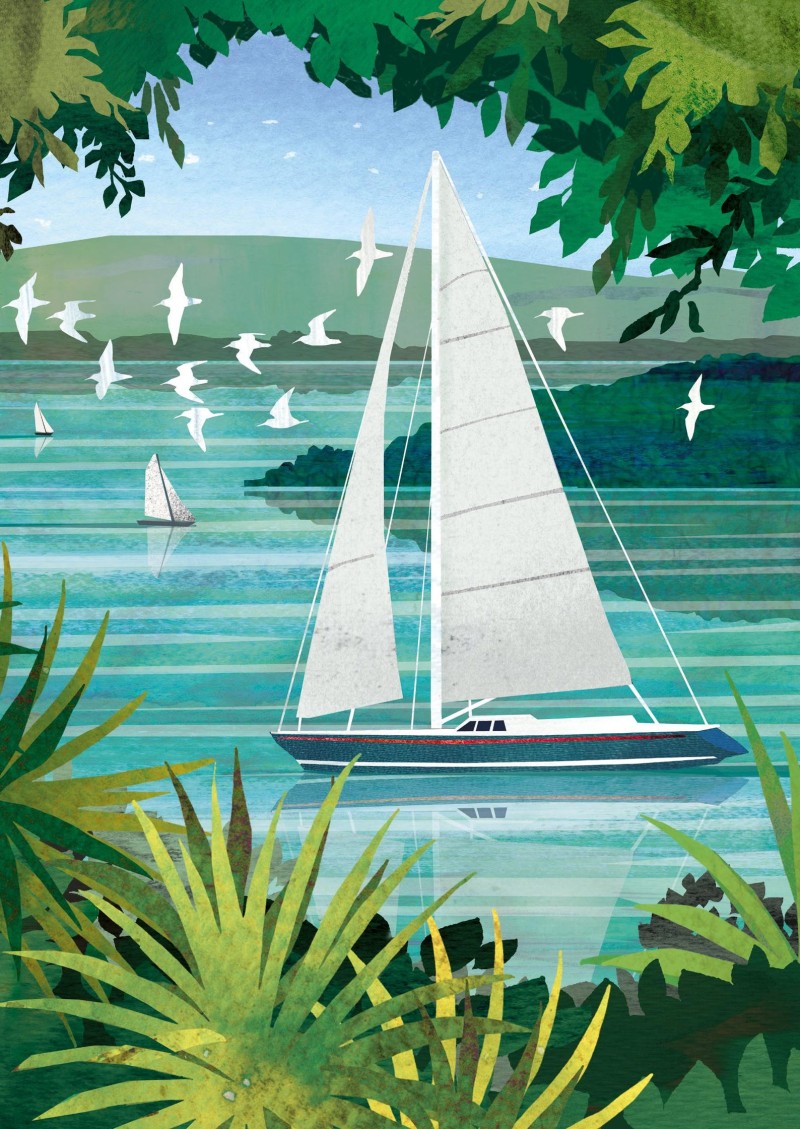
- If you sail a boat, keep at least 100m away from nesting or resting birds (particularly on shingle islands and spits) and turn off your engine if nearby. Likewise, take any litter with you.