Use Plant-Based Fertilisers (no fish or bonemeal)
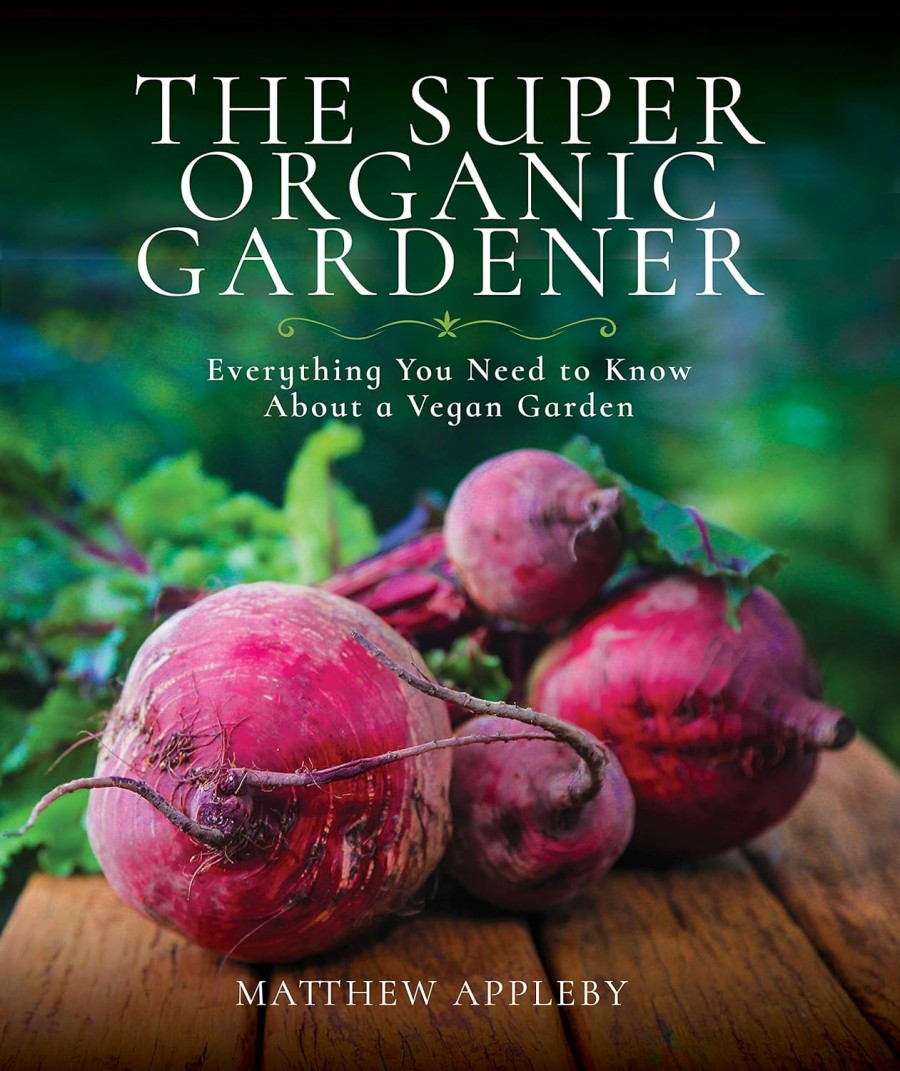
So-called ‘veganic gardening’ means avoiding fertilisers made with bone meal or fishmeal. Not only do these contribute to factory farming, but avoiding them also helps to deter creatures like rats, as there is no blood etc.
The Super Organic Gardener is the book to show you how to do it! Natural Grower offers a good range of vegan-friendly fertilisers and composts.
Read more on no-dig gardening and humane slug/snail deterrents. If you live with animal friends, read up on pet-friendly gardens (some recommended flowers and fruit trees are not safe). Also avoid netting to protect food (just leave some for wildlife!)
Avoid facing indoor plants to outside gardens, to help stop birds flying into windows.
Buy Organic Seeds (or save your own)
Most seed companies in garden centres are hybrid F1, designed not to be saved the next year, so you have to buy new again for more profits.
- The Real Seed Company offers organic seeds (or if not possible, grown locally without pesticides). It also sells Community Support Seeds (for people on low-incomes).
- Vital Seeds (Devon) offers organic and open-pollinated seeds.
- Starting & Saving Seeds is a guide on how to save your own seeds.
Leafless peas – easy to find in pods (‘smaller yield, as plants have no leaves!’ The Real Seed Company (translating seed marketing speak)
Sutton Seeds offer a ‘uniform beetroot’ that is F1 hybrid. Who wants a uniform beetroot? We want a knobbly organic beetroot full of flavour, sold cooked at the local greengrocer!
Mr Fothergill’s again sells ‘uniform carrots that are quick to grow’. Organic carrots are quick to grow anyway, and throwing out ‘non-uniform carrots’ is why we have so much food waste.
B & Q’s website grows F1 Brussel sprouts, made by an ‘EU responsible person’. Who on earth is that? Find a friendly organic seed company, and buy from them instead!