Let’s Save All of England’s Endangered Species
We often hear about endangered species abroad. But many creatures in England are at risk of extinction. Main threats are not poaching but habitat loss, pesticides (gardens and farming), litter and bad planning laws (made by MPs, without consulting wildlife experts).
View our native wildlife tag, to learn more on each species and how to help. And also read our post on help your local wildlife rescue.
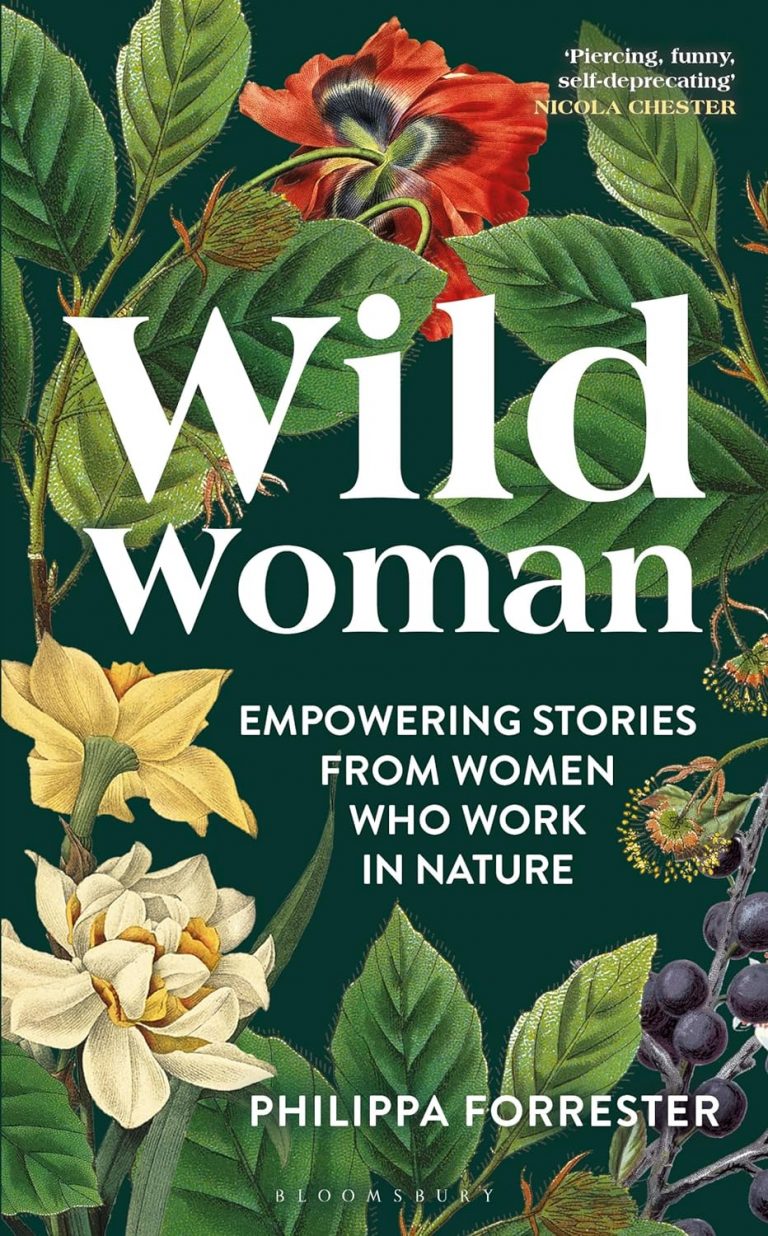
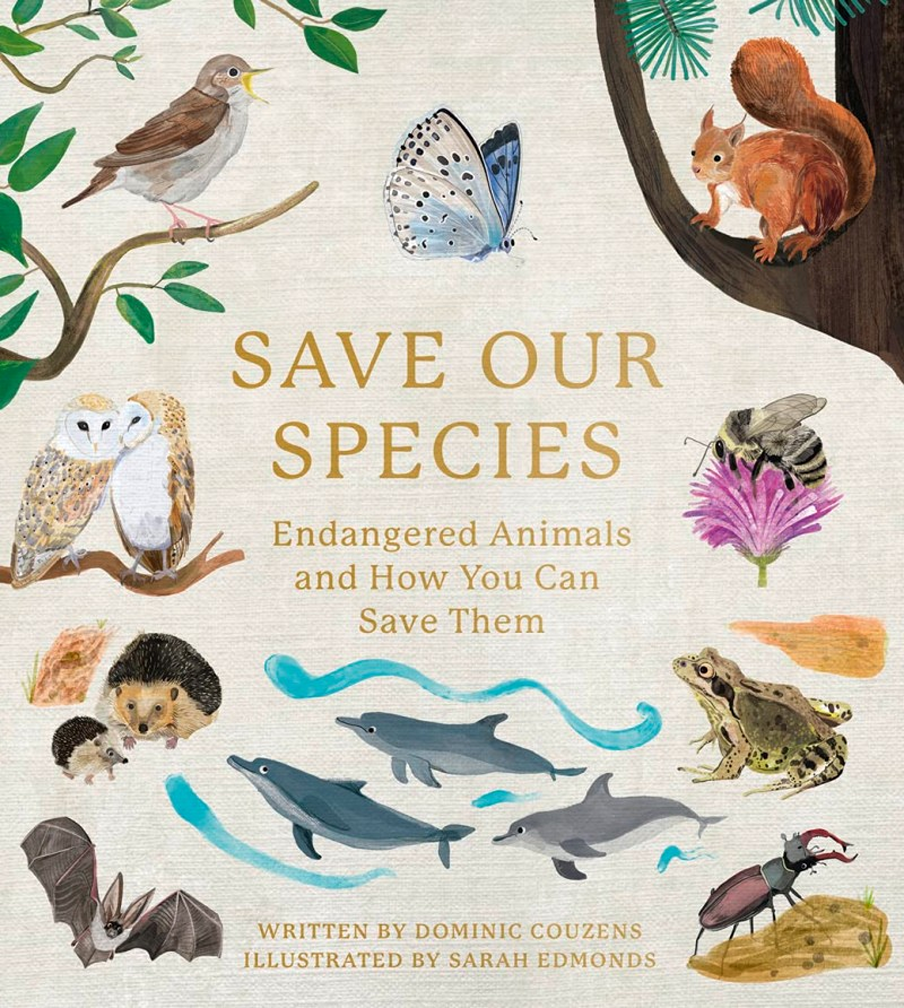
Save Our Species is unique in that it includes information on British endangered wildlife. The IUCN Red List is the place to find current statistics, and learn how to help. The shocking news is that there are 44,000 threatened species (almost a third of all of them).
Creatures profiled in this gorgeously illustrated book include:
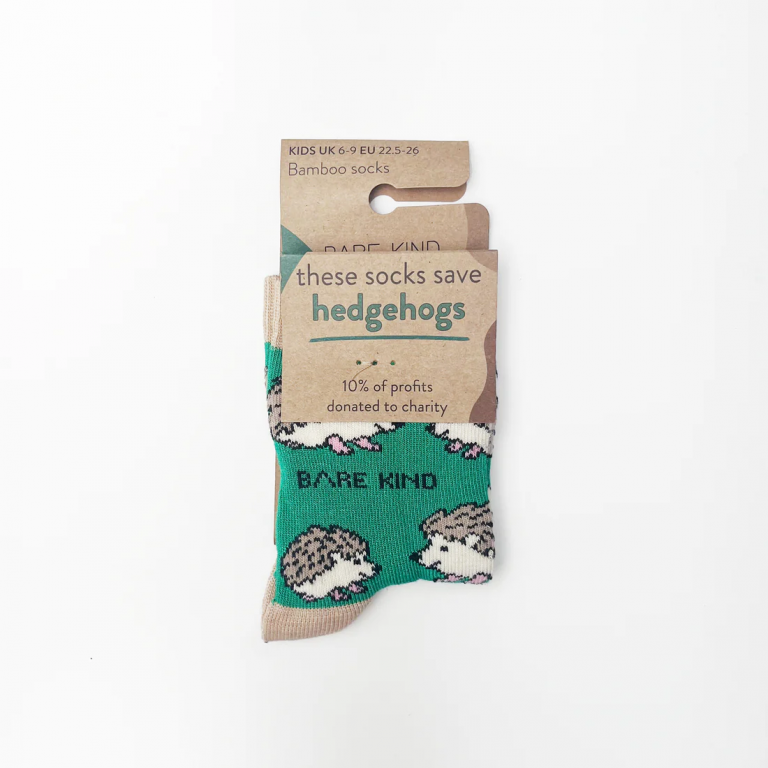
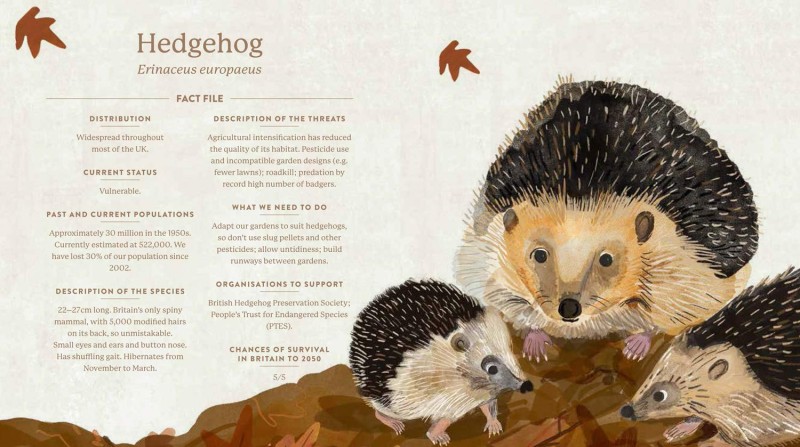
- Hedgehogs
- Squirrels
- Skylarks
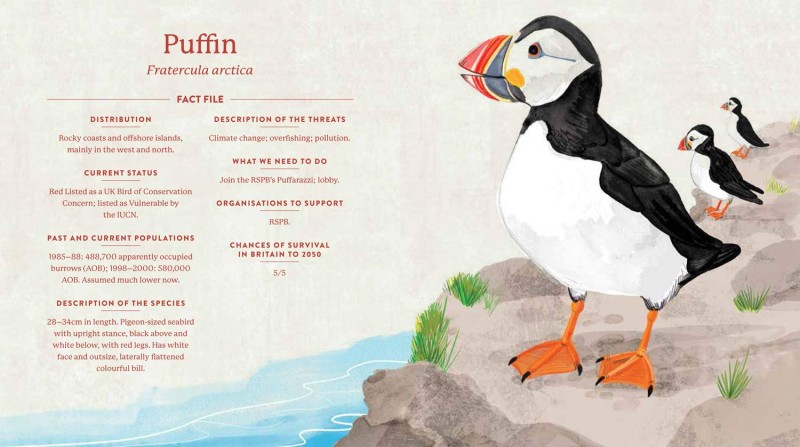
- Puffins
- Barn owls
- Bottle-nose Dolphins
Britain’s nature is in serious trouble. Thanks for being part of the solution. You care about nature, and that is incredibly important. Our wildlife needs you on board desperately.
All manner of wildlife habitats have been lost to development. Chalk downlands, heaths, bogs, freshwater marshes, seacoasts, estuaries, Caledonian pine forests and meadows. We have lost 97% of our flower-rich meadows since the 1930s.
Governments of the day kick environmental concerns into the long grass. Decision makers are in thrall to the lobbyists for big business, and economics entranced by models like ‘growth’ which pay no attention to the quality of life.
Big infrastructure projects make politicians’ eyes light up. We are caught in a cultural insanity that holds tidiness in high esteem in the garden, yet leaves the countryside littered.
Dominic Couzens is a leading nature writer and lecturer. He has written around 45 books, writes three magazine columns and has published over 700 articles.
Help Save England’s Endangered Species
- Grow native flowers, shrubs, and trees. Wildflowers feed bees and butterflies. Native shrubs give dormice shelter. Read our posts on pet-friendly and wildlife-friendly gardens.
- Leave gardens a little ‘messy’. Garden organically and leave log piles etc, for wildlife to shelter and hibernate. If you buy ‘wildlife homes’, be sure to buy the right kinds, and site them well. Avoid tin or coloured birdhouses, which attract predators and can over-heat.
- Don’t drop litter. Litter (from plastic to glass to tin cans) can all harm native birds and wildlife. Place it in bins, and if you see any, put it in the nearest bin. Especially ‘things that choke’ like rubber bands, beer can rings and hair bands.
Some of England’s Endangered Species

- Dormice (need more habitats and hazelnut trees)
- Hedgehogs (need more hedges and wildlife corridors)
- Water voles (better town planning, organic farming
- Bats (need more trees and safe habitats)
- Red squirrels (need more pine tree habitats)
- Curlews (need more wetland habitats)
- Swifts (need swift bricks in all new buildings)
- Puffins (need less over-fishing in seas)
- Bees and butterflies (more pollinating meadow habitats)
- Stag beetles (less urban areas, no-dig gardening)
- Dragonflies and damselflies (more wetland habitats)
- Sea turtles (less balloon releases, more seagrass meadows)
- Natterjack toads (no walking on sand dunes)
- Great crested newts (better planning protection laws)
Adders (England’s only venomous snake)
These reptiles are at risk of extinction by 2032, if not helped. Around 90% of populations are in decline. Secretive smooth snakes are England’s rarest reptile, though it’s not clear how rare their habitats are, as most people never see them.
Dog-Friendly Cornwall has tips on when to avoid walking near basking adders (‘safe hours’ were before 9am and after 7pm). But rising temperatures means times may change.
Adder bites need emergency vet care (read more on how to avoid & treat adder bites).