Good Books (to create social justice worldwide)
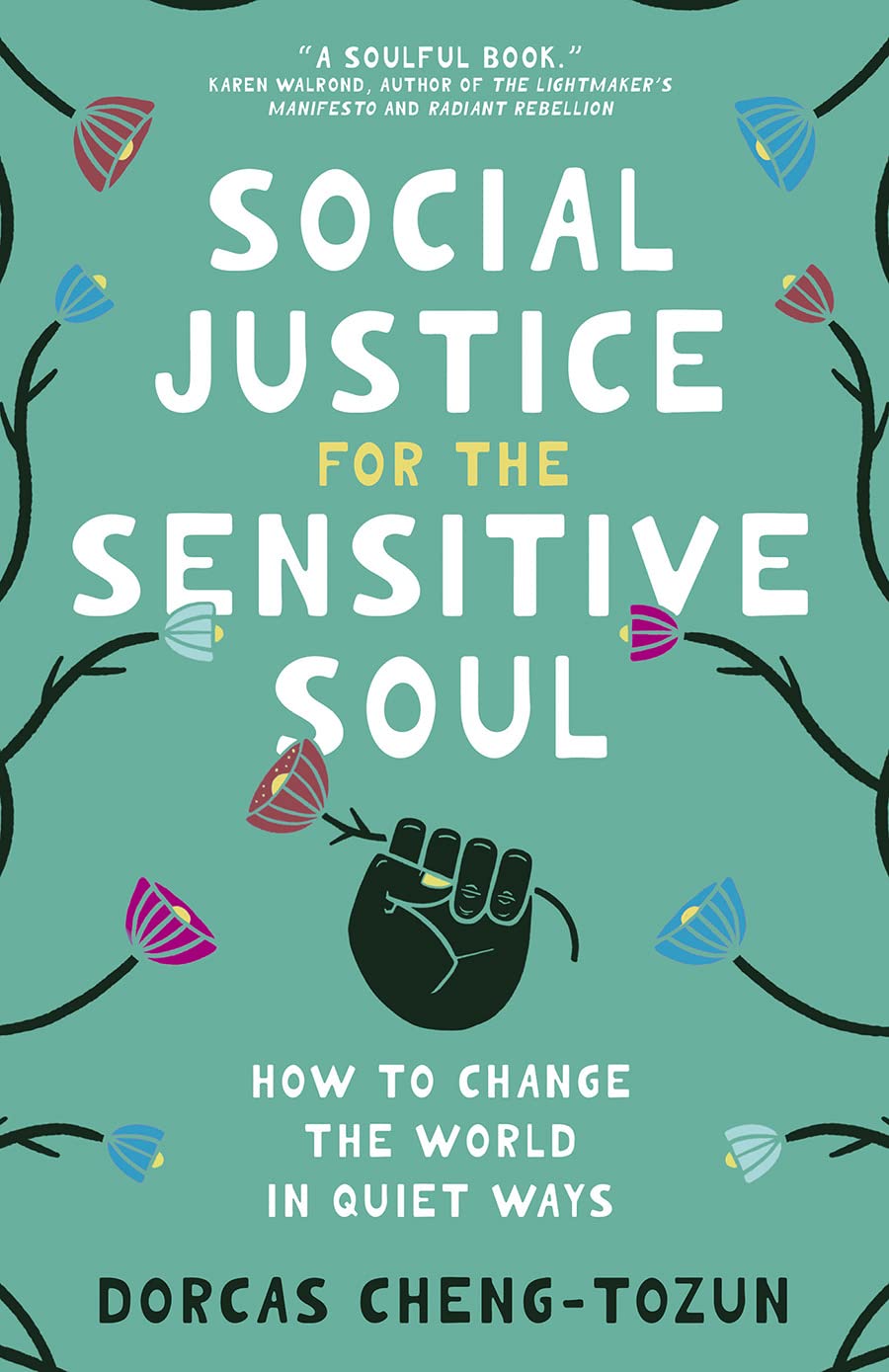
Social Justice for the Sensitive Soul is a book that explores six possible pathways to change the world, if you’re the quiet and sensitive type. Find your way to help, without burnout and avoid giving yourself a nervous breakdown:
- Connectors – build conversations and interactions for change
- Creatives – artists and creators can bring issues to public awareness
- Record keepers – archivists preserve information for collective memory and history
- Builders – tips for inventors, engineers and programmers to change society
- Equippers – educators, mentors and elders to build skills and knowledge
- Researchers – data-driven individuals who use information as a tool for change
Social justice work is not just about raised voices and raised fists. Author Dorcas Cheng-Tozun (a quiet change-maker herself) looks how to be a peacemaker (and peaceful at the same time).
True change takes root in our daily actions – in the way we listen, the care we show and the choices we make, even when nobody’s watching.
Here’s to the quiet changemakers, the everyday folks who carry the world on their backs, one cup of tea and one smile at a time!
Tips to be a Quiet Changemaker
- Bring soup to a sick friend, or share a loaf of bread.
- Drop off spare veggies from the garden, to the family next door.
- Lend books you love or tools you’re not using.
- Choose the farmers’ market over the big chain.
- Challenge unfairness and bullying at work or school.
- Use a canvas bag instead of plastic.
- Cook what’s left in the fridge, before buying more.
- Learn to fix and repair things, before buying new.
Dorcas Cheng-Tozun is a writer and leader whose work with various non-profits, social enterprises and faith-based organisations has led her to engage and help on a broad range of issues including homelessness, affordable housing, youth leadership, HIV/AIDS and international development.
She lives in the San Francisco Bay area with her family (her husband is a social entrepreneur).
How to Save the World (without annoying everyone)
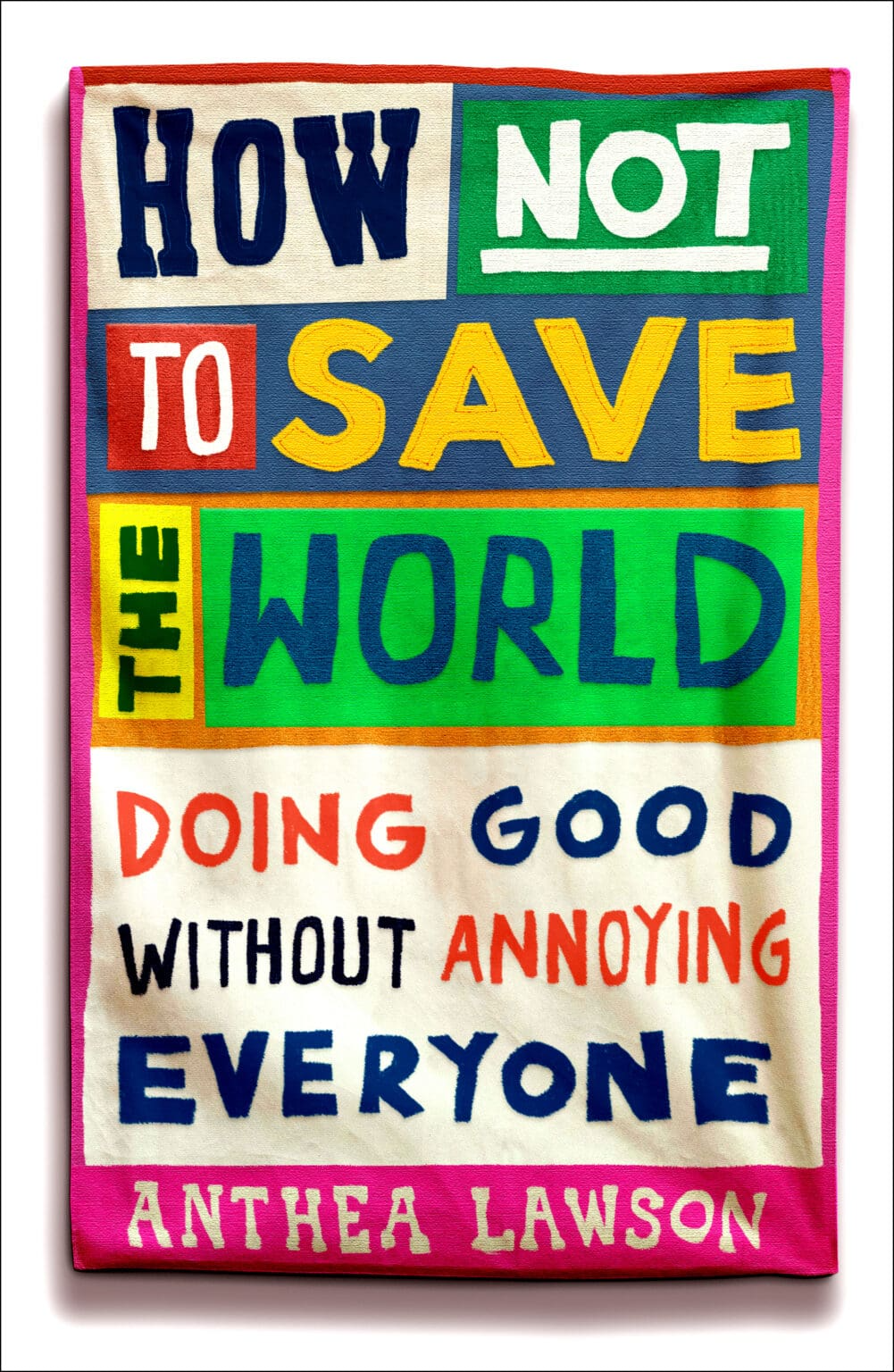
How Not to Save the World (without annoying everyone) is of course an ironic title for this book, as it’s actually about saving the world! But bringing people with you, which usually means not telling them what you’re doing!
Greta Thunberg does (contrary to what some critics say) know her science. But many people have become irked by climate campaigners shouting and berating others, and however much she tells Trump off, he is not going to listen.
He probably won’t listen to anyone at all anyway, but there could be some business leaders and politicians who might, if we treat them with special care and attention! And as it’s the planet at stake, that’s a very good thing to do!
In this book, the author offers hope for those who want to change the world, but wonder if there’s any point trying, with so much apathy, climate science denial and lack of empathy towards animals and war victims.
The honest truth is that sometimes we get so passionate and angry, we don’t see that perhaps we come across as self-righteous, and that’s just the kind of behaviour (preachy vegan?) that puts people off.
Also found in religion, the politics of ‘I am better than you, and will show you how to act’ has most people running in the opposite direction. You can’t convince others, once you’ve alienated them.
Anthea Lawson has campaigned for over 30 years on ending the arms trade and tax loopholes, and even launched a campaign for transparency on company ownership, which resulted in dozens of countries changing the law.
A previous journalist for The Times newspaper, she has also worked with many international campaign groups including Amnesty International.
Create Social Justice through Financial Decisions

Social justice isn’t just about rallies or sharing posts online. The money choices you make each day can lift communities and spark real progress. Andrea Longton, a respected voice in ethical finance, shows how everyday actions can nudge society towards fairness. Here’s how you can use your wallet to build a better world for everyone.
The Social Justice Investor is a good book, if you invest your savings in banks or on the stock market. There is always a risk, but if you go down this route, use these decisions , to wisely invest for a better future for all. Changing the world, often starts with where you decide to put your money.
Bank with Purpose
Where you keep your money matters. Many large banks invest in industries that don’t line up with social justice values. Look for banks or credit unions that invest in local businesses, clean energy or affordable housing.
Credit unions are more likely to support under-served areas, helping to rebalance opportunities. Andrea Longton recommends checking how your bank’s actions align with your values, not just their words.
Consider switching to Triodos bank, which offers current accounts.
Choose Ethical Investments
Your pension or shares can fuel positive change. Pick investment funds that screen for things like fair labour, environmental protection or diverse leadership. These investment choices push companies to treat people fairly and respect rights.
Ethical investing doesn’t just avoid harm, it can reward firms who do good. Resources like socially responsible investment funds or impact funds make it easier to see your money’s effects. Consider switching savings to Charity Bank or Ecology Building Society.
Ethical Investors can makeover your portfolio and has given over £600,000 to good causes, via its own ethical screening criteria. It can also advise on pensions and hand you over to discretionary managers to tailor bespoke investment portfolios.
US Vegan Climate ETF tracks Beyond Investing US vegan climate index, which does not invest in anything that harms animals, humans or the planet or humans. It’s listed on Cboe BZX Exchange (under ticker VEGN). Plant-based companies can visit Veg Capital.
Support Fair Pay and Worker Rights
Before spending, check if brands pay fair wages or offer safe working conditions. There are guides and organisations that rate companies for their treatment of workers across supply chains.
Buying from brands that honour worker rights helps shift business culture. When enough people demand fair pay, even large companies start to listen.
Shop Local for Local Economies
When you buy from local indie shops, your money goes directly to people who often face barriers in the market. This supports jobs and keeps profits in the community.
Even small purchases can help close income gaps and support families. Look for directories or apps that highlight these businesses, making it easy to shop with purpose.
Fund Access and Inclusion
Microloans, community funds and crowd-funding projects can all help people get started with small businesses, education or housing. By supporting these tools, you help remove barriers that keep some groups from getting ahead.
You can regularly find stories of people, whose lives changed, because others backed their efforts.
Ask Questions and Stay Informed
Even small questions about a product’s origin or a fund’s investments send signals to companies and banks. Keep learning and speaking up.
Look for news from unions, watchdog groups, and journalists who track financial justice issues. Staying informed makes you a smarter shopper and investor, able to spot when something doesn’t add up.
Make Giving Part of Your Budget
Andrea Longton often stresses that direct giving is still the fastest way to help. Even a small weekly donation to a charity, food bank or mutual aid group can fill gaps that systems miss.
When enough people give, it keeps neighbours safe and helps communities bounce back in hard times.