Devon (sailing, seaside resorts and tiny islands)

Devon is one of England’s largest counties, and also has one of its longest coastlines. Situated in southwest England, it’s far bigger than neighbouring Cornwall, East Devon stretching to Dorset’s Jurassic Coast.
One of the sunniest counties in England, the many sandy beaches give rise to lots of visitors in summer (perhaps too many, as often wealthy resorts mean locals are priced out of the market, due to mostly empty second homes).
If out walking, always follow the Countryside Code to keep all creatures safe. If at the coast, read about how to keep dogs safe by the seaside.
Never walk on sand dunes, to protect nesting birds, seal pups and other wildlife. Also keep dogs away, especially in breeding season.
The county is so large that it’s divided into three areas:
South Devon
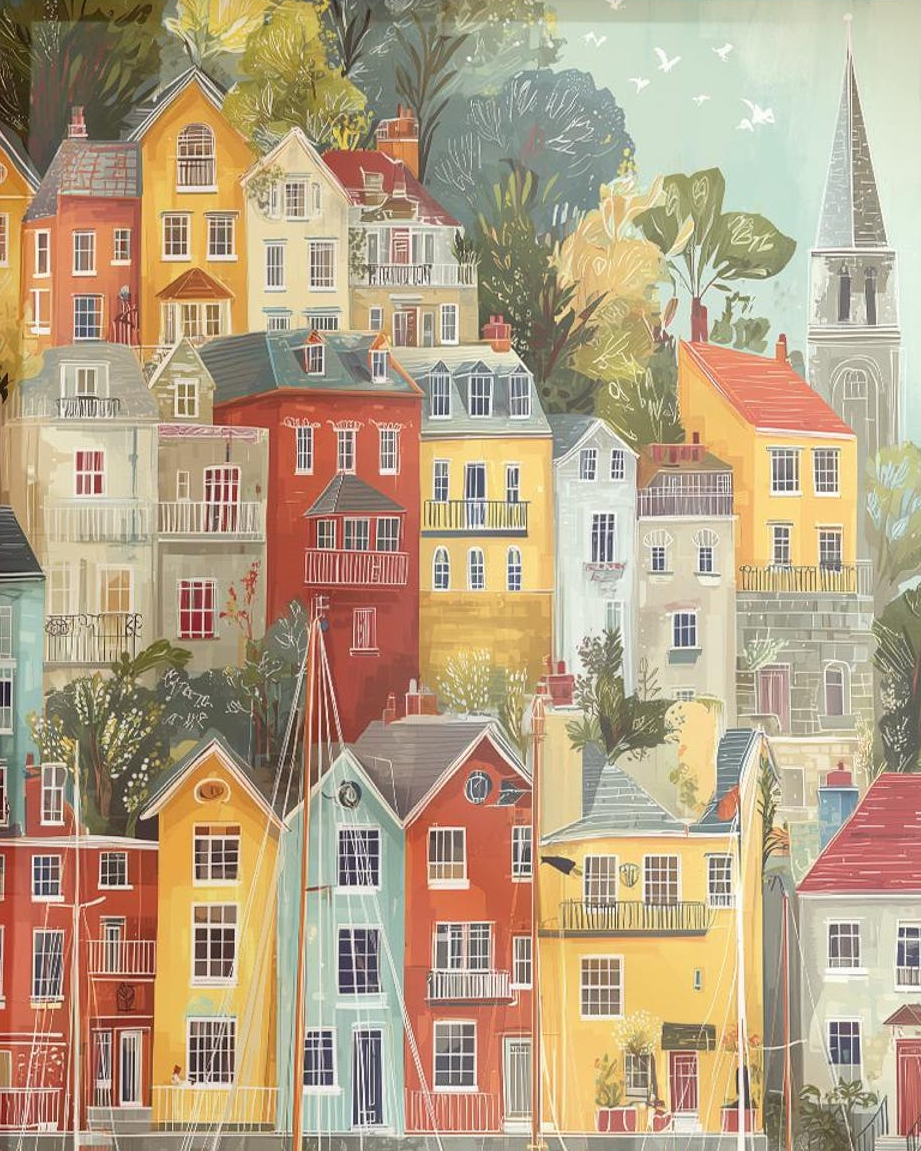
This is home to the swanky sailing resorts of Salcombe and Dartmouth, plus smaller villages like Hope Cove, home to sustainable sailors and surfers. This is also the home of Torquay (nearby Cockington is thought to have inspired St Mary Mead, home to Agatha Christie’s Miss Marple).
North Devon
This is a lot quieter, but still home to some nice holiday towns like Ilfracombe, and the twin towns of Lynton and Lynmouth (known for being home to one of England’s few remaining funicular railways). It also is home to Clovelly, one of England’s privately-owned villages.
East Devon is also much quieter, home to Exmouth (the county’s oldest seaside resort).
Let’s Visit Three Tiny Devon Islands!
If out walking, always follow the Countryside Code to keep all creatures safe. If at the coast, read about how to keep dogs safe by the seaside.
Never walk on sand dunes, to protect nesting birds, seal pups and other wildlife. Also keep dogs away, especially in breeding season.
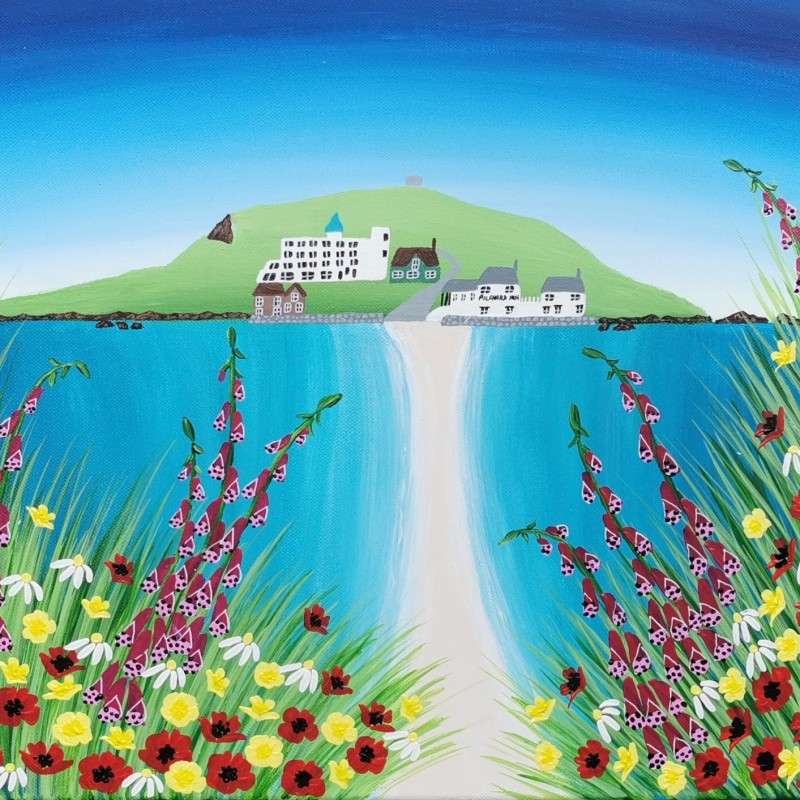
Burgh Island can be walked to at low tide, and has a sea tractor at high tide. Agatha Christie use to write her novels, when staying at the Art Deco hotel.
Lundy Island (12 miles off the coast in the Bristol Channel) is a National Trust reserve, a haven for grey seals, kittiwakes, razorbills and the migrating hoopoe bird. You’ll also find pygmy shrews, Soay sheep (originally from Scotland, they have curly horns) and semi-feral ponies (who aside from vet care and hoof-trimming) are left alone.
Grew Mew Stone is a rocky island, previously a prison but now a bird sanctuary. In 1744, ‘Hermit Samuel’ chose to be sentenced here for 7 years for a minor crime, rather than being sent to Australia.
He liked it so much, he married and raised three children, even offering boat trips from Wembury beach. But his dual life as a smuggler caught him out, and he had to leave the island. Apparently nobody has lived there since!
Exmouth (Devon’s Oldest Seaside Resort)
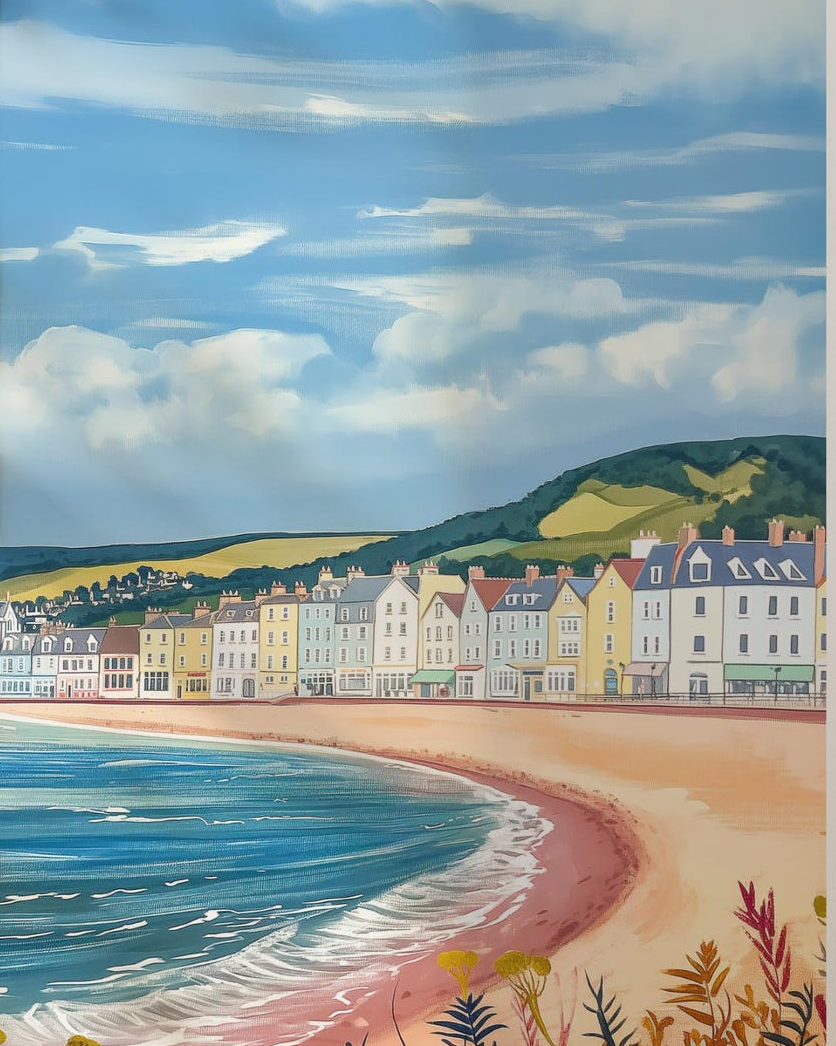
East Devon is home of the pretty town of Sidmouth (beloved by Sir John Betjeman) along with Budleigh Salteron (name after its history of salt) and Exmouth (the oldest seaside resort in Devon).
Here you’ll find A La Ronde, a 16-sided house, built in the 18th century by two spinster cousins, who were inspired after a grand tour of Europe. Owned by the National Trust, the surrounding orchard is home to old Devon varieties of apple, plum and medlar trees.
It also has a hay meadow full of butterflies and crickets. And a ha-ha lawn (a type of sunken fence popular in 18th century gardens).
Exmoor and Dartmoor (small National Parks in Devon)
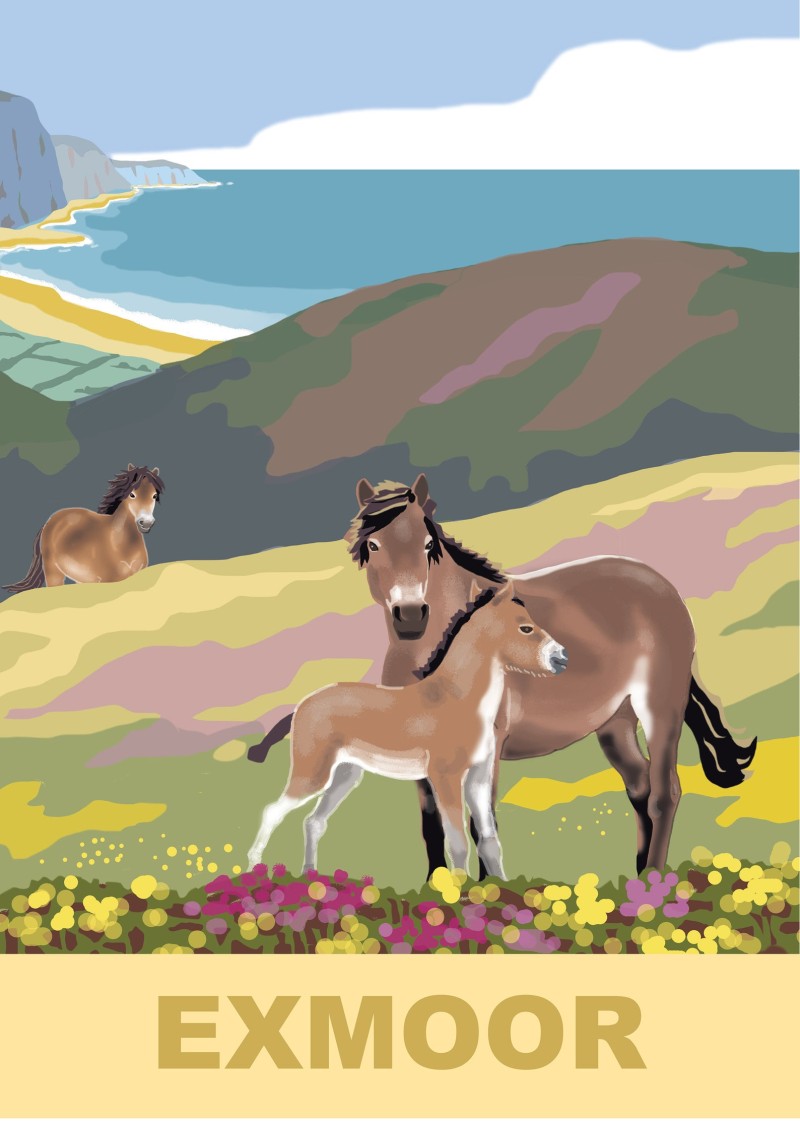
Exmoor is England’s only National Park with a coast. It has the highest sea cliffs in mainland Britain and Tarr Steps (the longest remaining clapper bridge).
Never light fires, stoves or barbecues in National Parks (wild camping is not allowed).Both parks are home to wild ponies, so never disturb or feed them. For concerns, contact the Livestock Protection Officer (Dartmoor), Exmoor Pony Society (and Moorland Mousie Trust).
Here also you’ll find endangered butterflies (the heath fritillary is here, found in only four places in the UK, due to loss of habitat). Exmoor was Europe’s first International Dark Sky Reserve, the ancient landscape (some places over 200 million years old) home to herds of wild red deer.
Dartmoor is 954 square kilometres, making it one of southern England’s largest open spaces, home to over 160 granite tors. Much of this park is owned by Prince William (passed to him when his father became King).
Land campaigner Guy Shrubsole says a lot of this land needs to be rewilded, as it is ‘devoid of trees and birds for miles’. Campaigners say the ‘small potatoes’ offered is not enough to restore ‘England’s rainforest’
Plymouth & Exeter (two very different Devon cities)
Along with the towns of Totnes (the world’s first transition town) and Tavistock (where the food was so good, McDonald’s had to close down), Devon has two very different cities:
Plymouth borders Cornwall via the Tamar Bridge, and has a large naval base this is where the pilgrim fathers set sail from on the Mayflower, hence there is a town of the same name in New England). Like Coventry, it was heavily bombed during World War II.
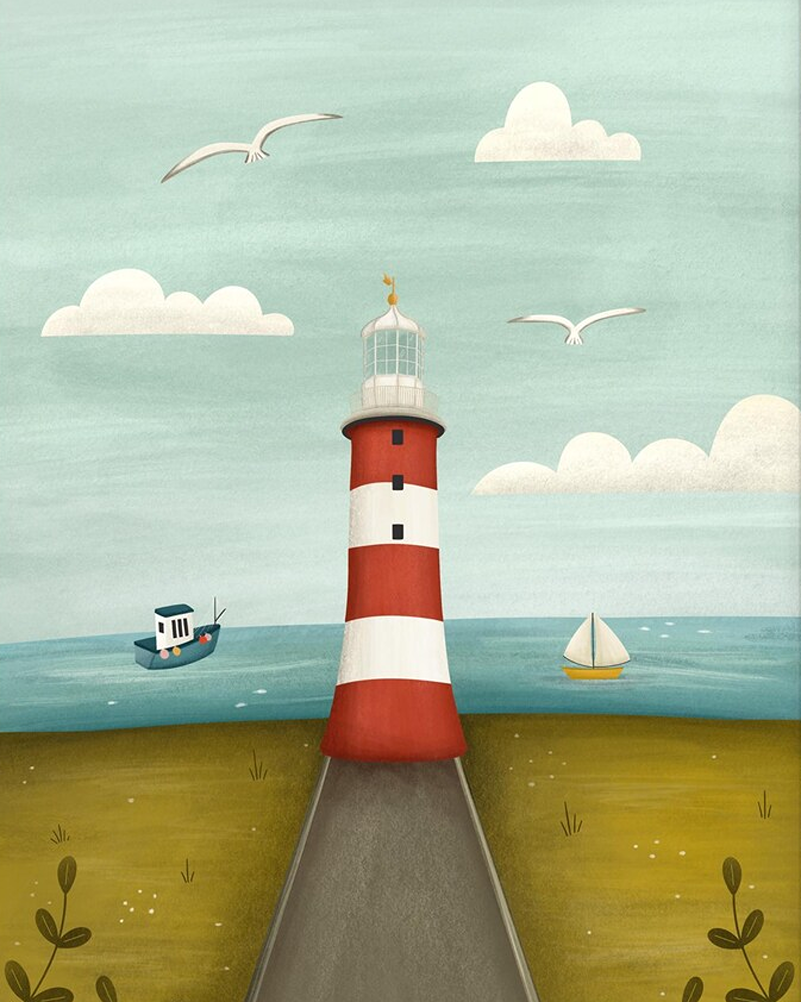
Smeaton’s Tower lighthouse was the second attempt (the first worn away by the sea on Eddystone Rocks), and built from Portland Stone (there are 93 steps for fantastic views).
Exeter is an inland historic city, with Roman roots and underground water passages, the cathedral has the world’s longest Gothic vaulted ceiling and England’s oldest civil building still in use. Writer Charles Dickens lived her for a good part of his life.
Parliament Street (England’s narrowest at just 25 inches) used to stink back in the day, when people would empty their chamber pots onto the pavement, leading the City Chamber locking the doors at each end!
Secrets of a Devon Wood (a nature diary)
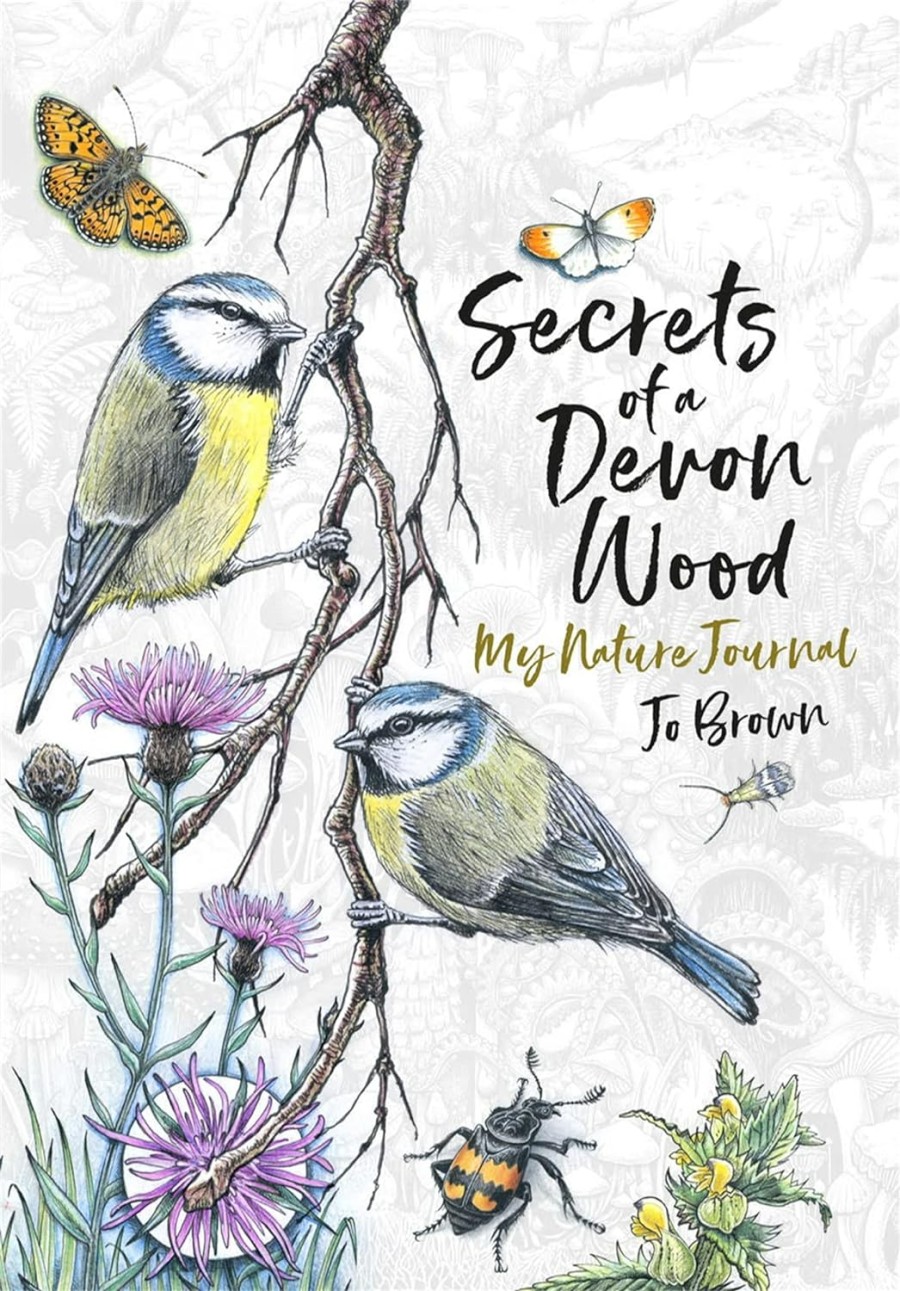
Secrets of a Devon Wood is a treat for the senses, with exact replicas of illustrations that the artist makes of discoveries she finds in the wood behind her Devon home.
Jo Brown began keeping her nature diary because ‘thing of such magnitude deserve respect and understanding, and deserve to be remembered’.
Use with eco-friendly drawing pencils or natural vegan watercolour paints.
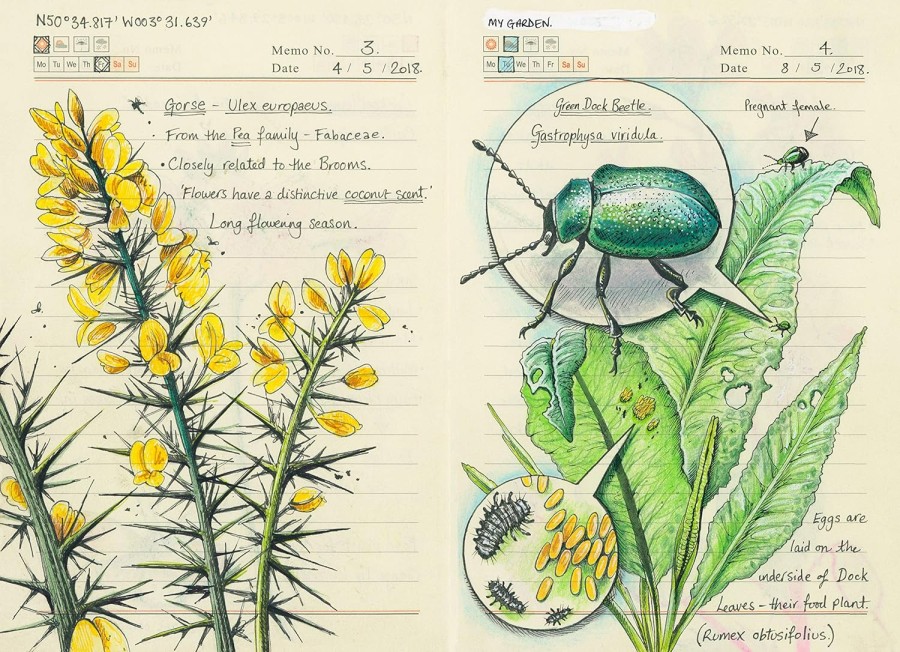
In enchanting and minute detail, she zooms in on a bog beacon mushroom, a buff-tailed bumblebee or a native bluebell. And notes facts on physiology and life history.
This book is a hymn to the beauty of the natural world, and a quiet call to arms for all of us to acknowledge and preserve it. A book that will stay with you.
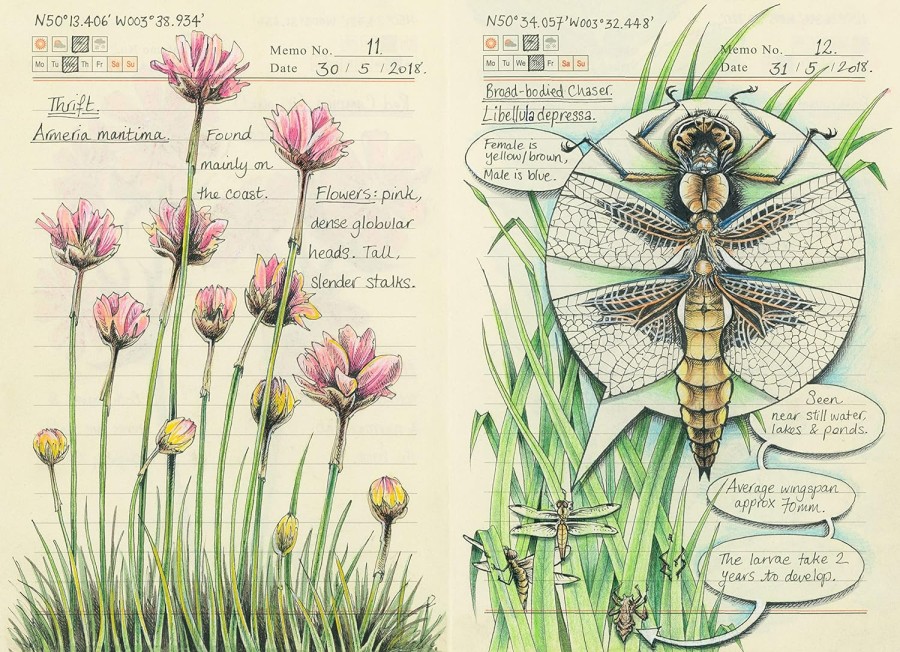
These beautifully illustrated notes are not polished essays, but real-time records to capture the first-hand wonder that the author feels when spotting beetles, fungi or ferns, in her own patch of woodland.
These drawings are straight from Jo’s personal sketchbook. Plants, feathers, and insects sit alongside handwritten notes. There is as much detail on a simple leaf, as a fox or owl.
The idea is to encourage anyone with a notebook to slow down, and look at the ground beneath their feet, to discover nature on the doorstep.
You’ll also learn a lot. Latin names beside common ones. And you’ll learn when certain species bloom. Learning about mosses to wildlife feels like a gentle chat, not a lecture.
Discover how one wood changes with the seasons, as Jo visits the same patch day after day, spotting small shifts that many people miss.
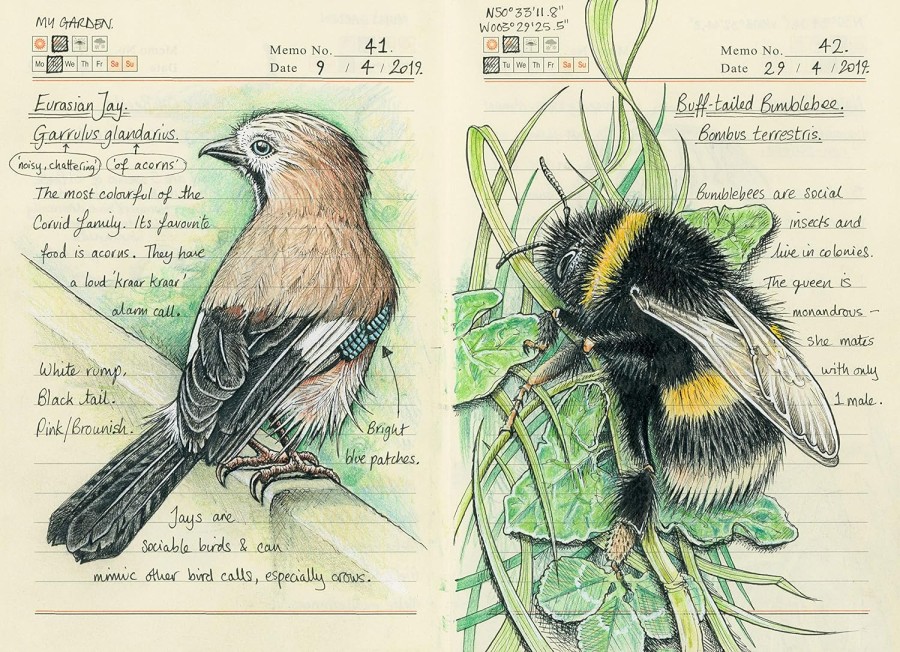
Brown’s work celebrates local nature rather than far-flung destinations. She shows Devon’s woodlands as places full of hidden drama and beauty.
This focus speaks to anyone in England who wants to connect with their own local patch, no matter how ordinary it seems at first glance. The result: more people feel encouraged to protect and appreciate neighbourhood wild spaces.
Readers of all ages see how to start their own journals—even without fancy art supplies or years of training.