Charming Villages and Chalk Streams: Lincolnshire Wolds
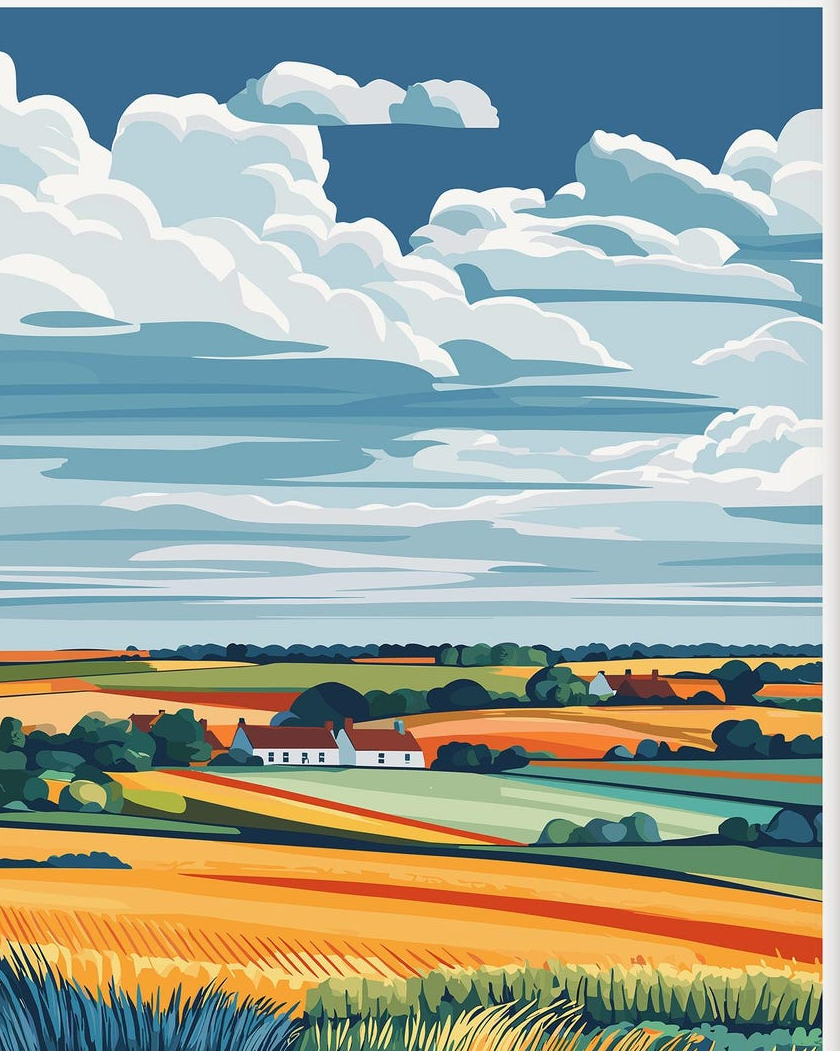
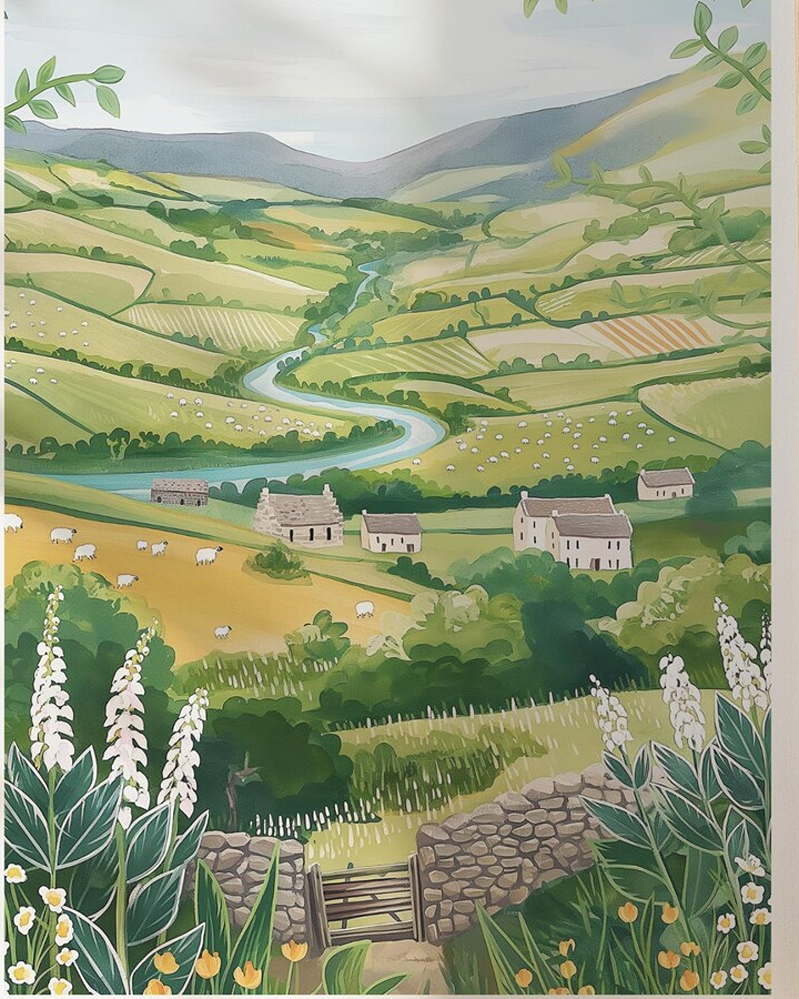
The Lincolnshire Wolds run 216 miles. Here you’ll find walking routes, with flourishing wildlife amid ancient woodlands and hedgerows, with buzzard and red kites soaring overhead.
The Viking Way runs for 147 miles, with some of its best parts winding through this area. You’ll pass old hedgerows, and winding streams. Villages like Tealby and Binbrook invite lazy afternoons with stunning views.
Hidden in quiet Fenland, Heckington is the only eight-sailed windmill left in England. Restored by local enthusiasts, the mill acts as a living museum.
Always follow the Countryside Code to keep all creatures safe. Keep dogs away from steep banks, mushrooms (and toxic plants/trees) and on leads near birds, barnyard friends and wild ponies.
If at the coast, keep away from nesting birds and never walk on sand dunes. Learn how to keep dogs safe by the seaside (check beach bans before travel). Join the campaign to ban flying rings, to help local seals.
Known as having the highest concentration of deserted medieval villages in England, the chalk streams are home to endangered water voles (and otters) and is a prime habitat for ground-nesting birds.
In spring, the landscape here turns bright yellow to rapeseed flowers, which of course are made into cooking oil (more local than olive oil, and makes for great roast potatoes, no goose fat required).
One person born in the Wolds was poet Lord Alfred Tennyson. Even if you’re not familiar with the verse of this bard, you’ll know his phrase ’tis better to have loved and lost, than never to have loved at all’.
Born in 1809, he wrote a 6000 line epic poem when he was just 12 years old, and wrote ever since after that. The favourite poet of Queen Victoria, he was not rich, having lost his savings in a wood-carving business that went bankrupt.
The Humber Bridge (linking Lincolnshire with Yorkshire)

The Humber Bridge is a Grade-1-listed suspension bridge that connects East Yorkshire to North Lincolnshire across the Humber Estuary. Opened in 1981, it is the longest bridge in the world that can be crossed by foot (or bicycle).
Around 1.4 miles long, it has two concrete towers that are further apart at the top than the bottom. Now the 14th longest single-span suspension bridge worldwide, it does also take a lot of cars (around 35,000 each day, who pay a toll). There are separate paths to keep people away from traffic (although it’s closed at night).
Nearby is Humber Bridge Country Park, which has 42 acres of woodland. The walk is now part of the King Charles III England Coast Path, which has been opened in stages as they complete.
If at the coast, keep away from nesting birds and never walk on sand dunes. Learn how to keep dogs safe by the seaside (check beach bans before travel). Join the campaign to ban flying rings, to help local seals.
The nearest Yorkshire town to Humber Bridge
Hessle is a historic market town with a strong shipbuilding history. Named after the old Scandinavian word ‘hesli’ (which means hazel grove), the nearby scenic park is called ‘little Switzerland’ and popular for walks and watching birds.
The historic mansion Hesslewood Hall was built for the wealthy Pease family, who made their money in Hull shipbuilding.
The nearest Lincolnshire town to Humber Bridge
Barton-on-Humber is another historic market town, this time over the county border. Around 13 miles from Hull and 31 miles from Lincoln, it has around 11,000 people and its name is from the Old English for ‘barley farm’.
It’s also the starting point for the Viking Way, a 147-mile long-distance walking path, which routes through Lincolnshire, Leicestershire and ends up in Rutland, England’s smallest county. At the local library!