Peaks, Waterfalls, and Pint-Sized Villages: The Yorkshire Dales
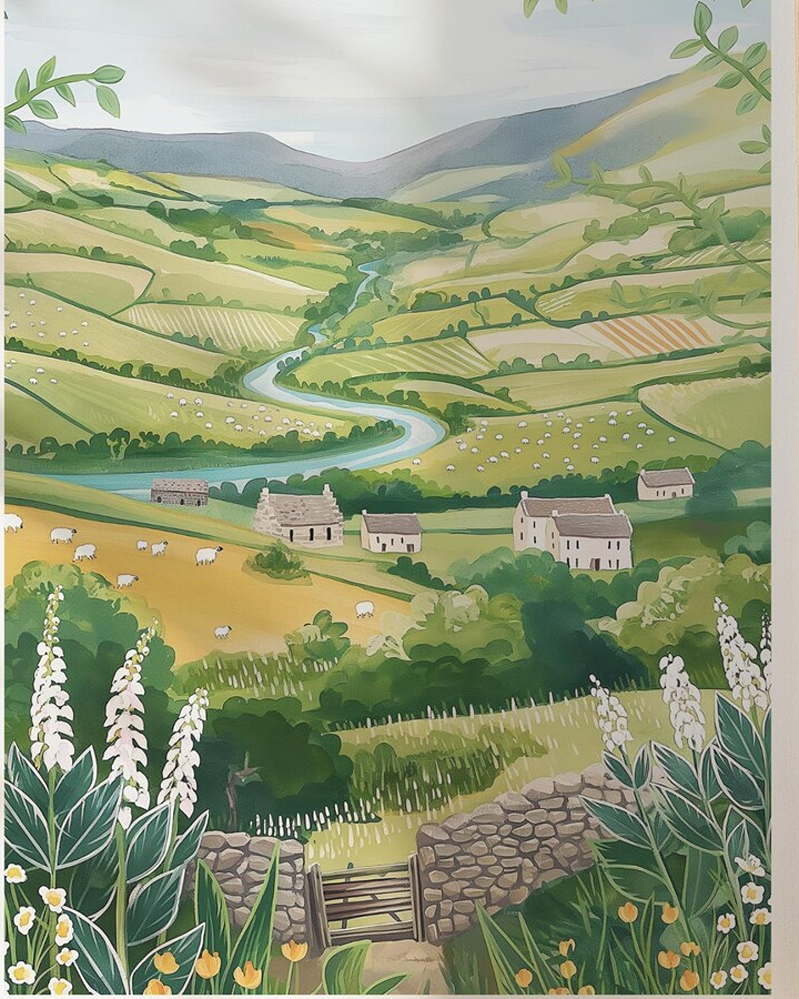
The Yorkshire Dales is one of England’s National Parks, and stretches into the neighbouring counties of Lancashire and Cumbria. It’s home to 100 species of nesting birds, 30 species of mammals, 25 species of butterflies, 1000 species of moth and a unique moss not found elsewhere. Here also lives the brown long-eared bat (his ears much longer than his body!)
The Dales has complex cave systems including Gaping Gill, which features the highest unbroken underground waterfall. Here you’ll also find the famed Settle-to-Carlisle Railway and its 24-arch Ribblehead Viaduct.
The word ‘dale’ is from the 12th century Old English/Norse ford for ‘valley’. Alas today over 20% of the 13,000 plus buildings in the National Park are holiday homes, which prices local people out of buying their own homes.
Always follow the Countryside Code to keep all creatures safe. Keep dogs away from steep banks, mushrooms (and toxic plants/trees) and on leads near birds, barnyard friends and wild ponies.
If at the coast, keep away from nesting birds and never walk on sand dunes. Learn how to keep dogs safe by the seaside (check beach bans before travel).
How to upright an overturned sheep
Pregnant sheep (and sometimes due to wool waterlogged from rain) can sometimes roll over onto their backs, and can’t get back upright, due to having four stomach chambers (so will die if not turned back upright).
If you see a sheep on its back, just firmly right it back, then stay with it, until rain has drained off, so it won’t happen again. Then inform your local farmer.