Why do Supermarkets Import ‘Local Produce?’
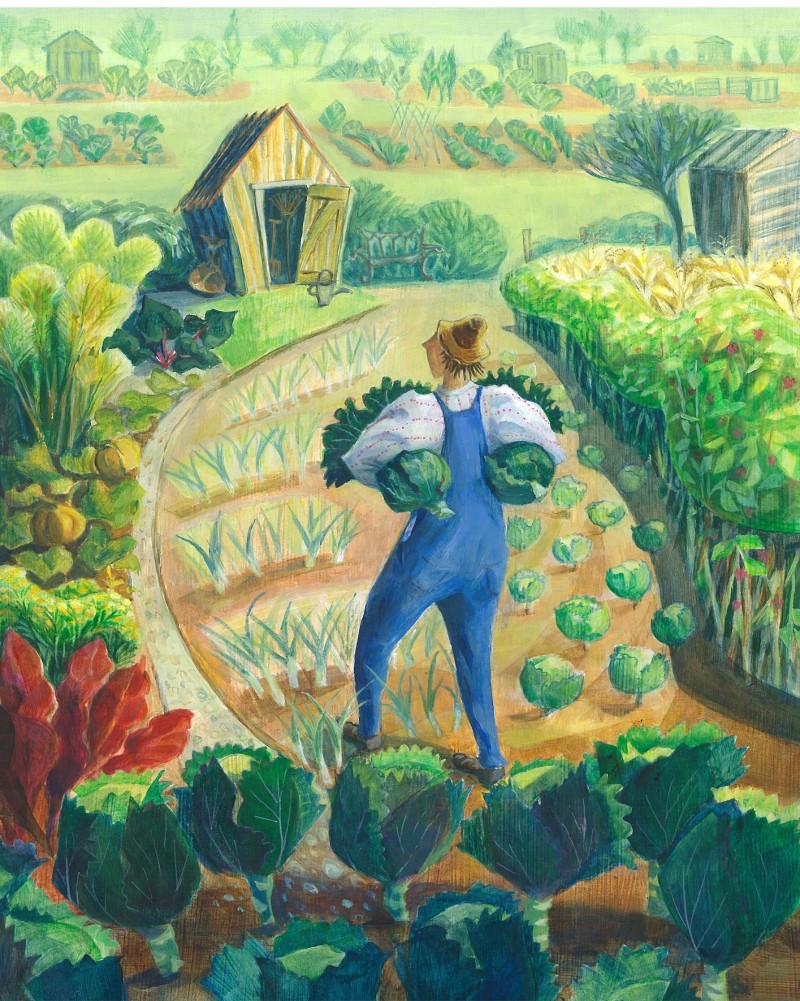
Allotment cabbages, Jenny Beck
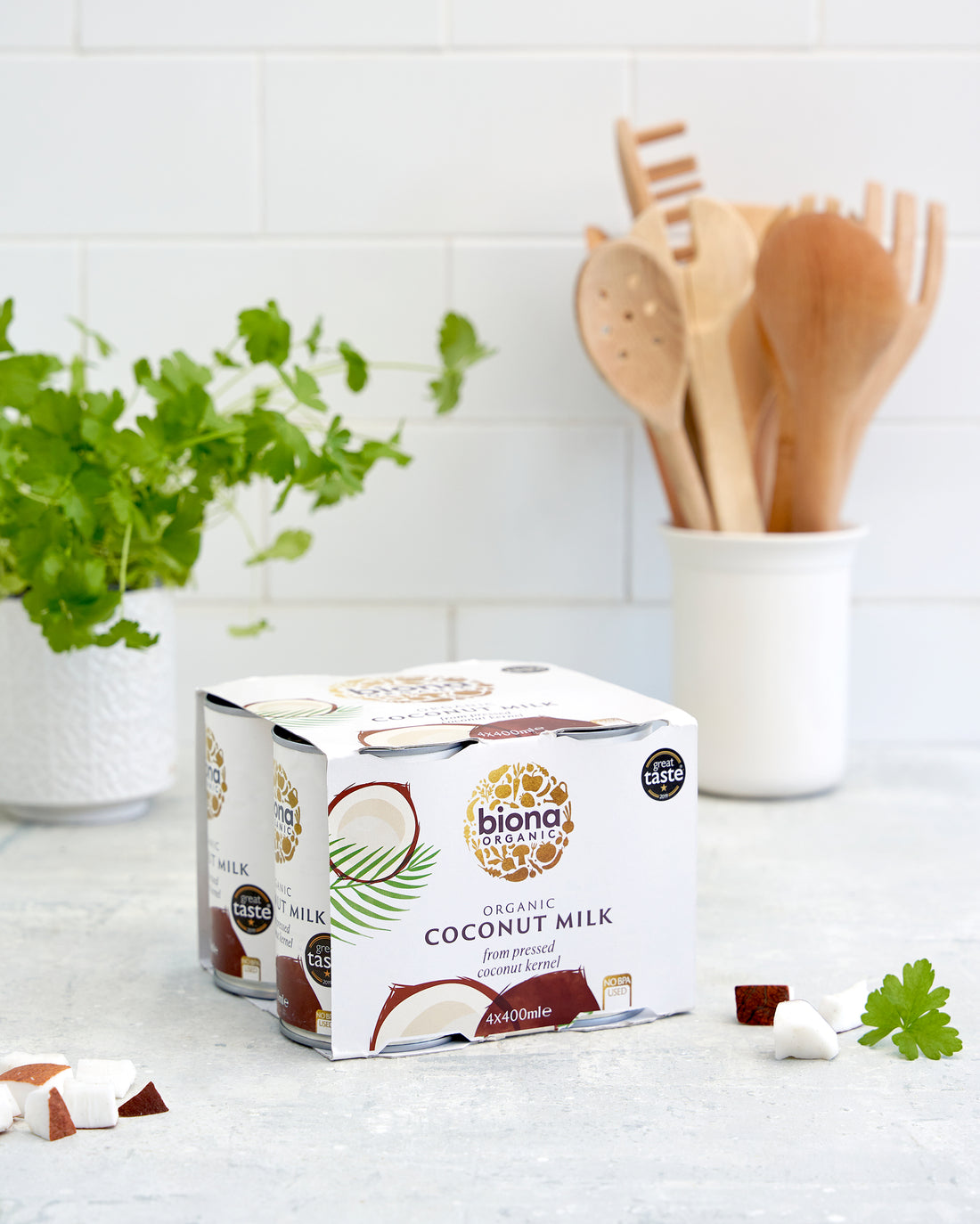
Organic growers Riverford report that the big supermarkets are importing green beans from Kenya, asparagus from Mexico and tenderstem broccoli (about as English a crop as you can get) from Spain, all while they are in season in the UK.
A quick look online today (April 2026) found that:
- (the same one) cabbage from Tesco was from ‘Spain, UK, Ireland and Portugal’
- One pack of plastic-wrapped apples (many are in season in April) from Sainsbury’s are from ‘Chile, France, Germany, Italy, Portugal, South Africa, Spain and UK’
- Strawberries (not in season) from Morrisons had no country of origin listed and a ‘do not recycle film’. The few reviews ranged from ‘mouldy’ to ‘the yoghurt tastes sweeter’ to ‘I had to throw them in the bin’.
- Pears (not in season) from ASDA were from Belgium and The Netherlands. Which is a bit confusing as pears are not in season during this time there either?
80% of England’s orchards have been lost in recent decades, yet still supermarkets sell imported fruits (rock-hard pears and non-organic apples coated in shellac – dead insects – to make them look shiny). Buying local also helps support our smaller farmers.
Join the fair farming campaign to help groceries pay proper prices.
A sad story of late is in Worcestershire. Where England’s second-oldest pear tree was felled, to make way for the unnecessary HS2 high-speed rail project (the money would be better spent on upgrading rolling stock and providing better rural public transport.
Critics say HS2 won’t prevent climate change. And based on accidents with high-speed rail abroad, it will kill around 22,000 wildlife once built. Barn Owl Trust says that HS2 is a ‘very expensive way of killing owls’.
Supermarkets import over 80% of our fruits
Most supermarkets sell local vegetables (like carrots and root veggies) but tend to import fruits. Obviously you can’t buy local lemons, oranges or bananas. But they can support local apple and pear farmers, but instead buy more often from Spain, Morocco, Kenya or even New Zealand.
Why? Cost. It’s basically cheaper for them to buy in bulk. So when you see the big supermarkets promoting signs that they are ‘helping local communities’, write to Head Office and ask why they are not supporting local organic fruit growers instead, which bring money into local areas.
An organic fruit farmer in England is going to be either doing the harvest himself/herself, or hiring people to help, likely with good money (it’s hard work). But often the companies that supermarkets buy from are hiring people on cheap labour. And that means more profits for supermarkets.
This is even more so in recent years, as cheaper supermarkets like ALDI and LIDL (who as German companies actually pay their staff far more than most UK ones) mean they need to find ways to compete.
And beware, as sometimes fruit packs have ‘union jack flags’ on them, to fool people into thinking they are locally grown.
We can help by choosing seasonal fruits (or freezing fresh produce). So we are not demanding apples in mid-summer, or strawberries in December. And when supermarkets offer cheap strawberries from abroad for Wimbledon fortnight, the local organic strawberry grower sees profits dip.
Which supermarkets buy what from where?
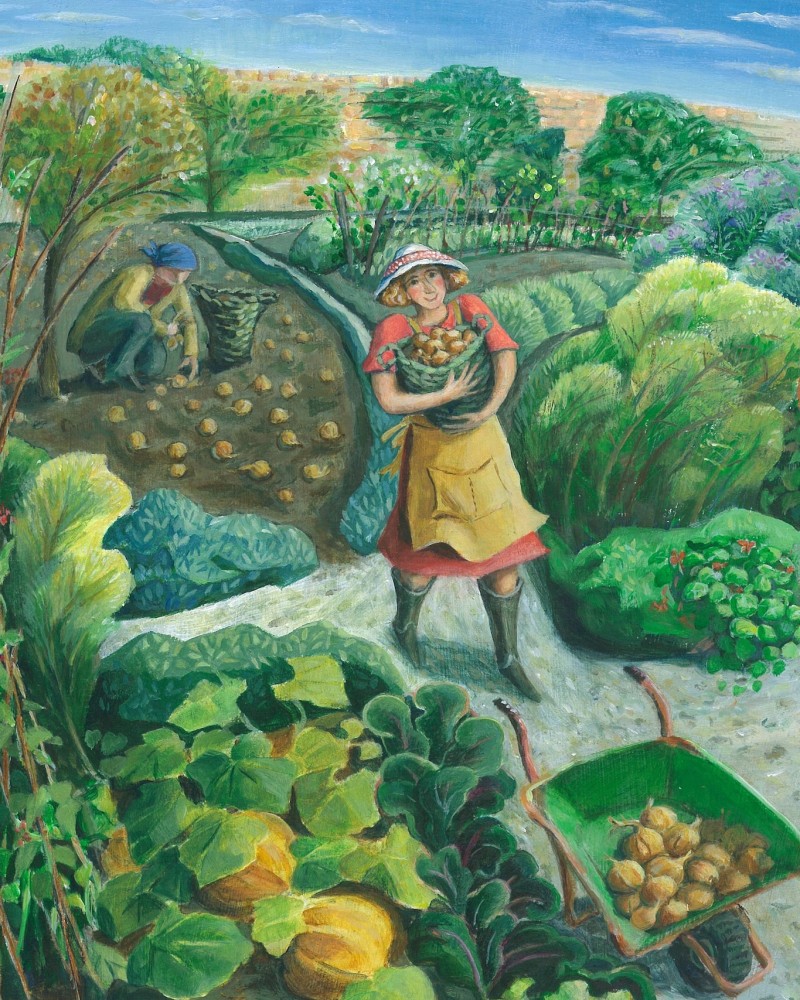
Onion harvest, Jenny Beck
Aha – this is when you thought AI was evil! It is – for poetry. But here is some good accurate latest information from our friendly robots, to empower you to know who is buying what from where:
It’s all very well to say ‘don’t cheat’. But a journalist at Sustainable Food Trust tried to investigate, and did not get very far, as the information is not really made public. She found:
- Tesco’s bananas were from Guatemala (acceptable, as you can’t grow them in London!)
- LIDL pink lady apples were from New Zealand
- Morrisons’ figs were from Turkey (figs can grow in southern England)
Loose citrus fruits and apples in Tesco had no country of origin printed. And The National Farmers’ Union lodged a complaint after finding that one big supermarket was listing blueberries from ‘Rosedene Farm’ that it turned out didn’t exist.
Just like Mr Kipling. This was an accusation of ‘farmwashing’.
Look up the PLU code (how food is grown)
It’s far easier to just visit a farmer’s market or farm shop, as the produce is more likely to be naturally grown and plastic-free. PLU stands for ‘price look-up’. So if you want to do some label-reading, this is where it’s at.
You’ll find the plastic stickers on fruit (which should be binned as they won’t compost – nor will plastic netting around onions or citrus fruits – cut up and bin securely at supermarket bag bins inside another secure bag) has numbers:
- A 4 digit code (like 4011 – apple) means the fruit is conventionally grown (usually with pesticides).
- A 5 digital code starting with 9 means the fruit is organic.
Before cooking, read up on food safety for people and pets. Bin allium scraps (onion, leeks, garlic, shallots, chives) and citrus/tomato/rhubarb scraps, as acids could harm compost creatures. It’s okay to put them in food waste bins (made into biogas).

The Apple: A Delicious History is the fascinating 10,000 year story of the world’s most tempting fruit (yet 70% of apples in England are imported, which is why it’s good to buy local apples to preserve our heritage orchards (also buy organic, to avoid the ‘waxy apples’ covered in shellac – dead insects).
This book takes us on a tour of apple’s prehistoric beginnings in the Tian Shan mountains of Kazakhstan to the modern day.
You’ll learn how apples even featured on the shopping list of a senior Roman officer on Hadrian’s wall. The perfect gift for anyone enjoys a slice of apple pie or a drop of cider, get to know your apples (from Bramley to Cox).
In the early 1840s, a young Yorkshire vicar set about planting an orchard next to his new farmhouse. Around him the world was in turmoil. Ireland was in the throes of its great famine. Western Europe teetered on the cusp of violent revolution.
In setting out his orchard, our tree-planting vicar was investing in a happier future. Those fifteen or so tiny saplings would eventually transform into veteran trees which still every autumn, sit heavy with pounds of apples. That orchard and its farmhouse are now my home.
Apple chunks are choking hazards for babies and people with swallowing difficulties. Keep apple pips/seeds/cores away from pets due to natural cyanide.
Ask permission before feeding to equines, as too many cause colic. If given permission, feed cut up from a flat palm, to prevent choking).
Due to England’s mild climate, England’s apples are some of the best-tasting on earth, but not the ones sold in most supermarkets. They mostly spray apples with shellac (made from dead insects, to make them waxy) so always look for organic apples in farm shops, if you live nearby.
Which apples to use for what?
There are hundreds of varieties of English apples, so don’t just limit yourself to Cox, Braeburn and Granny Smith!
- Bramley apples are good for cooking, as they are too sour raw. Use in apple pies and crumbles, or to make apple sauce.
- Red Prince apples are sweet and tart, and smell a bit like roses!
- Evelina apples are crisp and sweet, with a little acidity.
- Cox was invented in Slough (Surrey) and a good balance of tart and sweet.
- Granny Smith is very tart, and good for making French tarte tatin.
- Comice pears are particularly good with vegan cheese.
The main types of apples that you’ll find in shops are:
- Royal Gala is the most popular. It has a crispy bite and is very sweet, with a stripy red skin.
- Russet apples are light brown with ‘cream freckles’ and are very sweet. These are quite similar to pears, and lovely with vegan cheese.
- Cox apples have good bite, and a honey aroma
- Bramley apples are green and tart, best for cooking.
- Braeburn are actually native to New Zealand, but now grow here widely.
Did you know that the Core Blimey apple was commissioned by the Orchard Project after a national competition? A local dessert apple, this is similar to a Cox apple but bred to be more disease-tolerant so is easier to grow organically.
If you grow apples, learn about pet-friendly gardens (many plants and mulches are unsafe near animal friends). And use nontoxic humane slug and snail deterrents.
Avoid netting and read tips for wildlife-friendly gardens. Also how to create safe havens for garden birds and stop birds flying into windows.