Front Garden Makeovers (ideas and inspiration)
If you have a front garden, don’t waste it! Depending on where it’s sited, it can be a wonderful way to make use of ‘wasted space’, whether that’s a place to store muddy boots, a small area to grow some organic food or (if not sited near road traffic), a nice place to plant a pollinator garden.
Use no-dig gardening to protect wildlife. Also read our posts on pet-friendly gardens and wildlife-friendly gardens.
To stop birds flying into glass doors and windows, turn off unwanted lights (use curtains, blinds and desk lights), avoid facing indoor foliage to gardens and place feeders less than 1.5 feet (but more than 10 feet) away from windows (so they can’t build speed).
Assess your current front garden
- Research your soil, to know the best types of plants to use.
- What do you want? A splash of colour, or a quiet place to reflect.
- What is your budget? You don’t want to run out of money!
- A charming cottage rose garden or a peaceful space?
- A stone patio (better for pets over gravel) or fences for privay
- Where will you site a water butt, to hydrate plants?
Remove outdoor clutter and rubbish
- The first step is to remove and recycle unsightly rubbish.
- Live simply to avoid overflowing rubbish bins.
- Use eco-cleaning glass cleaner for windows and donate/sell/recycle clutter to make a picture window, to enjoy the views from your sofa. This lets natural light in (block off unsafe outdoor areas from children and pets). Avoid facing indoor foliage to outdoor gardens, to help stop birds flying into windows.
Use solar motion lights (to avoid light pollution)
Use solar outdoor lighting that goes off when not in use, to avoid light pollution. Report broken street lights to Fix My Street.
Hug Rugs (eco doormats to absorb mud)
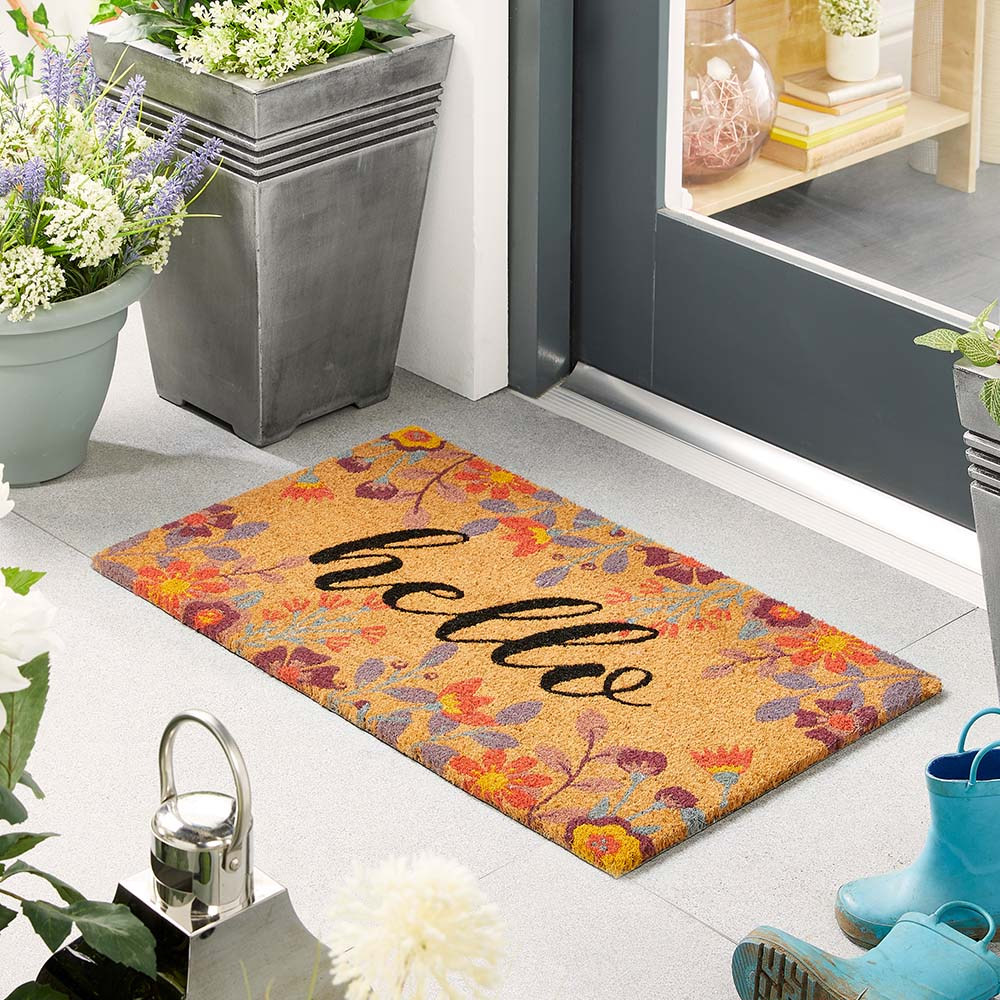
Hug Rug dirt-tracking doormats are made with recycled plastic and cotton. Made in Yorkshire, these can trap up to 95% of mud, dirt, dust and moisture, ideal for coming in from the garden, country walks or dog walks.
Then just wipe-clean. If you launder them, due to synthetic materials, do so in a microfibre filter. Hoover first and launder in a loose cotton pillow case (avoid biological washing powder, this may fade the colour).
They are great for porches and outside houses, and also hallways, kitchens and bathrooms. They absorb three times their weight in water, and can help to absorb sound, to reduce household noise.
New Hug Rugs may shed excess cotton, it will disappear after being brushed a few times. For best results, leave mud to dry first and brush away. Only place Hug Rugs on dry floors (leave washed rugs to dry naturally).
The Charity Mats donate a portion of sales to various charities:
- Battersea Dogs and Cats Home (London)
- RSPB (to create safe havens for garden birds)
- Bumblebee Conservation Trust
- Rainbow Trust (supporting families with sick children)
Use natural house paints
The Organic Natural Paint Co recommends Graphenstone and Auro for exterior walls, to protect walls from heat/moisture, and improve insulation.
Lifetime is a nontoxic varnish and linseed paint is good for doors/frames (highly flammable, so store leftovers in water).
In England, most houses tend to be the same colour, although Cornwall often has old cob buildings painted beautiful hues. And some areas of London (such as Notting Hill) are renowned for their colourful buildings (you’ll remember the famous blue door in the film of the same name).
If you are concerned about making the most of the value of your property, experts say (unless you live in an area where everyone paints their walls pink or blue!), it’s best to stick to neutral colours:
- White or off-white
- Light grey
- Cream
- Sage Green
We’ve all heard of the court cases of people painting their house a terrible colour, and neighbours taking them to court (the same with pebble cladding). But are there laws on what colour you can paint your home, and what are the best colours for both community harmony, and house price sales?
Read our post on natural house paint, to find good brands!

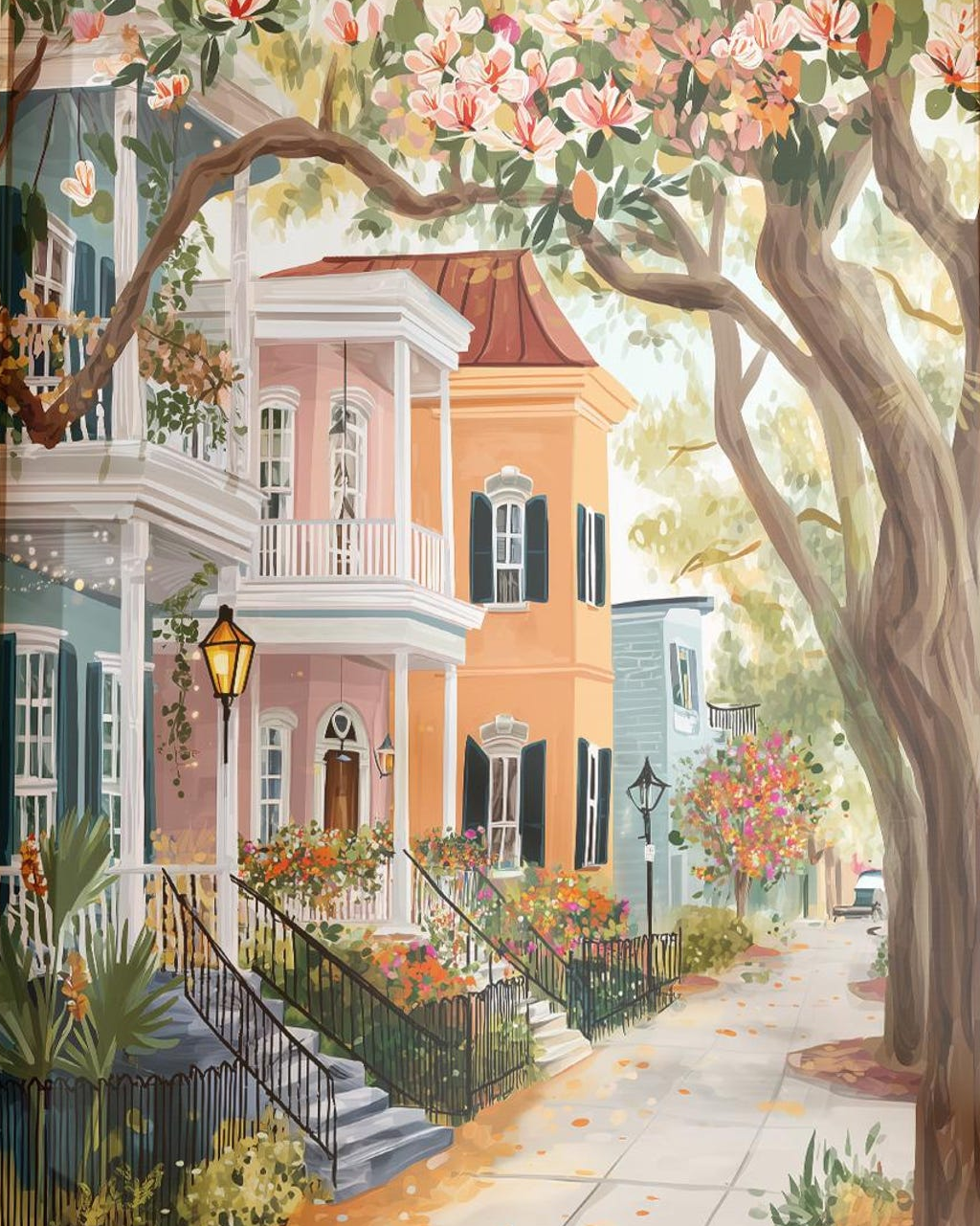
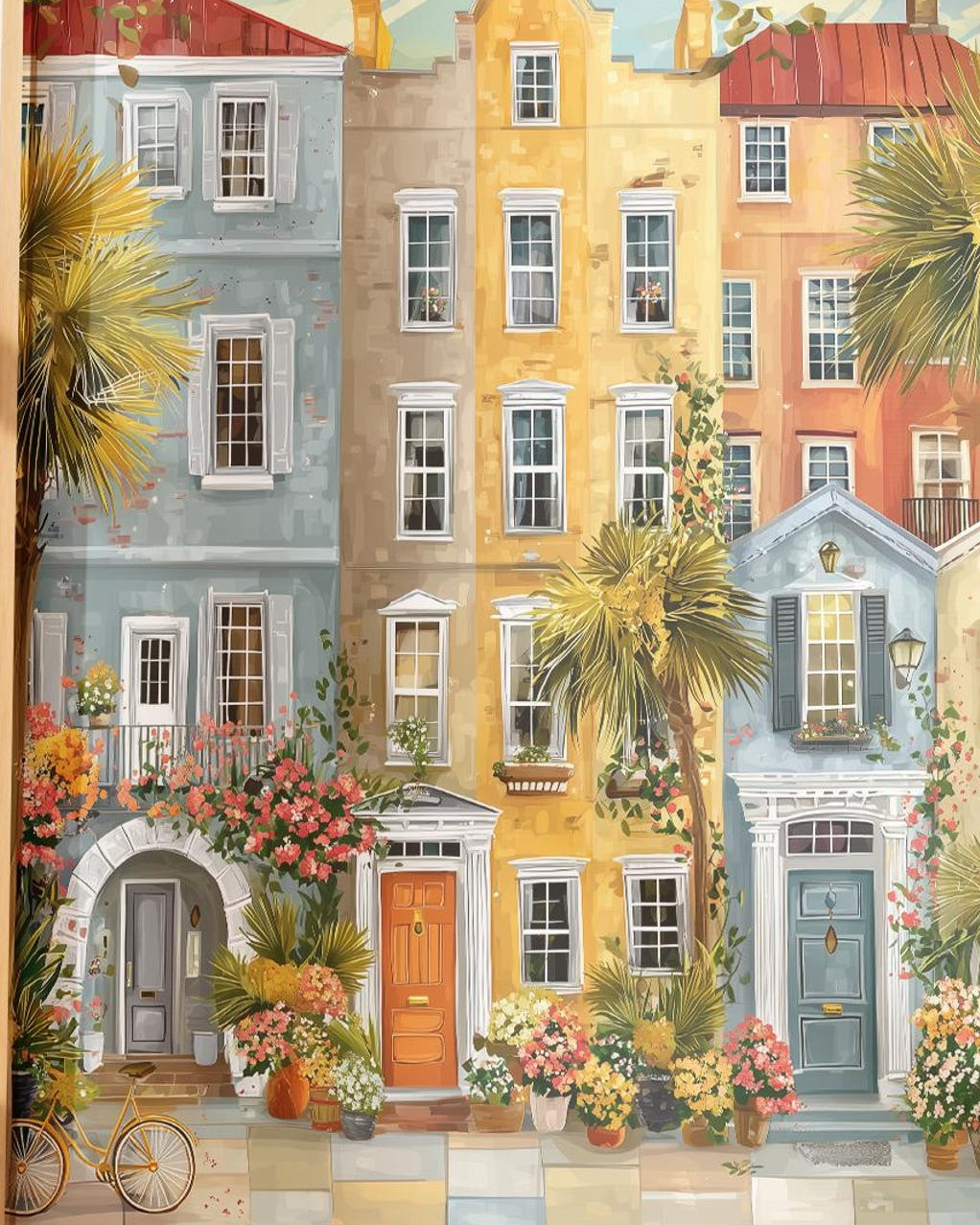
Abroad, houses are often very colourful. Rainbow Row is a set of 13 historic houses in the Deep South city of Charleston, USA. Built in the late 1700s, these homes were dilapidated, but someone stepped in to save them, and today they are known the world over.
Today, Charleston is a gorgeous place, but back in the day it was near slum conditions. Inspired by Caribbean colours, the houses have many urban myths on why they are different colours. One was that drunk sailors returning from port, would remember which house to sleep in!
Heritage buildings (like listed houses) have rules, and you will have to seek permission, before painting your house. And you’ll be limited to a few colours: which are usually the same really that are recommended for most historic buildings:
- Soft whites and creams (Georgian and Regency buildings)
- Sage greens and muted blues (Victorian buildings)
- Warm reds and browns (Edwardian buildings)
- Deep greys and blacks (ironwork and industrial buildings)
Green Doors (buy a preloved front door!)
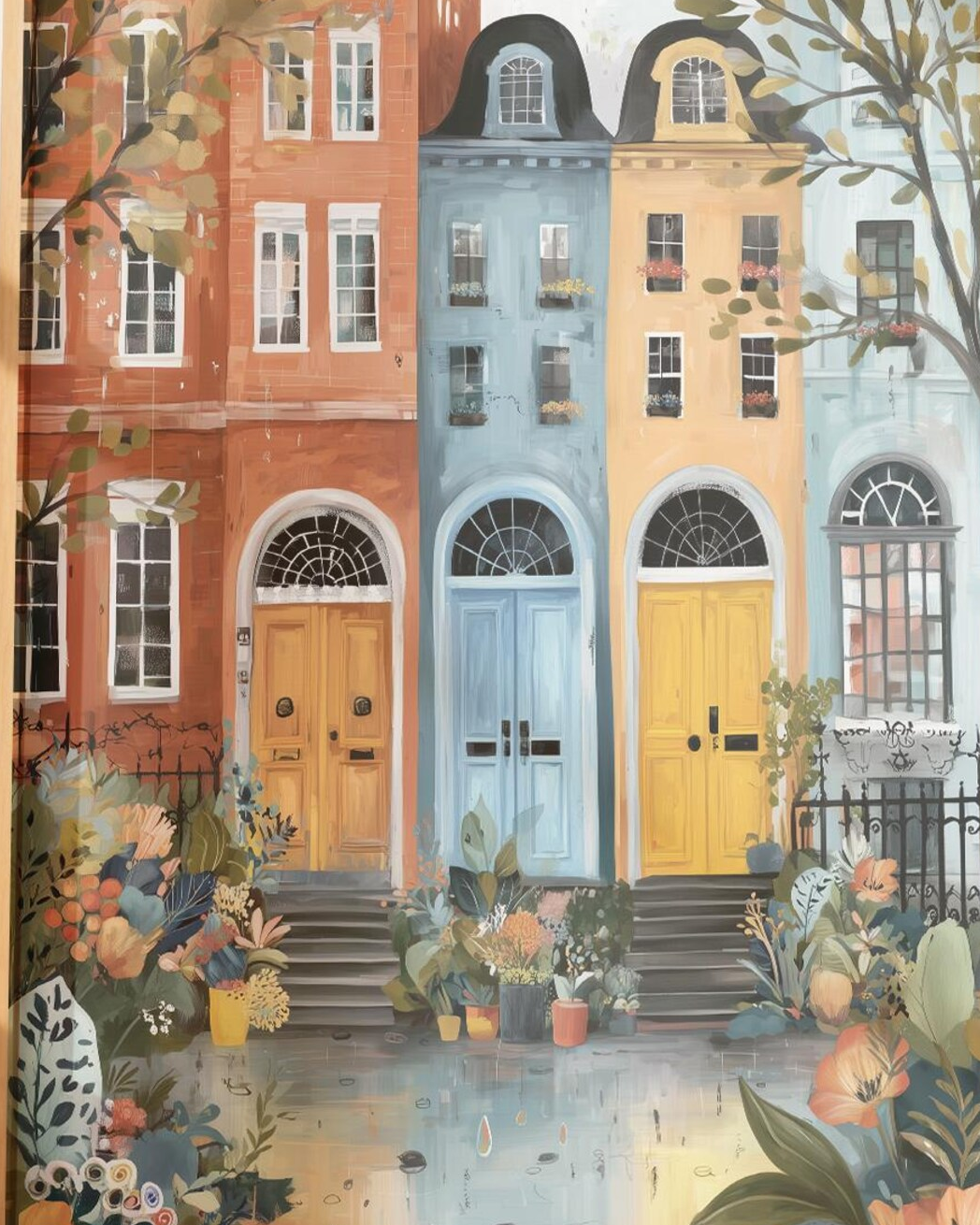
Green Doors is an interesting company, began when the founder rescued a set of French doors from a skip, while training to be a plumber. He thought it was sad that so many doors were thrown out, when apart from needing a lick of paint (and perhaps having some missing locks) were too good to throw away.
Today he has over 20 staff who operate out of a 30,000 square foot warehouse filled with thousands of doors and windows that have been given a second chance. Last year alone, they rescued over 3000 doors of all kind, including front and back doors, bi-fold and French doors and even sliding patio doors.
You can even shop for 1930s doors that have been thrown out, and there are even some free doors if you are on a budget, and willing to show them a little love and renovation! You can also contact them if you have some doors or windows you are going to throw out. Don’t! You can donate (or sometimes sell them) on!