Blackbirds (beautiful songs, females are brown!)

Blackbirds are common garden birds in England, and also possess one of the most beautiful songs (some compare it to someone playing the flute).
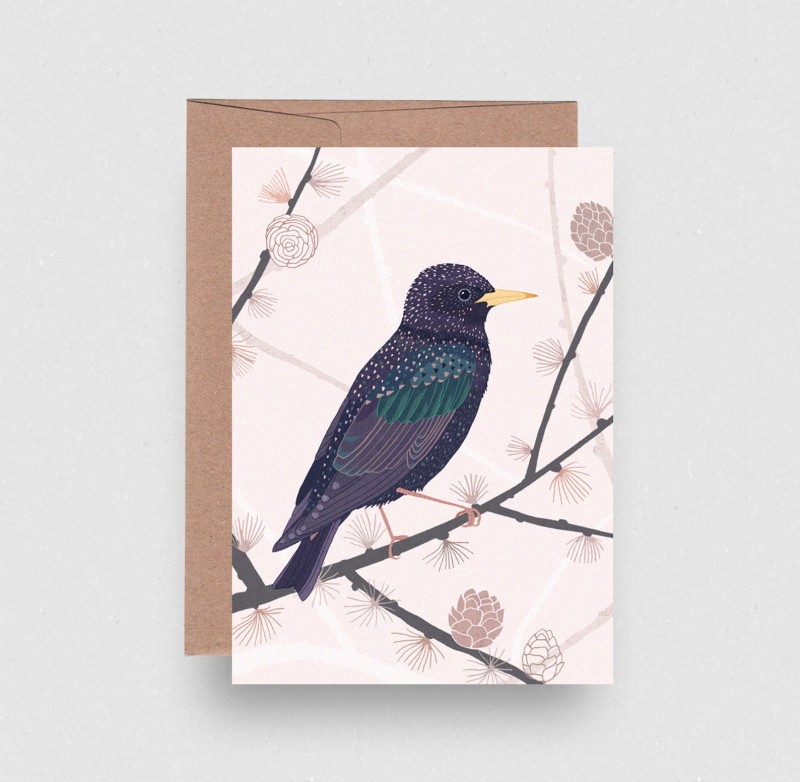
Males have black glossy plumage orange-yellow bills, and also live in forests, thriving on berries, fruits and earthworms. Their main threats are cats, magpies and sparrowhawks. Females have mottled brown feathers.
Male blackbirds love to sing from high perches, especially at dawn and sunset, and after rain (sound travels faster and brings worms and insects to the surface). They use their strong yellow beaks to dig up food, while females build cosy mud-cemented bowl nests in shrubs, hedges and low trees.
Just like the blue-footed booby bird shows his bright blue feet to find a mate, the brighter a male’s bill, the more change he is of finding a female to impress. Together they eat insects, snails, fruits and berries, and most pair for life, defending their territory during breeding season.
Nature rarely produces ‘true black’. Mostly creatures we call black, are just a mix of deep shades of brown. A few creatures like black panthers are swans) are black, but most aren’t.
Tips to help our garden birds
- Keep cats indoors at dawn and dusk, and avoid wooden tables.
- Avoid feeding stale/crusty/mouldy bread to birds (nor salt or buttered bread, as fat can affect insulation/waterproofing of feathers).
- Choose RSPB-endorsed plain wooden ones (sited between north and east to protect from sun and rain. Avoid coloured or tin ones, as these can attract predators and overheat.
- Keep bird baths clean with boiled water, rinse and fill again (or use a shallow non-glazed dish with flat stones so bees and butterflies can drink safely).
- Read more on safe havens for garden birds (includes tips on how to site feeders and nest boxes safely). Natural food like shrubs with berries are best.
- Read how to stop birds flying into windows (turn off lights when not in use, avoid facing indoor foliage to give views from outside, and site feeders less than 1.5 feet (or more than 10 feet) away from windows, to avoid them ‘building up momentum’ to strike windows.