England’s Village Ponds (how to preserve them)
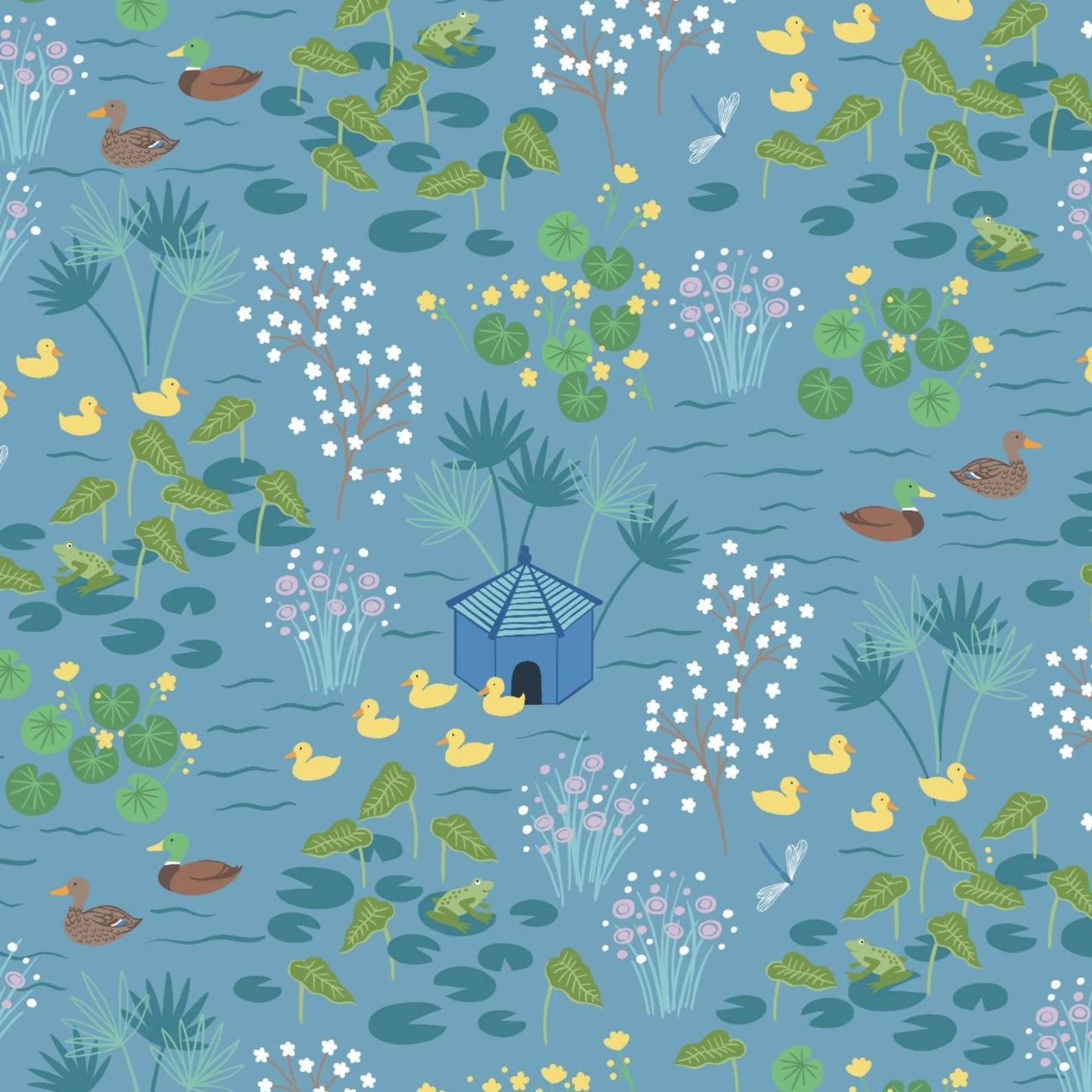
What do you think of when someone says ‘village pond?’ A sleepy community with ducks and swans? An episode of Miss Marple, perhaps? Village ponds are a huge part of English life, and so it’s really important that we preserve our lovely village ponds. For our wellbeing, but for all the creatures that live in and on them.
Especially amphibians (if they don’t have ponds, they will likely try to find puddles or buckets to breed in).
Also read our post on wildlife ponds (these are not the same as fish ponds, as fish are carnivores that eat tadpoles). Read the post on learn the difference, and how to build and maintain one).
Village ponds were not always built for Miss Marple and Midsomer Murder TV dramas. Like the Broads, they were mostly artificial, built mainly as a way to wash off horses, when they return home covered in mud after bad weather. People would even wash their clothes in village ponds.
They were also used for letting farm cartwheels soak, so the wooden spokes would expand and tighten, and this would stop the iron rim from falling off. Now the meaning of John Constable’s painting The Hay Wain becomes clearer.
Some were ‘dew or mist ponds’, made from puddled clay or chalk, by labourers who would catch rainwater to fill them. Many of England’s ponds are thousands of years old including one in Oxenmere (Wiltshire) said to date from 825AD.
Despite their smaller sizes than lakes, England’s village ponds support around two-thirds of our freshwater species, including many rare ones. Yet in the last 100 years, around 70% of UK ponds have been left, often neglected or filled in, as piped water became more common.
Ponds that are not maintained will silt and become choked with weeds, so it’s really in important for volunteers and councils to preserve them. Now we have more issues, as government policy is to build over many them for development (we can easily create affordable homes on brownfield sites).
- Never leave fishing waste near ponds, if you’re an angler. Monomaster lets you store fishing gear, until you find a recycling station.
- Report lead shot (there is a voluntary ban, but this is not good enough). We need a mandatory one.
- Never disturb pond wildlife. Of any kind.
Haddenham (England’s biggest village with four ponds!)
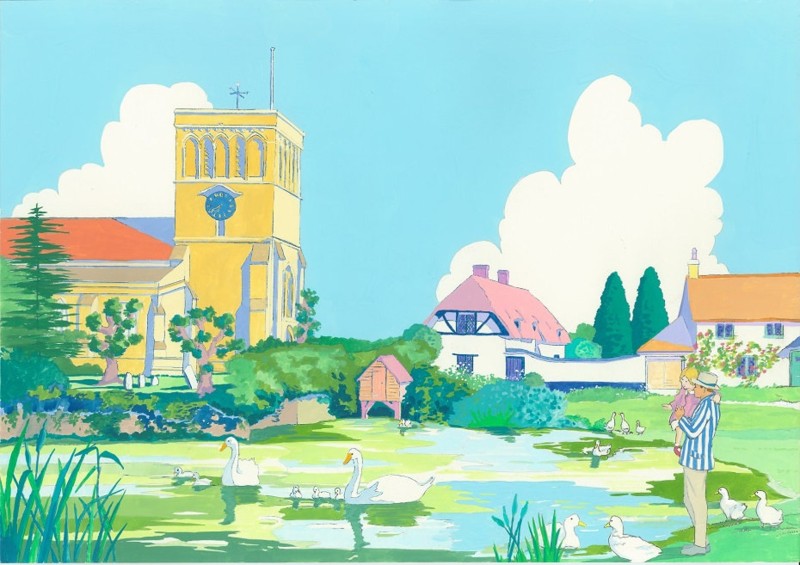
Haddenham is one of England’s biggest villages (and also home to Tiggywinkles – the world’s leading wildlife rescue). Also known for Aylesbury ducks, the Parish Council maintains three village ponds, and there is apparently another one somewhere too.
So you can imagine that any flying ducks and swans, quickly work out that this is a good place to land! The ponds are managed jointly by the local council and volunteers to keep them clean and safe.
Also in Buckinghamshire, Chalfont St Giles is known as having one of England’s best-maintained village ponds, meticulously managed by the Parish Council to ensure the water is clean and the wildlife healthy. The secure managed liner and borehole means it remains pristine, even in droughts.
Is it okay to feed swans, ducks and geese?
Although it has been a long-held tradition to feed wildfowl, most experts say that it’s best to let swans, ducks and geese find their own food (which mostly lives underwater, including grass, insects and molluscs).
Feeding them extra food encourages them to come into contact with dogs and traffic, and feeding ‘just a little bread’ is not just a little, in a country of 67 million people, if everyone does it.
If you do choose to feed extra food, Swan Sanctuary says to only feed (occasional torn) lettuce, spinach or fresh (torn) bread is best (throw it on the water, as geese have no teeth).
Never feed mouldy/stale/crusty bread nor buttered bread (this smears on feathers, affecting waterproofing/insulation).
Never feed geese on nests, as it upsets brooding and encourages vermin. The Swan Food Project has good tips on what to (and what not to) feed wildfowl.
How to help injured or orphaned wildfowl
If you see any wildfowl caught in fishing lines or swallowing hooks (or injured in any other way), call the RSPCA and your local wildlife rescue (will likely arrive quicker and can give advice by phone).
It’s illegal to harm wildfowl (or disturb nests). Report to wildlife crime unit (can be anonymous).
How volunteers/councils can help village ponds
- Create or maintain grass buffer strips around ponds, to stop fertilisers and pesticides running into them from surrounding farmland (a good reason to have organic lawns).
- Avoid connecting ponds to field drains, ditches or road drains that carry sediment, salt and oil.
- Put up noises alerting the public not to feed ‘human foods’ to wildfowl (excessive droppings also causes nutrient build-up, that leads to poor water quality and algal blooms).
- If topping up dry ponds, avoid tap water (which can introduce the wrong nutrients), use collected rainwater instead.
- Conduct restoration work (like removing mud – de-silting) or clearing vegetation between September and November, to avoid disturbing amphibians or birds.
- Remove accumulated dead leaves and sludge, which can cause oxygen depletion. But avoid cleaning out entire ponds at once, to leave some habitats intact.
- Clear trees and shrubs from south and west sides, to ensure enough sunlight still hits the water. While keeping some cover on the north and east.
- Avoid altering the natural depth or shapes of ponds. Shallow seasonal ponds are just as valuable for biodiversity.
- Do not introduce invasive species (this includes plants from garden centres). Remove New Zealand pigmyweed and reedmace (bulrush), while keeping 20 to 50% of the surface area with native vegetation.
- Do not harden the edges of ponds, keeping them natural allows easy entrance and exit. Leave rough tall grass around the edge, to provide habitats for amphibians and insects.
- Form a local volunteer group to monitor the pond, manage litter and organise restoration efforts (it would be good to site secure litter bins nearby, with phone numbers of local wildlife rescues).
Common Life (observing a local village pond)
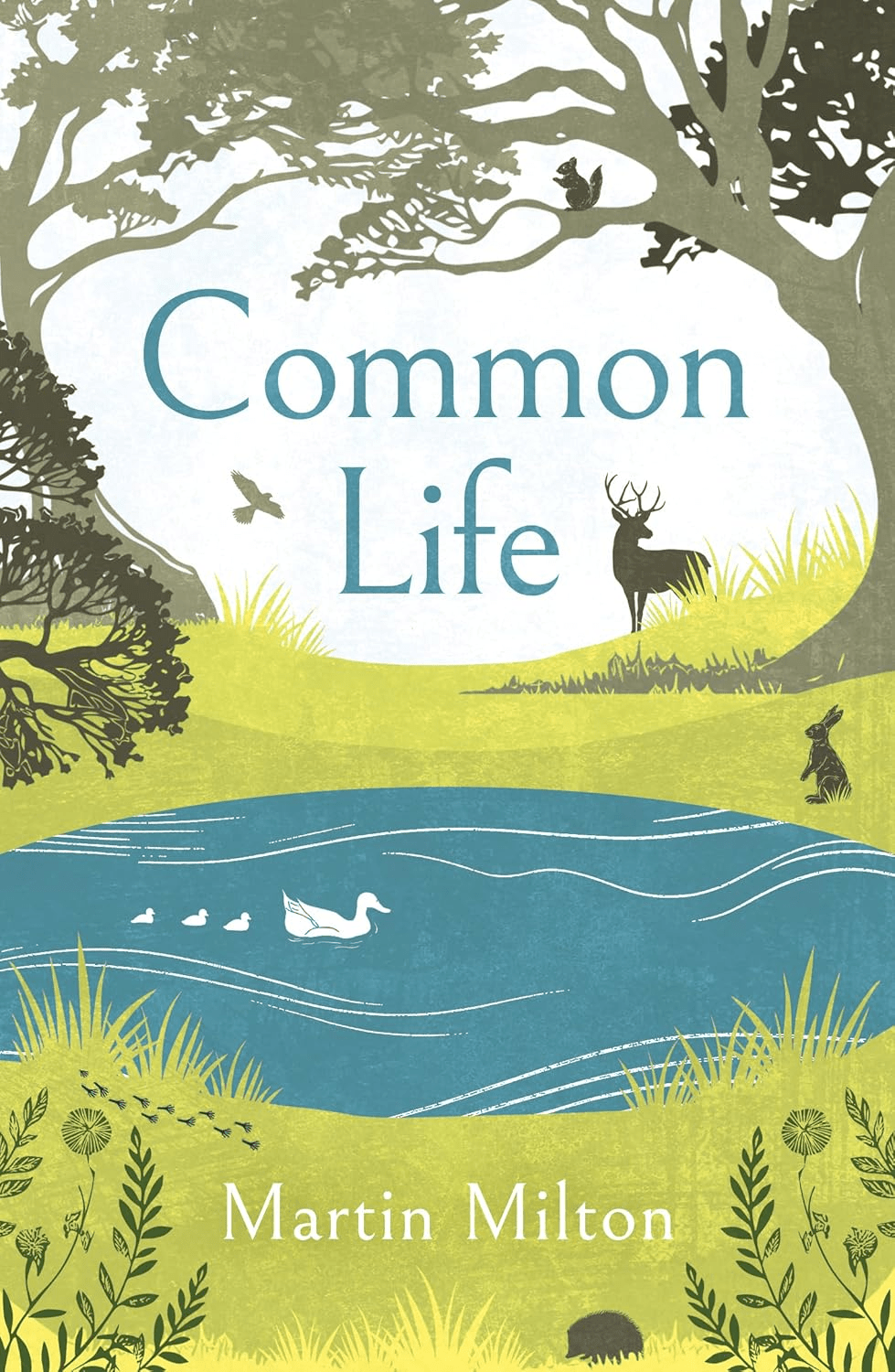
Common Life is a unique book by a man who observes the life at local common ponds. He watches a fragile yet determined duckling emerge into the world. From the best to Middledown Pond, each step is fraught with danger. As rustles in the underbrush and ripples on the water, pose potential threats.
Above, a young squirrel tests her instincts, leaping confidently from branch to branch. Below, swans shepherd their cygnets, scanning the shoreline for danger.
Summer arrives. And now (the book was written after the pandemic lockdown), wildlife who have become accustomed to human absence, face new chaos. Along with birds of prey that adjust their hunts, as unfamiliar feet flatten the grounds. The woods become a refuge, but also somewhere new with unfamiliar voices.
Autumn calls for mating. The deer rut begins, with hooves pounding and antlers clashing. However, this time the ritual is disrupted by crowds and phones, causing a proud stag to falter and his harem to scatter, breaking the old order.
And in winter, the squirrels form an alliance with crows, to adapt to human presence. Foxes thrive in urban sprawl, rewriting territory and the rules of success. And with told ways broken, how will the common recover?
This is a wonderful book to see the sometimes negative effect that humans have on the wild order. Of course during the pandemic, we saw countless examples of wild creatures thriving.
In the Mediterranean sea, orcas kept ramming boats after the pandemic, and no-one could work out why. Later on, marine biologists concluded it was because they had got so used to quiet seas without cruise boats and over-fishing and noise, that they were basically just having ‘orca tantrums’. Quite understandably.
Martin Milton grew up in South Africa, then lived in New York, before moving to London to work as a psychologist. He has always had an affinity for animals, wildlife and nature, which he spends a lot of time photographing between Wimbledon and the Surrey Hills (he won first place in the Autumn round of Art on the Commons competition).