England’s White-Tailed Eagles (a rewilding success story)
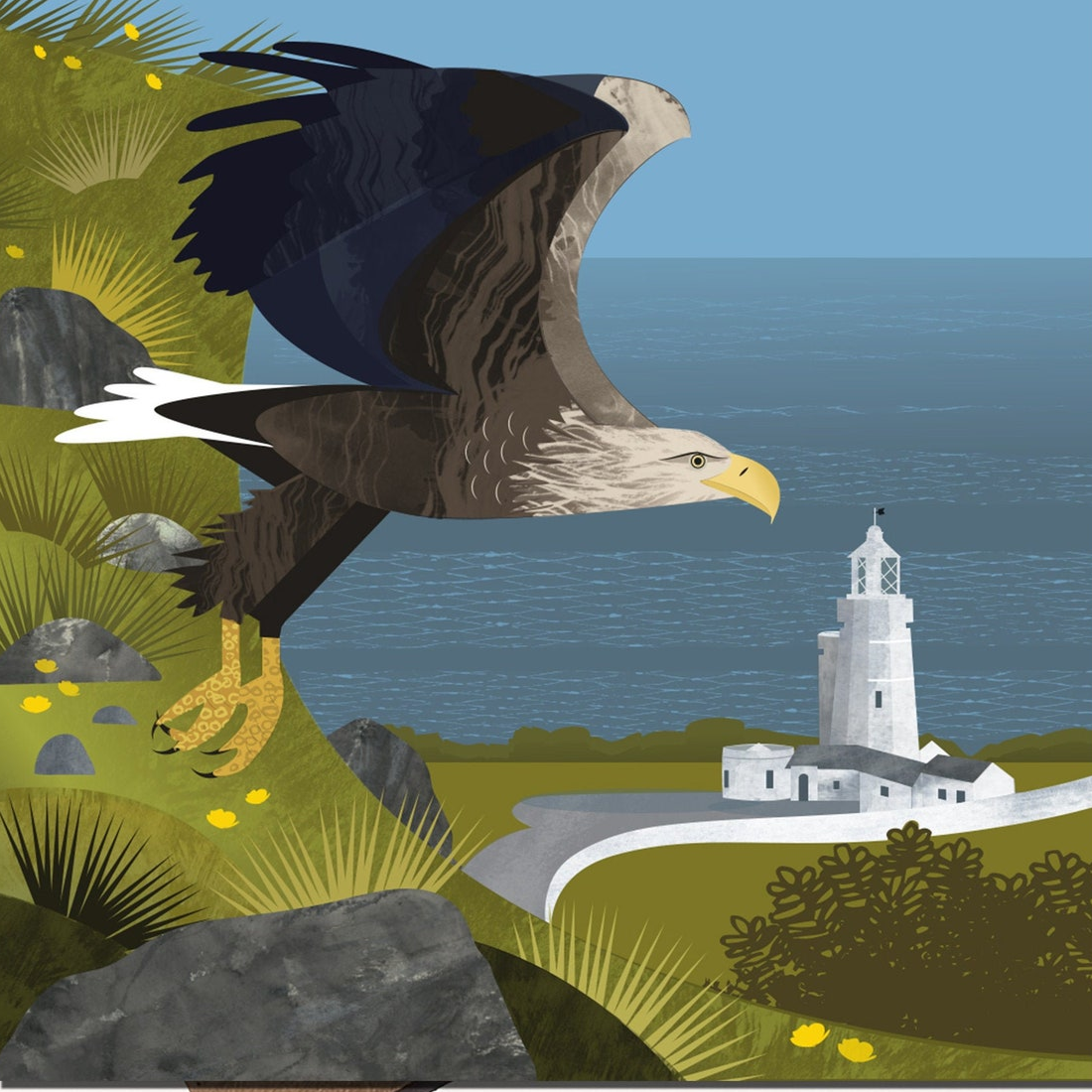
White-tailed eagles are England’s largest birds of prey. They used to be extinct, but thanks to a rewilding project on the Isle of Wight (and help from Sussex volunteers), now there are active sightings on the South Coast and on Exmoor (a small national park in Devon). After not being around since 1780.
It’s illegal to disturb white-tailed eagles. If one needs help, call Raptor Rescue for advice, or your local wildlife rescue. If you have to transport it, wear gloves and keep the creature in a ventilated box, being sure first that it really does need rescuing (most of the time, chicks are fine with parents nearby).
As of late 2024, around 37 birds have been released, with several breeding pairs in southern England. They have been fitted with satellite trackers, to monitor their movements and protect them. You won’t likely see them, as sightings (and nests) are not reported to the public, to keep the birds and chicks safe.
Known as ‘sea eagles’, these birds prefer coastal areas and estuaries, and feed on fish, seabirds, hares, rabbits and carrion (dead creatures). This also helps to manage ecosystems by feeding on old and sick fish/birds, and assisting with wetland restorations.
Reform UK would likely send this bird extinct
The political party Reform UK has (presently) a policy of returning rewilded land back for farming use. This means that many endangered creatures will go extinct, due to lack of natural habitats.
One of them of course would be the white-tailed eagle, that has only been saved due to rewilding efforts.