Coastal whimbrels (and their seven whistles)
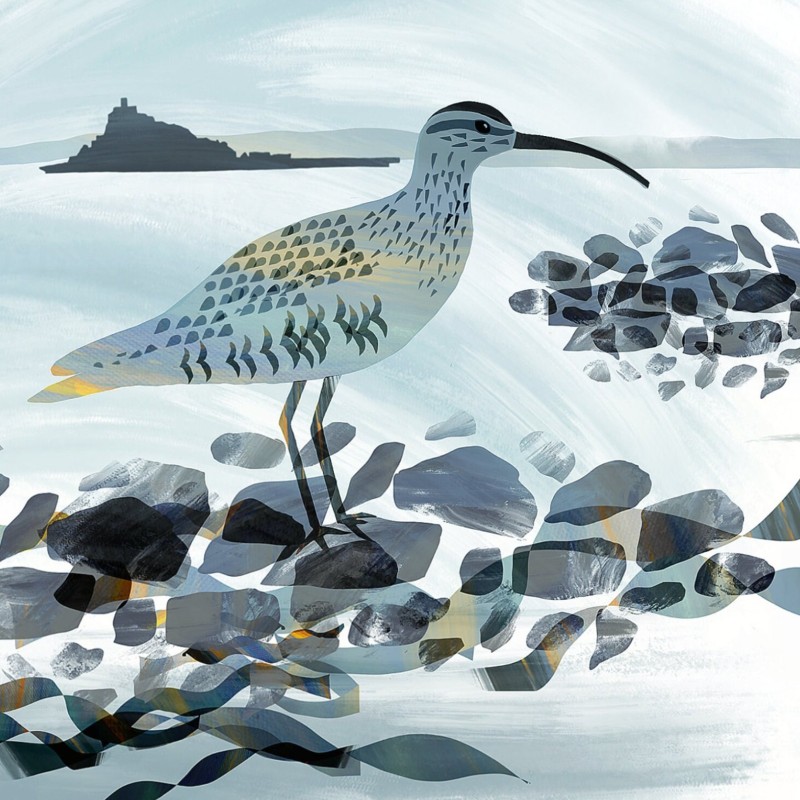
These birds have intriguing calls that sound like seven whistles. Their curved beaks resemble curlews, they breed on moorland and uplands, and visit the coast when migrating. They eat insects, snails and slugs (and when migrating, switch to eating shrimp, molluscs and crustaceans).
Whimbrels have mottled brown plumage, a trait shared with many shorebird relatives. This provides excellent camouflage against the sandy and rocky shores. They breed in the Arctic tundra and migrate to warmer climates, covering thousands of kilometres to winter in South America, Africa, and Australia.
As an island nation, England is home to many coastal birds, who adore our natural wetlands. Loss of habitat to farming and urban building has put many at risk.
How to protect England’s coastal birds
- It’s also important to keep yourself and dogs away from coastal birds (flying away uses up energy they need to feed), especially at nesting season (when many birds hide chicks in the sand dunes). Read more on keeping dogs safe at the seaside.
- Always keep to designated footpaths and take litter home (report any injured birds to your local wildlife rescue).
- Sometimes pirri-pirri burrs stick to your clothing (or a dog’s fur). If seen, remove them and bin securely, to avoid them choking coastal chicks (same on country walks).
- If you sail a boat, keep at least 100m away from nesting or resting birds (particularly on shingle islands and spits) and turn off your engine if nearby. Likewise, take any litter with you.