Bottled Water (the most sustainable brands)
Although tap water in England is perfectly safe, many people choose bottled water whether that’s for travel, at the gym or in emergencies when there is no tap around. But most shops sell an array of confusing bottled waters in various packaging.
How do you know which one is best to buy? In short, choose water that is locally-sourced (not shipped by plane from Fiji) in sustainable bottles that are easy to reuse and recycle.
Look for bottled water in aluminium cans or glass. Although many brands are now in recycled plastic, when littered they still fall down drains and break into microplastics in the sea, accidentally ingested by marine creatures.
Check medication before consuming grapefruit or rhubarb. Never give sparkling water to to pets, it could cause bloat.
Before recycling, give a quick rinse (to remove sweet tastes) then pop ring-pulls back over holes (and pinch tops shut) to avoid wildlife getting trapped.
How much water should we drink?
The average adult needs around 1.2 litres per day (more in hot weather or after vomiting or diarrhoea). That’s around six 200ml glasses. So drink two glasses when you wake up, have two more before lunch, and two more before dinner. Add more per glass of wine or beer, or per tea, coffee or cola.
Wash and rinse pet bowls daily. Avoid fizzy water or guzzling water after runs or car trips (to prevent bloat). Don’t let pets drink from puddles (due to bacteria, oil, antifreeze). For outdoor pets, ensure drip-feed bottles are not blocked or frozen.
Re:Water (spring water in recycled aluminium bottles)
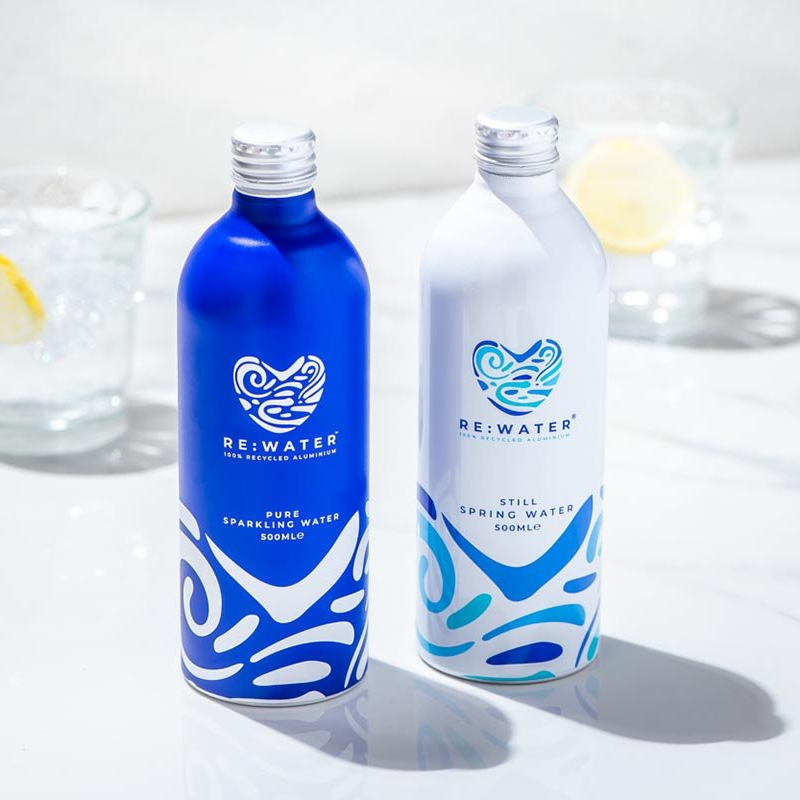
re:water offers still and sparkling water sourced from Herefordshire springs, which are packed in beautiful bottles, made from 100% recycled aluminium. When empty, you can rinse and reuse, and easily recycle at end of life.
Marlish (bottled water from the Northumberland hills)
Marlish (in glass bottles or cans) is a brand of spring water from Northumberland. Created after accidentally discovering a spring water source, after installing a bore hole as a sustainable water supply for grazing animals.
If drinking their tonic waters, know that quinine should be avoided for some medical conditions and pregnancy/nursing.
ONE Water (profits fund clean water projects)
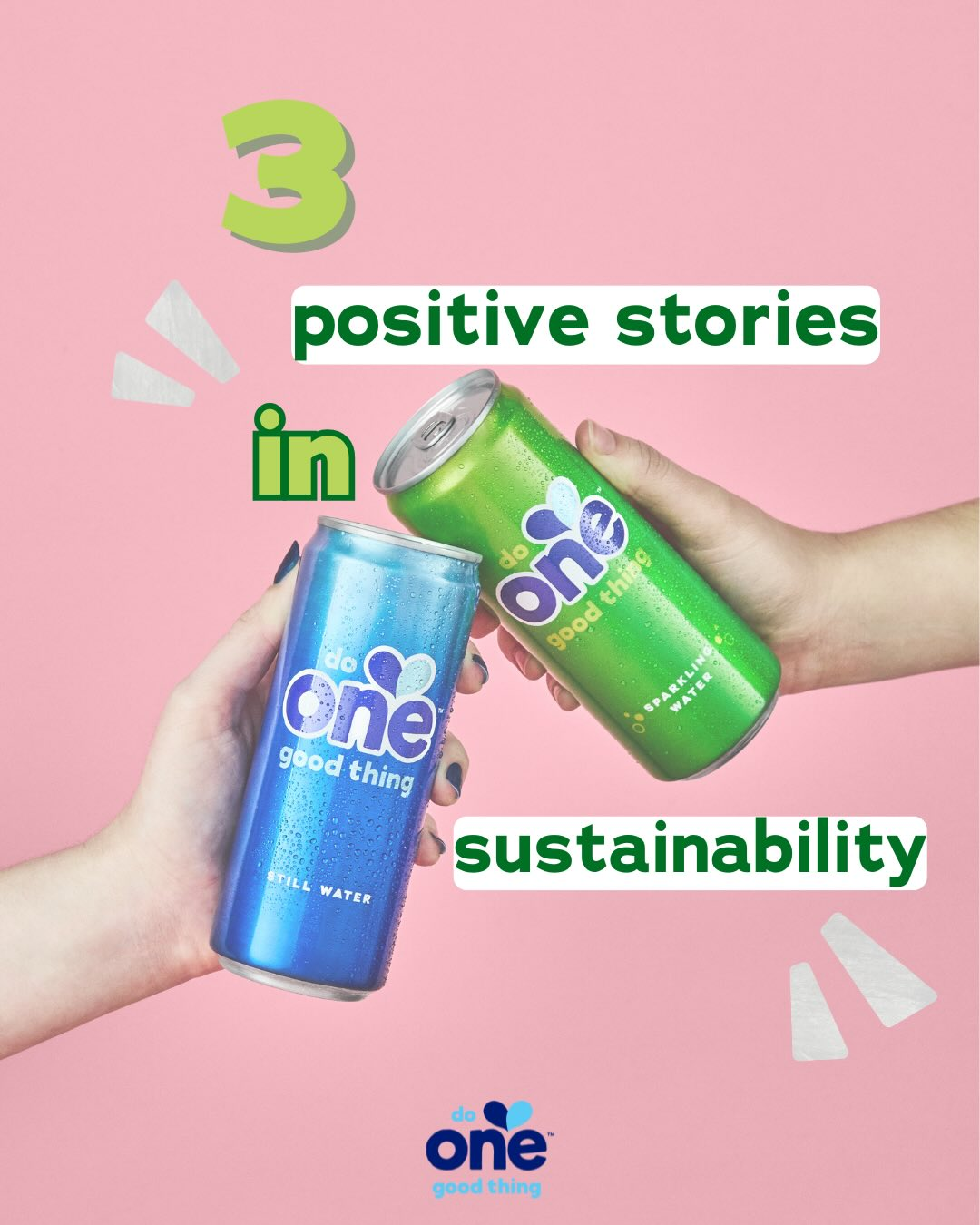
One Water, a canned water brand (still or sparkling), set out to change that with a simple, heart-warming idea: use the profits to fund clean water projects. Sold in Co-op and many other shops nationwide.
Buying a can of One Water does more than quench thirst. Each bottle sold funds programs that bring clean and safe water to people in need.
These projects include building wells, fixing local water pumps and setting up water tanks in villages where drinking water is hard to find.
In 2003 (on the same day that Saddam Hussain was found hiding in a bunker) the founder of One Water had just returned from 2 years travelling around the world (which included a spate without safe clean water thanks to Hurricane Mitch in Honduras).
He opened the newspaper to find a photograph of a young girl in Nairobi. She was sitting next to a tap – that was padlocked.
So far his foundation has raised over £30 million, helping to bring clean safe water to over 5 million people.
Monies raised from buying One Water mostly focus on work in 4 countries:
- Ghana
- Malawi
- Kenya
- Rwanda
Projects helped so far include a whole village receiving clean safe water in Malawi (where almost half the country has no access to clean water and 25% of people have no access to clean toilets).
Belu (office bottled water to help others)
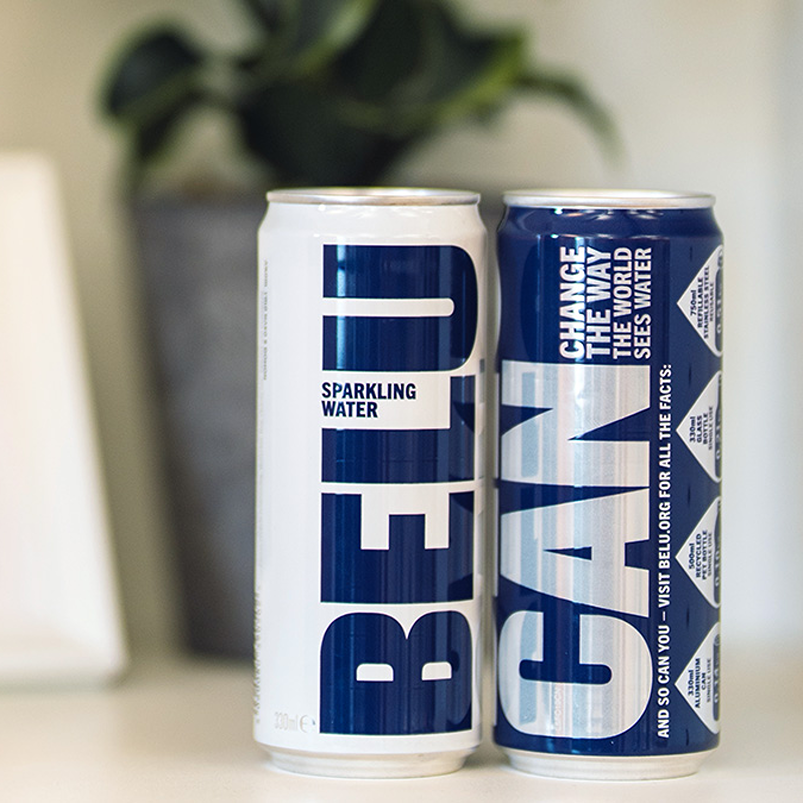
Belu offers glass bottled or cans of mineral water, with profits helping to bring clean safe water to people abroad.
Or you can opt for plumbed-in water filters, to avoid packaging altogether.