From Straw to Cob: A Guide to Green Building Materials
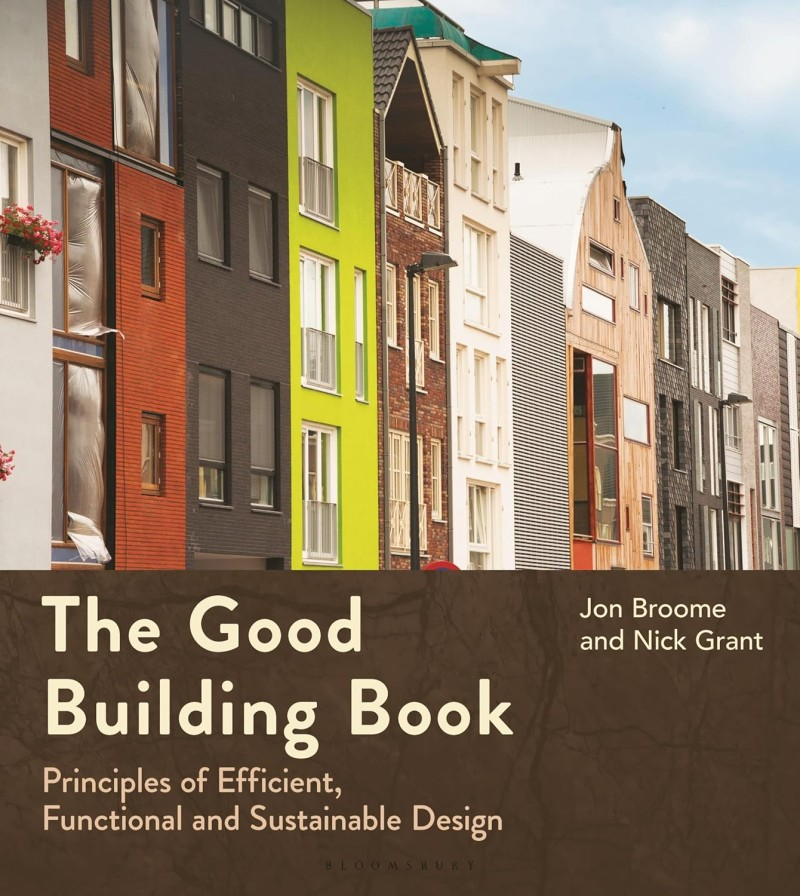
The Good Building Book is a guide for architects, builders and town planners, helping to build homes that help nature (not relaxing planning laws to remove habitats for wildlife).
Written by an architect and design engineer (two people!), it looks at green buildings that can cope with our weather, and includes over 150 photos and 90 diagrams.
Check out Ecomerchant’s blog pages, packed with lots of useful info and brand recommendations from those who know!
Where to buy green building materials
Find materials at Back to Earth, Ecomerchant and Ecological Building Systems.
MicroLouvre is a woven fabric from scrap metal that lasts 60 years to remove the sun’s heat with no power needed – it’s fire-rated and can even be used to shade traffic lights).
If building glass windows or conservatories, learn how to stop bird strike.
Sugarcrete is a low-carbon alternative to concrete bricks, combining sugarcane (waste from growing sugar) with sand-mineral binders, for a brick that has a six-times lower carbon footprint. Sugarcrete flooring slab is reusable and fire-resistant. Hempcrete is another green building material.
Ecobrix Woodcrete is made from wood waste and cement, and costs a third less than traditional bricks. You can even buy insulation made from grass and recycled jute.
Sustainable building bricks!
Kenoteq is a low carbon building brick, made from nearly 100% local recycled content.
Produce low carbon building materials made from near 100% local recycled plasterboard, brick, stone, rubble and old mortar, with recycled pigments. It requires no firing and is easy to recycle at end of use. content.
Made from recycled plasterboard, brick, stone, rubble and old mortar, together with recycled pigments.
Repurpose waste to instigate and sustain circular economy practices.
Reclaimed Brick Company sells reclaimed bricks for restoring period properties. They are cleaned of mortar and debris, repointed and sometimes resized. It also offers:
London Reclaimed Brick Merchants also offers reclaimed bricks. Salvage Reclamation Yards offer real finds, for period homes.
Straw bale buildings (cheap & naturally insulated)
Straw bale buildings are quick and easy to build, naturally insulated (when plastered with lime) as safe as wooden houses, and make use of farming waste (otherwise burned).
The UK could build half a million affordable insulated homes each year from waste straw, to help reduce climate change and homelessness.
A small straw bale house costs around £50,000. The oldest ones in Nebraska are over 100 years, they could last 200 – we don’t know yet, as none are that old!).
They are at no greater risk of mice and rats, as the material is not hay (food) but empty crop stems. The best way to humanely deter rodents in any home is to seal up walls, and don’t leave food out.
As straw bale works best in dry climates, Barbara Jones (our leading straw bale expert) is expert on building them in rainy climates. She got into female carpentry to improve her own situation, when funding cuts from her job helping drug addicts, ended up with her living in a squat with cold water and an outside loo!
Learn more on straw bale building
- EcoCocon is a prefabricated straw wall system from Slovakia, championed by Barbara Jones. Over 500 buildings in Europe have been built with it.
- Straw Bale Building Redefined is an English translation of a book from Lithuania.
- Wellspring Architecture builds homes with straw bale.
- Straw Bale Building is a hub for all things straw bale.
- Huff and Puff offers a building alternative to cement, responsible for 10 to 15% of climate emissions worldwide. This company runs courses for self-builders.
Clayworks (naturally coloured clay plasters)
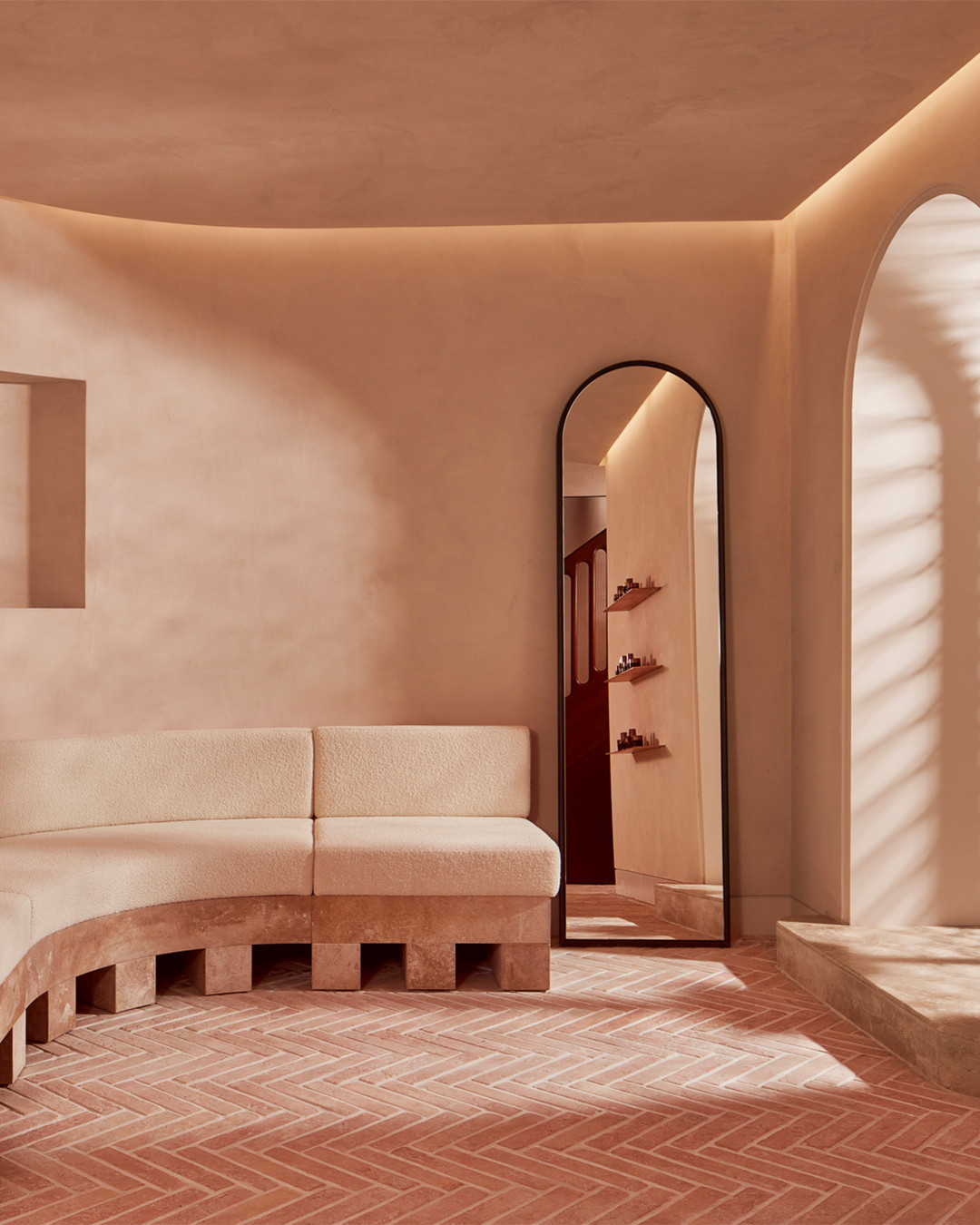
Clayworks is a company founded by a married couple who wrote the cob building book above. Their clay plasters are naturally coloured, so you can paint and plaster eco homes in no time. The site has full information on how to use, and where to find decorators who are trained in using these plasters.
Clay plasters are not suitable for wet rooms (like bathrooms) or sustained exposure to water, but good for indoor walls and ceilings.
Made mostly from lime and clay, natural plasters let walls breathe and form a seal that is less likely to off-gas toxic chemicals. They don’t trap damp, salt and condensation (which can lead to peeling paint, brown plaster and a cold stale feel indoors). They also repair well, and look lovely!
Clay plaster (for bedrooms and living rooms) has a warm matte look and earthy finish, and hardens as moisture leaves the wall, so is easier to rework and patch later on. It’s also more affordable.
Drying times can stretch in England’s cool damp weather, so they will take longer to dry in winter, poorly-heated houses or north-facing rooms. But still dry quicker than lime.
Lime plaster (for bathrooms and utility rooms) is made from lime, sand and water, and can cope well with movement in older walls. It’s good for English period homes like brick, stone and historic masonry, as it lets moisture vapour pass through, to let walls dry naturally.
Building with Cob (more suitable than adobe in England)
Building with Cob is an illustrated guide to building homes with England’s answer to adobe, a mix of clay and other materials, for affordable eco-friendly homes (popular in Cornwall). Includes 300 colour photos, 85 diagrams and tips on restoring old cob buildings.
Adobe is a popular form of building abroad, which uses sun-dried earth blocks. But in England we don’t get as much sun! Cob is easier in England as it does not rely on premade sun-dried blocks, and still offers thick earth walls and a hand-made feel. It’s also good to make outbuildings as well as standalone homes.
Most house paints contain volatile organic compounds (which release gases to cause headaches and illness). No paint can be 100% green, as it needs preservatives (even washing clay causes VOCs). But look for brands that are zero or virtually zero VOC (low VOCs is just greenwash).
Use with eco friendly decorating tools.
Paint preservative can be fatal in inhaled (true of all paint), so keep children, pets and pregnant/nursing women out of painted rooms, until dry and aired. Titanium (also found in cosmetics and sunscreen) is also pet-toxic, so keep away from wet walls or use titanium-dioxide-free paints.
- Lime-based paints can help to prevent mould and mildew (good to help prevent crib death (along with other factors) but all natural paints should let walls breathe anyway.
- For older homes buy a lead paint test kit, as this element can harm. It’s best to have professionals remove it, as you need PPE and special methods to avoid dust/fumes.
Reclaimed Brick Company (nationwide delivery)
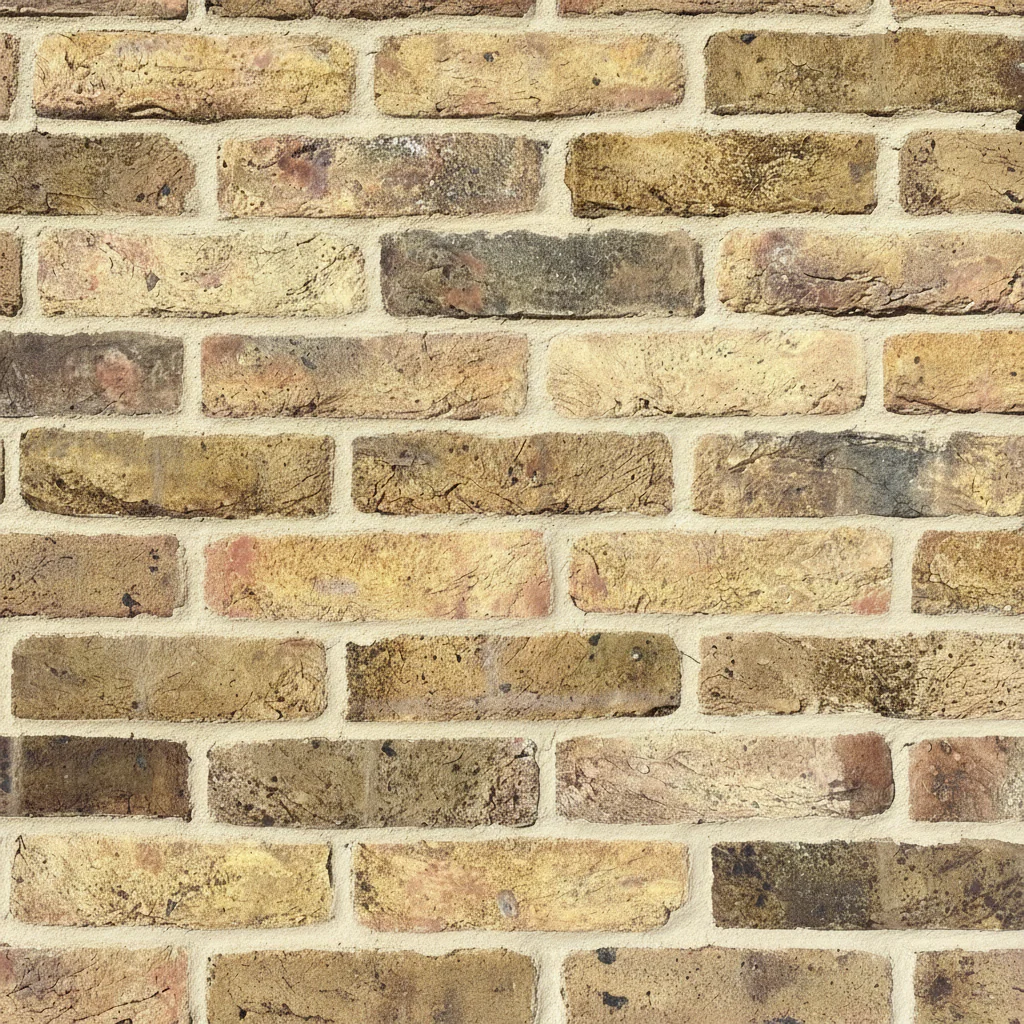
Reclaimed Brick Company is a unique Sheffield company that reclaims bricks and natural stone from demolition projects, then delivers them nationwide to anyone wishing to use bricks in their green building projects. Let them know if you have any leftover bricks, to avoid them going to landfill.
There are over 100 brick styles to choose from, and a free brick match service. Each brick goes through a four-stage cleaning process and quality control. The most sustainable brick is one that is already built!
The company recommends using lime mortar, as bricks are made from clay which needs to breathe, so it’s important that the bricks are more dense than the jointing compound that holds them together.
The reclaimed brick slips are ideal for walls, fireplaces, kictchens, and commercial exterior and interiors, with naturally worn edges and a finish that is difficult to replicate with new materials. Each one is produced from real bricks recovered from historic buildings, with unique imperfections.
Why choose reclaimed bricks?
Old bricks are made from clay (new bricks contain cement, ash and ash). So old bricks are naturally weathered and have no perforations or core holes, and weigh around four times more, so great for old buildings.
Reclaimed bricks have also been naturally weathered and therefore are ideal for matching originally buildings. After the Second World War, builders began changing over to metric brick sizes, so for older buidlings it’s difficult to find new bricks to match the right size and weight.
And obviously using reclaimed bricks helps to stop old ones going to landfill. It’s not good to knock old buildings down. But for those that have been demolished for safety reasons etc, it’s good to clean and reuse them, rather than them going to landfills.
Reclaimed flag stones
This company also offers reclaimed flag stones for paving projects. Along with reclaimed stone tiles and wall coping stones (ideal for capping garden walls and period property boundaries).
Builder reclamation yards
England has many salvage reclamation yards nationwide where you can find old bricks to old Victorian bath tubs. Just be sure everything is safe.
For items like chimney pots, it’s better to buy new with chimney cowls, to help deter nesting birds).