What England Can Learn from Canada’s Banff Park
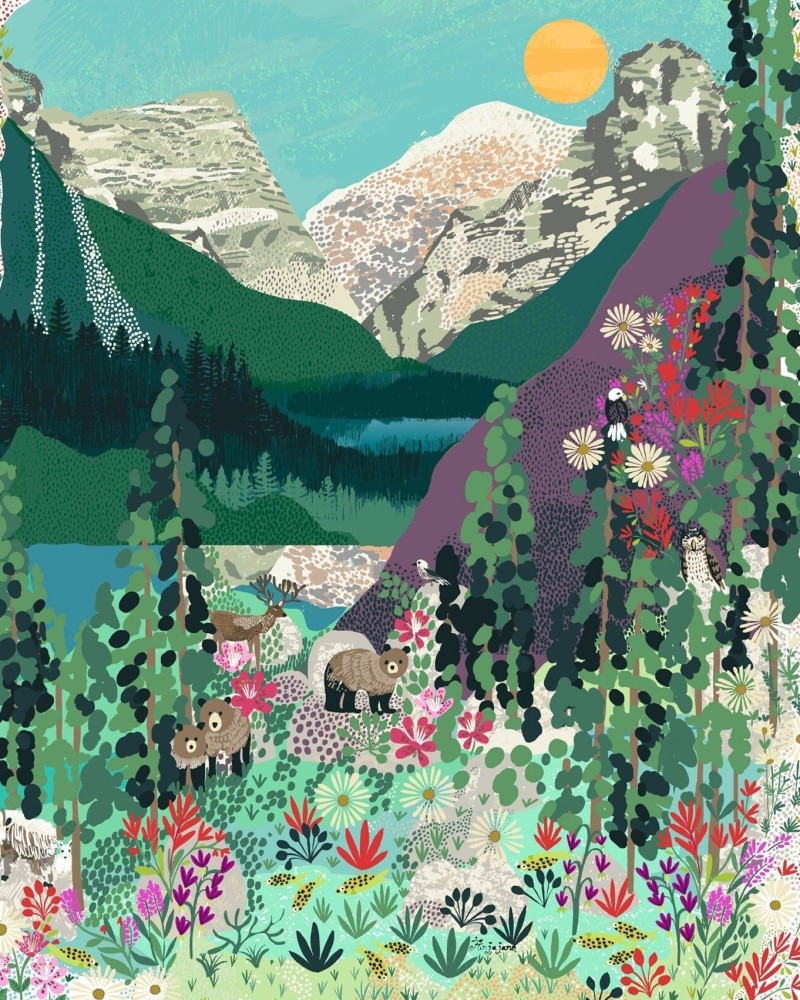
England has 10 National Parks (if you include the Broads). But the planning process and governments could learn a lot from how to care for them, inspired by Banff Park in Canada. This is a big country with a far lower population, and looks after its public parks wonderfully.
Always follow the Countryside Code to keep all creatures safe. Keep dogs away from steep banks, mushrooms (and toxic plants/trees) and on leads near birds, barnyard friends and wild ponies.
If at the nearby coast, keep away from nesting birds and never walk on sand dunes. Learn how to keep dogs safe by the seaside (check beach bans before travel).
Banff is the best-known national park, nestled in the Canadian Rocky Mountains. Established in 1885, it spans around 6500 square km, and 96% if permanently protected wilderness.
It’s named after the Scottish birthplace of George Stephen, who was president of the Canadian Pacific railway. The park is well known for its hot springs, accidentally discovered by three railway workers who stumbled upon on a steam-filled cave on Sulphur Mountain.
To protect the delicate mountain ecosystems, the boundaries of the nearby town are fixed by federal law, so there can be no expanding to the borders, which flow into nearby Oceans (Atlantic, Pacific and Arctic Oceans), so this stops them from becoming polluted.
Compare that to England’s Lake District, where Lake Windermere has awful sewage issues, due to water companies pumping raw sewage into the lake, and huge over-tourism in summer from boats and businesses.
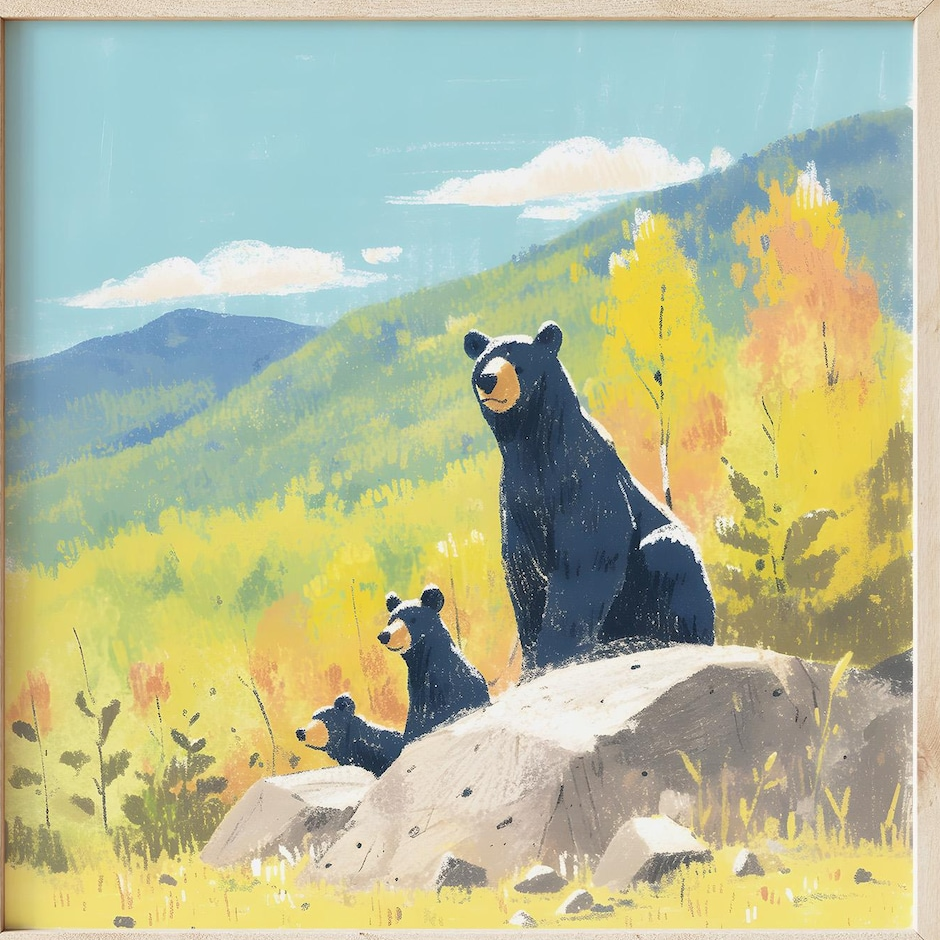
Banff Park is a haven for wildlife including grizzly bears and black bears (some in Canada are killed to make the black hats for the guards at Buckingham Palace – join the campaign to stop this). Plus you’ll also find wolves, moose and bighorn sheep with curved horns.
Wood Buffalo National Park in northern Alberta and the Northwest Territories protects the largest free-roamin wood bison herd in the world.
Banff Wildlife Corridor (keeping creatures safe near roads)
The park is at the forefront of designing safer roads for wildlife. Banoff Wildlife Corridor (which has 38 underpasses and six overpasses crossing the highway) is used by tiny insects to wolves, moose, elk and grizzlies.
Since being built, it has reduced wildlife-vehicle collisiosn by more than 80%, and by over 96% for hooved animals like elk and deer (you likely know of the issues we have in England with deer/car collisions). Read more on helping wild deer to be safe from traffic.
Creatures follow set routes. So if they are going east to west and you build a road that’s north to south, it’s going to cause issues. Many roads slice through habitats (creatures won’t divert routes, because a road has been built).