Alpaca and Llama Welfare (simple tips and resources)
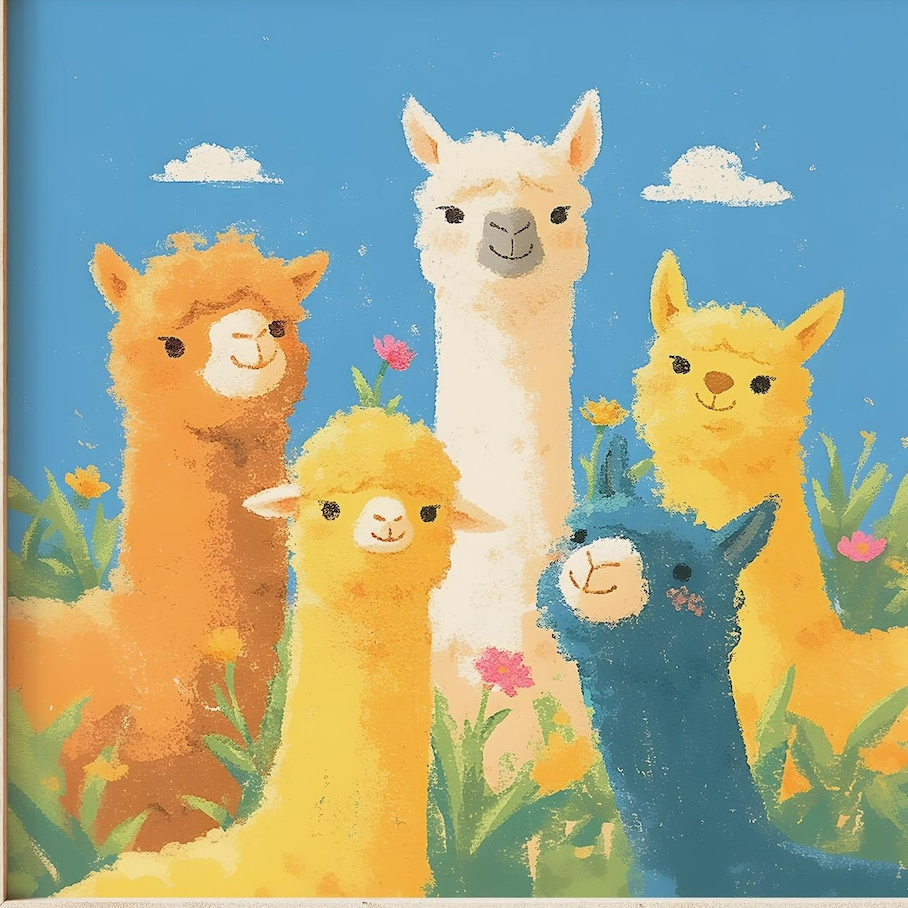
Although not native to England, many counties have alpacas in fields, you may have seen them if you in a rural area or driving past.
British Alpaca Society is responsible for their care and welfare, so get in touch if you need any advice, or need to report any concerns. This includes an urgent out-of-hours service.
First introduced to England for their fibres that were used to make yarns, today many are simply used as natural ‘paddock mowers’ or guards for free-range poultry keepers, as they are very territorial!
Native to the Andes (Peru, Chile and Bolivia), they naturally would live nearly 4000 metres above sea level. The two main species are Huacaya (a ‘teddy bear’ appearance) and Suri (they have ‘dreadlocks that hang in pencil shapes).
Alpacas are social animals that live in herds, and communicate by humming and clicking (though they spit if they feel threatened). The babies can walk within an hour of being bord!
Their soft feet don’t damage soil, and their dung piles are good for the land! Because they have no top teeth, they can graze the land without pulling up the roots. Mostly they eat grass and hay, and like chickens, like to take dust baths to stay clean!
Tips from Open Sanctuary Project
Open Sanctuary is a voluntary project, where experts on different species create free welfare guides for farms and farm sanctuaries, and it includes information for alpaca welfare.
The extensive information sheets cover:
- Diet and home comforts
- Common plants that are toxic to alpacas
- Introducing new alpacas to the group
- How to conduct an alpaca health check
- Creating an enriching life
- Care for older alpacas
- Care for crias (baby alpacas)
The site also has information for llama care (on the same subjects as above).
What’s the difference between alpacas and llamas?
Both are South American camelids. Llamas are around twice the size of alpacas, with long banana-shaped ears and coarse hair, whereas alpacas have short spear-shaped ears and finer fleece.
Alpacas are more gently and shy herd animals, whereas llamas are more confident and independent, often used as ‘guard animals’ for sheep.
Both are native to the Andes mountains – and both are (if you upset or agitate them) prone to spit at you!
Alpacas and Llamas are Both ‘Camelids’
Camelids is an order of animals that both belong to. They are even-toed herbivorous animals known for their long necks, slender legs and three-chambered stomachs. The one familiar to you will be camels, two less well-known are guanacos and vicuñas).
One unique feature (which you’ve likely seen with camels) is that due to their legs attaching differently, they have to kneel before they life down:
Camels are desert mammals that store fat in their humps for energy, and can survive a long time without water, drinking gallons in one sitting). They also have three eyelids, thick lips and closable nostrils, to endure harsh sandy environments.
Most have one hump (Dromedary camels) and the others are Bactrian (two humps). They eat cacti, thorns and dry salty plants and can run fast distances, again spitting at potential threats.
Today camels are also used for transport, milk, meat and wool, and there are big welfare issues. If you travel abroad, never accept animal rides (from any creature, including camels).
Guanacos are related to llamas, and also live in South America living in herds with a dominant male. They are slender with long necks, and can run fast to escape pumas. Babies can walk within five minutes of birth! They are now endangered in Peru, Bolivia and Paraguay, due to habitat loss.
Vicuñas are the smallest camelids, also living in the high Andean grasslands. They have soft cushioned pads rather than hard hooves, to adapt to local rocky terrain. Again they live in herds with a dominant male. Previously threatened due to hunting, conservation efforts are protecting them from illegal poaching. They are the national animal of Peru, appearing on the country’s coat of arms.
Peru and the South American Andes
90% of the world’s alpacas live in Peru, home to Machu Picchu (and over 4000 varieties of potatoes, they love their spuds as much as us!) It’s also home to pink river dolphins and the Andean Condor (the world’s largest flying bird).
The Andes are the world’s longest continental mountain range, stretching over 5000 miles along South America’s western edge, through seven countries. Formed 25 million years ago by tectonic plates, there are many active volcanos, llamas and condors and ancient Incan civilisations.
Health and welfare basics to look for at a glance
You don’t need to be an expert to spot a place that takes welfare seriously. When you arrive, look around before you join the group.
A well-run experience feels organised and calm, with staff watching the animals as closely as the guests.
Quick signs to look for:
- Clean water available, plus shade or shelter if the weather turns.
- Enough space for the herd to move away from people.
- Clean halters and leads that fit well (not tight, not rubbing).
- A clear safety briefing, including what to do if an animal stops.
- Staff actively reading body language, not just taking photos.