Aluminium Can (and foil) Recycling Programs
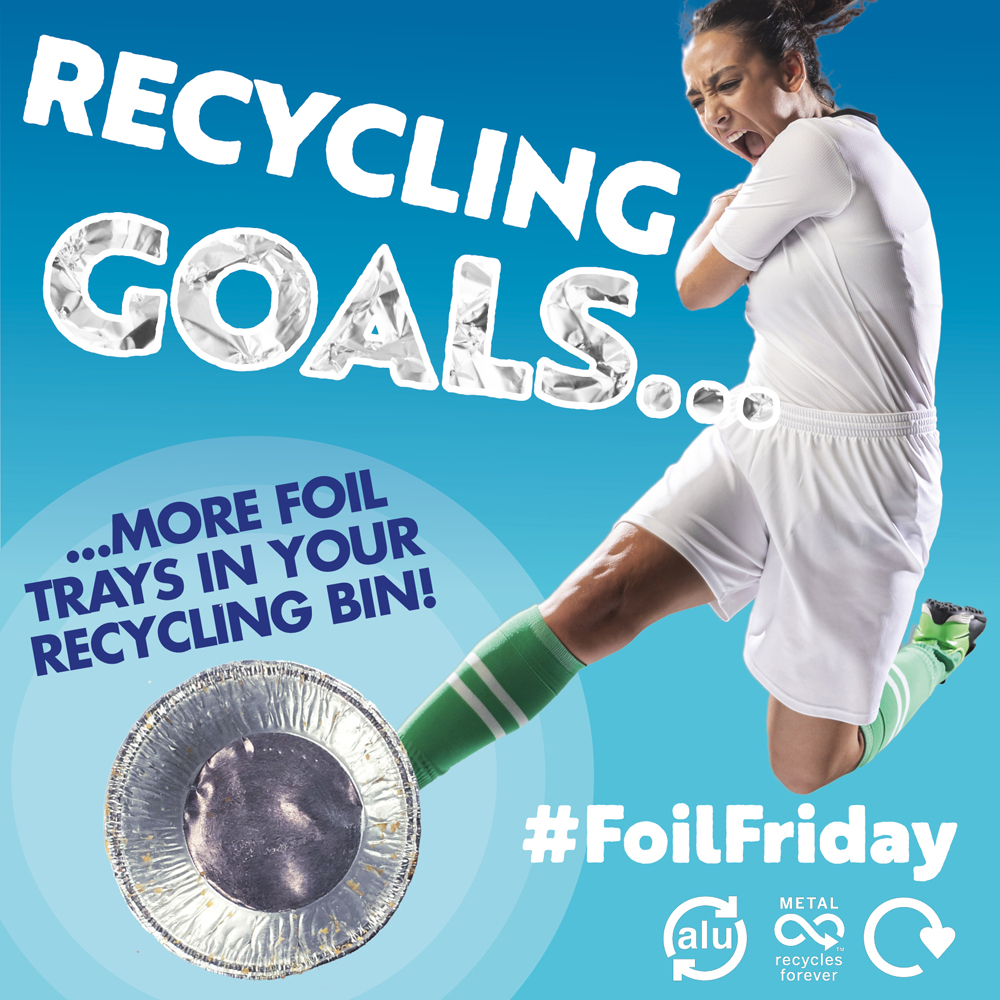
Aluminium cans and foil (plus jar lids and empty aerosols are easily recycled (ensure both are clean). You don’t have to crush cans, but do fully remove the lids (and pop ring-pulls back over holes, to avoid wildlife getting trapped.
Half-empty aerosols (and metal containers with white spirit, paint or engine oil) should be taken to your council’s hazardous waste department.
A study by Keep Britain Tidy found that 80% of littered bottles and nearly 5% of littered cans, contain remains of tiny small mammals (shrews, bank voles and wood mice).
Littered cans also attract snails, and can harm inquisitive wildlife (like hedgehogs) along with cutting pet paws and children’s feet.
Boycott Beers and Ciders in Plastic Can Holders
Many brands (including Stella Artois) now have switched to cardboard, so others can too. Some supermarkets have banned the sale of these lethal can holders, which are invisible in water, and often get trapped around wildfowl necks or beaks.
If you see any littered on the street, rip up the holes, and place them in a secure (not open) bin.
Alupro (make money for your community)
Because recycled aluminium is cheaper but of the same quality, companies love to buy it up. Order a free starter pack from ALUPRO which will also tell you how to make money for your community, by selling collected cans to scrap metal merchants.
You’ll need proof of ID to receive a cheque or bank transfer (they can’t pay cash by law). Most require 5kg or more to accept delivery (this is around 325 cans).
How Councils Can Help Can Recycling
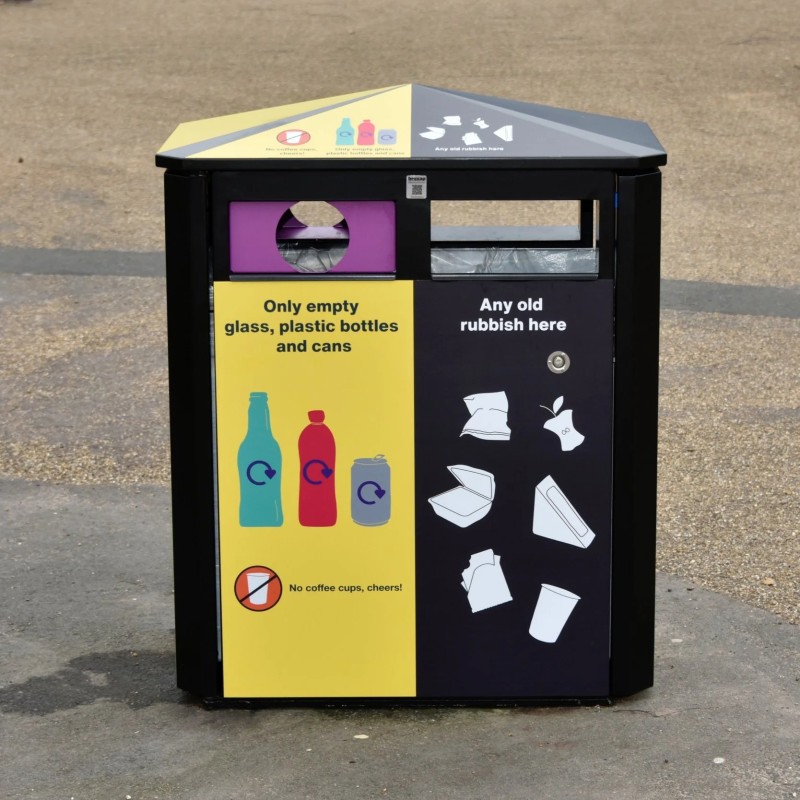
Invest in quality can recycling bins. These are colour-coded and can be used alongside other recycling bins for glass, cardboard and plastic bottles. The cost is more than offset, by not having to send staff out to pick up litter.
Studies have found that people are most likely to use recycling bins when they are brightly-coloured with circular holes, placed by other recycling and waste bins. Ensure they are covered for windy weather.
Report litter to Fix My Street, and reports (with photos) are sent to local councils. Once complaints are made public (especially by several people), often the council acts. No matter who dropped it, councils have legal duty to remove litter on public land.
For private land, they can serve Litter Abatement Orders (and if landowners don’t comply, they can issue fines or clean the litter, and send them the bill).
What counts as aluminium packaging?
- Drinks cans (aluminium) – give a quick rinse if sticky
- Food tins (many are steel, so check)
- Aerosol cans (maybe, empty only)
- Household foil (only if clean and scrunched)
- Foil trays (scrape and de-grease)
- Yoghurt pot lids (clean and detached)
Aluminium is shiny, light, and it keeps its shape when you scrunch it. If it springs back like a crisp packet, it probably isn’t foil.
Prep steps that help: empty, quick rinse
- For cans, empty them fully, then give a quick rinse if they’re sticky. If water is limited, a small swirl of leftover washing-up water often does the job. Next, let it drain.
- For foil and trays, scrape out food first. If the tray is greasy, rinse it quickly and let it dry. Grease is the main issue because it clings and spreads.
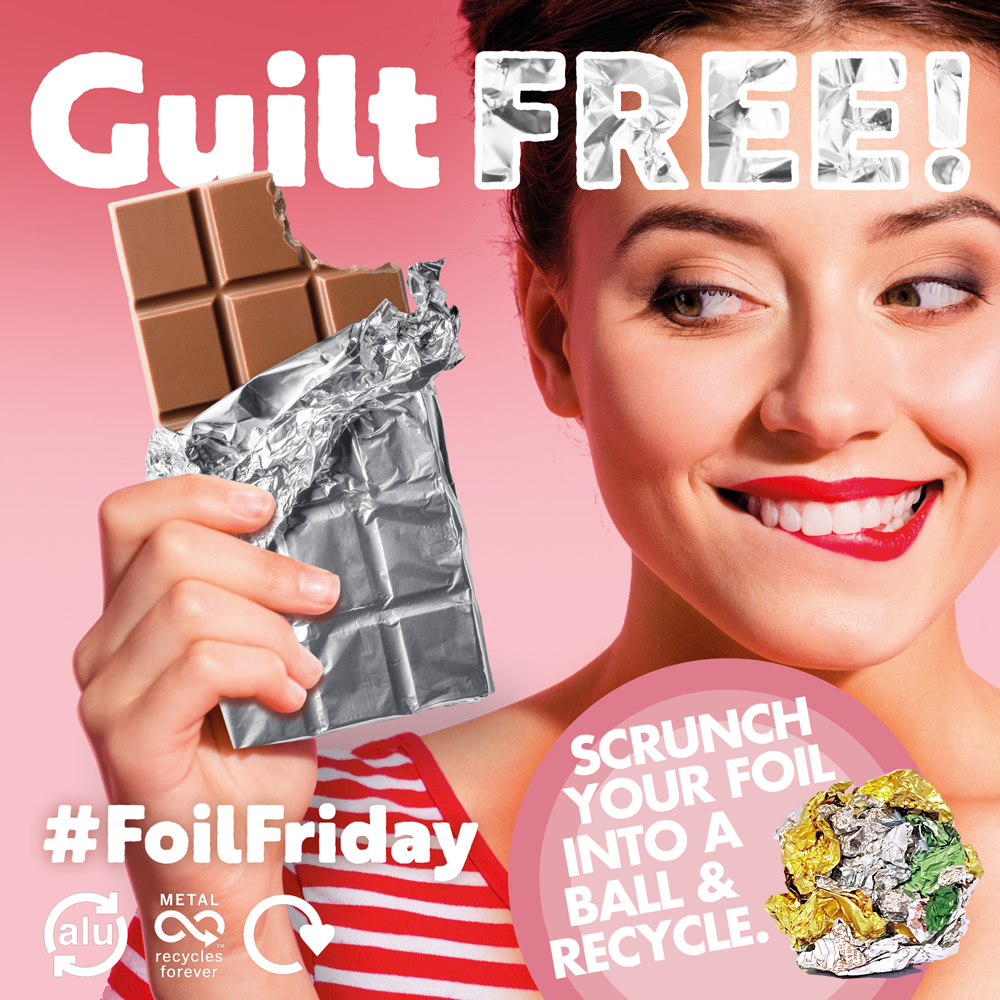
- If your local scheme accepts foil at the kerbside, the “scrunch test” can help sorting. Scrunch clean foil into a ball about the size of a tennis ball. Small, flat bits can slip through sorting equipment, so making it larger gives it a better chance.
- Don’t obsess over removing every mark. Instead, focus on removing chunks of food and heavy grease, because those are what cause real processing problems.
Common mistakes to avoid
A few errors show up again and again. First, people put recyclables inside plastic bags. Some councils accept bagged recycling, but many don’t, so loose items are safer unless your scheme says otherwise. Another common problem is putting wet, greasy foil in with clean cans and paper.
Also watch out for “shiny” packaging that isn’t foil. Crisp packets and many sweet wrappers look metallic, but they’re usually mixed plastic film. Finally, keep hazardous items out. Gas canisters, partly full aerosols, and anything pressurised shouldn’t go in standard recycling.
Here’s a 10-second checklist to remember:
- Empty it (no liquid sloshing).
- Clean it quickly (scrape, then rinse only if needed).
- Keep it loose (unless your council asks for bags).
- No fakes (skip shiny film wrappers).
- No hazards (empty aerosols only, never canisters).