A Beautiful Handbook on Art Therapy
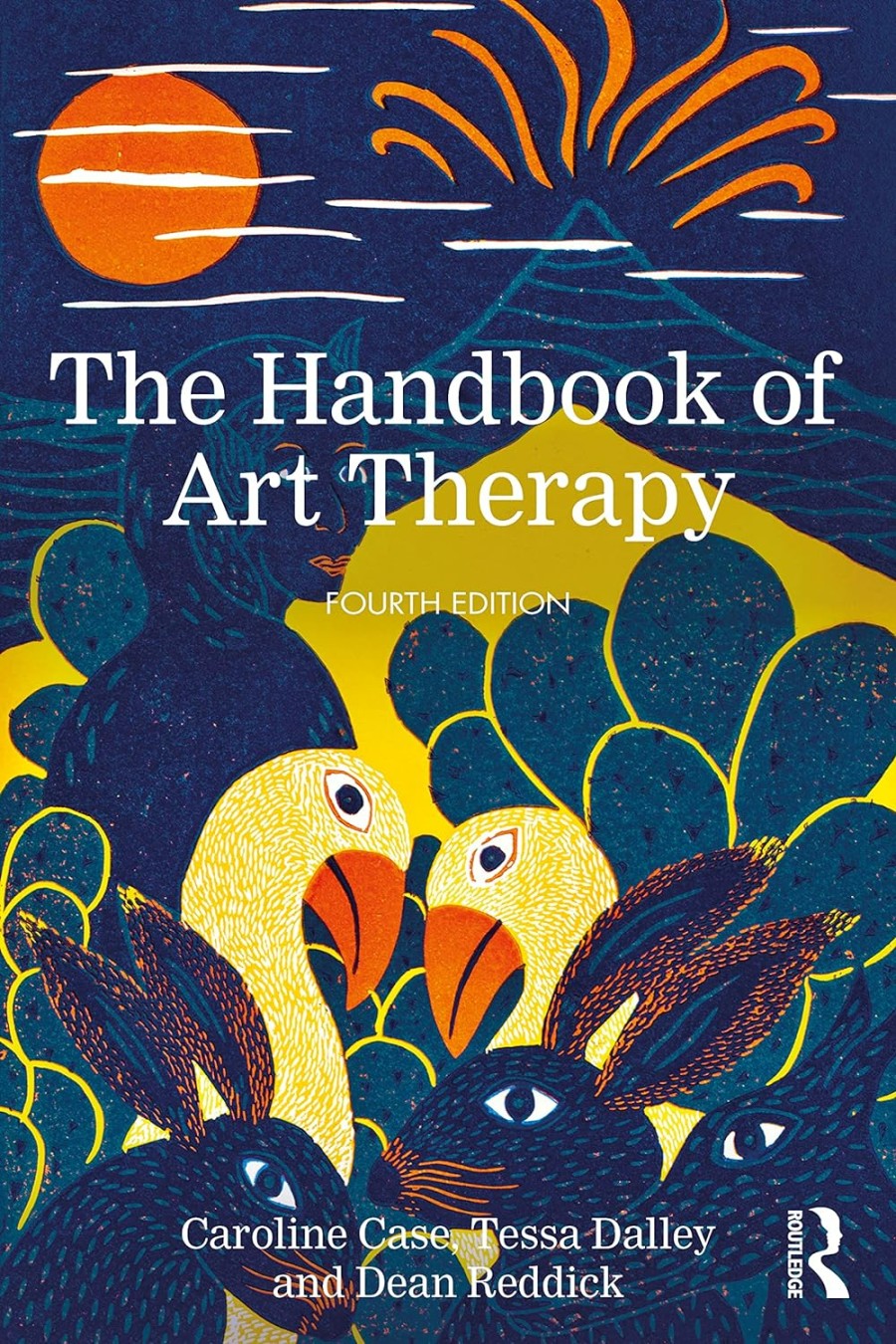
The Handbook of Art Therapy is the ultimate guide to art therapy, written by experienced practitioners, and regularly updated. It looks at how art therapy can be used in contemporary settings and includes a new chapter about using art therapy online.
Using first-hand accounts, it looks at the benefits and different methods used, and features basic theory and practice, as the classic text for art therapists, counsellors and psychotherapists.
Art is not just about painting pretty pictures, but also about healing your mental health. If you’re feeling stressed or bereaved or angry or depressed, art can sometimes help, when simple words are not enough.
Art therapy is recommended by the NHS, often used as a way for people (especially children) to process traumatic experiences, including abuse.
Sometimes a young person who has been abused is not able to speak about such experiences, but could instead use art to process and relate their feelings.
British Association of Art Therapists lists where to find qualified art therapists, who are highly trained to post-degree level. Note you don’t have to be good at art, to benefit!
Vegan Watercolour Paints (and brushes)

If you enjoy painting watercolours, know that some paints are made from animal ingredients like ox fall, Kandahar ink from shellac. Use instead these handmade vegan watercolours, sold in a pretty tin that you can send back for refills, using the discount coupon.
The paints are mixed with a homemade binding agent made from dried resin. Keep away from children and pets.
For (supervised) children, Honeysticks Watercolour Paints are made with food-grade ingredients, sold in a pot with a wooden paintbrush.
Use with recycled art paper. Or a cotton paper watercolour pad (the 300gsm thickness, holds expansive washes, and provides a great surface for detailed painting).
Vegan Watercolour Brushes
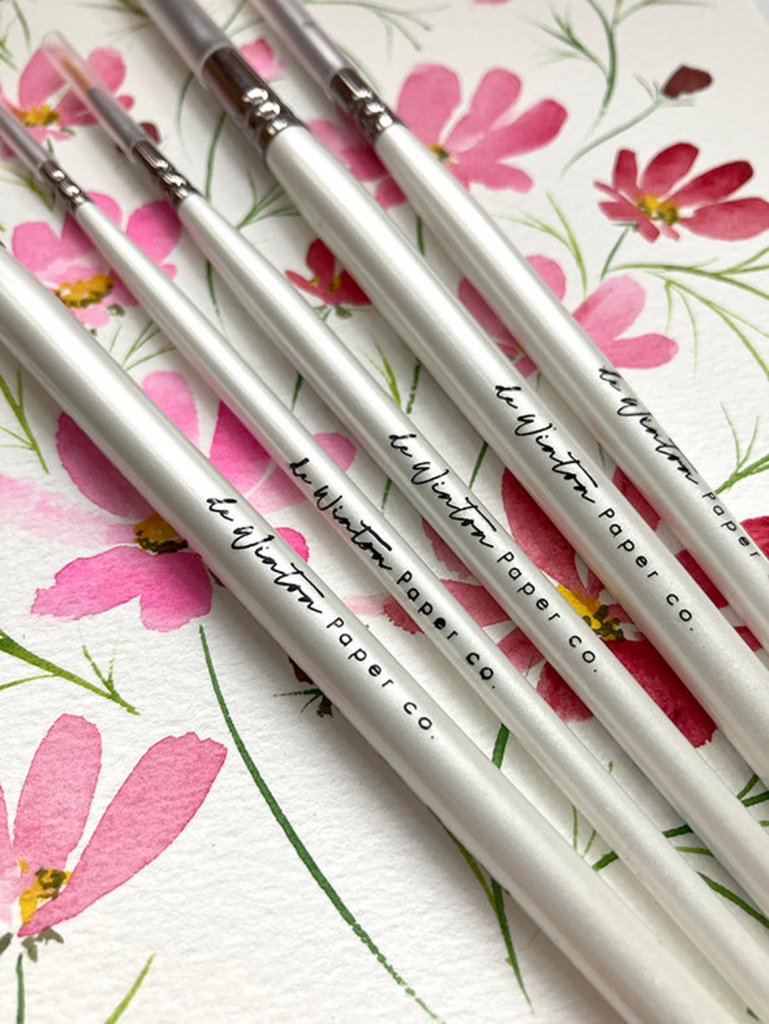
deWinton (Yorkshire) makes good synthetic paint brushes, created from sablene, a unique synthetic fibre that mimics properties of sable hair (made by killing weasels, ferrets or minks).
Run paintbrushes under water (agitate lightly) to remove adhesive coating before use, never leave brushes in water. Lay flat to dry, to preserve shape.
Choose from:
- Miniature brushes for painting detailed work.
- Bloom Brush Set for painting flowers.
- Watercolour bundle set or watercolour brush set
Natural Earth Paint Watercolour Brushes also use synthetic bristles for watercolour painting. Made with sustainably-grown wood handles and varnished with a nontoxic plant-based resin.
The bristles mimic mongoose hair (a perfect cross between sable and hog in softness, but are animal-kind). The set of 4 includes:
- Filbert (curved bristle top) #6
- Round (fine tip) #8
- Filbert (curved bristle top) #12
- Bright (rectangular bristle shape) #16.