Support Artisan Jam, Marmalade and Preserves

Most towns have shops where you can buy artisan chutney, jam and marmalade, made by locals who know how to cook with real ingredients. You can make your own, but most people don’t (it’s also quite complicated, as you have boil the jars or sterilise them in the dishwasher). Safer and easier to just buy from others!
Fruits of the Forage (Cheshire) makes lots of good preserves, all made from food waste, that would otherwise go to landfill. The seasonal ingredients are taken from people’s gardens (with permission!), hedgerows or farmers’ fields, where they would otherwise rot.
Choose seedless preserves for children, swallowing difficulties or teeth problems. Check medication before consuming grapefruit or rhubarb. Before using, read our post on food safety for people and pets.
Chutney is very popular in England, though it’s actually from India (the word ‘chaatna’ means ‘to lick’ in Hindi – hence mango chutney. Mostly made with apples, onions and vinegar, it’s good with a vegan cheese sandwich or in a Ploughman’s lunch.
Piccalilli is also good with Ploughman’s, made with cauliflower, runner beans, garlic and mustard powder.
This family firm has also planted 2000 native trees, for the benefit of local wildlife. The range includes:
- Damson and Sloe Chutney (hedgerow fruits, good with vegan cheese).
- Heritage Pear Chutney (wild apples and heritage cooking pears)
- Cider and Onion Chutney (made with Herefordshire cider, sweet onions and Bramley apples)
- Quince Preserve (tastes like apple/pear combined, good with vegan cheese on toast)
- Dandelion Flower Syrup (vegan honey alternative, good for dressings and baking)
Most towns have shops where you can buy artisan chutney, jam and marmalade, made by locals who know how to cook with real ingredients. You can make your own, but most people don’t (it’s also quite complicated, as you have boil the jars or sterilise them in the dishwasher). Safer and easier to just buy from others!
Artisan Jams and Marmalades
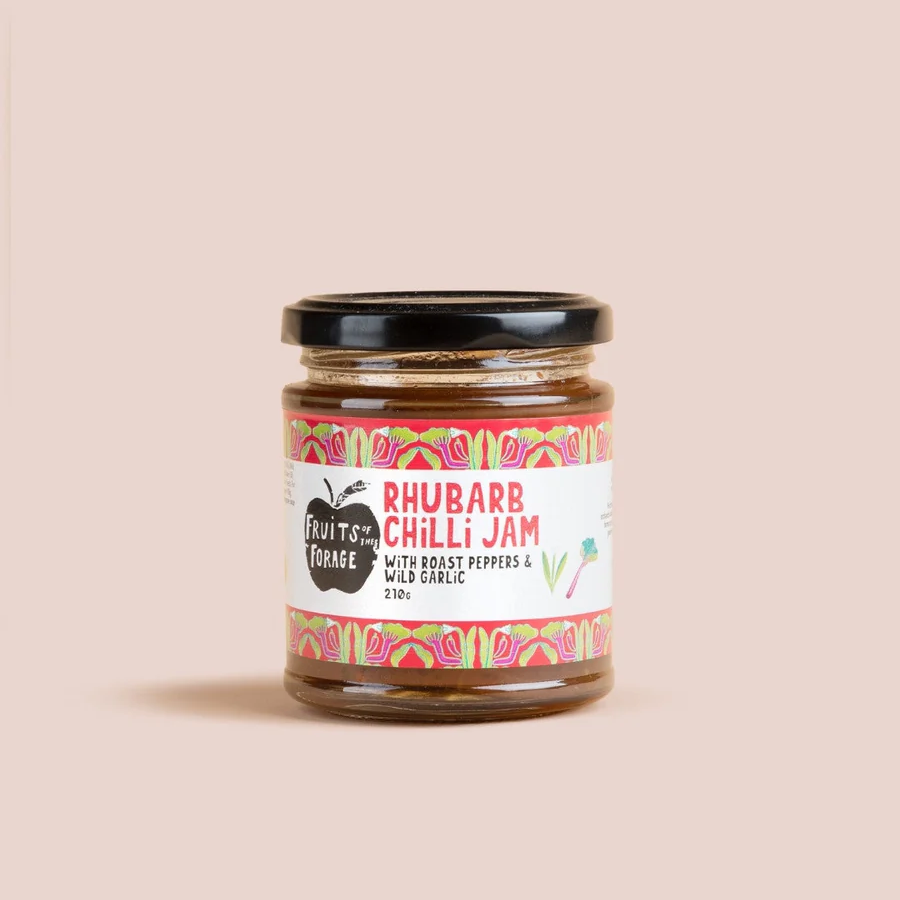
The range is extensive. A few of note are:
- Yellow Egg Plum Jam (made with wild plums from Vale of Evesham)
- Rhubarb Chilli Jam (with cooking apples and foraged wild garlic)
- Victoria Plum Jam (a hint of caramel sweetness)
- Hedgerow Harvest Jam (damson, plum, apple, elderberry, blackberry)
A wise bear always keeps a marmalade sandwich in his hat, in case of emergency. Paddington Bear
Syrups, Cordial and Liqueurs
- Winter Warmer Cordial (a no-alcohol mulled wine with damson, plus and apple). Good also hot with a dram of brandy, or to spice chilled sparkling wine)
- Raspberry and Sweet Cecily Liqueur (raspberries and mint, with Peak District Sweet Cecily)
- Damson Brown Sauce (ideal with chips or a vegan BLT)
The Wonky Food Co (tasty relishes from food waste)
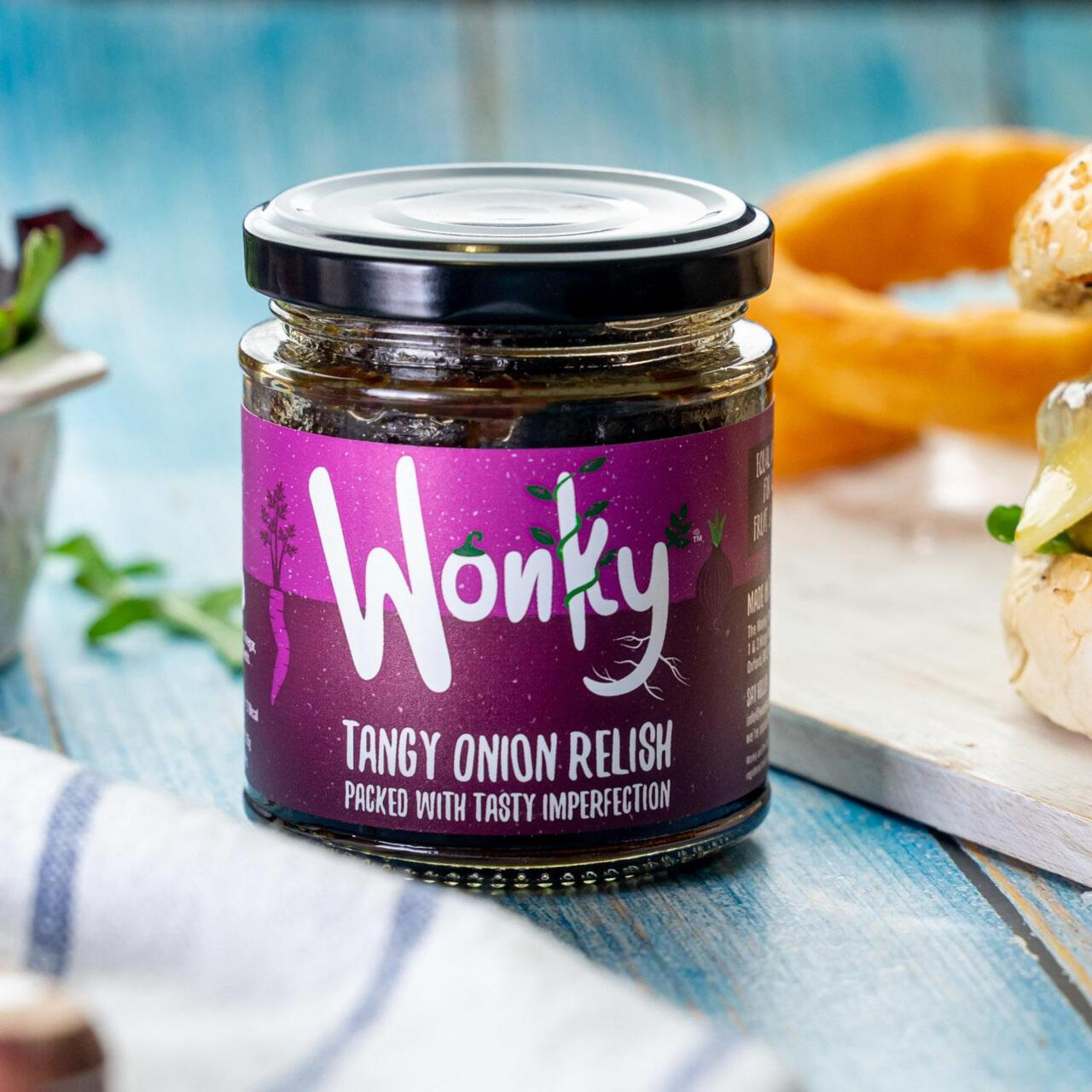
The Wonky Food Co makes a small range of delicious relishes, all made from wonky fruits and vegetables, that are discarded by supermarkets and sometimes farmers, and would otherwise end up on landfills.
20 years ago, the founder’s summer job on a New Zealand fruit farm, was to walk under kiwi fruit vines, and throw ‘misshapen fruits’ on the ground to rot. He never forgot this food waste issue, and now makes three relishes:
- Chilli Tomato (nice with vegan cheese or add to pasta, or use as a marinade)
- Zesty Lime (nice to add to curry recipes)
- Tangy Onion (for vegan gravy and stew recipes)
A Recipe for Homemade Blueberry Compote
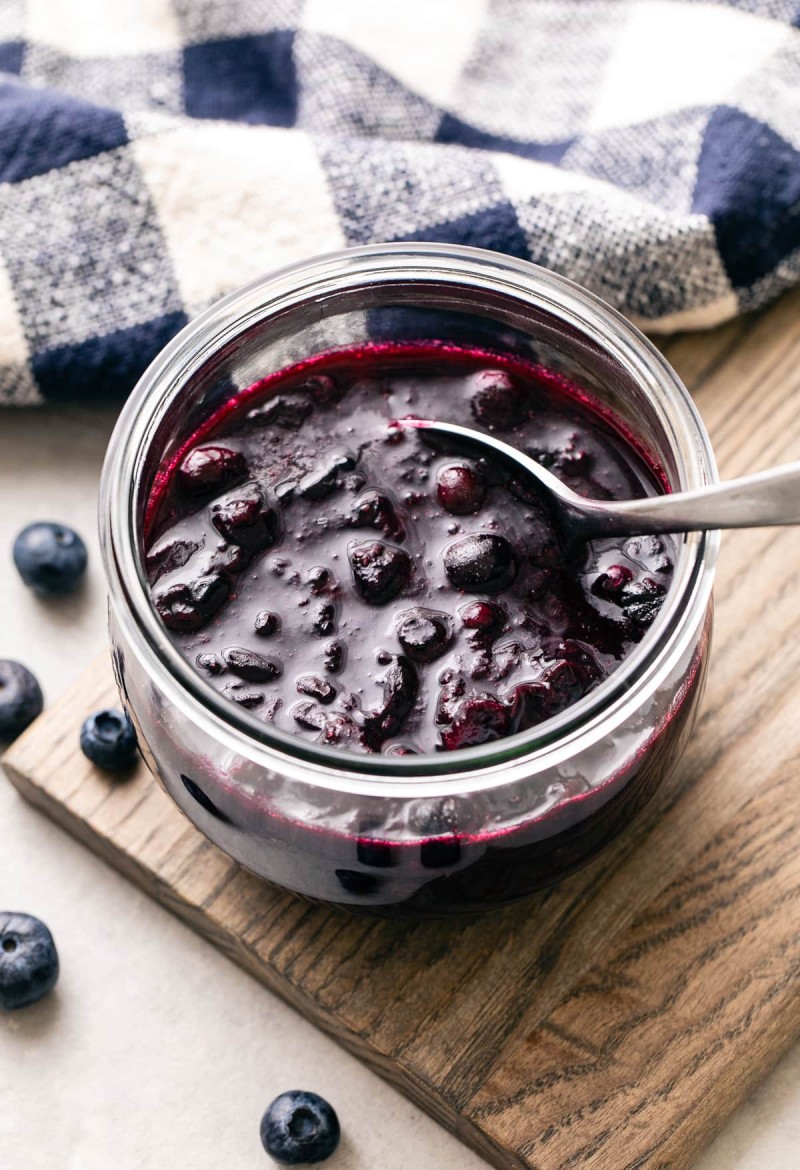
Blueberries are quite expensive, but many people buy them in punnets, and if not eaten, this causes food waste. Those who buy blueberries throw away around 336 each year, due to buying too many (most are sold pre-packaged) or not eating them quickly enough.
Homemade Blueberry Compote (The Simple Veganista) is a great way to use up leftover berries. You can cook up fresh or frozen berries with lemon and sugar, to make a tasty topping for porridge, pancakes or vegan ice-cream.
You must sterilise the jar if making homemade items in glass.
Only rinse blueberries just before eating (the ‘silvery bloom’ is what protects them). Once bought, they only keep in the fridge for a few days.
Why Are Blueberries so Popular?
Blueberries have soared in popularity in recent years, their sweet taste meaning so-called affluent ‘yummy mummies’ feed them as a ‘healthy treat’ to children. People on diets often ‘pop some blueberries’ as a snack, over a slab of chocolate or cake!
Pack’d sells organic frozen blueberries (certified by the UK Soil Association) in paper packaging. This is a good way to avoid plastic punnets, support organic farming and avoid food waste.
However, although they can be grown in England (the season is from July to November), farmers have mostly given up growing them, as they have been squeezed out by cheap imports. Today, nearly all punnets sold in supermarkets are from Peru (which also has cold winters).
One farmer gave his surplus crop to charity, and is now consider selling off his land for building development. This is what happens, when parents choose expensive imported fruit, instead of local organic produce.
We looked up the ‘finest’ range of blueberries from a major supermarket online, and found that the punnet contained a combination of fruits from ‘Chile, Egypt, Spain, Morocco, Peru, Portugal, South Africa and Zimbabwe and UK’ . Why so, if this high-priced item could be supplied by local farmers? And they aren’t even organic, with reviews like ‘squishy and tasteless’.