Best Brands of Artisan Vegan Cheeses (how to choose)
If you’ve tried supermarket vegan cheese and felt a bit let down, you’re not alone. Many everyday blocks and slices are coconut oil based, so they melt nicely but can taste flat, or feel greasy and heavy.
People switch for different reasons. Some want to support animal welfare. Others prefer a diet that can be lower in cholesterol for them. Plenty of us also like the lighter footprint.
Avoid eating blue cheese (and similar cheeses) if you’re pregnant or breastfeeding, for young children, or if you have a weakened immune system. Also keep these foods away from pets, because some ingredients can be unsafe (for example nuts, garlic, and salt).
For the same reason, don’t leave leftovers out for garden birds or wildfowl, salt can harm them, and fatty smears can coat feathers and reduce waterproofing and warmth. Read more about food safety for people & pets.
If you’re ordering online, set up a safe drop-off spot, since items may arrive chilled. Keep dry ice out of reach of children and animals, and recycle it or dispose of it responsibly.
Why Try Artisan Vegan Cheese?
Most supermarkets now stock vegan cheese, but it’s usually not very good. Most is either own-brand or from dairy companies that are ‘getting on the bandwagon’. But alas they tend to make them from coconut oil (so no protein or calcium unlike dairy) which not only gives them a funny aftertaste, but can actually make you feel sick. One reviewer said one supermarket version tasted like ‘solidified vomit’.
Proper vegan cheese may use a tiny bit of coconut oil, but tends to be based on nuts, and is made in the same way as dairy cheese. It’s more expensive but very tasty, so just buy less and enjoy it more!
Like ‘oat milk’ has to be called ‘oat drink’, these dairy-free products have to legally be called ‘cheese alternatives’ (some say ‘cheeze’ to differentiate) due to laws from government? As if people are too stupid to recognise the difference?
The good news is that you can now buy dairy-free cheese alternatives from independent homegrown brands in England. Which not only reduces food miles, but these better-quality brands are also supporting local farmers, and sold in sustainable packaging, instead of plastic packs.
(quite funny) reviews of supermarket vegan cheese!
I find with most supermarket vegan cheese, so much effort is put into making it look like cheese, they forget about flavour. A convincing-looking ‘camembert’ is like biting into a very soft soap bar. It tastes like a Lush shop, with an overwhelming coconut oil flavour, followed by a stinky sock taste.
This ‘cheese’ does not melt. It has the consistency of wax, and tastes of nothing. Don’t buy it, unless you like eating candle wax.
I ate one and didn’t hate it. But I didn’t feel particularly well afterwards, either.
I believe there’s plastic in it. It doesn’t melt the whole way down, and what’s left is NOT coconut oil.
The Many Benefits of Artisan Vegan Cheese
- They taste better! If you want a proper stinky and rich pungent alternative, go for an artisan brand, served on crackers as part of a ‘cheese board’.
- Contain protein, calcium and fibre. Like dairy cheese, non-dairy artisan alternatives have calcium and protein (unlike coconut oil cheeses) so as long as you don’t have nut allergies, they are more nutritious. They also have fibre (animal foods have none).
- Supports local farmers. Unlike cheap coconut oil cheeses, artisan brands tend to use local ingredients (not the nuts but the add-on flavours). This helps support local organic farmers, and keep money circulating within communities.
Why Are People Giving Up Dairy?

No-one denies that a small organic dairy farmer treats his cows well. But the big dairy industry (from where most dairy milk is produced – especially for all the by-products used in ready-meals etc) has huge welfare concerns.
In the UK, most male calves (of no financial use to the dairy industry – separate from beef industry) are shot dead, soon after birth.
Many cows spend their entire lives in factory farms, being inseminated and giving birth, then having their calves taken from them. Cows and calves form incredibly strong relationships, and will cry out loudly for weeks, if separated.
How to buy, store and serve vegan cheese
- First, buy where turnover is good: farm shops, markets, independent delis, and online chilled delivery services. At a counter, ask what’s freshest, and what’s cultured or aged. You’ll usually get a better pick than guessing from the shelf.
- For a cheese board, mix textures. Go with one soft spread, one firm wedge, and one bold option like blue. Then add something sharp (pickles), something sweet (grapes, apple), and something crunchy (nuts, crackers). Salt feels less harsh when fruit is nearby.
- Let cheese warm up for 20 to 30 minutes before serving. Cold blunts flavour, even in vegan versions.
- For storage, keep it wrapped so it doesn’t dry out. Makers sometimes recommend breathable paper for mould-ripened styles, so follow the pack. Once opened, many products taste best within a few days, although firmer aged styles can last longer if stored well.
Honestly Tasty (sold nationwide in stores)
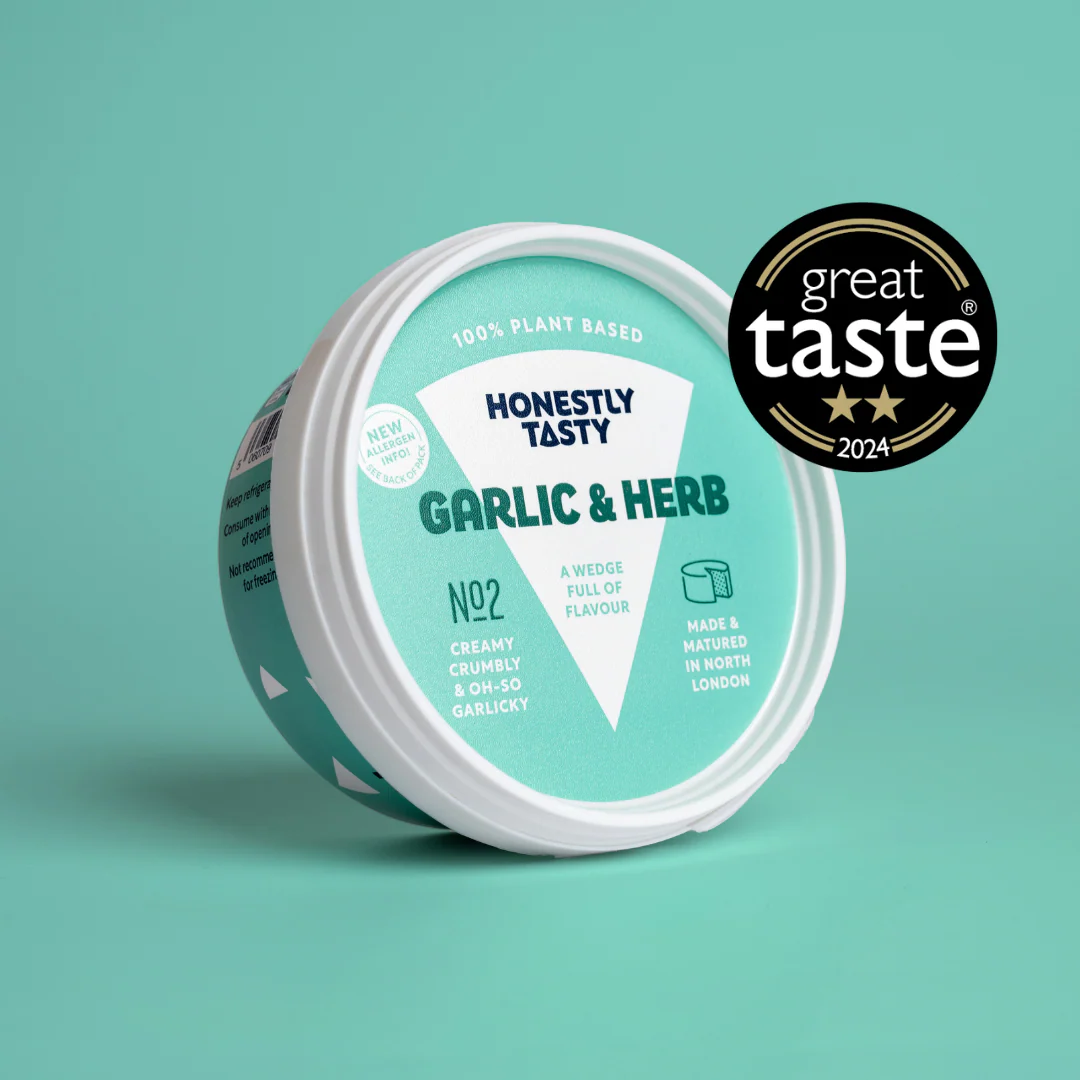
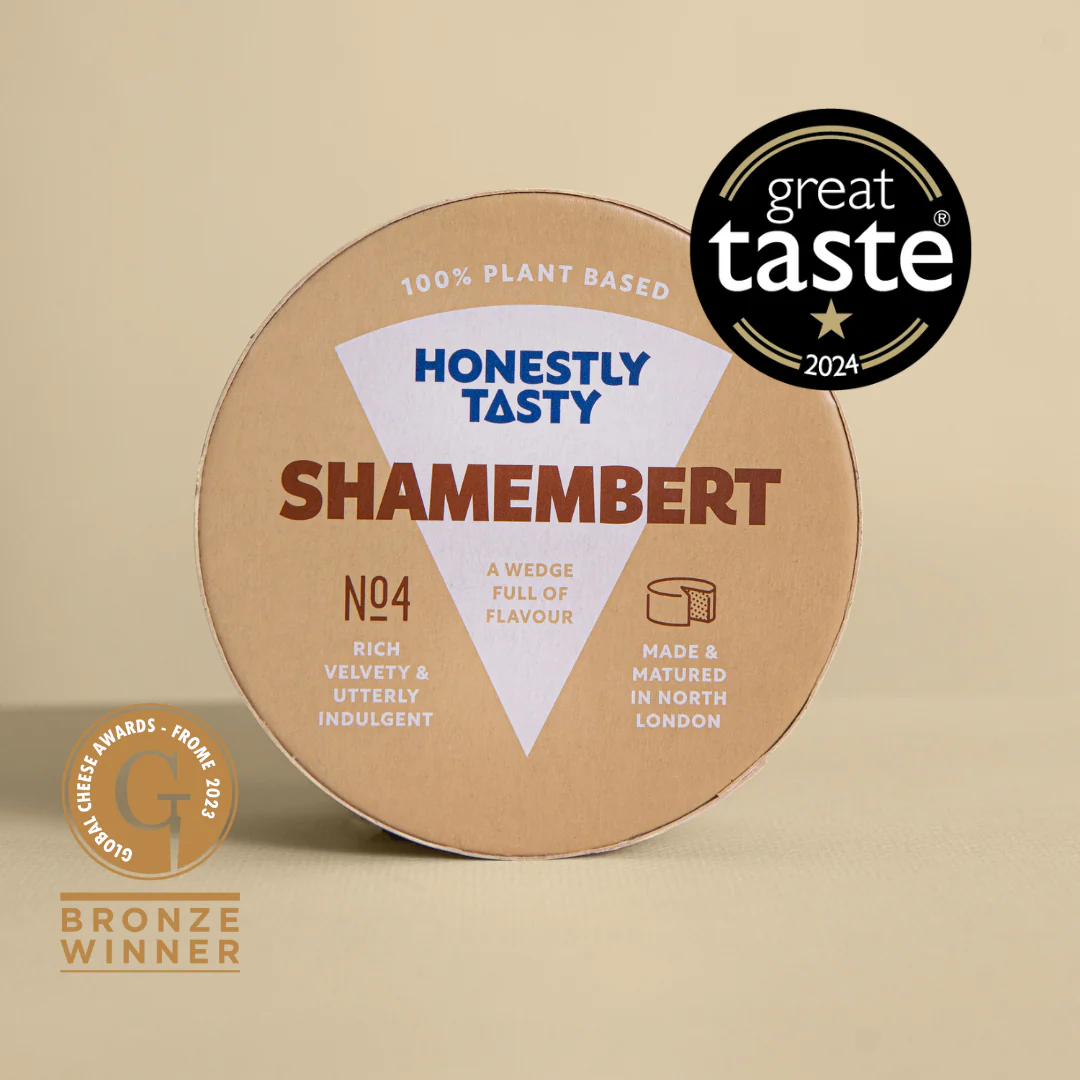
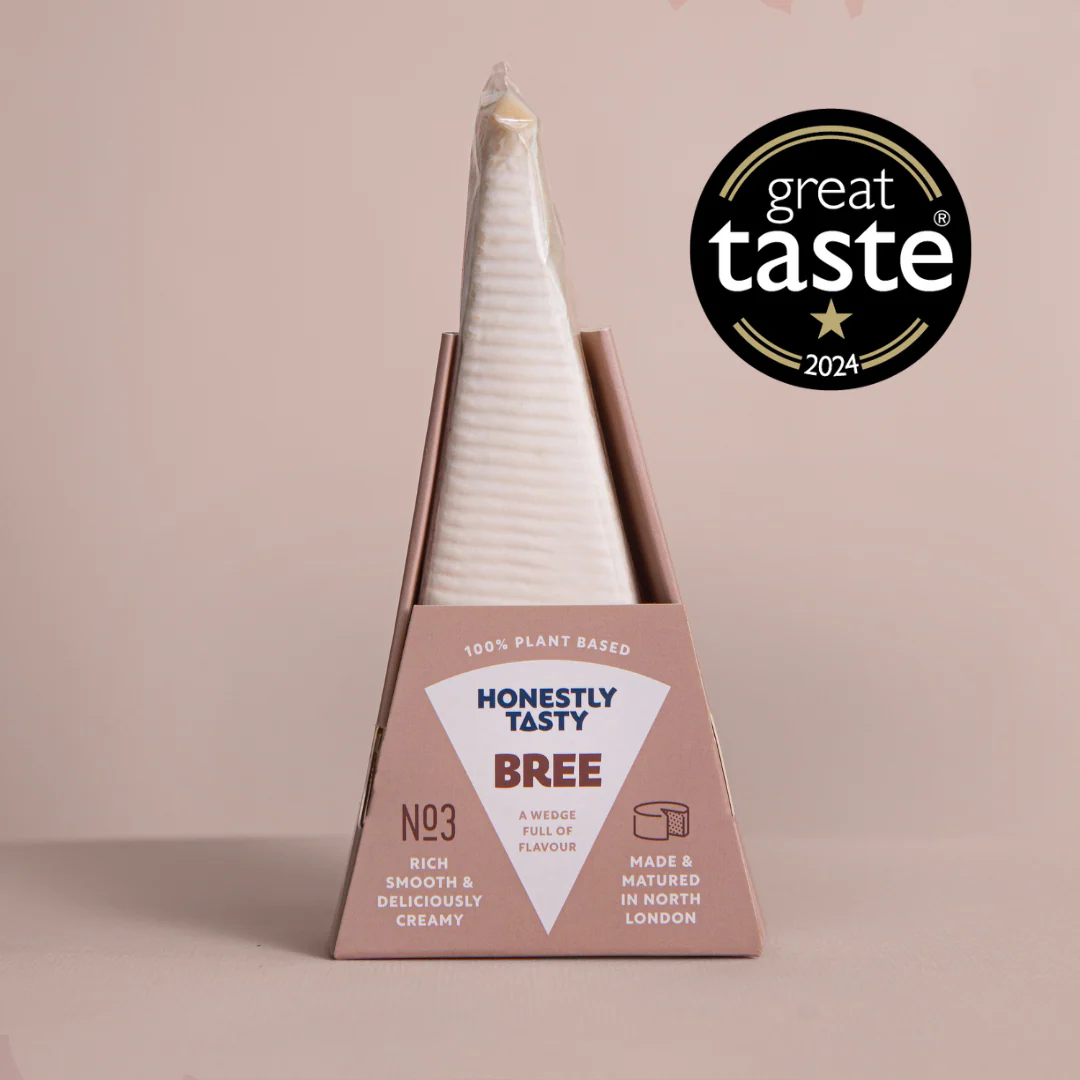
Honestly Tasty is one of the few artisan cheese alternatives sold at around 1000 stores including M & S, Ocado, Planet Organic and Selfridges.
All made from natural ingredients, the range includes Smoked Good (and Pretenslydale!), Bree, Shamembert and Garlic Herb (du pain, du vin, du Honestly Tasty!)
Kinda Co Vegan Cheese (handmade in Somerset)

Kinda Co is an award-winning brand of artisan che*se, in easy-to-recycle or compostable packaging. Most have a fridge life of around 10 weeks, but eat within a few days, once opened. You can freeze block cheeses on day of delivery for up to 6 months (thaw overnight in the fridge).
The range includes the following block cheeses (all melt so good to stir into mashed potatoes or pasta sauces). Or buy a ‘cheeseboard collection’ or subscribe to the monthly cheese club!

The range includes:
- Farmhouse (ideal with pickle for sandwiches)
- Smoked (with hand-harvested Dorset sea salt)
- Garlic & Chive (a French-inspired crumbly treat)
- Sweet Pepper (tangy and spicy, with small red peppers)
- Greek-Style (ideal for salad, pasta and pizza)
- Chilli (spicy paprika, for Mexican food)
- Italian-Style (a glass jar Parmesan alternative)
- Rikotta!: Ideal for Italian recipes like pasta or pizza)
- Mozzalloumi: A fusion cheese to replace mozzarella and halloumi)
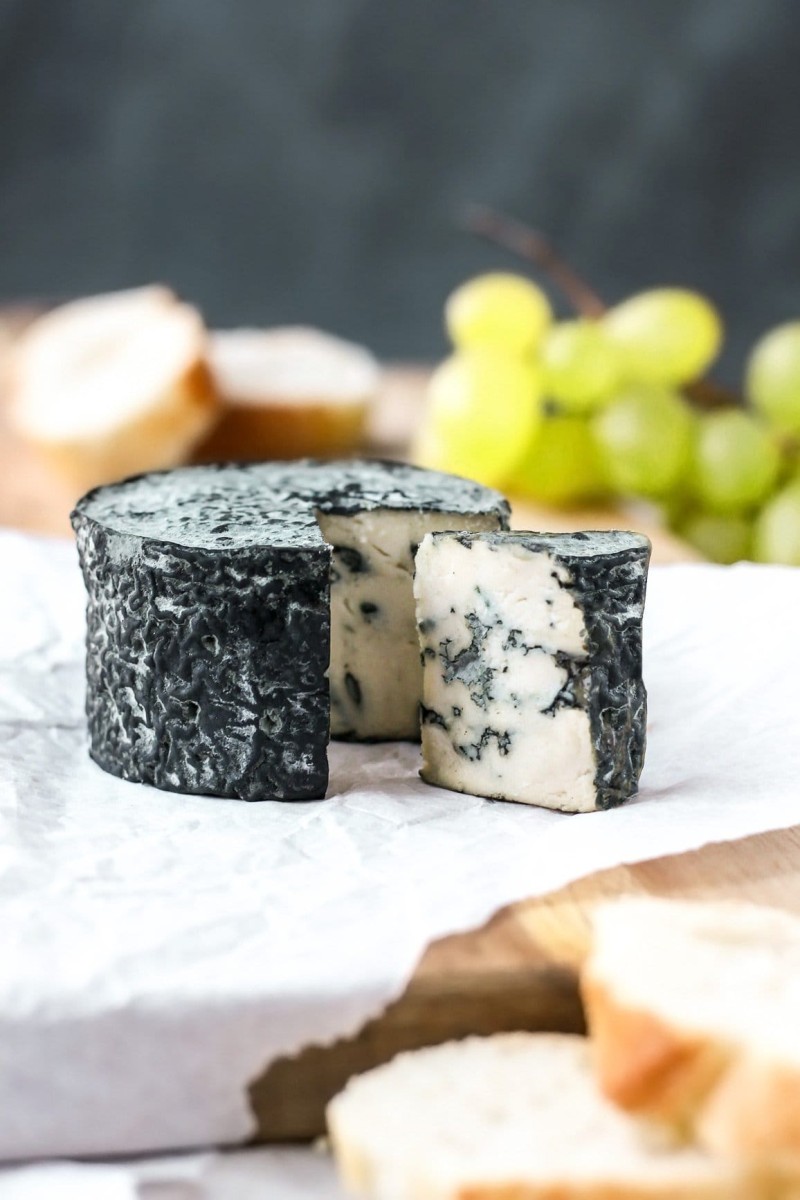
- Blue Cheese (with spirulina so check medication, nice with pear walnut salad)
Tyne Vegan Chease (from the North)
Tyne Chease (based just outside Newcastle) makes organic cashew cheeses (they don’t melt, more for cheeseboards, with fruit and wine).
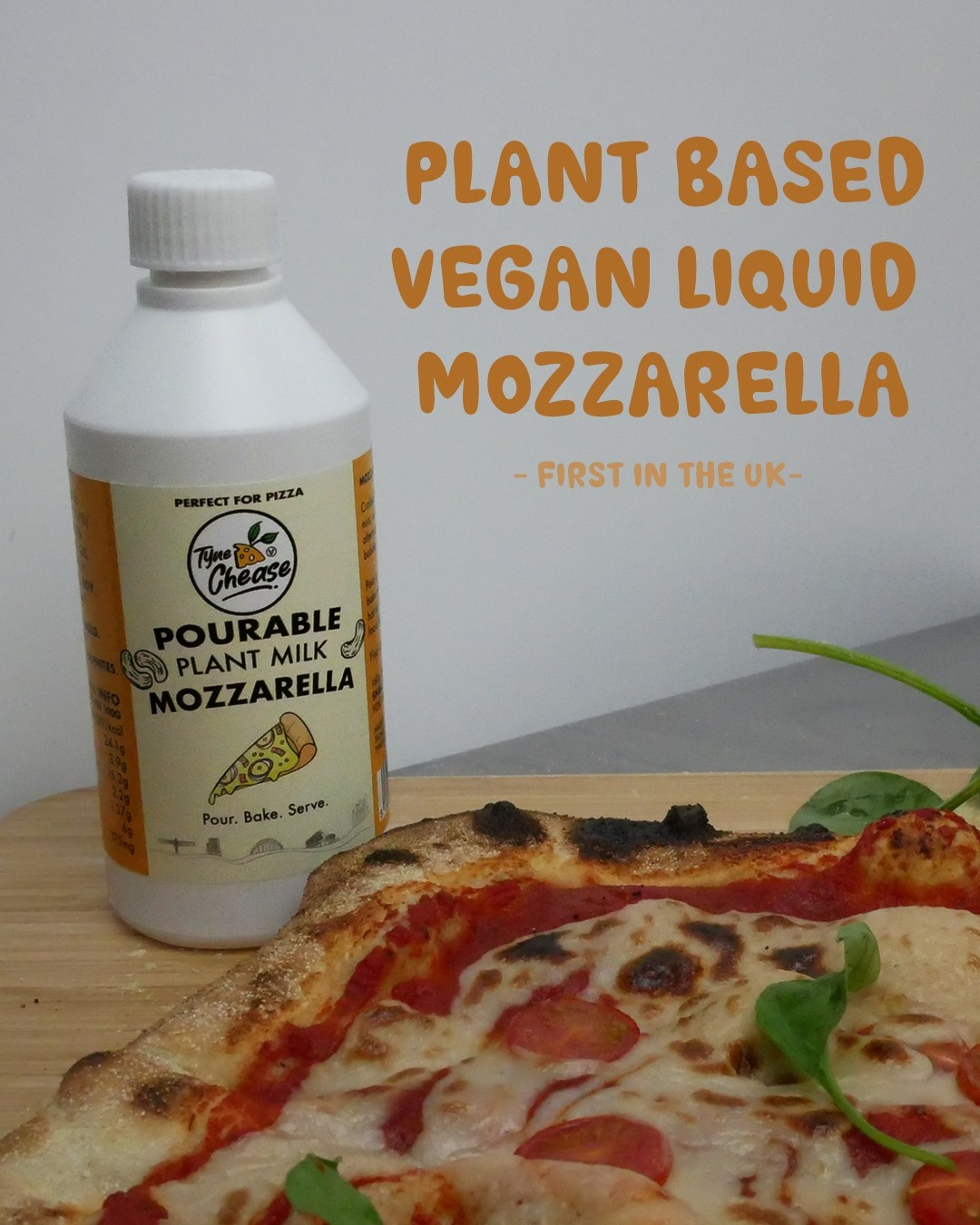
All have a tangy taste (apple-smoked, pink peppercorn, pickled onion, Ethiopian spice and cream cheeses in glass jars, plus a creamy nacho dip. It even makes vegan camembert! It has recently become the first UK company to introduce a plant-based liquid mozzarella alternative!
I Am Nut OK Vegan Cheese (from London city)
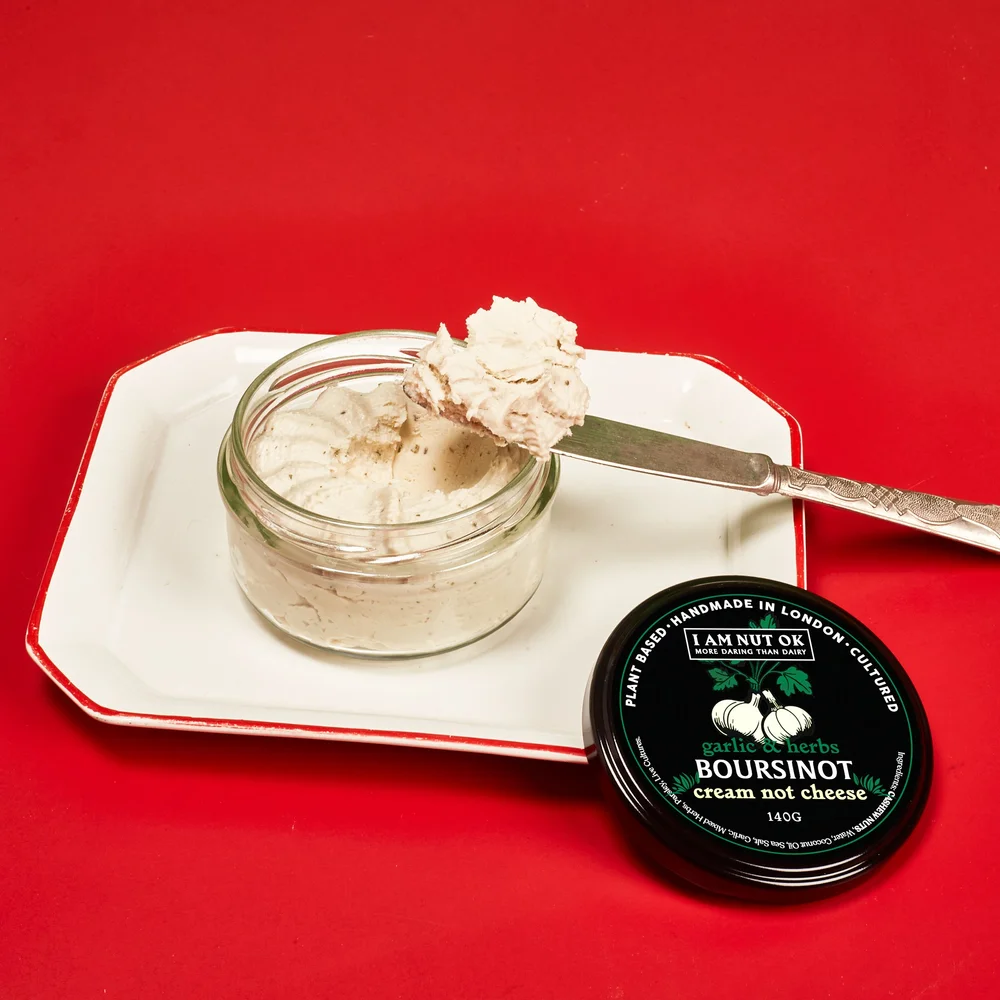
I Am Nut OK is a gourmet brand, founded by an American/Italian couple in London. It offers a nice non-dairy cheddar alternative, a ricotta alternative in a glass jar, Oh Grate! (a Parmesan alternative including a Ho! Ho! Ho! version with sage and onion) and an affordable ‘wonky wedge’ to combat food waste.
Palace Culture (plant-based organic cheeze)
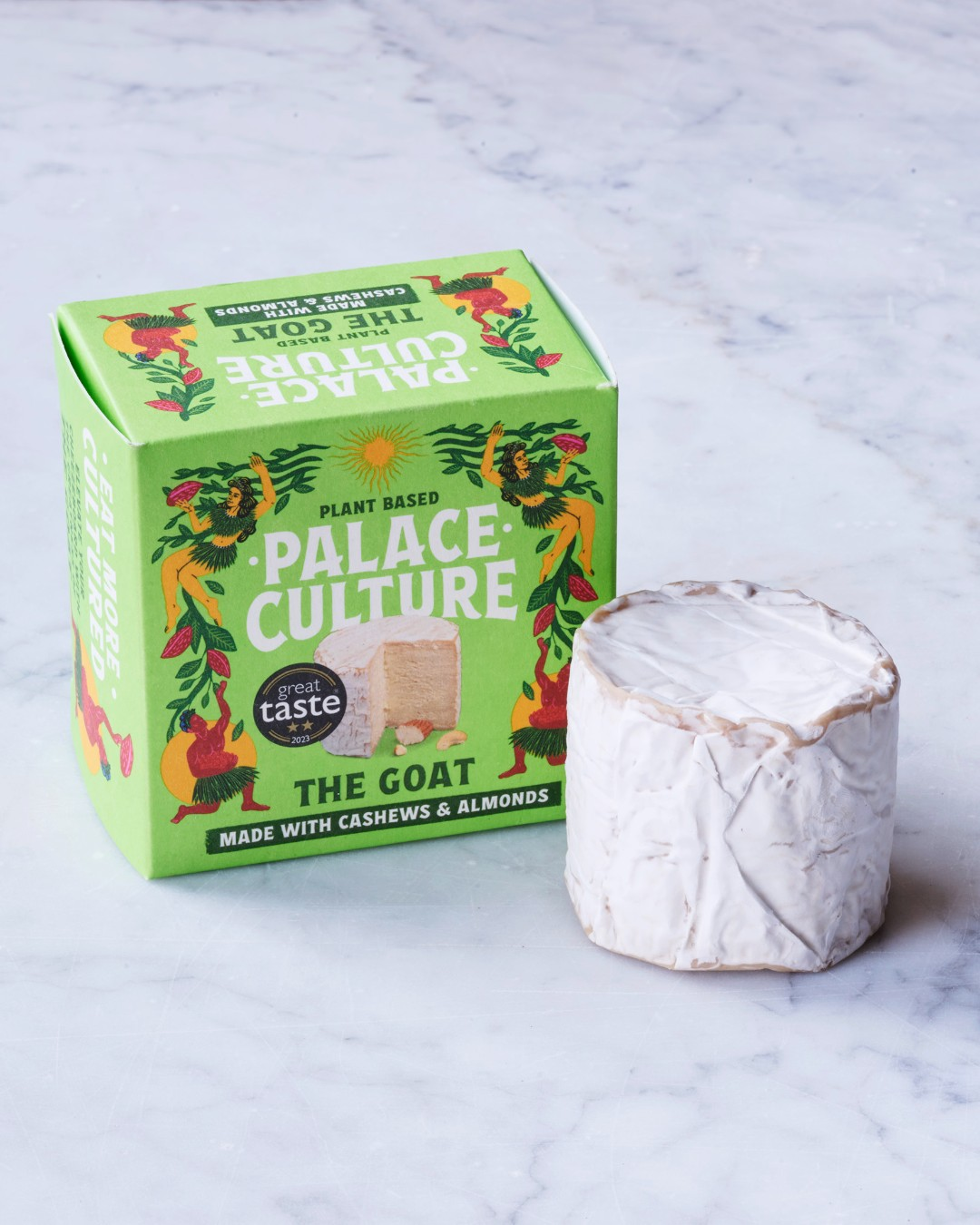
Palace Culture is also sold in groceries (including Waitrose). Began in a London family kitchen to deal with the founder’s son’s dairy intolerance, these are made from organic cashews and almonds (grown using regenerative farming methods in Spain):
- The Goat is a semi-soft moult-ripened cheeze with fermented cashews, almonds and live cultures.
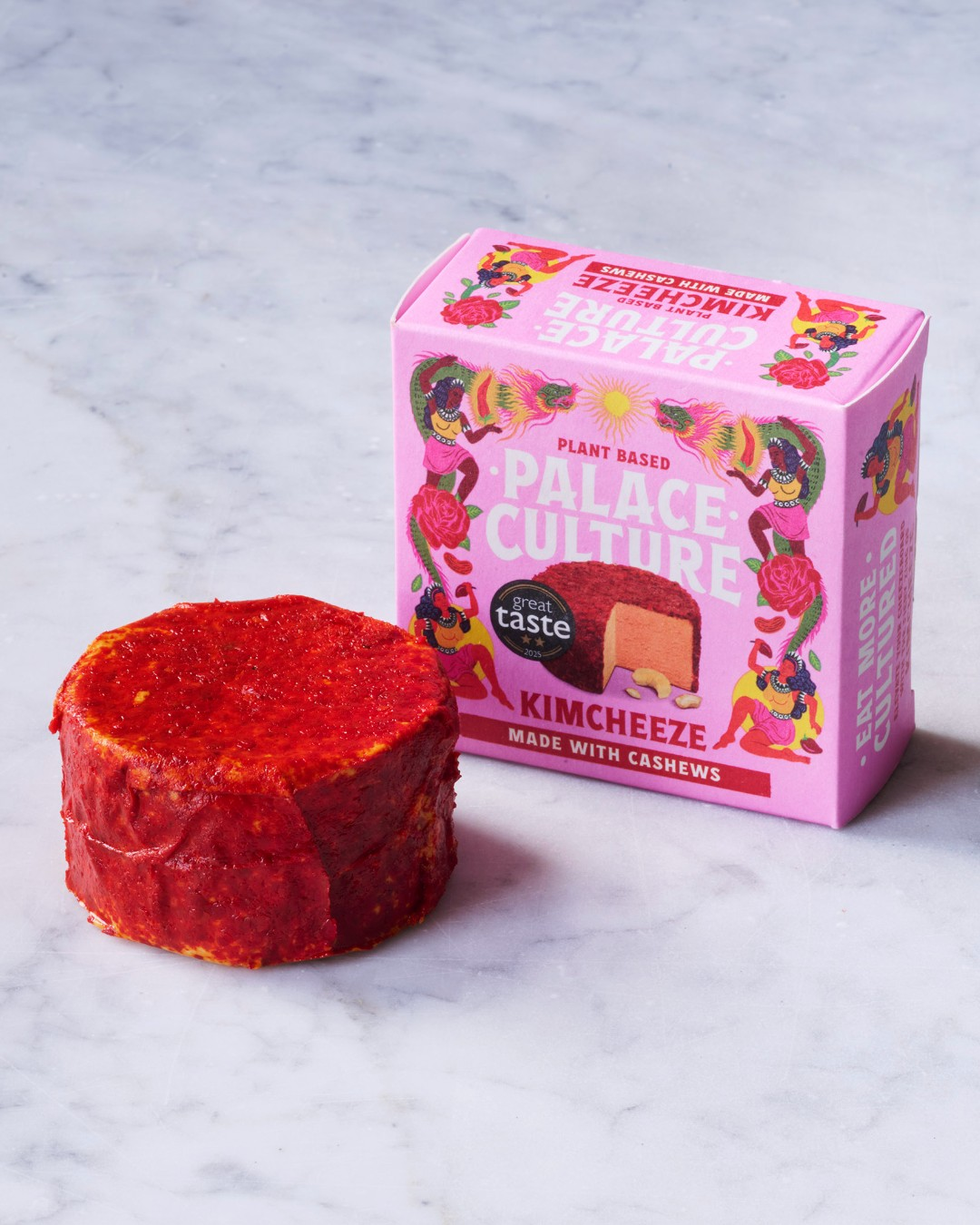
- Kimcheeze is a semi-soft cheeze with fermented cashew nuts, kimchi brine and live cultures, rolled in red chillies for a tangy heat.
Oat Milk Cheese Slices (inspiration from abroad)
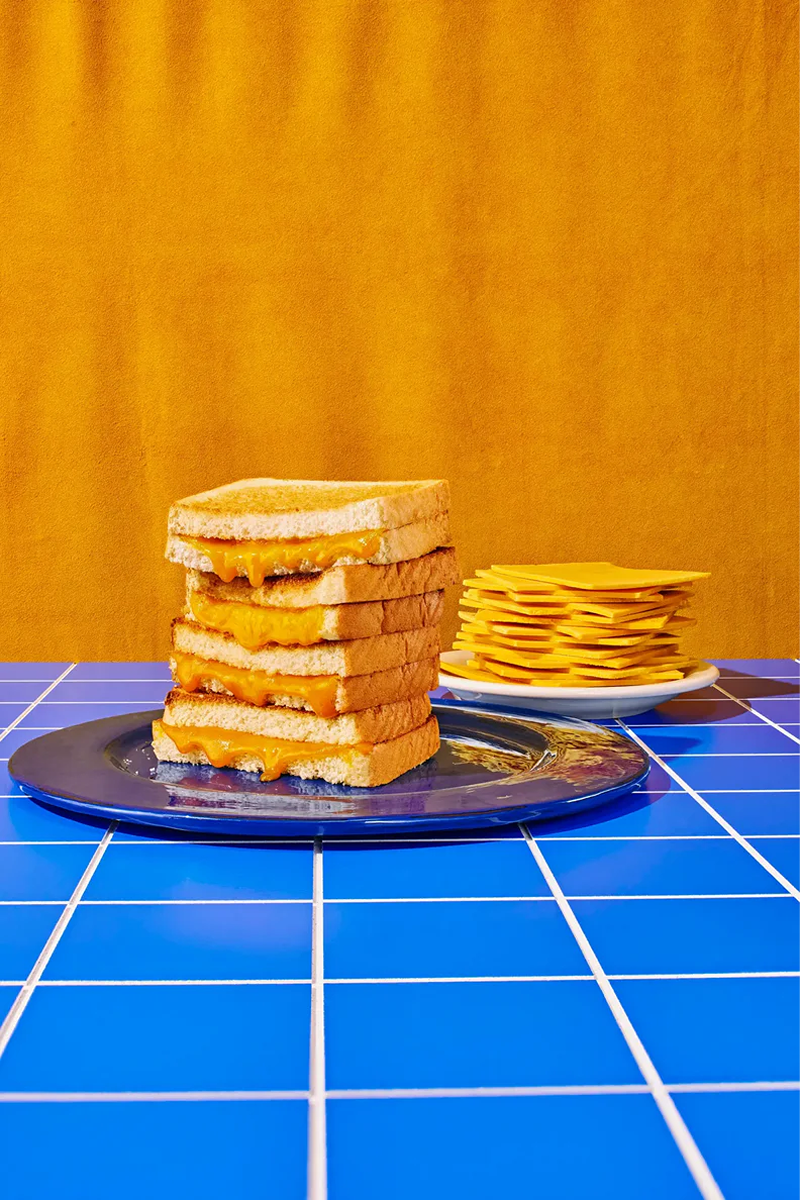
The USA has many plant-based cheese alternatives, and one successful brand is Miyoko’s Creamery. Not only does it make a fabulous oat milk butter, but also vegan cheese slices made from oat milk too! Ideal for comfort food sandwiches.
How to make your own vegan cheese
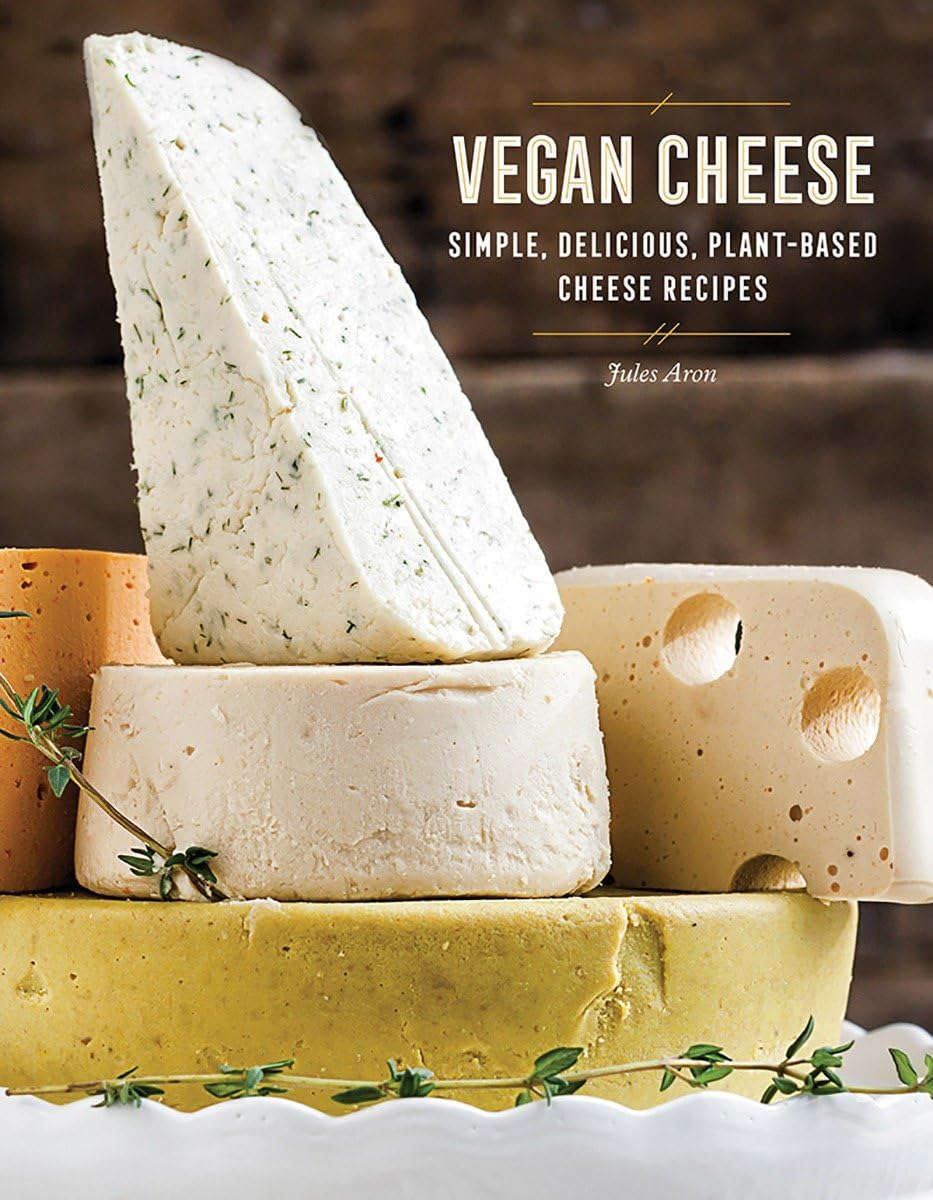
Truth be told, most of us are not going to bother. But most good plant-based recipe books have a few vegan cheese recipes, and there are even standalone books. If you’re a bit of a gourmet, try the recipes at Full of Plants (this French chef shows how to make everything from camembert to blue cheese!