Beachcombing Is Not Sustainable (leave things alone!)

Beachcombing looks harmless. It feels slow, calming, close to nature. You walk the tide line, spot a shell or a piece of sea glass, and slip it into your pocket. It barely seems to matter.
But beachcombing has a cost. Beaches are living systems, not free souvenir shops. Shells, stones, driftwood, seaweed, even worn glass can still serve a purpose where they are. When lots of people remove a little, the loss adds up. Wildlife loses shelter, shorelines lose natural material, and the beach becomes poorer in small, quiet ways.
Beaches are habitats first, scenery second.
Beachcombing may be popular, but it’s not really sustainable. Sand and pebbles are on beaches for a reason (they prevent coastal erosion, and shells in particular house small creatures from hermit crabs to insects. Even ‘crabbing’ can cause harm to injured creatures.
It’s actually illegal to remove sand and pebbles from beaches (also don’t remove driftwood, as again it provides essential habitats for wildlife).
If out walking, follow the Countryside Code to keep all creatures safe. Keep dogs on leads near steep banks (and away from toxic spring bulbs). If at the coast, read how to keep dogs safe by the seaside (check for beach bans, before travel).
Read how to keep dogs safe by the seaside. Also avoid walking on sand dunes, to avoid disturbing nests and native wildlife.
Natural beach materials provide important functions. Birds peck at broken shells and seaweed, for food and nesting.
Leave Seaweed Alone
Harvesting seaweed (without knowing what you are doing) can harm shrimp habitats. Experts just ‘give seaweed a haircut’, without removing the roots.
Keep dogs away from seaweed fronds. They can expand in the stomach, once dry.
What About Sea Glass?
Sea glass is broken bottle litter washed smooth by the waves, to create jewellery. As long as it’s not disturbing habitats, this is okay used to make beautiful jewellery. Your earrings may have been a pirate’s beer bottle from hundreds of years ago. Shiver me timbers!
Why are Beaches Sandy or Pebbly?
It just depends on the beach. Cliff areas have stronger higher waves, so more pebbles. Sandy beaches tend to have gentler waves. The colour of sand depends on what it’s made from (iron oxide makes sand brown, Caribbean coral makes sand white or pink).
Something Likely Lives in What You Take
Whether it’s a tiny creature living inside a shell, a hermit crab living inside a bigger shell, or even nesting materials for birds, usually things on the beach are there for a reason, and should be left alone.
Shells (even fragments) prevent erosion on coasts, by helping to stabilise the sand and shore, and are made from calcium carbonate, which breaks down over time to form new sand, which re-enters the ocean’s nutrient cycle, for new shells to form.
Algae and sponges often attach themselves to shells, and these provide food and shelter for other creatures, not when they are displayed on your mantelpiece.
In fact, in many countries it’s illegal to take anything from the beach (in Italy, you’ll have a policeman with a gun after you, with an official warning).
And although it’s not so well-known in the UK, we have the Coast Protection Act 1949, which also forbis removing sand, pebbles and shells from public beaches. In Florida, if you remove the queen conch shell, you could go to jail.
If you would never kill a live animal for a souvenir, then don’t take shells from beaches or shops, as they often are home to living creatures.
Empty shells, seaweed and driftwood still help living things
An empty shell isn’t always just an empty shell. Hermit crabs can move into it. Small animals can hide under it. As it breaks down, it returns calcium to the shore. So even a broken shell still has value.
The same goes for seaweed. When it washes up, people often treat it as mess. Yet seaweed holds moisture, feeds insects, and supports tiny beach food chains. Birds search through it for food. Small creatures shelter in it. Remove the wrack line, and you strip away a feeding ground.
Driftwood works in a similar way. It gives insects a place to live. It creates shade and damp spots in hot weather. On some beaches, birds rest near it, and seedlings can take hold around it. What looks dead can still be busy.
This is the part people miss. Nature doesn’t divide things neatly into useful and useless. A shell on a shelf at home is decoration. A shell on a beach may be shelter, food, cover, or future sand.
Taking natural material can slowly change how a beach works
Beaches are built from loose material. Pebbles, shells, wood and sand shift with wind and tide. That movement is normal. It helps shape the shore.
When people remove those materials, even in small amounts, they chip away at that balance. Pebbles and shells can help absorb wave energy. Driftwood can trap sand. Natural debris can help protect dunes, which then protect land behind them.
One family taking a handful of shells won’t remake a coastline overnight. That’s true. But beaches near towns and holiday spots may see hundreds or thousands of visitors in a week. If each person takes a “small” memento, the total stops being small.
This is why the common defence, “It’s only one shell”, falls short. Environmental pressure often works by accumulation. Bit by bit, tide after tide, visitor after visitor, the beach loses material it would otherwise keep cycling.
Why beachcombing becomes unsustainable when everyone does it
The problem isn’t only the object someone takes. It’s also the habit behind it. Beachcombing turns nature into something to collect, and that idea spreads fast.
On a quiet shore with few visitors, the impact may seem slight. On a popular beach, that same habit scales up very quickly. So the question isn’t whether one shell matters in isolation. It’s what happens when a whole culture treats beaches like display cabinets.
Social media and tourism turn small habits into big pressure
Holiday traditions play a part. Many people grew up bringing home shells, stones or bits of driftwood. It feels normal because it has long been normal.
Now social media adds another push. A neatly arranged photo of sea glass, coral fragments or striped shells can make collecting look harmless, even tasteful. Yet online trends flatten context. They show the treasure, not the stripped beach behind it.
Popular resorts feel this pressure most. So do small coves that suddenly become fashionable. A beach doesn’t need heavy machinery to be worn down. It only needs steady attention from lots of people taking a little each time.
This is the plain maths of it. One feather, one pebble, one shell, multiplied by thousands, becomes removal on a real scale. And because each person feels innocent, the damage is easy to ignore.
Some beaches and countries already restrict what you can take
Many places already recognise this problem. Rules vary, but some beaches, parks and protected coasts limit or ban the removal of shells, stones, coral, sand, wood or other natural material.
That matters for a simple reason. This isn’t just a personal preference or a fussy opinion. It’s an accepted conservation issue in many parts of the world.
Some rules protect wildlife. Others protect heritage or coastal processes. In a few places, taking beach material can lead to fines. In others, it’s banned only in nature reserves or marine parks. Either way, the message is clear: leave the beach in place.
Before visiting, check local guidance. A quick look at signs, park notices or council advice can save trouble and reduce harm.
Take photos, notice wildlife, and enjoy the find without keeping it
There are gentler ways to keep the moment. Take a photo of the shell where it lies. Sketch it in a notebook. Use a nature app or field guide to identify what you’ve found, then leave it there.
With children, this can work well. Let them gather a few things for a minute, talk about shapes and colours, then put everything back. That keeps the sense of discovery without teaching that every find should go home.
Birdwatching helps too. So does looking into rock pools without touching what’s inside. Wonder doesn’t shrink when ownership disappears. In many cases, it grows.
Leave natural things, remove litter, and respect protected areas
A few low-impact habits go a long way:
- Leave natural material where it is: shells, stones, seaweed and driftwood all belong to the beach.
- Stick to paths near dunes: trampling damages fragile plants and weakens the area.
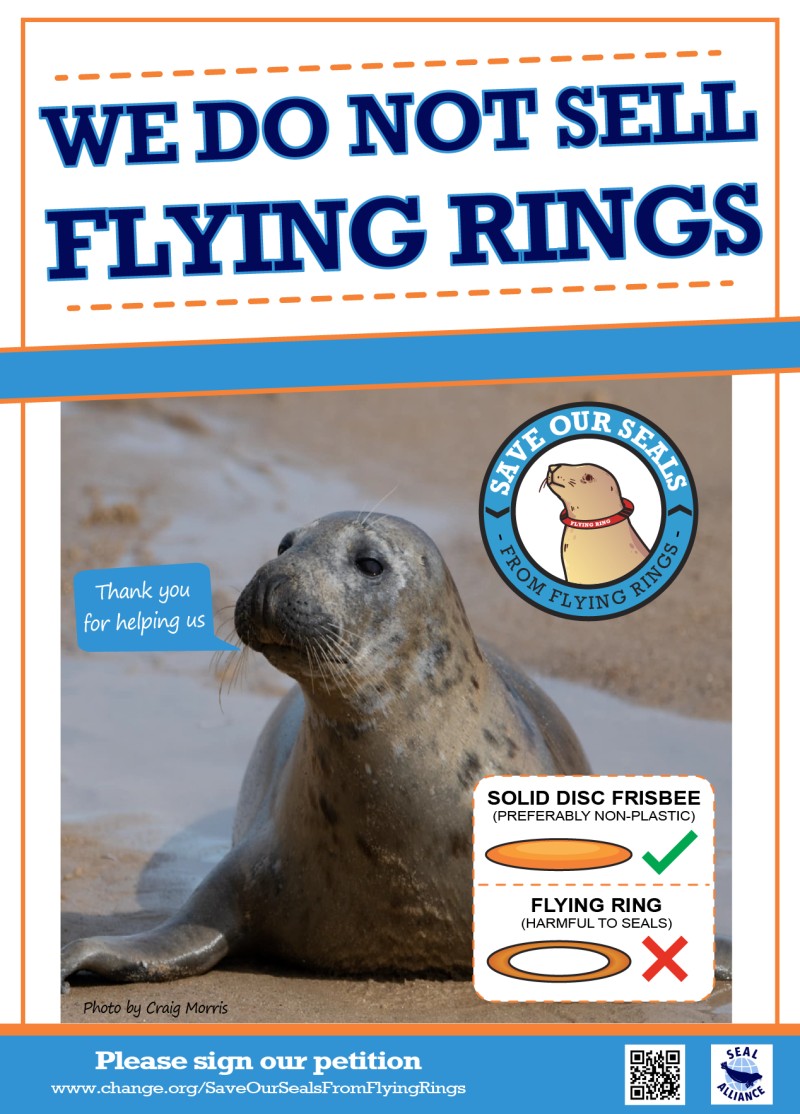
- Give wildlife space: avoid nesting birds, resting seals and crowded rock pools.
- Take rubbish home: better still, pick up litter if it’s safe to do so.
These actions are simple, but they shift the whole mood of a visit. You stop treating the beach as a place to take from, and start treating it as a place to care for.
Beachcombing feels innocent because the harm is scattered and easy to miss. Still, it adds up. Shells, wood, seaweed and stones are part of how a beach lives and protects itself. Sustainability isn’t only about what you pick up. It’s also about what you choose to leave behind. If a beach gives you calm, colour and fresh air, that’s already plenty. Let it keep its own treasures.