Why Beachcombing is Not a Sustainable Hobby
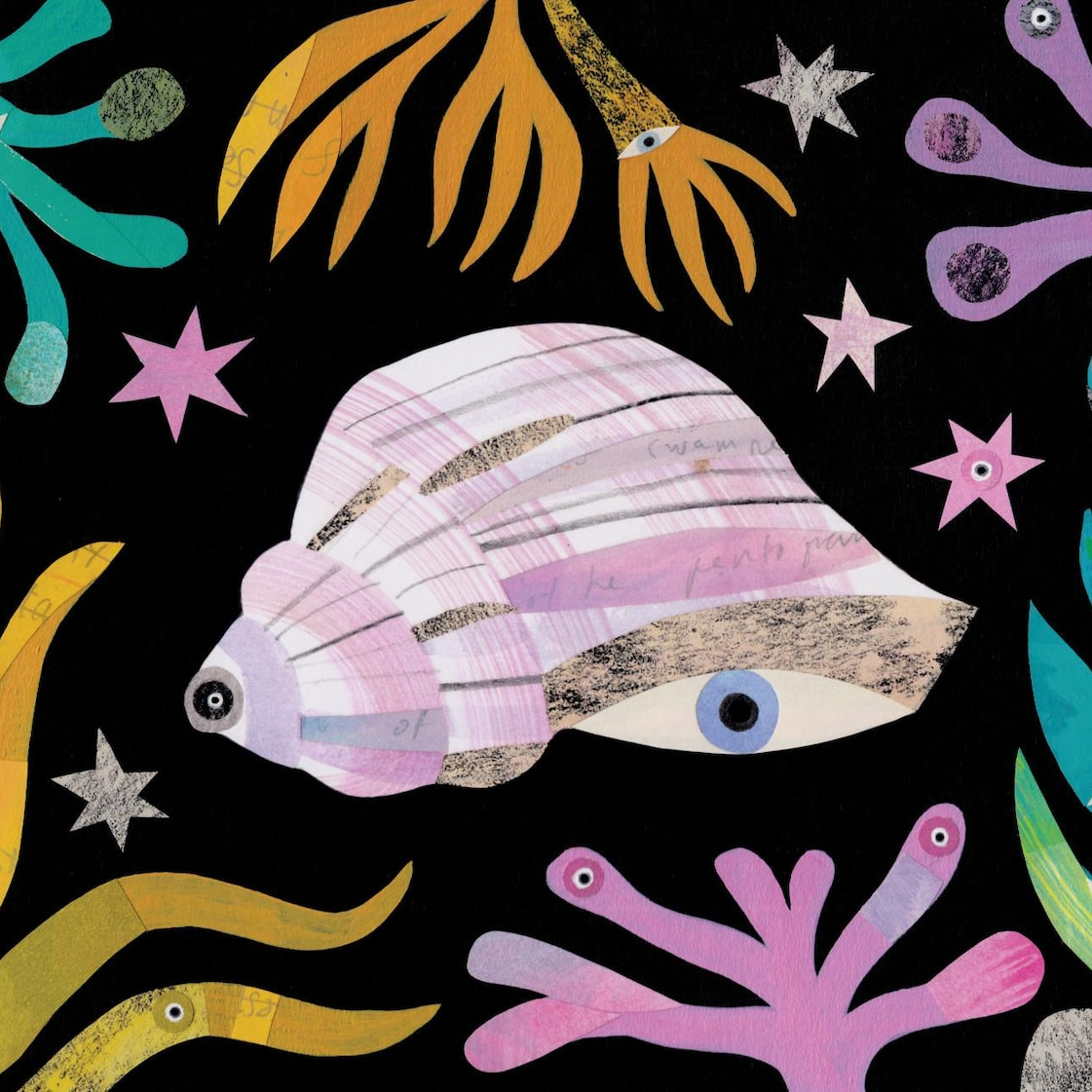
Beachcombing may be popular, but it’s not really sustainable. Sand and pebbles are on beaches for a reason (they prevent coastal erosion, and shells in particular house small creatures from hermit crabs to insects. Even ‘crabbing’ can cause harm to injured creatures.
Beaches are habitats first, scenery second.
It’s actually illegal to remove sand and pebbles from beaches (also don’t remove driftwood, as again it provides essential habitats for wildlife).
At the coast, keep away from nesting birds and never walk on sand dunes. Learn how to keep dogs safe by the seaside (check beach bans before travel).
Leave seaweed alone
Harvesting seaweed (without knowing what you are doing) can harm shrimp habitats. Experts just ‘give seaweed a haircut’, without removing the roots.
Keep dogs away from seaweed fronds. They can expand in the stomach, once dry.
Driftwood gives insects places to live
Driftwoods creates shade and damp spots in hot weather. On some beaches, birds rest near it, and seedlings can take hold around it. What looks dead can still be busy.
Don’t remove sand, pebbles, shells or driftwood from beaches (these prevent coastal erosion, the latter two often home to tiny marine creatures). Don’t remove fallen leaves either, they are likely home to tiny insects.
Something likely lives in nearly everything
Whether it’s a tiny creature living inside a shell, a hermit crab living inside a bigger shell, or even nesting materials for birds, usually things on the beach are there for a reason, and should be left alone.
Shells (even fragments) prevent erosion on coasts, by helping to stabilise the sand and shore, and are made from calcium carbonate, which breaks down over time to form new sand, which re-enters the ocean’s nutrient cycle, for new shells to form.
Algae and sponges often attach themselves to shells, and these provide food and shelter for other creatures, not when they are displayed on your mantelpiece.
In fact, in many countries it’s illegal to take anything from the beach (in Italy, you’ll have a policeman with a gun after you, with an official warning).
And although it’s not so well-known in the UK, we have the Coast Protection Act 1949, which also forbids removing sand, pebbles and shells from public beaches. In Florida, if you remove the queen conch shell, you could go to jail.
If you would never kill a live animal for a souvenir, then don’t take shells from beaches or shops, as they often are home to living creatures.
What about sea glass?
Sea glass is broken bottle litter washed smooth by the waves, to create jewellery. As long as it’s not disturbing habitats, this is okay used to make beautiful jewellery. Your earrings may have been a pirate’s beer bottle from hundreds of years ago. Shiver me timbers!
Why are beaches sandy or pebbly?
It just depends on the beach. Cliff areas have stronger higher waves, so more pebbles. Sandy beaches tend to have gentler waves. The colour of sand depends on what it’s made from (iron oxide makes sand brown, Caribbean coral makes sand white or pink).
Leave seaweed alone (also not safe near dogs)
England has over 600 species of seaweed, though you won’t see many, as most live under the sea. Although seaweed can be hand-harvested in small quantities for various uses, its real purpose is to provide shelter and nursery habitats for marine creatures.
Seaweed absorbs nitrogen and phosphorus from run-off, to help prevent ocean pollution. Unless you know what you are doing, don’t harvest seaweed yourself (experts just ‘give it a haircut’ without disturbing the roots). As one person wrote ‘It’s seaweed to you, but the universe to a shrimp!)
Keep dogs away from seaweed, as they often like to play with the fronds or even eat it. But as well as being salty, wet seaweed expands in the stomach as it dries. lso don’t walk on seaweed yourself (to protect it, and to prevent slipping over).
Isles of Scilly Wildlife Trust has a good guide to the main species of English seaweed. The most common are:
- Bladderwrack (this has a ‘bubble wrap’ appearance and provides habitat for many ocean creatures).
- Sugar kelp is named due to the white powder residue left behind (its other name is Poor Man’s Weather Glass, as people use to hang dried fronds outside to predict whether rain was on the way, depending if they stayed dry or not).
- Sea lettuce does indeed look like lettuce leaves, and is used to make Welsh laver bread.
- Carrageen is a reddish seaweed, often used in vegan gelatine alternatives, to set puddings.