Biodegradable Cleaning Brands (and removing stains)

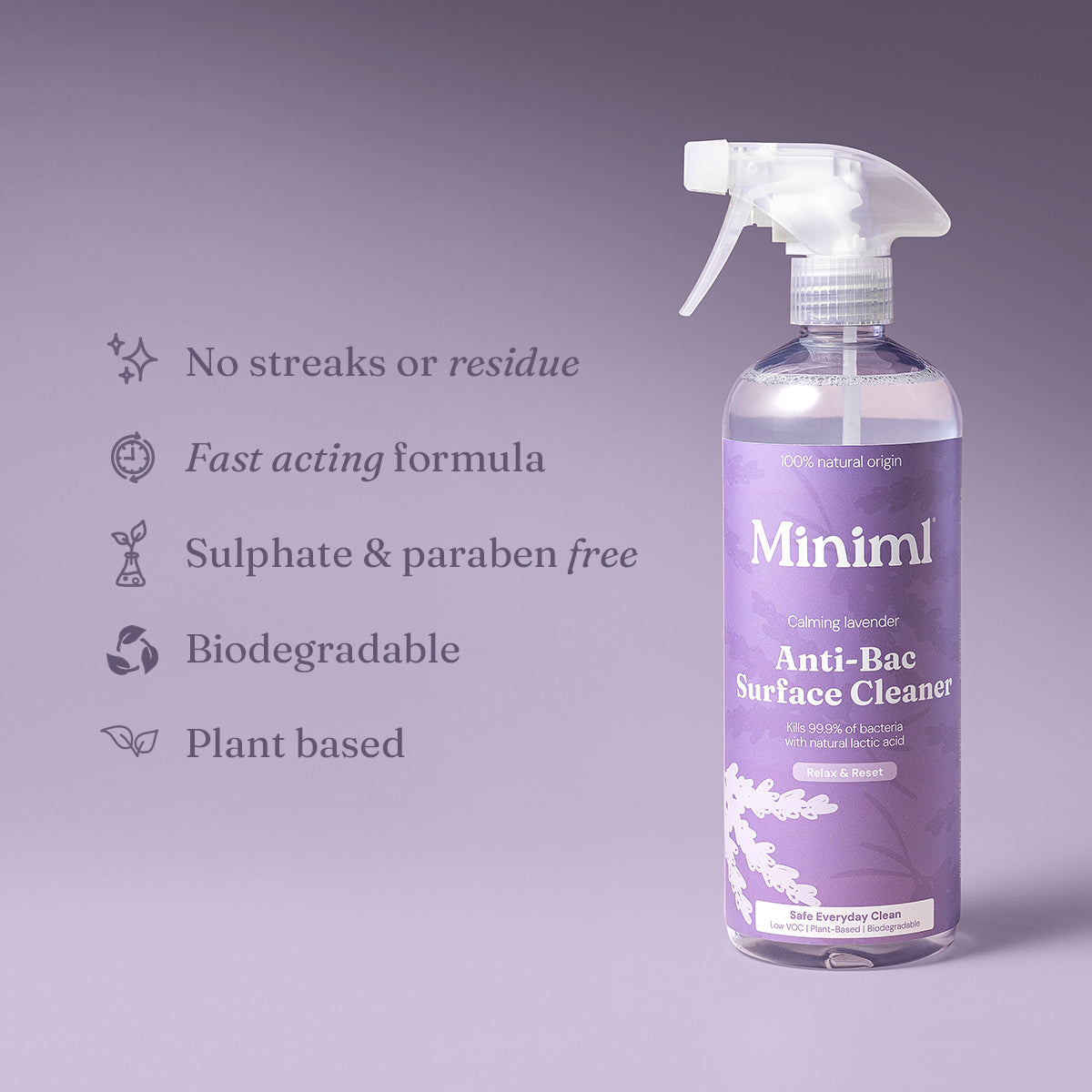
Miniml is a range of eco cleaning products. Everything is made with natural ingredients (and naturally scented) and sold in refillable containers. Made in Yorkshire with local water!
Use with plastic-free cloths and sponges. Choose Unscented for pregnancy/nursing and when cleaning near babies or pets (citrus oils are toxic to pets). Never mix vinegar or lemon juice with any bleach (causes toxic gas). For half-full bottles of chemical liquids, don’t pour down drain (dispose of at your local tip).

You can either find a local store to refill, or send back items empty (using QR codes) to get the containers washed and sent back to you with new product. You also get discounts when subscribing online.
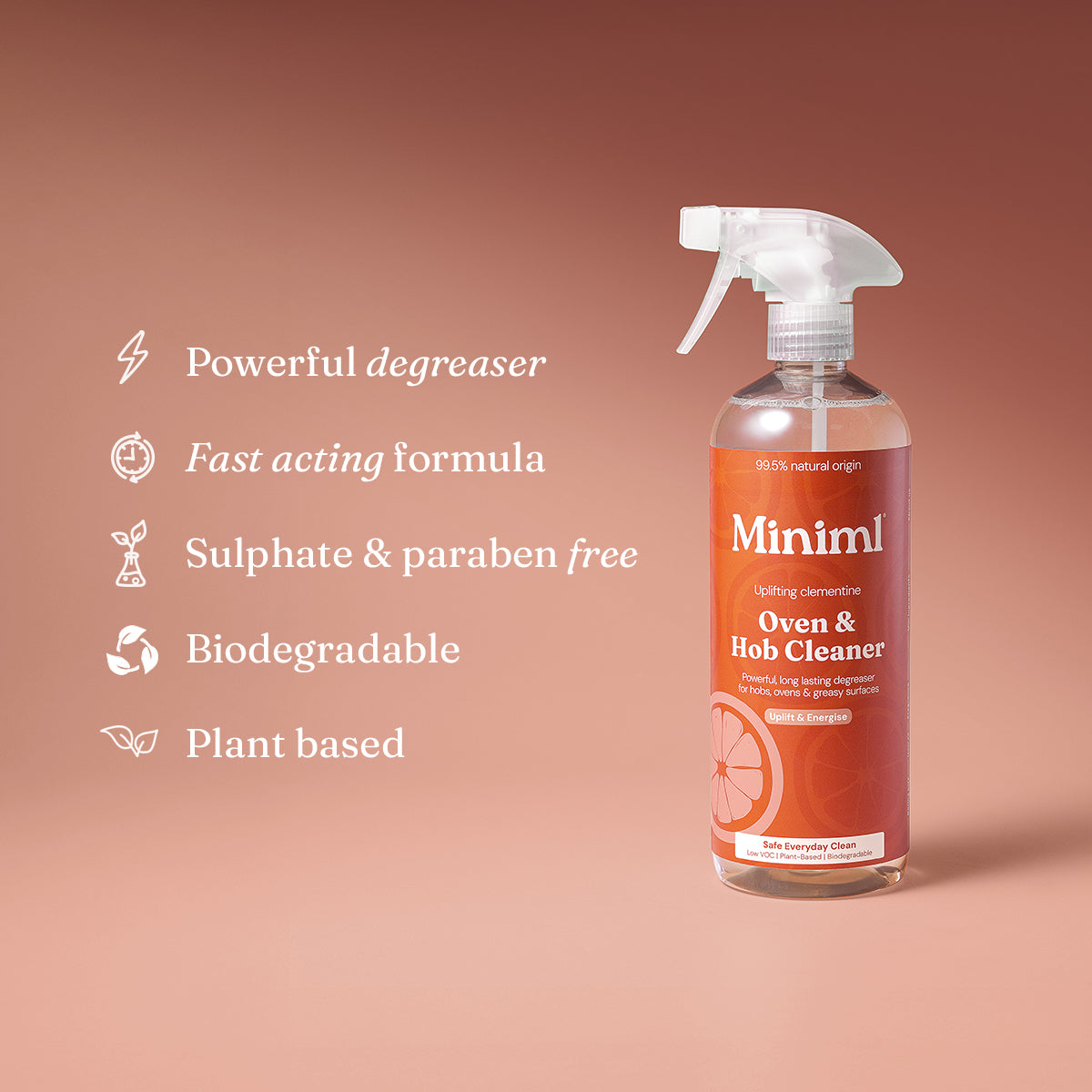
- Clementine Oven/Hob Cleaner is ideal to dissolve grease and burnt-on grime, to leave your oven and hob sparkling clean. Just spray on, let it sit for 5 minutes, then wipe with a clean sponge or cloth, repeat if necessary.
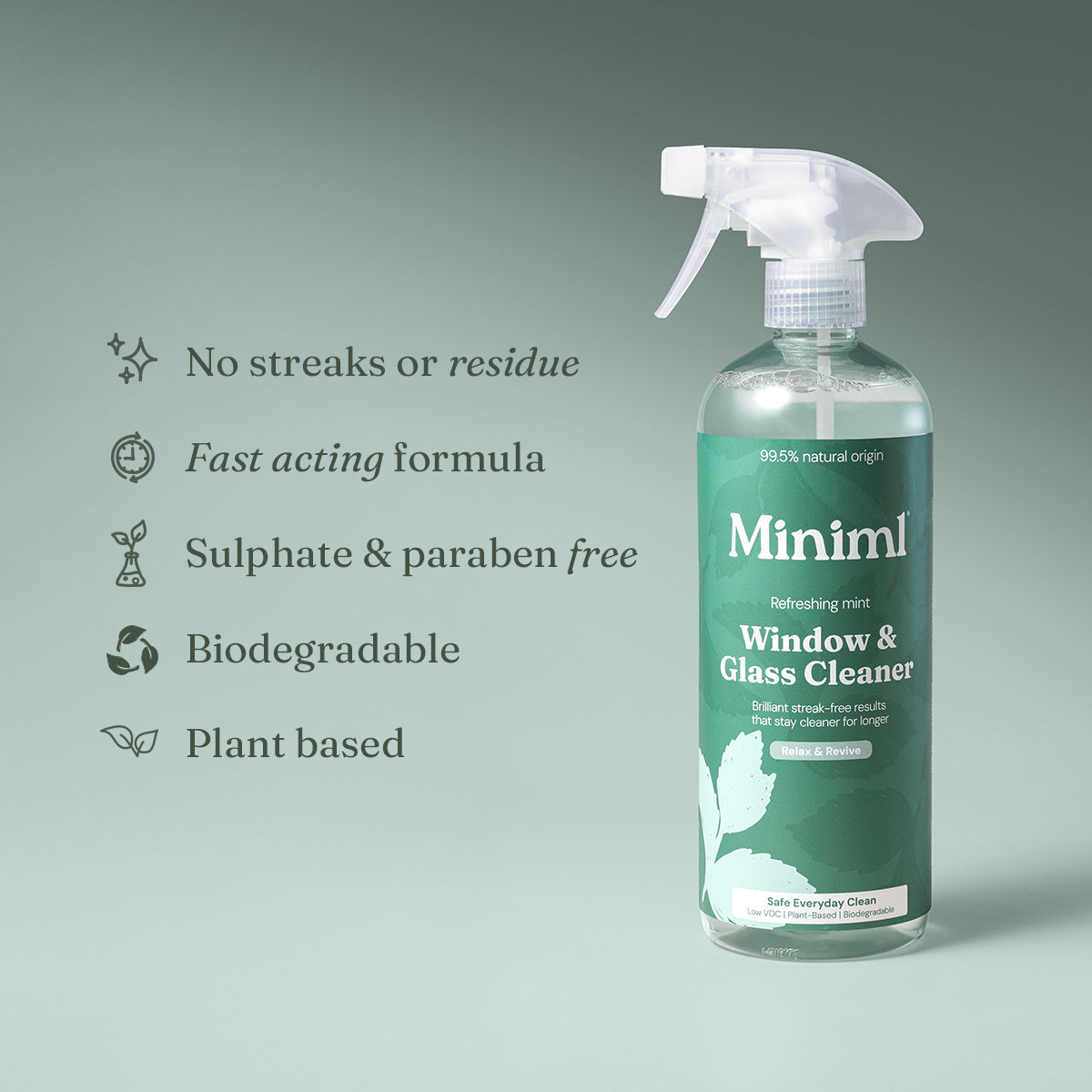
- Mint Window/Glass Cleaner wipes away fingerprints, dust and marks, to leave glass streak-free and sparkling. Just spray on and wipe in a circular motion.
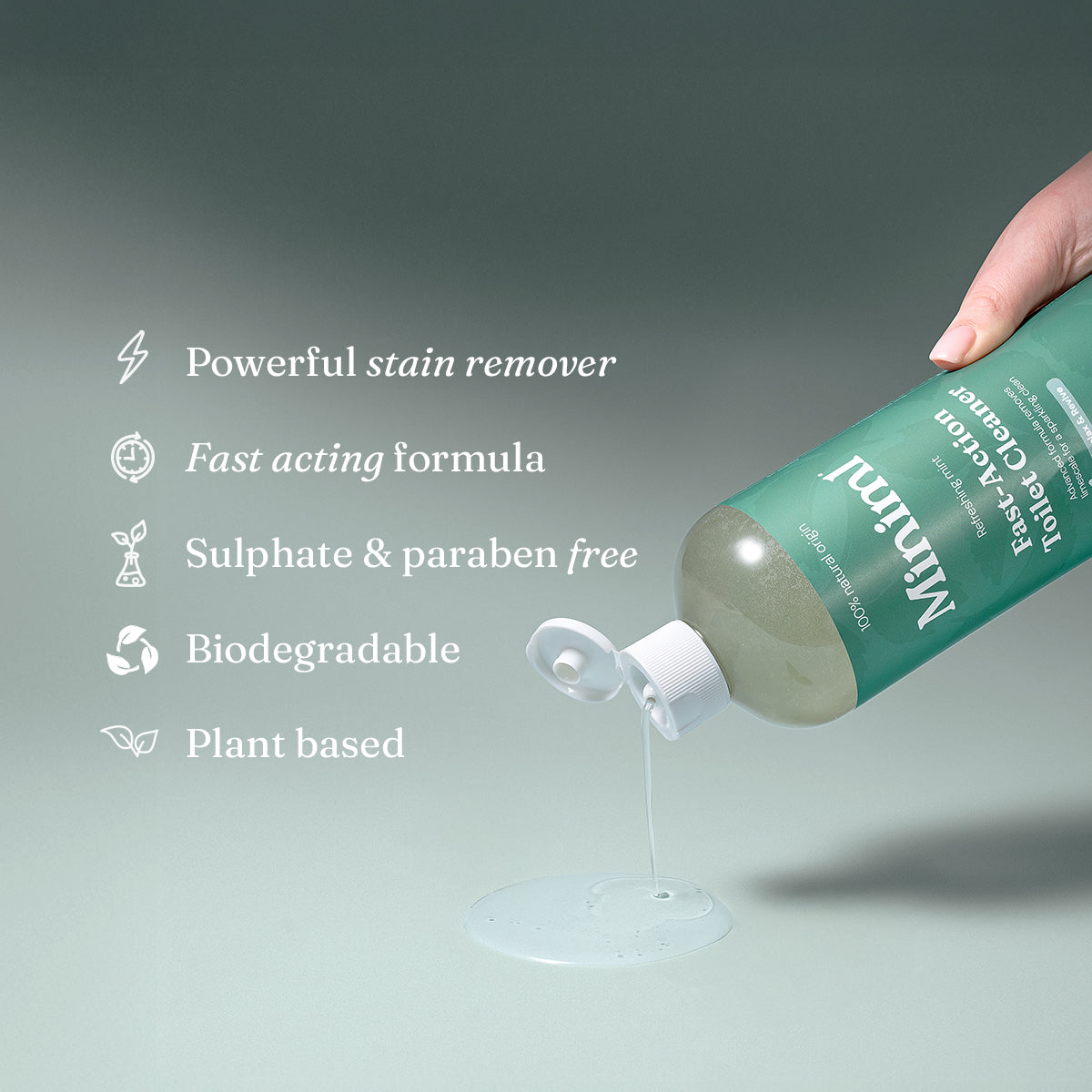
- Spearmint Peppermint Toilet Cleaner is a nontoxic gel cleaner with citric acid. Pour around the top of the bowl and allow to run down the sides. Leave for at least 5 to 10 minutes, before flushing to rinse clean. Use a plastic-free sponge to remove tough stains (we don’t recommend toilet brushes as even the silicone ones contain microplastics). Also safe to use on urinals and bidets.
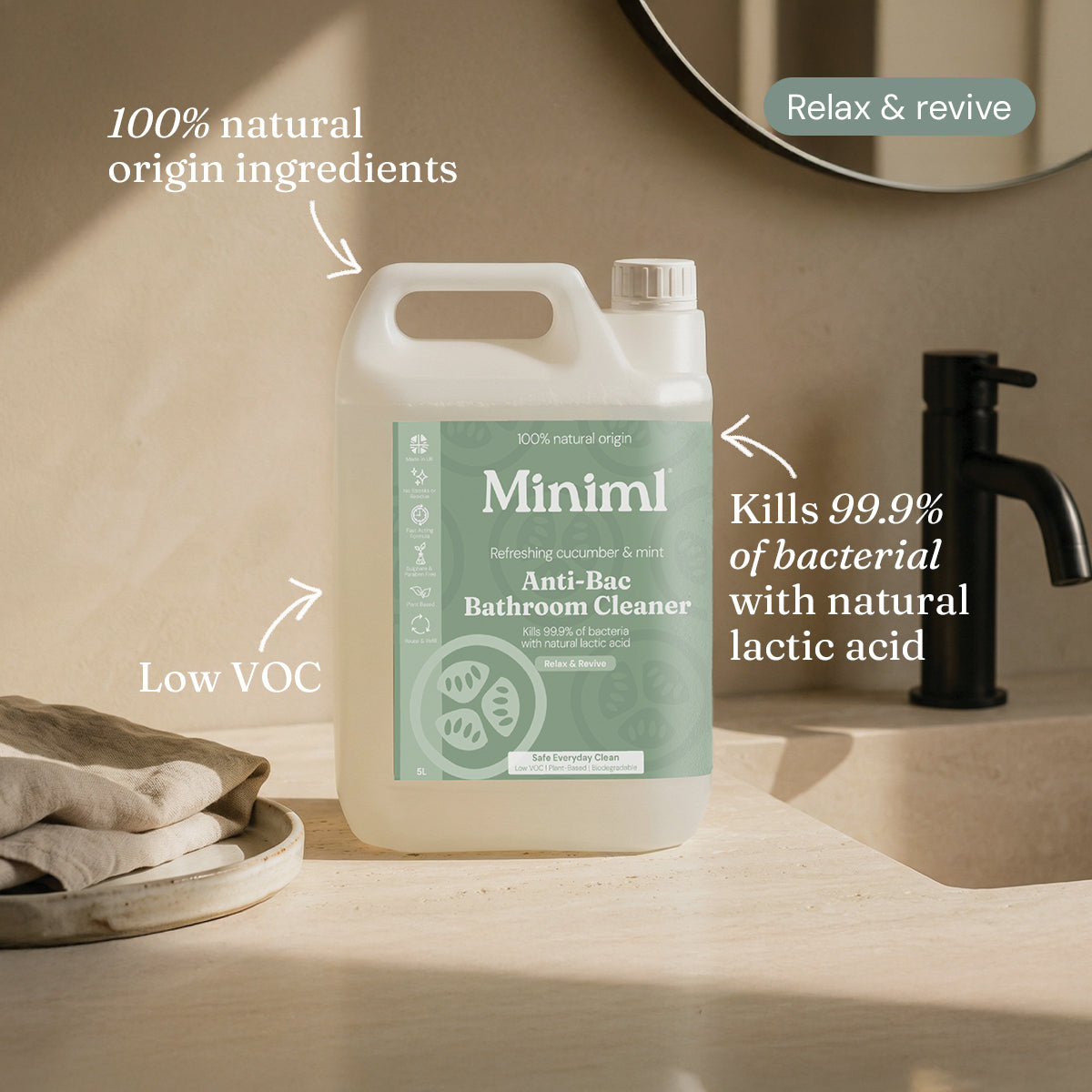
- Anti-Bac Bathroom Cleaner (cucumber mint, lavender or pink grapefruit) conforms is just left for a few minutes, then wiped off.
- Blood Orange Multi-Surface Cleaner is powerful to lift dirt, gri
- me and grease. To use, just spray directly onto the surface and wipe clean. Also good for doo r handles and handrails. Or in the office. Contains citrus, don’t use near pets.
- Nutty Almond Floor Cleaner is safe for washable floors, tiles and painted wood. Just add 1 to 2 capfuls per 5 litres of warm water in a bucket. For stubborn stains, use undiluted and wash with a soft wet cloth.

Miniml Spearmint Peppermint Toilet Cleaner is made with Yorkshire water. At end of use, you can refill it locally, or use the QR code to send off your empty container, for washing and refilling.
Use with plastic-free cloths and sponges and Seep rubber gloves. Choose unscented toilet cleaner for pregnancy/nursing and when cleaning near babies or pets. Never mix vinegar or lemon juice with any bleach (causes toxic gas). For half-full bottles of chemical liquids, don’t pour down drain (dispose of at your local tip).
How to Remove Toilet Bowl Stains

Pour a cup of cleaning vinegar around the toilet rim and leave for 30 minutes, then scrub. For limescale, pour hot (not boiling) cleaning vinegar in the bowl and let it sit overnight, scrubbing with a plastic-free toilet brush.
Replace chlorine with natural oxygen bleach (sodium percarbonate). Just sprinkle into the bowl, let it fizz for 15 minutes, then scrub.
How to Unblock a Clogged Toilet
The best way to prevent clogged toilets is to only flush forest-friendly bathroom tissue and nothing else. If a toilet is clogged, pour boiling water into the pan, and use a plastic-free plunger (use a strong push-pull movement to build pressure 10 to 15 times, then flush).
The best way to keep toilets smelling fresh is simply to eat a good diet and drink lots of water. Open a window if safe to do so, and wipe down surfaces regularly. Also keep the toilet lid closed when not in use, and fix leaks promptly.
Thames Water has says to check for a toilet leak, wait 30 minutes after flushing, then dry the back of the pan with some bathroom tissue. Place a dry sheet on the back of the pan.
Leave at least 3 hours, without using the loo. If the paper is wet, you have a leak! It’s a small plumbing job, less than spending £200 a year on extra water bills!
Greenscents Refillable Cleaning Products (no palm oil)

Greenscents is a wonderful brand of eco-friendly cleaning products, in Nonscents (unscented) range along with minty, lavender, bergamot or citrus scents. They are sold in 500ml bottles with aluminium lids (and a one-time purchase of a head). Then buy 5 litre and 20 litre refill containers (you can decant into the bottles, and send the containers off for refilling, when empty).
This brand also makes a NonScents range (ideal for pregnancy/nursing, allergies and for cleaning in homes with babies or pets – citrus oils are toxic to pets). Along with a multi-tasking castile soap.
Use with plastic-free cloths and sponges. Never mix vinegar or lemon juice with any bleach (causes toxic gas). For half-full bottles of chemical liquids, don’t pour down drain (dispose of at your local tip).
The range includes:
Multi-Surface Spray is your go-to solution for fresh surfaces, with organic soap nuts and shikaki pods to break down grime, and lift dirt with ease. Safe for sealed surfaces like wood, marble, stainless steel and stone.

Anti-Bacterial Surface Spray is independently tested to remove 99.9% of bacteria in just 1 minute. Infused with antimicrobial bergamot essential oil, it’s safe on sealed surfaces too, and perfect for bathrooms, kitchens, taps, light switches and bins.


Greenscents Castile Soap is sold in glass bottles, available in Nonscents (unscented), minty or citrus scents (all with natural ingredients). They are sold in 500ml bottles with aluminium lid (and one-time purchase pump head). Then buy 5 litre and 20 litre refill containers (you can decant into the bottles, and send the containers off for refilling, when empty).
Use with plastic-free cloths and sponges. Choose Unscented for pregnancy/nursing and when cleaning near babies or pets (citrus oils are toxic to pets). Never mix vinegar or lemon juice with any bleach (causes toxic gas). For half-full bottles of chemical liquids, don’t pour down drain (dispose of at your local tip).
Free from foaming agents, optical brighteners or synthetic fragrance, this is a multi-tasking marvel. You can use it to:
- Wash your hands, face and hair (avoid handling glass with wet hands)
- Use diluted to clean worktops, sinks, tiles and ceramics
- Apply a few drops directly to stains, leave for 5 to 10 minutes, then launder
- Whiten bedlinen and towels, by replacing (don’t combine) laundry liquid with twice the volume on a hot wash.
If using as pet shampoo, choose the unscented version. Read our post on dog shampoos (contains info on water temperatures and essential oils to avoid – never use them on allergies or cats).

Planet Detox is a small Devon company which offers a small range of household cleaners in metal tins or paper/cardboard packaging, made from natural clays, minerals, plant-based soap and essential oils.
Use with plastic-free cloths and sponges. Choose Unscented for pregnancy/nursing and when cleaning near babies or pets (citrus oils are toxic to pets). Never mix vinegar or lemon juice with any bleach (causes toxic gas). For half-full bottles of chemical liquids, don’t pour down drain (dispose of at your local tip).
The range includes Wonder Tin (a household cleaner to clean countertops, taps, sinks, showers, tiles and toilets, one tin should last around 12 months).
The Kitchen Cleaning Bar will remove dirt, grease, stains and burnt-on-crusts from kitchen areas, using lemon and thyme oils to destroy E-coli and salmonella bacteria, with fine-grace pumice stone as a natural abrasive. Safe for counter tops, chopping boards, tiles, ceramic hobs, metal and ovens.
Other Eco-Friendly Toilet Cleaners

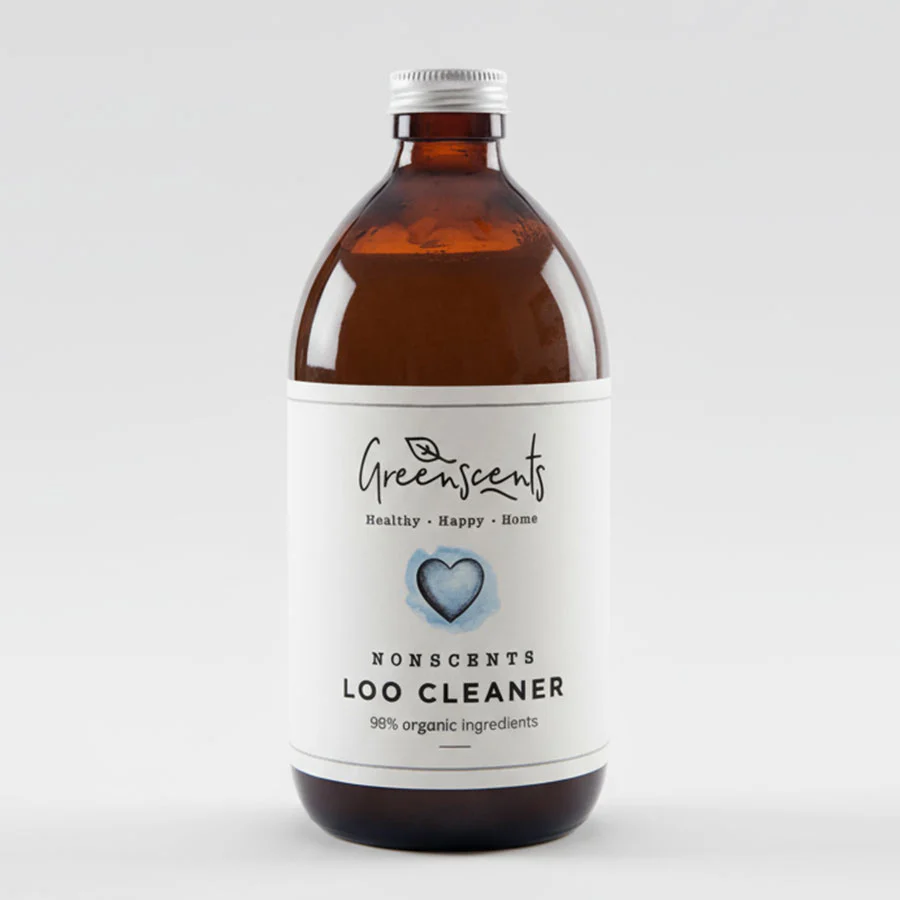
- Greenscents offers organic toilet cleaners in glass bottles, that again you can return for refilling. In mint, citrus or Nonscents (fragrance-free).
- Bio-D offers a fragrance-free toilet cleaner with 5L containers. Both can be refilled at one of over 700 refill points nationwide.
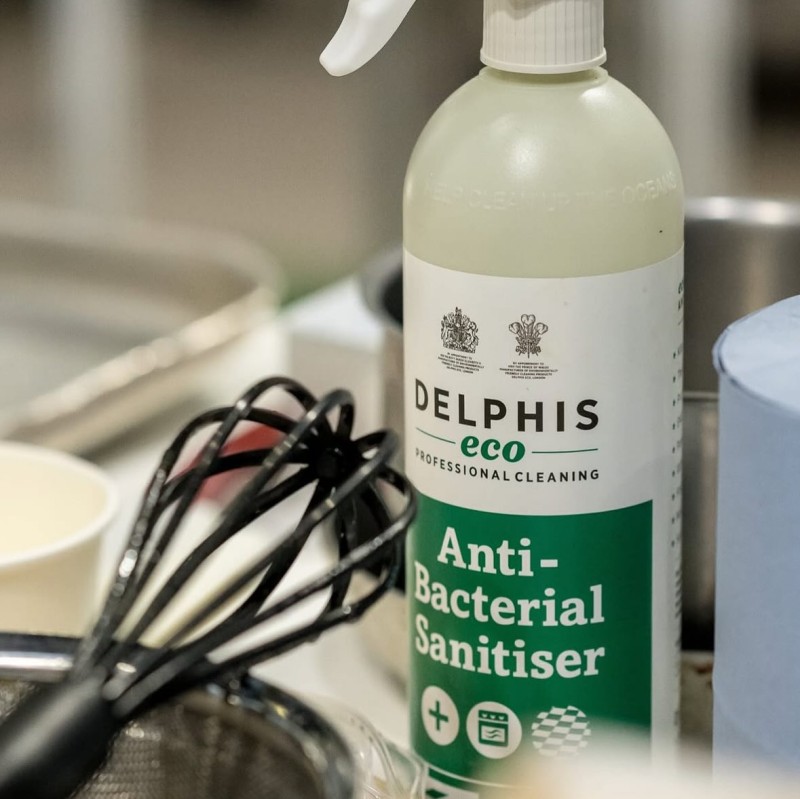
- Delphis Eco Toilet Cleaner is biodegradable (sold with limescale remover). Also buy commercial products including to clean urinals.
- Kit & Kin (a brand co-founded by Baby Spice Emma Bunton) offers an eco toilet cleaner. Again you buy the packaging, then just order refills.
- ElmKind offers a peppermint toilet cleaner sold in an aluminium bottle, then you just order refills after that. Note the site says it’s pet-friendly (note this is not safe near pets, it contains essential oils).
Bio-D Biodegradable Unscented Cleaners (sold in shops)

Bio-D Fragrance-Free Cleaners are vegan and sold in recycled plastic refillable bottles (including huge drums with taps, ideal for commercial use or people with big families). It’s best to use their fragrance-free versions, as some of the scented versions contain artificial fragrance. There are over 700 refill points across the UK.
Use with plastic-free cloths and sponges. Choose Unscented for pregnancy/nursing and when cleaning near babies or pets (citrus oils are toxic to pets). Never mix vinegar or lemon juice with any bleach (causes toxic gas). For half-full bottles of chemical liquids, don’t pour down drain (dispose of at your local tip).
The range (all in bulk refill containers for commercial use too) includes:
- Cleansing Handwash
- Toilet Cleaner
- Washing-up Liquid
- Limescale Remover (also as spray)
- Laundry liquid
Wholesalers can order online and receive free marketing materials, and also offer refill stations, so buyers can return to refill their products. Just imagine if all shops, restaurants, schools, offices and commercial cleaning companies switched to this brand.
Spruce (concentrated eco-cleaners and sponges)

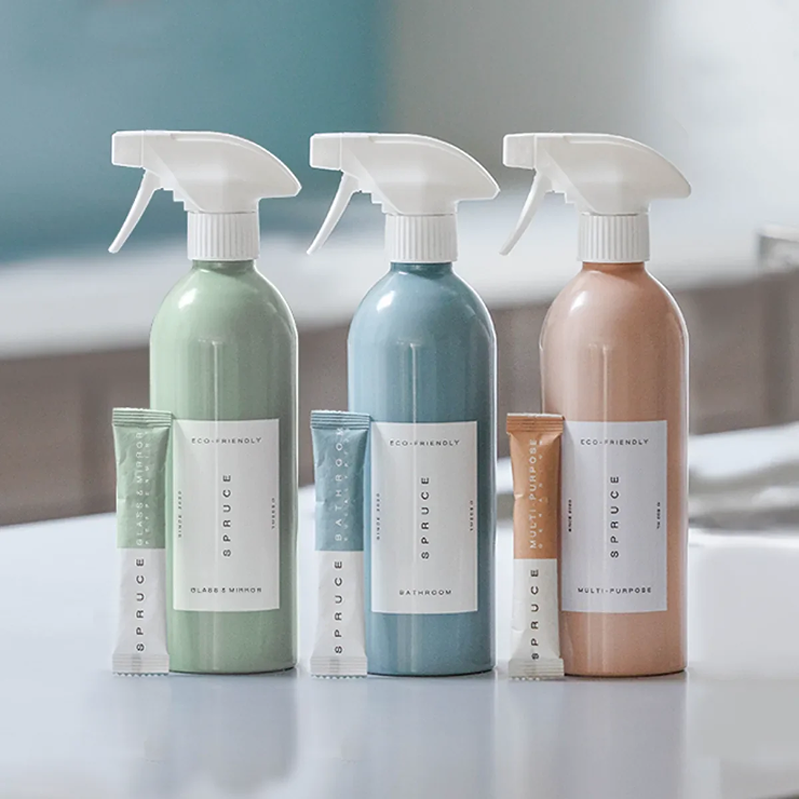
Spruce offers starter kits. You just dilute the concentrates with water to clean all surfaces. Unlike some similar brands, this one avoids artificial fragrance oils.
Use with plastic-free cloths and sponges. Choose Unscented for pregnancy/nursing and when cleaning near babies or pets (citrus oils are toxic to pets). Never mix vinegar or lemon juice with any bleach (causes toxic gas). For half-full bottles of chemical liquids, don’t pour down drain (dispose of at your local tip).
There are just three items in the range, which you can bundle up for savings:
- A Multi-Purpose Cleaner (geranium)
- A Glass & Mirror Cleaner (peppermint)
- A Floor Cleaner (bergamot, patchouli, geranium)
Rather than laundry sheets, we recommend eco laundry powders (most ‘biodegradable pouches are made with PLA).

Nonscents Refillable Cleaning Products (no palm oil)

Greenscents Nonscents is a fragrance-free organic cleaning brand (no palm oil). Sold in glass bottles, just send them back for washing and refilling. There’s a multi-surface spray, glass cleaner and loo cleaner, plus a castile soap that can be used for most cleaning jobs, when diluted.
They are sold in 500ml bottles with aluminium lids (and a one-time purchase of a head). Then buy 5 litre and 20 litre refill containers (you can decant into the bottles, and send the containers off for refilling, when empty).

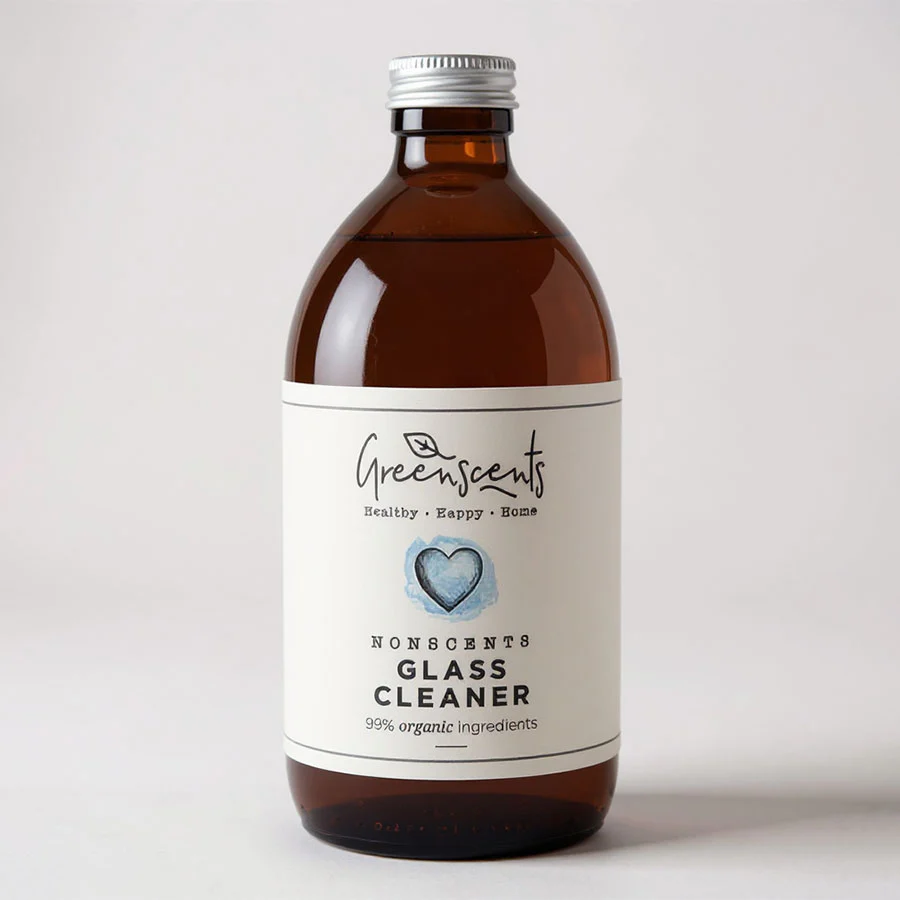
Glass Cleaner delivers a sparkling shine to windows, mirrors, splashbacks, picture frames and shower screens, to lift away dust, grease and finger marks. It’s quick to use and fast-drying too.
Read our post on how to help stop birds flying into windows.

Fruit and Veg Wash is ideal to remove pesticides, bacteria, dirt and wax (did you know that most non-organic apples are covered in shellac insects, to make them shiny?) This gentle formula helps reduce exposure to listeria, E.coli and salmonella.
Perfect for fruits, leafy greens, berries and salad veg (cantaloupe melon is a high salmonella risk, so always use separate tools and store separately from other foods, eating fresh).

Bicarbonate of soda (baking soda) is great for cleaning and laundry. But it’s best to buy bulk online (the tiny pots used for cooking in supermarkets are not big enough). Supermarkets don’t sell bulk baking soda, because otherwise people would buy it, and they would not make profits from chemical cleaners. Baking soda can’t be labelled as ‘new and improved!
Although safer, keep baking soda away from children and pets. Never mix any cleaner with vinegar or bleach. Don’t add essential oils to mixes if pregnant/nursing or near babies/pets.
Avoid use on aluminium or delicate fabrics. Use with plastic-free cloths and sponges and rubber gloves.
You can recycle empty chemical liquid bottles. For half-full bottles, don’t pour down drain (dispose of at your local tip).
Reliable Multi-Purpose Cleaner
Bicarbonate of soda makes a strong, gentle cleaner for most surfaces. Mix with water to scrub ovens, sinks, and stained counters. It breaks down grease and lifts dirt without scratching. Then rinse and leave to dry.
A sprinkle on a damp sponge will clean tiles, shine taps, and remove built-up grime on cooker hoods.
Fresh Laundry Booster
Adding bicarbonate of soda to laundry gives whites a boost and brightens colours. It softens water, helping detergents work better. Pour half a cup in with your usual powder or liquid. It removes odour from clothes, towels, and even trainers.
For tougher smells, mix with water and soak items before washing. Bedding comes out fresher and towels feel softer.
Simple Carpet and Upholstery Freshener
Sprinkle bicarbonate of soda over the affected areas and leave it for fifteen minutes or longer, then vacuum it up. It helps lift stains and removes trapped smells from pets, smoke, or food. This works on mattresses and car seats as well.
Natural Air Freshener
Bicarbonate of soda neutralises odours, rather than covering them up. Place an open container in the fridge, wardrobe, or bathroom. It absorbs bad smells and keeps the air fresher.
Stove Tops and Cookware
Sprinkle bicarbonate of soda, then add a splash of warm water. Wait ten minutes, then scrub with a sponge or cloth. The residue lifts off without strong fumes or scratching. Stainless steel, enamel, and even glass cookware come up shiny again.
Clean Drains and Remove Blockages
Pouring a cup of bicarbonate of soda followed by vinegar can clear slow drains. Wait five minutes, then flush with hot water. It helps break down fat and food, leaving pipes smelling fresh. This method also clears drains in bathrooms or utility rooms, where hair or soap scum cause blocks.
Deodoriser for Shoes and Kit Bags
Sprinkle bicarbonate of soda inside, and tap out the powder the next day. It soaks up odour and moisture, keeping shoes and bags fresher. This works for gym lockers and sports helmets.
You can also sprinkle into pet beds, leave for a while (when they are out playing) then shake out thoroughly and/or vacuum, to absorb odours.
Fridge and Freezer Cleaner
Mix bicarbonate of soda with a little water to create a paste. Wipe down shelves, drawers, and seals. Rinse with a clean sponge and dry. Stains vanish and stubborn odours disappear.
Gentle Silverware Polish
Rub with a simple paste of bicarbonate soda and water, with a soft cloth. Rinse and buff dry. This can remove tarnish, but does not scratch or erode the metal.
Microwave Cleaner
Fill a bowl with water and add two tablespoons of bicarbonate of soda. Microwave on high for five minutes. The steam loosens food particles, making it easy to wipe down.
Never heat up baby or pet food in microwaves.
Clean Coffee and Tea Stains
Mix a bit of baking soda in water and scrub mugs or teapots stained with coffee or tea. The stains come off with a small amount of effort, thanks to the gentle abrasion.
Freshen Dustbins
Sprinkle baking soda in the bottom of your kitchen or bathroom bin to stop smells before they start. Replace with fresh powder every week for best results.
Remove Sticky Residue
Tackle stubborn sticky residues from labels, tape, or glue by making a paste with baking soda and a bit of oil. Rub gently until the residue lifts, then wash clean.
Fire Extinguisher for Small Grease Fires
If a small grease fire starts while cooking, turn off the heat, and pour baking soda on the flames. It cuts off oxygen and helps put out the fire. Never use water on a grease fire.

Fill is sold in glass boxes with cardboard refills.
The Benefits and Uses of Cleaning Vinegar

Cleaning (white) vinegar is not the same as the Sarsons brown vinegar that you put on your chips! And you won’t usually find it in supermarkets (because it’s very effective and cheap, so they would lose profits on selling all their expensive chemical brands).
With around 6% acetic acid, cleaning vinegar is stronger than cooking vinegar. And can remove stains, cut through grease and leave surfaces sparkling. Fill is sold in glass boxes with cardboard refills.
Keep cleaning vinegar away from children and pets (don’t use to ‘kill weeds’ as it will also kill beneficial insects).
Never mix vinegar (or lemon) with bleach, it causes toxic gas. Avoid on natural stone (granite), waxed wood or unsealed grout. Ventilate rooms and wear gloves. Do not add essential oils for pregnancy/nursing or near babies/pets.
You can recycle empty chemical liquid bottles. For half-full bottles, don’t pour down drain (dispose of at your local tip).
Multipurpose Surface Cleaning
Cleaning vinegar is good to lift dirt and grime from kitchen counters, sinks and even greasy hobs (when mixed with water).
For glass, spray undiluted cleaning vinegar and polish with a soft cloth for a streak-free finish. It also works on tiles and bathroom fittings, helping tackle soap scum and limescale.
Freshening Laundry
Add half a cup of cleaning vinegar to your washing machine’s rinse cycle for softer, fresher clothes. It breaks down residue from detergent and hard water, which can build up over time.
Vinegar can also help get rid of musty smells in towels and gym clothes. It’s safe for most fabrics and won’t leave behind that strong vinegar scent once dry.
Descaling Kettles and Coffee Makers
Hard water can cause limescale to build up in kettles and coffee machines, affecting taste and performance. Fill your kettle halfway with cleaning vinegar, top with water, bring to a boil, then let it sit for thirty minutes.
For coffee machines, run a brewing cycle with a vinegar solution, then flush several times with clean water. That keeps appliances running well and drinks tasting fresh.
Tackling Bathroom Mould and Mildew
Mould and mildew thrive in damp bathrooms, especially around tiles and shower curtains. Spray cleaning vinegar directly onto the affected areas and leave for an hour before scrubbing away.
Its strong acid helps break up mould at the surface, and regular use can slow its return.
Removing Stubborn Stains
Cleaning vinegar loosens many stains that are tough for normal cleaners. It works on spilled drinks, ink, grass, and even rust on some surfaces.
Dab the area with vinegar, let it soak for a few minutes, then blot or scrub to lift the mark. Always test on an out-of-sight spot first for colour-fastness.
Cleaning Windows and Mirrors
Foggy windows and mirrors often show streaks after cleaning. Use a 50/50 vinegar and water solution in a spray bottle, then wipe dry with a lint-free cloth or newspaper. The acid in vinegar cuts through greasy fingerprints, leaving glass spotless and clear.
Deodorising Drains and Bins
Strong odours coming from drains and bins can be stubborn. Pour a cup of cleaning vinegar down sinks, baths, or kitchen waste pipes. Let it work for 30 minutes before running hot water.
For bins, spray inside after every empty and wipe down. Vinegar breaks down bacteria that cause smells, keeping things fresher for longer.
Reviving Taps and Fixtures
Taps covered in water spots or limescale come back to life with vinegar. Soak a cloth in cleaning vinegar and wrap it round the affected area for an hour. Wipe away the loosened deposits with ease, leaving fixtures shiny and clean.
All-Natural Floor Cleaner
Cleaning vinegar diluted with water makes a safe, streak-free mop solution for most hard floors, including tile, vinyl, and laminated wood. It removes sticky marks left by footsteps, food and pets. Avoid using on stone floors (like marble or granite), as vinegar can dull the surface.
Rinse thoroughly and dry, before allowing children and pets back in.
Unblock Plugholes
Pour boiling water down sink, add 1 tablespoon of bicarb of soda & 250ml cleaning vinegar. It will fizz, replace plug, wait 15 minutes then flush with more boiling water.
Pet Smell Neutraliser
Vinegar works on both new and old pet smells. Blot dry recent accidents, then pour on a little diluted cleaning vinegar. Dab up the excess, let it dry, and the odour will fade. This works best for hard floors and most carpets but always check the manufacturer’s care advice.
Keep pets away, until rinsed and dried.

Miniml white vinegar is also sold in refillable packs. Just return your empties, to wash and receive refills.
Proper storage will extend the life of cleaning vinegar. Keep it in a cool, dark place, away from direct sunlight. It should last years (changes in colour and smell indicate it’s time to replace).

There are far better alternatives to fresh-smelling homes than toxic air fresheners (you can recycle empty aerosol cans, but take half-empty ones to your tip’s toxic waste department.
For homes and cars, use charcoal purifying bags (if you smoke, use a personal ashtray to extinguish butts outside homes and cars, for safe disposal later on).
Never spray scented air fresheners near young children or pets (air rooms after use) and also avoid essential oils for pregnancy/nursing and affected medical conditions.
Indoor plants don’t clean the air (an outdated NASA myth). If you do use them, learn toxic indoor plants to avoid near pets (sago palm, cheese plants and lilies etc – can harm just by brushing a tail past). Avoid facing indoor foliage to gardens, to help stop birds flying into windows.
Improve ventilation. Remove unwanted furniture and arrange for better air flow. If safe to do, open your windows each day for a short while, to ‘change the air’.
Prompt Rubbish Removal. Overflowing rubbish bins quickly become smelly. Empty kitchen and bathroom bins each day (more often in summer if full). Clean the insides with soapy water regularly.
Deep Clean Carpets and Fabrics. Odour clings to fabrics and soft furnishings. Vacuum carpets, sofas and curtains often, including underneath and behind furniture. Launder removable covers and cushion inserts.
Remove Smelly Furniture and Fabrics. Sometimes the best solution is to simply remove, recycle or bin smelly items like old mattresses, pet beds and storage bins. Treat yourself to new fresh ones!
Charcoal Can Absorb Bad Smells. Activated charcoal’s high surface area absorbs odours. Unscented volcanic potpourri is porous to soak up chosen essential oils, then slowly releases the aroma (not near pets, babies or pregnancy/nursing).
Bicarbonate of soda absorbs moisture and neutralises smells, instead of covering them up. Sprinkle it on carpets and soft furniture, let it sit for 30 minutes, then vacuum it up. Leave an open box inside the fridge, cupboards or shoe racks to keep them fresh with little effort.
Cleaning vinegar breaks down grease and odour molecules, leaving the air fresher. Mix equal parts water and cleaning vinegar in a spray bottle. Use it to wipe worktops, bins, fridges and pet areas. It’s strong enough to fight smells but safe for most surfaces, and the vinegar scent fades quickly.
Keep cleaning vinegar away from children and pets (don’t use to ‘kill weeds’ as it will also kill beneficial insects).
Never mix vinegar (or lemon juice) with bleach, and avoid use on natural stone (granite), waxed wood or unsealed grout. Ventilation rooms and wear rubber gloves.
Home Detox is a book by a toxicologist on how to remove potential toxins from your home, including toxic air fresheners. It covers everything from mattresses to furniture, to remove the ‘toxic ten’ that may lead to headaches, asthma, high cholesterol, skin and sleep problems, with safe alternatives.
Aromatherapy Oils and Soy Candles?
These can offer nice scents, but won’t really get rid of smells. And should not be used near babies or pets, or for pregnancy/nursing anyway. Read our posts on sustainable aromatherapy and clean safer candles.

You can keep your glass, mirrors and windows sparkling clean, without using toxic chemicals. Use with plastic-free cloths and sponges and a recycled plastic dustpan and brush to clean exteriors before washing.
Choose Unscented products for pregnancy/nursing, allergies and if cleaning around babies or pets – citrus is toxic to pets). Never mix vinegar or lemon juice with any bleach (causes toxic gas).
- Greenscents Glass Cleaner (unscented) is organic and sold with refills.
- Bio-D Mirror Cleaner is in a trigger-spray bottle, sold with 5L refills. Many shops have refill stations.
- Kit + Kin Glass & Mirror Cleaner is sold with a bottle and refill pouches.
- Delphis Eco Glass & Stainless Steel Cleaner (also in refills) can be used to clean windows.
You can recycle empty bottles of chemicals with kerbside recycling. For half-full bottles, ask your council as these must be disposed of as toxic waste at the tip.
Keeping Pets and Wildlife Safe Near Windows
Don’t leave open top windows unattended near children or pets. Cats don’t always ‘right themselves’ when they land. So don’t let them lie near open top windows (cat screens may be an option).
Birds often can’t see clean glass, so avoid facing indoor foliage to outdoor gardens, to help prevent confusion. Read more on how to stop birds flying into windows.
Tips for Easy Cleaning of Windows and Glass

- Pick a cloudy day to clean windows, as sunshine can bake streaks and spots onto glass. Use a recycled plastic squeegee to pull down in straight strokes, to avoid streaks.
- If cleaning high windows, use a stable ladder on even ground (never lean out too far and wear shoes with good grip – or hire a window cleaner.
- A drop of liquid Castile soap in warm water helps remove oily handprints and dirt. This mild, plant-based soap rinses clean with no sticky film. It’s safe, and does not leave behind harmful chemicals.
- Old newspaper polishes glass without fuss and prevents streaks. Ditch paper towels and wipes—they often leave lint behind. Avoid microfibre cloths (they leach microplastics, in washing machines).

Cleaning vinegar (mixed equally with water) can remove fingerprints, dust and water spots. Just spray onto the window and wipe clean. Never mix vinegar with any kind of bleach, it causes toxic gas.
Baking soda can remove stuck-on grime, especially on glass oven doors and shower screens. Sprinkle a little onto a damp cloth (not direct on dry glass), scrub gently, then rinse in a dry. For extra cleaning power, use with cleaning vinegar.

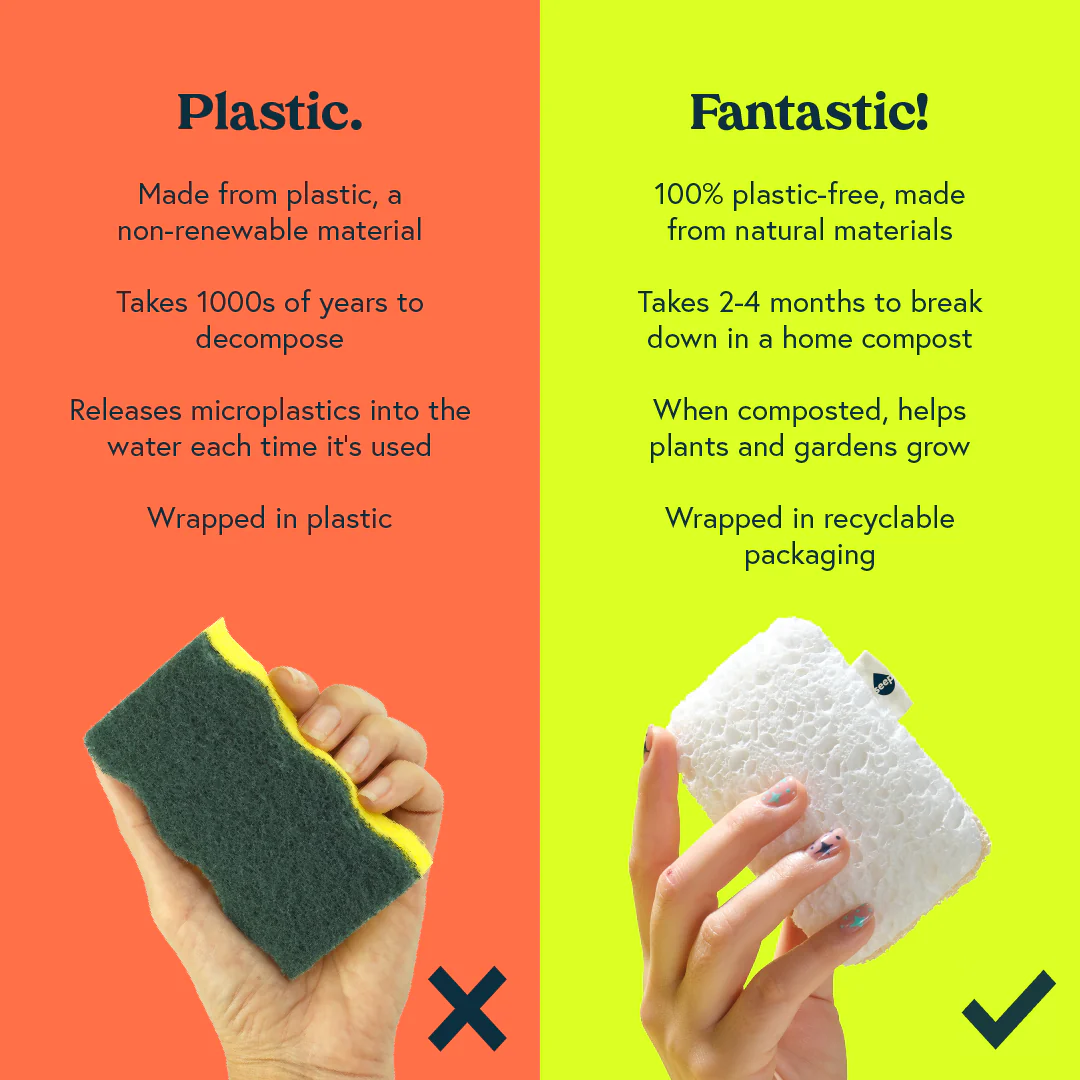
SEEP is a fabulous brand, which makes plastic-free alternatives to nylon cleaning cloths and green-topped scrubby sponges. From pop-up sponges to scouring pads, this company makes quality items, all sold in zero waste packaging. Use with their natural rubber gloves.
Use with plastic-free cloths and sponges. Choose Unscented dishwash and cleaners for pregnancy/nursing and when cleaning/washing baby/pet bowls or if cleaning (citrus oils are toxic to pets).
Never mix vinegar or lemon juice with any bleach (causes toxic gas). For half-full bottles of chemical liquids, don’t pour down drain (dispose of at your local tip).
Seep Rubber Gloves in Cardboard Packs

SEEP Natural Rubber Gloves are sold in three sizes with textured grip, and in cardboard packaging. These solve both problems (quality rubber gloves in stores are expensive and sold in plastic packaging, while cheap gloves tend to fall apart after a few uses). This is a quality eco brand that lasts!
Keep rubber cleaning gloves away from children and pets (and also from dementia patients – one patient recently died from swallowing a glove).
Use with plastic-free cloths and sponges. Choose Unscented dishwash and cleaners for pregnancy/nursing and when cleaning/washing baby/pet bowls or if cleaning (citrus oils are toxic to pets).
Never mix vinegar or lemon juice with any bleach (causes toxic gas). For half-full bottles of chemical liquids, don’t pour down drain (dispose of at your local tip).
Seep Eco Sponge Cloths

Eco Sponge Cloths are sold in 4 unique designs. These are ‘Swedish dishcloths’ that are made from wood pulp cellulose and repurposed cotton, and can absorb 13 times their weight in water.
One cloth can replace 15 rolls of paper towels, ideal to wipe up spills or washing-up. These are the alternative to those pink cloths that ‘break off bits’ when they get wet or worn.
Seep Pop-Up Sponges

Pop-up sponges are made from wood pulp, so they come flat to save on packaging. Wet them and they spring to shape. They’re durable and plastic-free, giving you a quick clean with less waste.
Seep Eco Sponge Scourers

Eco Sponge Scourers (sold in a set of 12) are ideal for washing-up, containing loofah (a plant related to cucumber) and wood pulp cellulose. Safe enough to use on non-stick pots and pans. An alternative to those green plastic nylon scouring pads.
Seep Copper Scouring Pads

Copper scourers clean tough dishes without microplastic shed and won’t rust as quickly as steel. They’re durable, recyclable, and handy for everything from pots to oven racks. Alternative to silver ‘scourers’ sold in plastic packaging.
Seep Bamboo Cleaning Cloths

The bamboo cloths can be used wet or dry, and are easy to recycle with other textiles. Sold in a pack of three (neutral, navy, turquoise), you can keep one for each cleaning tasks so you don’t get them mixed up, and end up cleaning the loo with the washing-up cloth!

Removing stains does not need harmful chemicals. Most can be tackled with a bit of know-how and a few affordable simple and natural ingredients.
Reasons to Switch to Natural Oxygen Bleach

Oxygen bleach is amazing stuff, if you’ve never come across it before. It does no harm to the planet, and if used correctly, can remove cleaning and laundry stains as well as (if not better) than nasty chlorine bleach.
Allavare Oxygen Bleach (code ENGLAND99465 for 10% discount) is sold in a brown paper bag, with discount subscriptions online. You can bundle up with the maker’s 4-ingredient eco laundry powder and stain removal bar.
Test on hidden areas, wear rubber gloves. Keep away from children and pets (it’s safer than chlorine, but could still upset tummies or bleach fur).
Use oxygen bleach in ventilated areas, and never mix any bleach with vinegar (or lemon juice). If it gets in your eyes, rinse with lots of water, and seek medical attention.
Too much oxygen bleach could lighten fabrics. Don’t leave oxygen bleach (once mixed) in a sealed container. Oxygen will continue to release, and it could blow up!
You can recycle empty chemical liquid bottles. For half-full bottles, don’t pour down drain (dispose of at your local tip).
How to Use Oxygen Bleach

Oxygen bleach is a simple mix of sodium percarbonate and hydrogen peroxide. It must be mixed with warm water to activate, and only lasts for around 40 minutes. But you can pour leftovers down sinks and drains, with no harm to aquatic life.
It removes stains by binding to molecules. If using for laundry, use 60 degree washes for babies and weak immune systems.
Natural oxygen bleach can remove most cleaning and laundry stains, as the hydrogen peroxide releases atoms that react with organic stains (food, grass, blood) and break down into tiny molecules. These are then rinsed away with water.
Alkaline sodium percarbonate helps to break down oil and grease stains, by neutralising acids.
- For general cleaning, mix 1 part of natural oxygen bleach to 2 parts warm water. Leave to sit for 10 to 15 minutes after cleaning, rinse and dry. Use this solution to remove stains from mugs and to clean tile grout.
- For a cleaning paste, add hot water, then use a plastic-free sponge to wipe stains and odours on cutting boards. You can also mix 1 tablespoon with 2 cups of hot water to wipe down fridges and drawers, to remove mould, bacteria and mildew.
- To remove jar labels, mix a scoop of oxygen bleach in a sink of hot water. Soak jars for an hour, then rinse and leave to dry.
- To remove limescale, apply neat on taps. Leave for a little while, then rinse.
- To clean drains, pour a few tablespoons of oxygen bleach down the sink. Add boiling water, wait a few minutes, then rinse.
Oxygen Bleach to Remove Clothing Stains
- Add one tablespoon of oxygen bleach with laundry powder to washing machine (not wool, silk or leather). Or add 2 tablespoons to 5 litres of hot water, for hand-washing.
- For stains, mix 2 tablespoons of oxygen bleach with 5 litres of warm water, then leave clothing to soak for a few hours, before laundering as usual. Unlike chlorine bleach, oxygen bleach is safe for coloured fabrics.
- To remove fabric stains, dissolve 1 spoon (or 3 spoons for cloth nappies, sanitary pads and incontinence pads) in 1 litre of hot water, and soak for an hour or longer. Then wash as normal. Due to waterproof synthetic backings, launder in a microfibre filter.
- You can also add a little to pet bedding in the washing machine or hand-wash, to remove pet pee and stains. Rinse well, and allow to dry thoroughly before use.
Oxygen bleach breaks down stains using sodium percarbonate (a blend of washing soda and hydrogen peroxide) instead of chlorine. It works on grass, blood, red wine, and more.
Dissolve a scoop in warm water, then soak the stained item for a few hours. Oxygen bleach lifts stains and brightens without weakening fabric. Rinse well after soaking and dry as usual.
Grass Stains
Mix equal parts white vinegar and water, then work it into the stain with a soft-bristled brush. Let it sit for 15 minutes. Rinse, then wash as normal. For stubborn grass, add a sprinkle of baking soda before scrubbing. This method breaks down chlorophyll, so green marks fade away.
Blood Stains
Act fast with blood stains. Always use cold water, as heat can set the stain. Soak the area, then dab with salt or baking soda paste (add just enough water to make it spreadable). Let it sit for 30 minutes before rinsing. If the stain’s old, soak in natural oxygen bleach overnight. Repeat until the mark disappears.
Red Wine Stains
Blot up as much as possible right away. Pour sparkling water over the stain and blot again. Cover with a thick layer of salt (keep pets away) and leave it for an hour to draw the wine out.
Brush off the salt, then wash with natural soap. If any mark remains, vinegar mixed with equal parts water makes a final rinse that helps get rid of pinkish hues.
Oil Stains
For stains from kitchen oil (including salad dressing), sprinkle dry cornflour or bicarbonate of soda directly on the fresh oil spot. Leave for 30 minutes, then brush away and dab the area with diluted washing-up liquid (mix with water) before washing in warm water.
Make-up Stains
Rub a little coconut oil or olive oil into the make-up spot, let it sit for five minutes, then blot with a dry cloth. Next, treat the area with a gentle soap and rinse well. If needed, repeat until the fabric comes clean, avoiding scrubbing that can spread the mark.
Body Sweat and Deodorant Stains
Mix two tablespoons of bicarbonate of soda and lemon juice (keep pets away) into a thick paste. Spread on the stain and leave for 30 minutes. Lemon’s acid breaks down yellow marks, while baking soda pulls out odours. Wash as normal and the area should come out fresher and brighter.
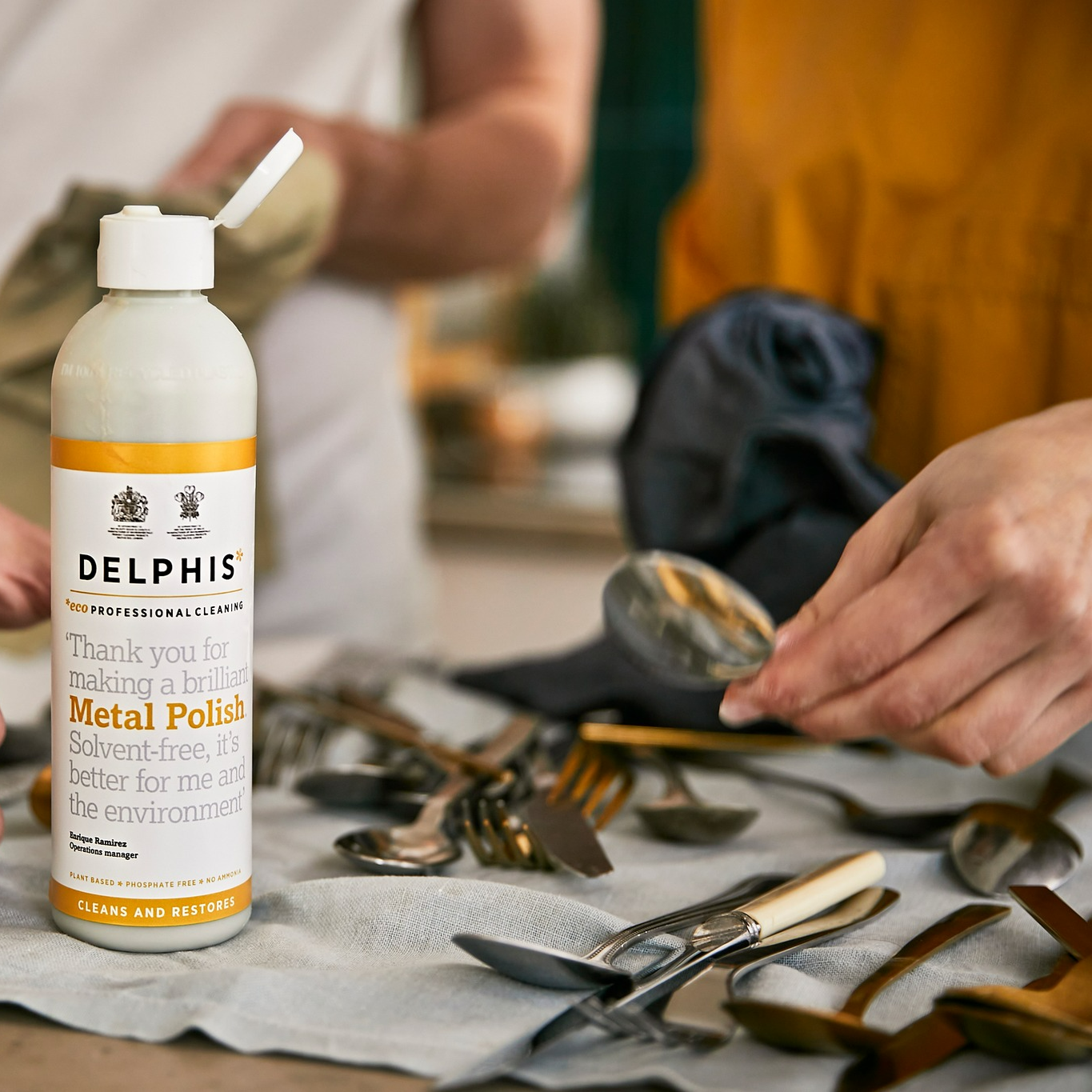
Delphis Eco Natural Stain Remover

Delphis Eco Stain Remover is from a reputable company that makes eco-friendly commercial cleaning products. Sold in easy-to-recycle packaging, these are also vegan and not tested on animals.
Keep away from children and pets (always let product dry, before letting them near).
This uses a bio formula to help remove food, wine, mud and blood at cold temperatures, and can also be used as a spot treatment to dissolve tough stains. It’s also biodegradable and safe for septic tanks.
It works by dissolving the stain, and weakens the connection between the stain and fabric. The cleaning agents attach to what’s left of the stain, and pull it into the surrounding water.
To use, remove residue then rinse with cold water. Gently massage the stain remover into the fabric with a dry or damp cloth, agitate with a brush for deep stains.
Rinse the fabric again with cold water, and repeat, if needed. For stubborn stains, reapply and allow to sit for 2 minutes, before laundering as normal (non-scented for pregnancy/nursing, affected medical conditions or baby/pet bedding. Launder synthetic fabrics in a microfibre filter.
Delphic Eco Stain Remover is suitable for most fabrics including linen, denim, cotton and bamboo. Take care with delicate fabrics (spot test first).

Bicarbonate of soda (baking soda) is great for cleaning and laundry. But it’s best to buy bulk online (the tiny pots used for cooking in supermarkets are not big enough). Supermarkets don’t sell bulk baking soda, because otherwise people would buy it, and they would not make profits from chemical cleaners. Baking soda can’t be labelled as ‘new and improved!
Although safer, keep baking soda away from children and pets. Never mix any cleaner with vinegar or bleach. Don’t add essential oils to mixes if pregnant/nursing or near babies/pets.
Avoid use on aluminium or delicate fabrics. Use with plastic-free cloths and sponges and rubber gloves.
You can recycle empty chemical liquid bottles. For half-full bottles, don’t pour down drain (dispose of at your local tip).
Reliable Multi-Purpose Cleaner
Bicarbonate of soda makes a strong, gentle cleaner for most surfaces. Mix with water to scrub ovens, sinks, and stained counters. It breaks down grease and lifts dirt without scratching. Then rinse and leave to dry.
A sprinkle on a damp sponge will clean tiles, shine taps, and remove built-up grime on cooker hoods.
Fresh Laundry Booster
Adding bicarbonate of soda to laundry gives whites a boost and brightens colours. It softens water, helping detergents work better. Pour half a cup in with your usual powder or liquid. It removes odour from clothes, towels, and even trainers.
For tougher smells, mix with water and soak items before washing. Bedding comes out fresher and towels feel softer.
Simple Carpet and Upholstery Freshener
Sprinkle bicarbonate of soda over the affected areas and leave it for fifteen minutes or longer, then vacuum it up. It helps lift stains and removes trapped smells from pets, smoke, or food. This works on mattresses and car seats as well.
Natural Air Freshener
Bicarbonate of soda neutralises odours, rather than covering them up. Place an open container in the fridge, wardrobe, or bathroom. It absorbs bad smells and keeps the air fresher.
Stove Tops and Cookware
Sprinkle bicarbonate of soda, then add a splash of warm water. Wait ten minutes, then scrub with a sponge or cloth. The residue lifts off without strong fumes or scratching. Stainless steel, enamel, and even glass cookware come up shiny again.
Clean Drains and Remove Blockages
Pouring a cup of bicarbonate of soda followed by vinegar can clear slow drains. Wait five minutes, then flush with hot water. It helps break down fat and food, leaving pipes smelling fresh. This method also clears drains in bathrooms or utility rooms, where hair or soap scum cause blocks.
Deodoriser for Shoes and Kit Bags
Sprinkle bicarbonate of soda inside, and tap out the powder the next day. It soaks up odour and moisture, keeping shoes and bags fresher. This works for gym lockers and sports helmets.
You can also sprinkle into pet beds, leave for a while (when they are out playing) then shake out thoroughly and/or vacuum, to absorb odours.
Fridge and Freezer Cleaner
Mix bicarbonate of soda with a little water to create a paste. Wipe down shelves, drawers, and seals. Rinse with a clean sponge and dry. Stains vanish and stubborn odours disappear.
Gentle Silverware Polish
Rub with a simple paste of bicarbonate soda and water, with a soft cloth. Rinse and buff dry. This can remove tarnish, but does not scratch or erode the metal.
Microwave Cleaner
Fill a bowl with water and add two tablespoons of bicarbonate of soda. Microwave on high for five minutes. The steam loosens food particles, making it easy to wipe down.
Never heat up baby or pet food in microwaves.
Clean Coffee and Tea Stains
Mix a bit of baking soda in water and scrub mugs or teapots stained with coffee or tea. The stains come off with a small amount of effort, thanks to the gentle abrasion.
Freshen Dustbins
Sprinkle baking soda in the bottom of your kitchen or bathroom bin to stop smells before they start. Replace with fresh powder every week for best results.
Remove Sticky Residue
Tackle stubborn sticky residues from labels, tape, or glue by making a paste with baking soda and a bit of oil. Rub gently until the residue lifts, then wash clean.
Fire Extinguisher for Small Grease Fires
If a small grease fire starts while cooking, turn off the heat, and pour baking soda on the flames. It cuts off oxygen and helps put out the fire. Never use water on a grease fire.

Fill is sold in glass boxes with cardboard refills.
The Benefits and Uses of Cleaning Vinegar

Cleaning (white) vinegar is not the same as the Sarsons brown vinegar that you put on your chips! And you won’t usually find it in supermarkets (because it’s very effective and cheap, so they would lose profits on selling all their expensive chemical brands).
With around 6% acetic acid, cleaning vinegar is stronger than cooking vinegar. And can remove stains, cut through grease and leave surfaces sparkling. Fill is sold in glass boxes with cardboard refills.
Keep cleaning vinegar away from children and pets (don’t use to ‘kill weeds’ as it will also kill beneficial insects).
Never mix vinegar (or lemon) with bleach, it causes toxic gas. Avoid on natural stone (granite), waxed wood or unsealed grout. Ventilate rooms and wear gloves. Do not add essential oils for pregnancy/nursing or near babies/pets.
You can recycle empty chemical liquid bottles. For half-full bottles, don’t pour down drain (dispose of at your local tip).
Multipurpose Surface Cleaning
Cleaning vinegar is good to lift dirt and grime from kitchen counters, sinks and even greasy hobs (when mixed with water).
For glass, spray undiluted cleaning vinegar and polish with a soft cloth for a streak-free finish. It also works on tiles and bathroom fittings, helping tackle soap scum and limescale.
Freshening Laundry
Add half a cup of cleaning vinegar to your washing machine’s rinse cycle for softer, fresher clothes. It breaks down residue from detergent and hard water, which can build up over time.
Vinegar can also help get rid of musty smells in towels and gym clothes. It’s safe for most fabrics and won’t leave behind that strong vinegar scent once dry.
Descaling Kettles and Coffee Makers
Hard water can cause limescale to build up in kettles and coffee machines, affecting taste and performance. Fill your kettle halfway with cleaning vinegar, top with water, bring to a boil, then let it sit for thirty minutes.
For coffee machines, run a brewing cycle with a vinegar solution, then flush several times with clean water. That keeps appliances running well and drinks tasting fresh.
Tackling Bathroom Mould and Mildew
Mould and mildew thrive in damp bathrooms, especially around tiles and shower curtains. Spray cleaning vinegar directly onto the affected areas and leave for an hour before scrubbing away.
Its strong acid helps break up mould at the surface, and regular use can slow its return.
Removing Stubborn Stains
Cleaning vinegar loosens many stains that are tough for normal cleaners. It works on spilled drinks, ink, grass, and even rust on some surfaces.
Dab the area with vinegar, let it soak for a few minutes, then blot or scrub to lift the mark. Always test on an out-of-sight spot first for colour-fastness.
Cleaning Windows and Mirrors
Foggy windows and mirrors often show streaks after cleaning. Use a 50/50 vinegar and water solution in a spray bottle, then wipe dry with a lint-free cloth or newspaper. The acid in vinegar cuts through greasy fingerprints, leaving glass spotless and clear.
Deodorising Drains and Bins
Strong odours coming from drains and bins can be stubborn. Pour a cup of cleaning vinegar down sinks, baths, or kitchen waste pipes. Let it work for 30 minutes before running hot water.
For bins, spray inside after every empty and wipe down. Vinegar breaks down bacteria that cause smells, keeping things fresher for longer.
Reviving Taps and Fixtures
Taps covered in water spots or limescale come back to life with vinegar. Soak a cloth in cleaning vinegar and wrap it round the affected area for an hour. Wipe away the loosened deposits with ease, leaving fixtures shiny and clean.
All-Natural Floor Cleaner
Cleaning vinegar diluted with water makes a safe, streak-free mop solution for most hard floors, including tile, vinyl, and laminated wood. It removes sticky marks left by footsteps, food and pets. Avoid using on stone floors (like marble or granite), as vinegar can dull the surface.
Rinse thoroughly and dry, before allowing children and pets back in.
Unblock Plugholes
Pour boiling water down sink, add 1 tablespoon of bicarb of soda & 250ml cleaning vinegar. It will fizz, replace plug, wait 15 minutes then flush with more boiling water.
Pet Smell Neutraliser
Vinegar works on both new and old pet smells. Blot dry recent accidents, then pour on a little diluted cleaning vinegar. Dab up the excess, let it dry, and the odour will fade. This works best for hard floors and most carpets but always check the manufacturer’s care advice.
Keep pets away, until rinsed and dried.

Miniml white vinegar is also sold in refillable packs. Just return your empties, to wash and receive refills.
Proper storage will extend the life of cleaning vinegar. Keep it in a cool, dark place, away from direct sunlight. It should last years (changes in colour and smell indicate it’s time to replace).
Cleaning your floors and carpets does not mean using lots of chemicals. Here are some more natural and zero waste and safer choices. Also read our post on sustainable flooring.
Plastic cleaning tools seem harmless, yet they shed tiny fragments and break with little use. Those fragments often end up in waterways and soil. For a tidy home, a plastic-free dustpan and brush set is a simple swap that delivers.
Avoid citrus oils on hard floors near pets, as it’s toxic to animal friends – choose the unscented brands below.
Don’t Sweep Up Cute Spiders!
House spiders eat flies and won’t do you any harm in England. Garden spiders may come inside in winter, but most house spiders have never been outside, so can’t cope with temperature changes (if you do move one, do so to an unused cupboard ideally, or failing that, a shed or garage.
To prevent spiders, use biodegradable non-scented cleaning routines and vacuum regularly, to deter ‘stale air’.
If when cleaning floors you come across them, leave spiders be if you can, as they eat flies and do no harm. And the white fluffy balls are spider babies, who don’t want to be left behind.
If you do have to remove a spider, gently cover it with a cup, slide a thin card underneath, and place in an unused room or cupboard. Or if determined to place it outside, in a shed or garage (most house spiders will die if you place them outside, due to different temperature or environment).
Carefully move the egg sacs too, to keep mum and babies together! Use a spoon or small jar to carefully slide under the egg sac, gently guiding the mother spider too. Then relocate to a an unused room or cupboard, or a shed or garage if outside, leaving both undisturbed.
Advice from British Arachnological Society. Spiders in baths don’t come up through the plughole, so need help to escape.
Place a towel on the bath edge, so your spider friend can climb out (some people put one over the edge anyway at night, in case a spider falls in). Or place a glass tumbler or cup over the spider, and slide a postcard in between (to humanely trap and release elsewhere in the house).
Help Spiders Trapped in Baths
Spiders don’t come up through plugholes, as this has a water-filled u-bend. But they can’t escape, so again use the cup/card method to trap and release. Or leave a towel over the edge, so your spider friend can climb out to hunt (some people put one over the edge anyway at night, in case a spider falls in).
Guppyfriend Bucket Filter (stops plastics entering oceans)
For cleaning floors, use a Guppyfriend bucket filter, to stop microplastics going into the waterways. This fits any conventional bucket, and is made from a fine filter fabric, that doesn’t lose fibres itself. Durable and alkaline-resistant.
Microfibres are found in conventional mops and cloths, so when they are rinsed out, tiny particles of plastic go down drains and into the seas. Where they are accidentally eaten by fish, coastal bird and marine creatures. If not using a natural cotton cloth or mop, get a bucket filter!
Use with plastic-free cloths and sponges. Choose Unscented for pregnancy/nursing and when cleaning near babies or pets (citrus oils are toxic to pets). Never mix vinegar or lemon juice with any bleach (causes toxic gas). For half-full bottles of chemical liquids, don’t pour down drain (dispose of at your local tip).
Simple Floor Cleaning Routines
The mini version is perfect for sweeping crumbs off the table.
- Shake out loose dust outside after each use.
- Hand wash bristles in lukewarm water with mild soap, only when needed.
- Rinse, then tap off excess water. Hang the brush bristles down to dry.
- Wipe wooden parts with a damp cloth. Dry straight away to prevent swelling.
- Apply a light coat of food-safe oil on wood every few months to seal out moisture.
- Store in a dry, ventilated spot. Avoid leaving the pan or brush sitting in water.
- Keep the pan edge free of dents. If bent, a gentle press against a flat surface can help.
Sustainable Cleaning for Hard Floors
This wall-mounted broom features a slot with easy access rubber flats, and bristles are covered when not in use. The separate comb removes trapped hair and dust, and the telescopic aluminium handle easily reaches places. Sold with a Dustpan & Brush that clips away, when not in use.
Bamboo, cork, and reclaimed wood floors last longest when cleaned with a barely damp mop and gentle, plant-based cleaners. Skip harsh chemicals that can strip finishes or weaken fibres.
Avoid essential oils for allergies, pregnancy/nursing, babies and pets (rinse and dry floors, before paws walk on them – especially citrus oils).
Use floor cleaners with a Guppyfriend Bucket Filter to avoid microplastics leaching from synthetic mop heads, down sinks.
- Sweep or use a cotton mop regularly.
- Wipe spills straight away to avoid staining or swelling.
- Use furniture pads to prevent scratches.
- Refresh finishes with natural oils or waxes instead of varnishes.
- For steam mops, run a solution of one-third white vinegar with two-thirds water through the chamber/mop, refill and run through with tap water.
Natural Floor Cleaners
- Spruce offers starter kits. You just dilute the concentrates with water to clean all surfaces. Unlike some similar brands, this one avoids artificial fragrance oils.
- Miniml Floor Cleaner is sold in refillable bottles that you top up in stores or send off for cleaning and refilling. Suitable for all floors and washable surfaces (including tiles and painted wood), add 1 or 2 caps per 5 litres of warm water. For stubborn stains, use undiluted with a soft wet cloth).
- Delphis Eco-Low Foam Floor Cleaner is a commercial-strength product for floor cleaning machines to remove grease and oil from tiled, concrete and painted floors (neat, it can even remove heavy forklift truck tyre marks). Their domestic floor cleaner is not pet-safe, as it contains citrus oils.
- Bio-D Concentrated Floor Cleaner (in 5 litres with refill taps) is suitable for all hard flooring (laminate, polished floors, ceramic tiles, stone, slate and vinyl). For pet-free areas, there is no need to rinse. Made with solar power, and sold in recycled plastic bottles. Contains citrus oils.
Caring for Natural-Fibre and Recycled Carpets
Have a ‘shoes off’ policy to avoid dirt/mud tracking inside. Sisal, jute, Sedna, and Econyl need regular vacuuming (avoid beater bars) to remove dust and grit. For stains, dab with a cloth moistened in water and mild soap – never soak, as this can damage plant fibres. Use curtains or blinds, to protect from sunlight.
- Soak up spills with kitchen roll, then use natural fibre cleaner.
- Dri-Pak’s homemade carpet cleaning machine solution: mix 4 litres of hot water with half cup of white vinegar in the water tank (this also removes soapy residue from past cleanings). Test area first.
- Two good hoovers are Numatic (made with recycled materials) and Miele (with HEPA filters in cordless and pet fur versions, and adjustable telescopic tubes).
- Bissell and Ewbank offer basic and deluxe versions manual sweepers (around £30). Lint rollers are also good for small areas.
- To clean rugs, hang over a fence and beat with a tennis racket (or soak to remove dirt, then dry in the sun).
- To freshen carpets and upholstery, evenly sprinkle bicarbonate of soda, leave for 15 minutes (or ideally several hours), then vacuum.
Hug Rugs (eco doormats to absorb mud)
Hug Rug dirt-tracking doormats are made with recycled plastic and cotton. Made in Yorkshire, these can trap up to 95% of mud, dirt, dust and moisture, making them ideal for people coming in from the garden, a country walk or dog-walks.
Then just wipe-clean. If you do launder them, due to synthetic materials, do so in a microfibre filter. If you do wash it, hoover first and then launder in a loose cotton pillow case (avoid biological washing powder, this may fade the colour).
They are great for porches and outside houses, but others use them for hallways, kitchens and even bathrooms. These rugs also absorb 3 times their weight in water and also can help to absorb sound, to reduce household noise.
New Hug Rugs may shed excess cotton, it will disappear after being brushed a few times. For best results, leave mud to dry first and brush away. Only place Hug Rugs on dry floors (leave washed rugs to dry naturally).
The Charity Mats donate a portion of sales to various charities:
- Battersea Dogs and Cats Home (London)
- RSPB (to create safe havens for garden birds)
- Bumblebee Conservation Trust
- Rainbow Trust (supporting families with sick children)
Cat and Dog Hair Removers (made from bamboo and metal)
This sustainable cat hair remover is made from sustainable premium bamboo and durable metal, a reusable lint roller alternative to keep clothes, furniture and carpets free from pet hair. Just glide over soft surfaces, and watch as the grooved metal bar lifts hairs.
Ethically made, it’s also available in a dog-hair removing design!
What is Bamboo?
Bamboo is the world’s fastest-growing grass. It’s not local, but it is far easier to grow than trees (which sometimes take 40 years of growing, before ready to harvest). So purchasing bamboo helps to avoid deforestation.
Industrial bamboo is not the same as fresh shoots, eaten by pandas!