Birmingham, Wolverhampton, Coventry: West Midlands Cities
The West Midlands is a ceremonial county and home to three very different cities. Each has its own identity, history and character. Though they are quite close to each other, they all have different histories.
Despite their urban locations, these three cities have many parks and green spaces. Birmingham in particular has lots of large parks, for such a metropolitan area.
Birmingham
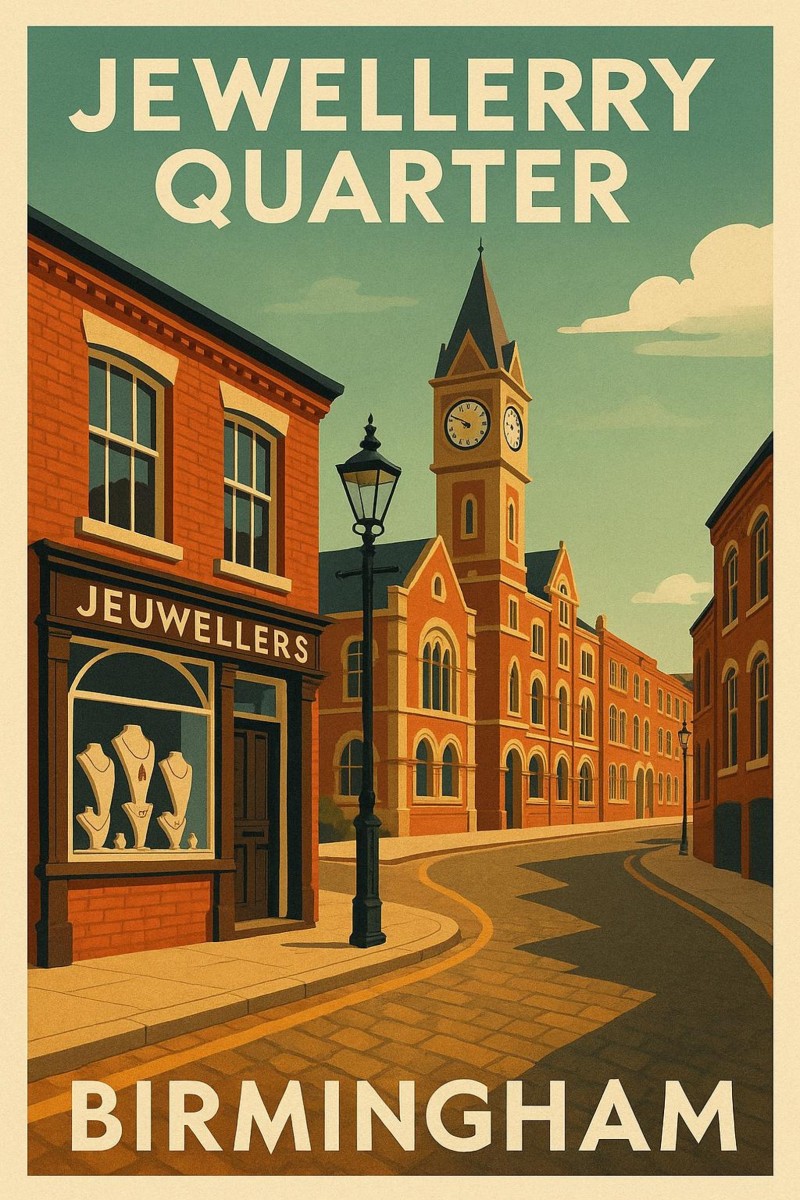
This is the largest city in the West Midlands. It has over one million people living in the area and surrounds, and grew rapidly during the Industrial Revolution. Its location in the centre of England was ideal for transport, and today it still has many historic canals.
Not far away is the village of Bournville, created by Quakers George and Richard Cadbury (strict teetotallers, they invented drinking chocolate to try to persuade people to not drink gin!)
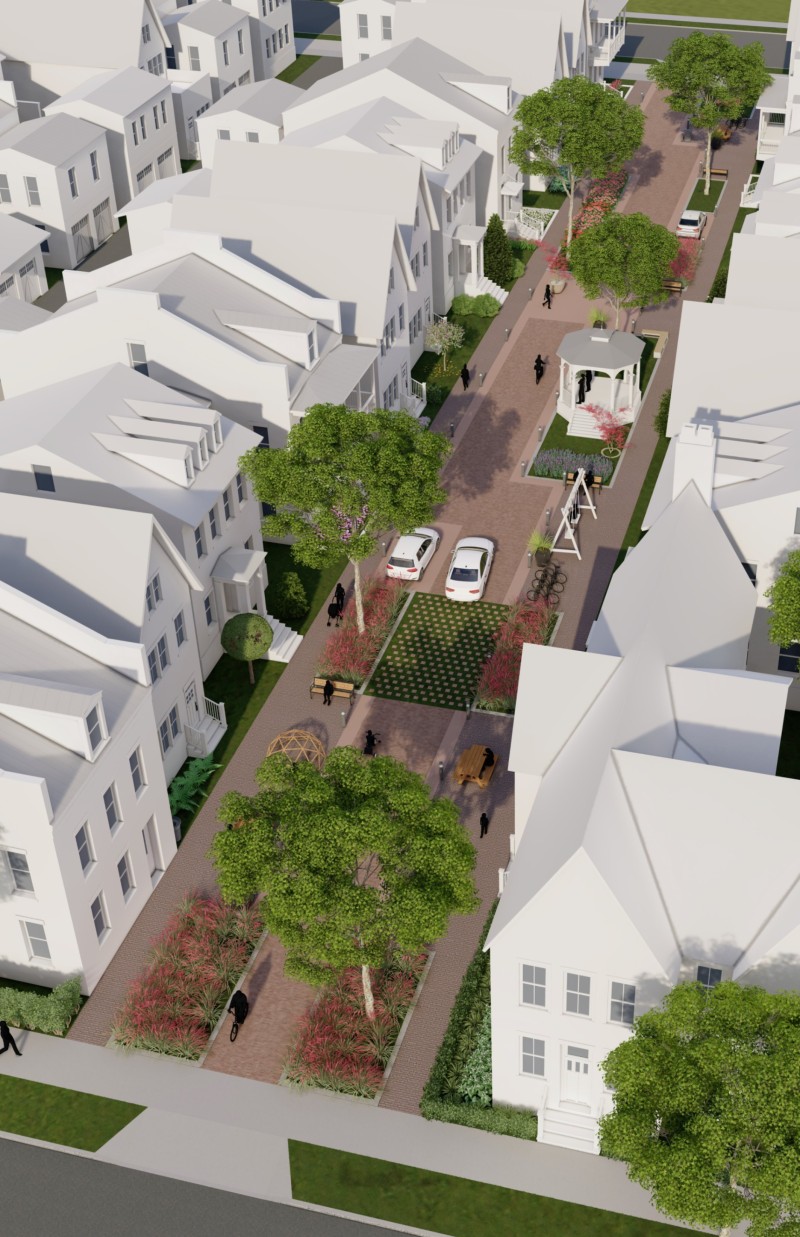
But they were kind men and built their workers nice homes (in the days of slums) with green space. Recently, the locals took Tesco to court (and won) to stop alcohol being sold in the nearby store (due to concerns about glass litter).
Wolverhampton
This large friendly town is smaller than Birmingham, and lies northwest about 12 miles away. Again it has a strong history of industry, although it’s only 12 miles or so the other way from rural Shropshire.
Known for its football team, one fan was composer Edward Elgar, who even wrote their anthem. Likely more classical than ‘it’s coming home, it’s coming home, football’s coming home!’
Coventry
Known for being bombed during the Blitz in World War II, this again was an industrial city. The new cathedral stands alongside the ruins of the old one, a celebration of remembrance and reconciliation.
Of course, the city is also known for Lady Godiva, the wife of Earl Leofric, who only agreed to reduce heavy taxes on the people, if she rode through the city without any clothes?!